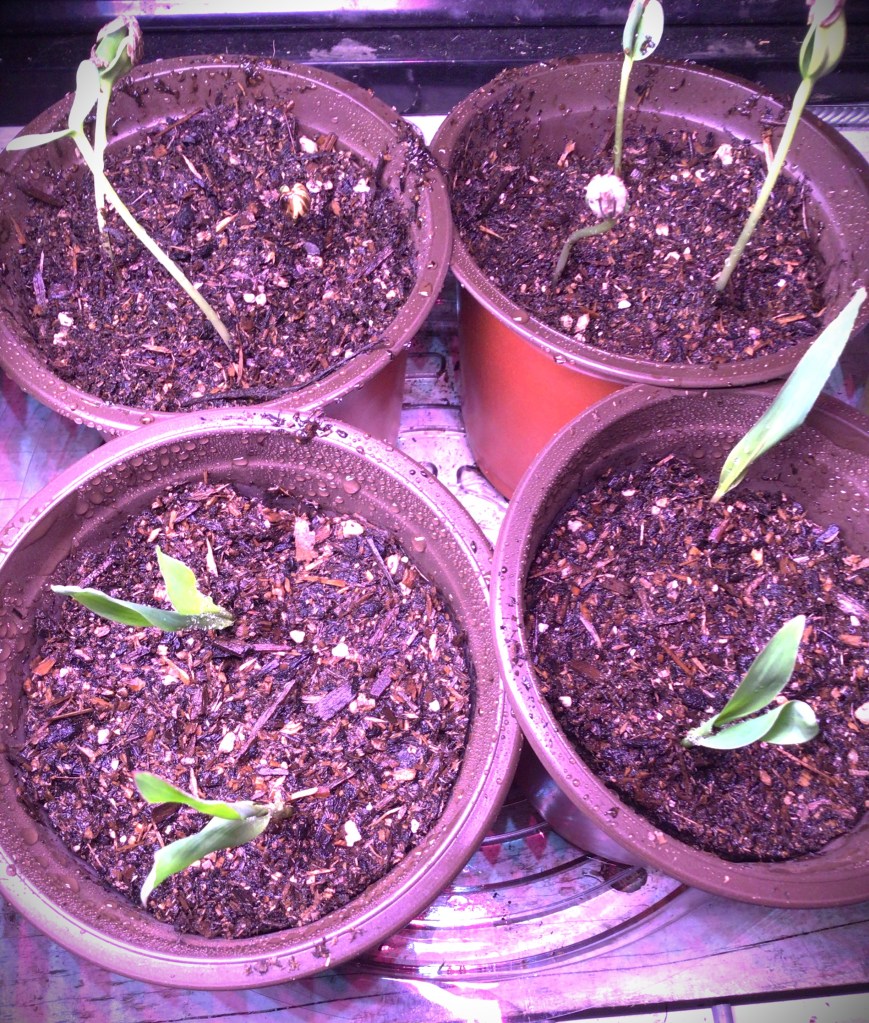
Ginger After Failure

I don’t know about you, but I’ve seen too many videos talking about how to propagate ginger, all promising success. And yet I failed a few times. I followed all the directions. I tried rooting in water and just putting the root with node in soil. And following all the advice nothing happened.

Now a person not secure in their gardening skills will think that they have a black thumb, they can’t grow grow ginger. But I want to tell you that you absolutely CAN grow ginger!!! It’s not that you’ve failed. It’s just that you didn’t find a method that works for you.

Before you check out on growing ginger, take a read here and see if this method will fit you.

Advertisements

The problem I had with all the standard methods is that I have absolutely no idea why I failed.

Can you relate?

If I knew how I failed I could make corrections. But when I don’t know I’m flying blind. And in all actuality I had chalked it up that I would just have to buy ginger for the rest of my life. And so I bought ginger.

Unfortunately I forgot my ginger, because I still had my two ginger seasonings on hand (coarse ginger and ground ginger). It wasn’t until I was running low that I remembered that I had bought a root and it was finally time to process that root to renew my herb stash.

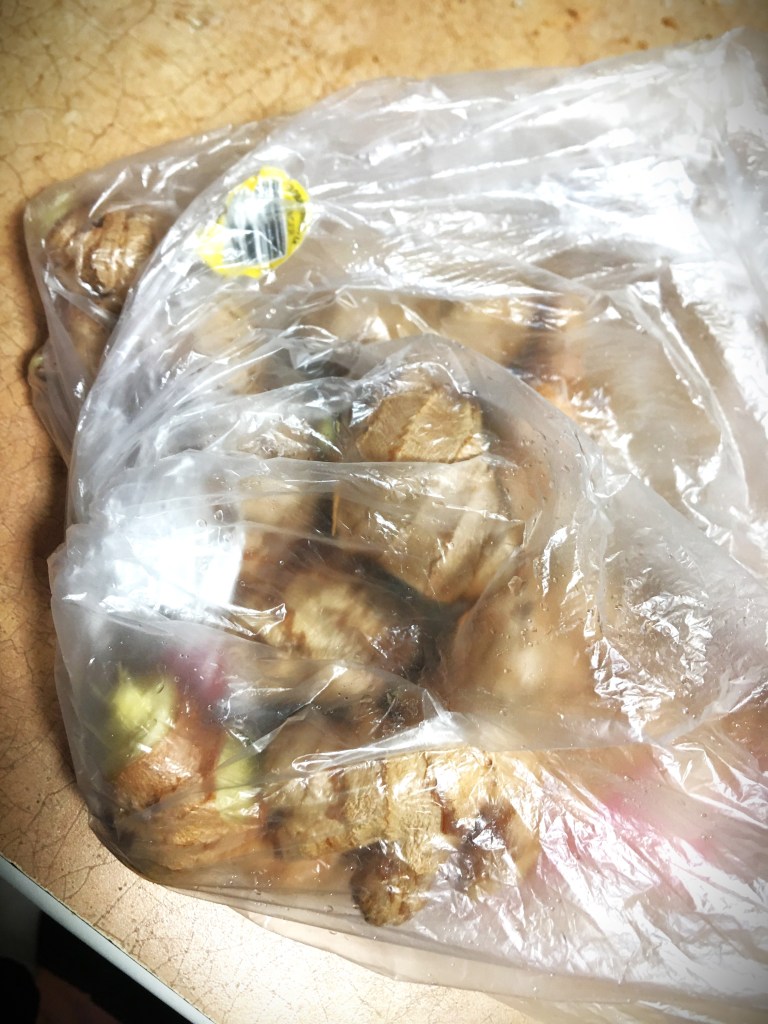
Imagine my surprise when my neglected ginger, still in the produce bag, had about a dozen nodules with red tips on them! While I had convinced myself that I would not do another ginger experimentation to grow, I seriously couldn’t resist what I had accidentally done in my kitchen, just by being a busy mom and letting something fall through the cracks.

Instead of trying one of the other methods that I had already failed at, I decided to try something that I was already successful at, this time around. I let the ginger tell me what we were going to do. As a massive bonus, I entered a botany lesson that I never learned in any college course.

Success #1 was simply letting the ginger sit in plastic, room temperature on my kitchen counter.

When I say “success” I want you to know that it doesn’t mean that I actually grew a ginger plant. For the first time I actually grew roots in the nodes!

I don’t know where I thought the roots would come from. If I had to guess, I would have thought the roots would have come from the brown scaled portion of the rhizome. I never would have guessed that the roots would come from the nodes themselves! So when I saw these first glimpses of roots, that was what made me commit to seeing this through one more time.

Advertisements

So at this point, I cut the sections that had the nodes with emerging roots from the original rhizome. I washed them and soaked these pieces in water for about 15 minutes before putting them in the lidded tupperware. Because the produce bag was enough to grow these nodes and roots, I wanted to continue this environment. And because I know that terrariums are viable grow environments, I switched from the plastic bag and moved toward a terrarium. With wetted skin and a semi closed system (setting the lid down on the bowl without pressing it sealed shut), I moved forward to see what would happen. (The rest of the rhizome with rootless nodes, I left them in the produce bag to see if the roots would grow.)
The bonus of continuing in this exposed manner, I have full control to make choices based off of observation. If the root dries out, I simply spray some water in the bowl and “close” the system again. If the rhizomes start to shrivel, I have the option of placing these bits into some soil to supplement nutrients. (However that was a last ditch effort in my mind because I’ve grown potatoes over successive season and have seen how depleted a potato can become with sprouts and still successfully grow a potato plant and a new generation of potatoes. And I’ve taken it down to where a potato has little left inside the skin.)
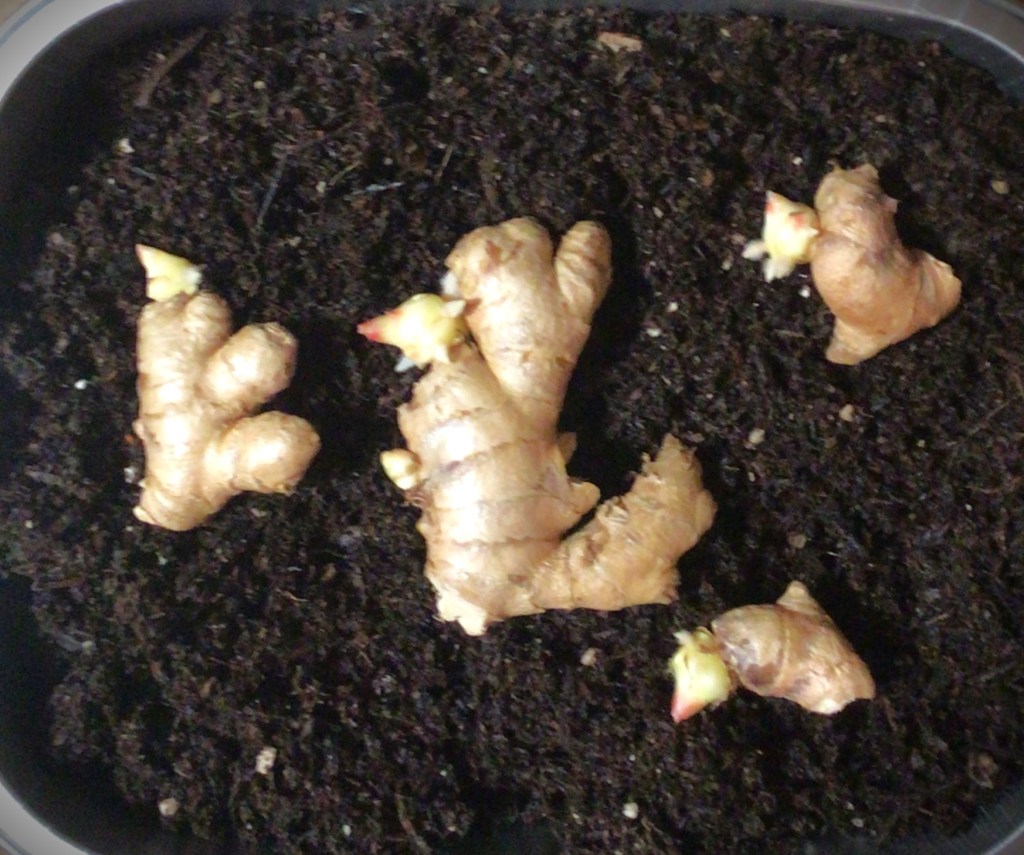
If you can see in the upper right corner of the picture, the top node has obvious growth that occurred in the time I had it in the plastic container. I was concerned that these roots were being infected with mold and that I was losing the ginger. I didn’t necessarily smell mold but I also didn’t know what it was that was making my root look more like an enlarged moth antennae.

Taking the node with the largest “moth antennae” root, I tried to “wash” the white fuzz off. It didn’t want to come off. So I took a knife and tried to gently scrape the fuzz off. It flaked off. And it was then that I understood that this phase of “fuzzy root” is normal. The part that flaked off showed an exposed root similar to those pictures that you can find online that strips the enamel off of a tooth and show you what the dent, underneath, looks like.

My translation of this observation is that the stage of rooting was ready for soil. It just seems natural that the filament extension of the root is the ginger’s way of seeking out nutrients to grow. Wanting to have success this time around, I put the rhizomes into potting soil. But first I had to cut the rhizomes down to orientate the nodes so that they face up.

Why did I cut the rhizomes???

It’s a legitimate question! My original thought, when doing this was that I only had a shallow dish to plant these in. Hind thought, this probably wasn’t the best idea. The whole point in growing ginger is to get roots that you can harvest in a year. The small bits that they were before would have made it for a successful harvest in a year. These small of pieces probably won’t. I probably hamstringed myself and extended my time to harvest because ginger is a slow grower to begin with.

Advertisements

The good news is that as of time of time writing, all my ginger is thriving and doing quite well. Not a single piece has died. I’m just anxious for some growth to take off. But I’m ahead of myself.

Once I positioned the nodes facing upward, I went ahead and added a layer of potting soil up on top and left the node tips pointing out.
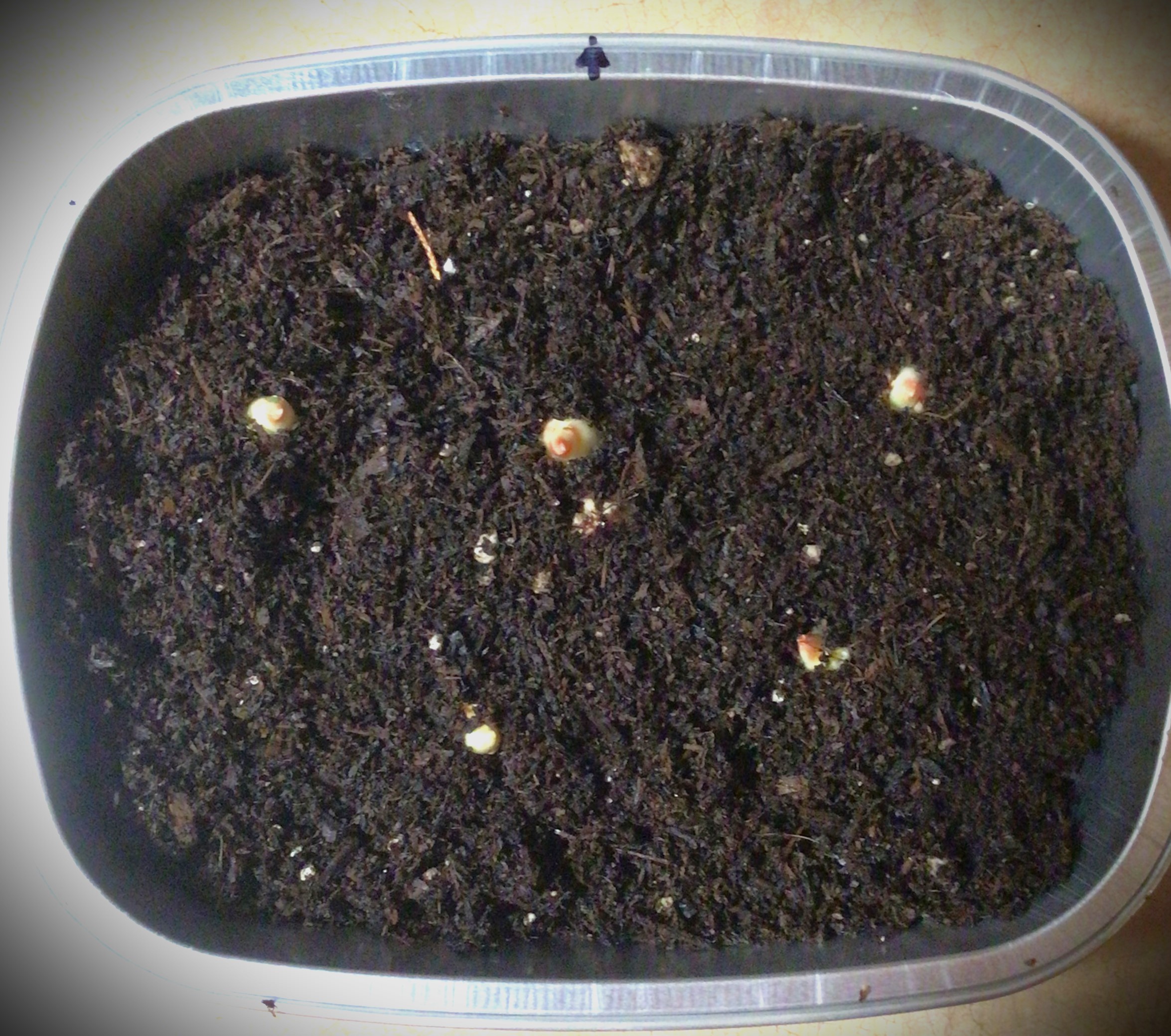
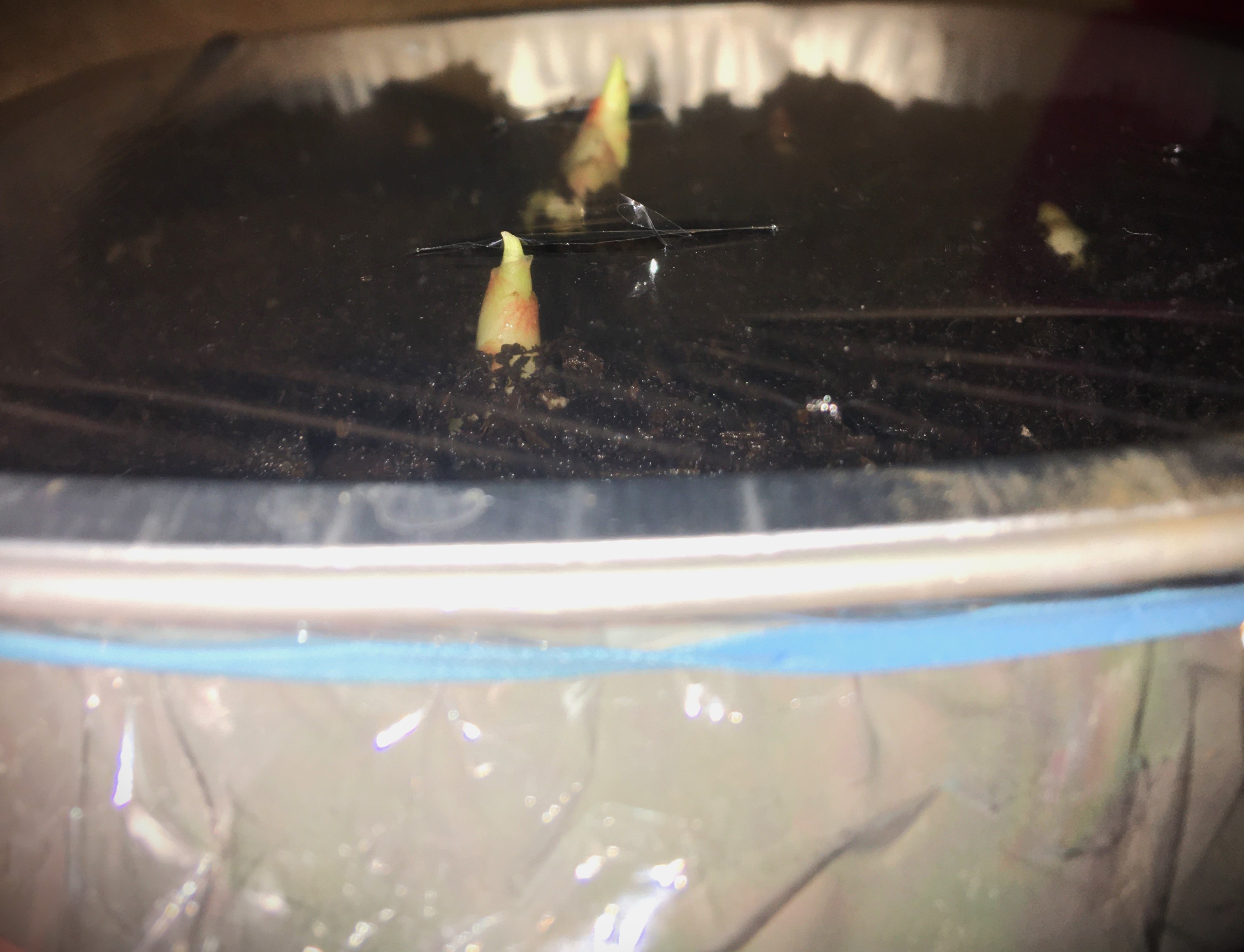
To keep their terrarium feel still going, I took a sheet of plastic wrap and created a layer on top of this cooking sheet. That central node and one other was above the rim level, so I sliced holes in the plastic wrap for the nodes to poke up through.

The slices in the plastic also double as a slight air flow to keep the potting soil from growing mold as well.

At this point I set the ginger aside to have some more grow time. And in the mean time I set out to understand the “fuzzy roots”.

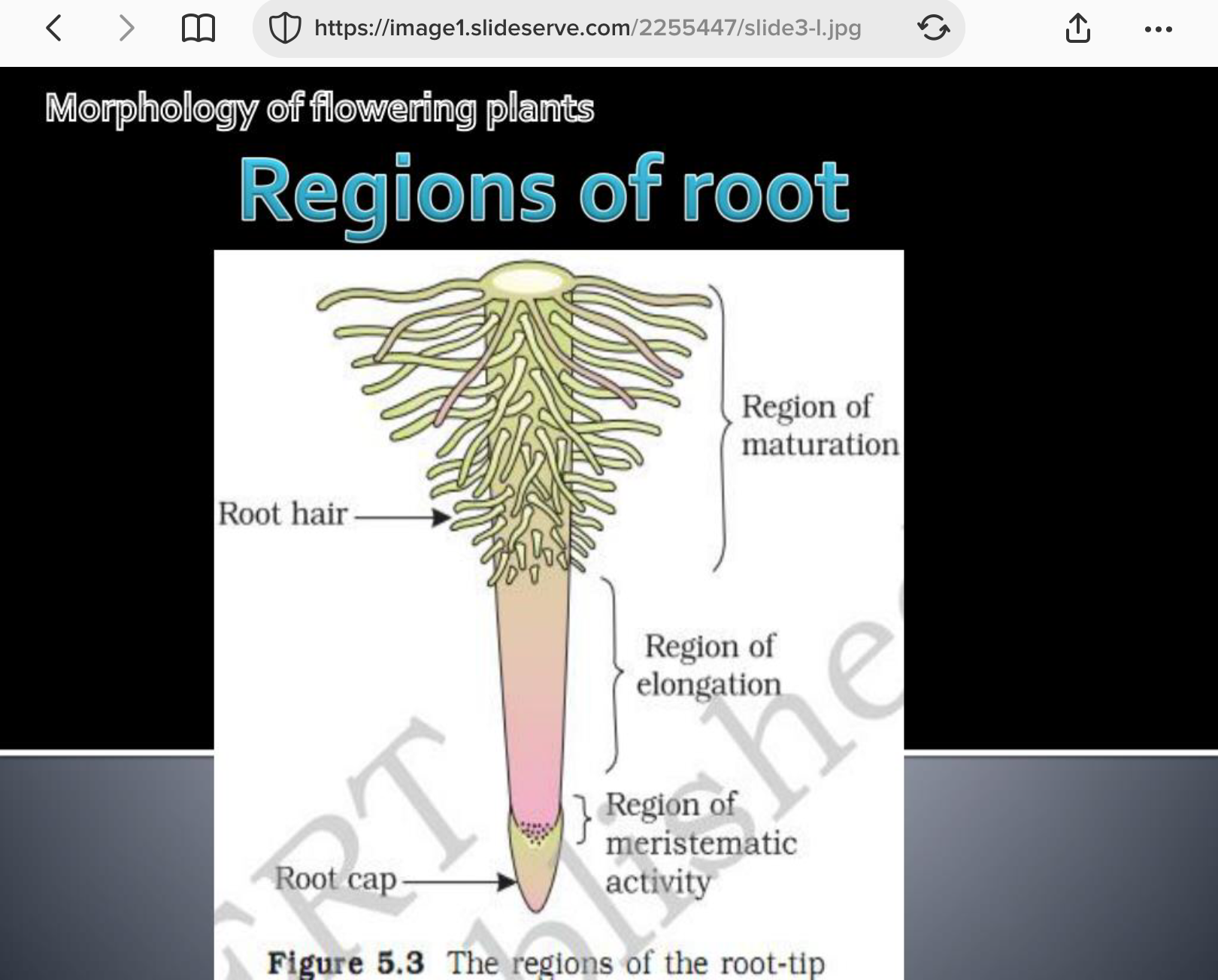
I didn’t get my answers until I came across someone’s dissertation and posting of slides for their report. If you want to get to know ginger like you’ve never seen before, check out these three pictures! All of a sudden it made sense why the roots were coming out of the node and that “fuzzy roots” are part of the anatomy of ginger. (Full disclosure, the third picture is not ginger. In this dissertation, ginger was barely mentioned in comparison to the other plants. I include this diagram though because it’s the perfect depiction of what I was seeing in the “fuzzy roots” of my ginger. It gave me the assurance that I absolutely needed to know that what I was observing is natural and part of the growth process of ginger.)
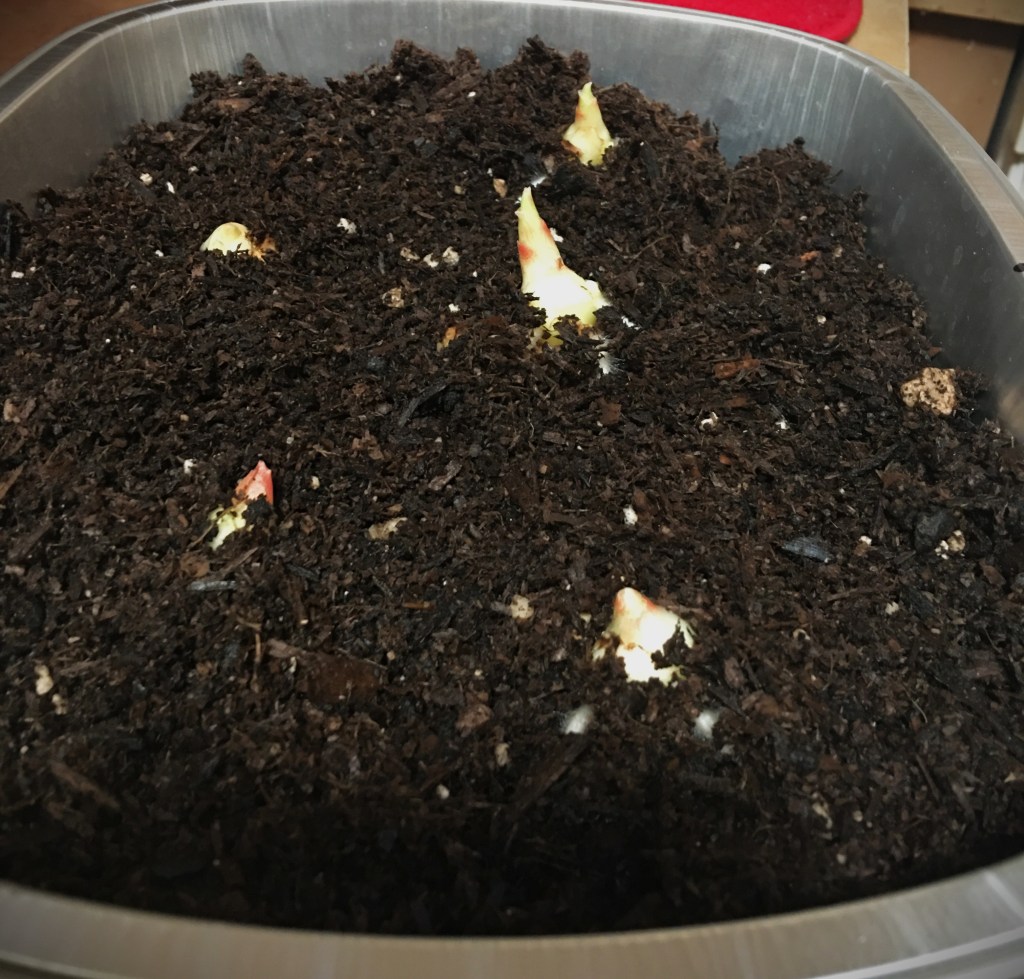
About two weeks later is when I couldn’t keep my patience any longer. I had to take a look at the root growth again. As you can see from the tip growth that things were progressing. But seeing how I’ve delved into understanding the root growth of ginger, curiosity was just getting the better of me.

I can’t tell you how excited I was!!!

All thoughts of ginger consumption set aside just look at this picture.
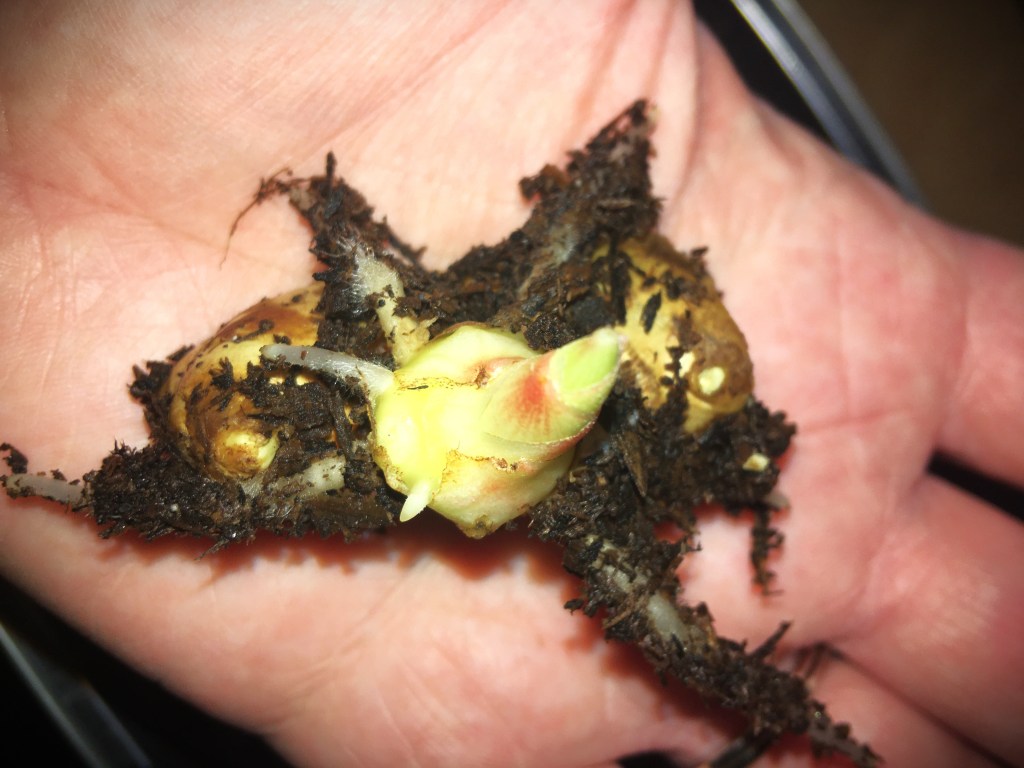
This is what we are missing when we grown ginger underground!!!

Look at that beautiful root growth!

I wish I knew what to say at this point. I’m still in awe and amazement at what this ginger decided to show me about itself. It honestly is discouraging at seeing excruciatingly slow scale leaf growth. Even now, if I didn’t have the commitment to study the root growth of ginger, I would have questioned this round of ginger growing. I would have questioned if this stalling meant that I was going to lose yet another round of ginger propagation. BUT when you take a look at those roots!

At this point I decided that I could rest assured that my ginger was going to thrive. I planted this start and the others I had made in the process (including the slow arriving ones that I had left in the bag at the beginning of this post).

Advertisements

If you have failed with growing ginger in the past, using other methods, see if doing something different creates different results for you. If you’re discouraged, set up your own trial where you too can look at the full life of ginger. If you want to have options in order to help your ginger grow, this might be the method for you. I haven’t seen anyone else try this method of ginger propagation, so I’m going to call it Root Growth Observation because you watch who the roots are growing in order to move on to the next step and support your ginger in its growth.


If you’ve had difficulty propagating ginger, what worked for you?

Have you tried something like this?

Tell me all about the process you went through.


Processing…
Success! You're on the list.

2 responses to “Ginger After Failure”

  1. Personalised Teacher Gifts, Avatar

    What a thoughtful means to show appreciation for the instructors in our lives.

    Thanks for sharing these gift ideas.

    Like

    1. Pacific Northwest Event Design Avatar

      Thank you for commenting. I try to regularly work in some gift ideas throughout the year. So I hope you catch those and enjoy them just as much!

      Like

Leave a comment

Advertisements
Advertisements

Garlic Love

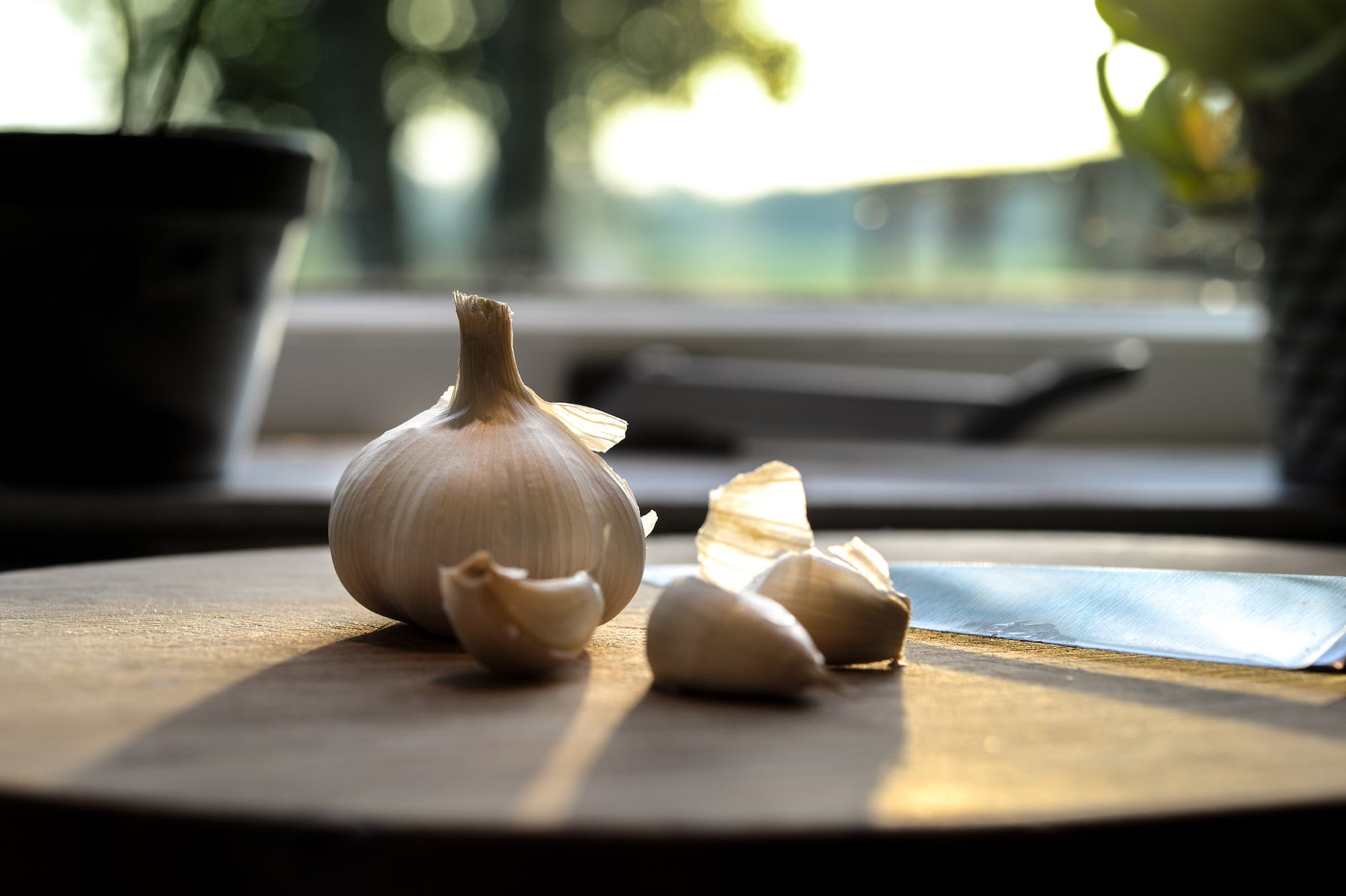
Photo by Skitterphoto on Pexels.com

I don’t know about you, but the one ingredient that buy a lot of is garlic. In fact, if a recipe calls for garlic cloves, I always add in more if not double, just because I find that most recipes under season with garlic.

There has only been one problem in my house. Okay two problems. When I look for cloves I either don’t find any or I find mummified cloves that somehow managed to make their way into the back of my spice cupboard.

This past year my question to myself was, how do I preserve garlic so that it’s ready for me when I need to use it? Followed up with the question, is it possible to buy garlic in bulk and not have it stout on you and you lose it before you can use it.

The answer to the first… you can ferment garlic and extend its shelf life.

The answer to the second se question is, yes!

At the end of the last farmer’s market season, I took advantage of the end of the season clearance sale at my local vendor. I bought garlic in bulk (at least from the perspective of a single family for personal use. If I remember right, I bought somewhere near the vicinity of 7 pounds worth of garlic. Needless to say it was a far cry higher than any other time I’ve purchased garlic.

Before the purchase, I had looked up different ways to ferment garlic just to make sure I had at least one way of doing this and I was going to use/eat it. (When it comes to pickling and fermenting the flavors generally don’t taste good to me.) There we’re two that I wanted to try. Both were simple—just two ingredients each. One was garlic and water and garlic with honey.
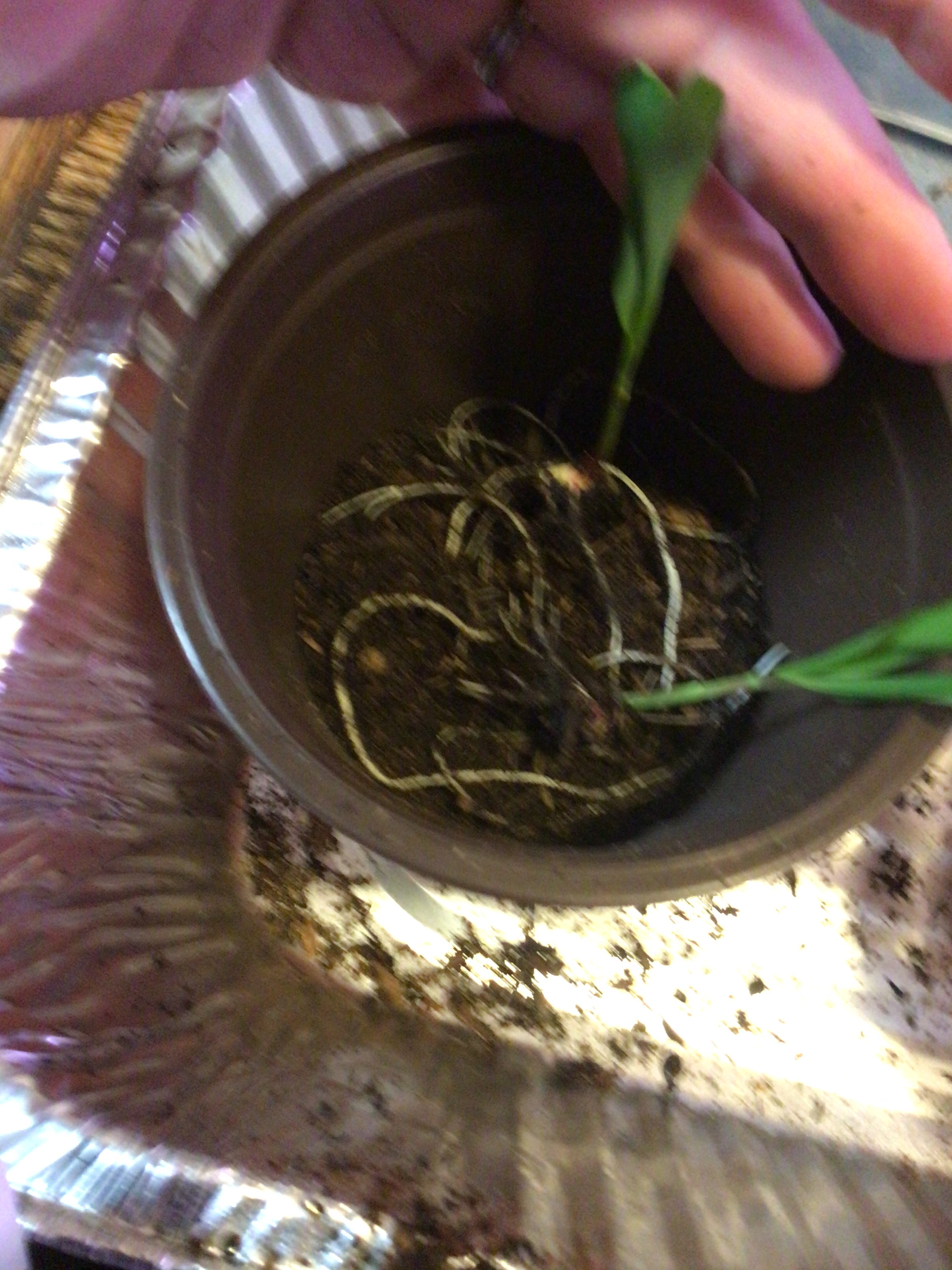
Now the garlic and water ferment I had a general idea what to expect because I’ve fermented cabbage with water and salt. The honey sounded a bit out there and was a mystery to me.

If you’re like me and already asked, can you ferment with honey? The answer is yes! I was surprised and even excited. Especially when I did more research and found that garlic fermented in honey is a great home remedy for colds and coughs. The garlic clove has compounds that equip your body to fight off common colds. The honey, from this fermentation, is a great natural cough syrup.

Advertisements

During the time of this fermentation (this past fall) there was a time when local parents were having. She’s time hunting down children’s cough syrup. But fortunately, I don’t have to worry about that now because I’m keeping honey fermented garlic in stock at my house. (My way of freeing up resources for other families, who have not yet learned about natural medicine and need those resources for their kiddos.

Fermenting garlic is very simple.

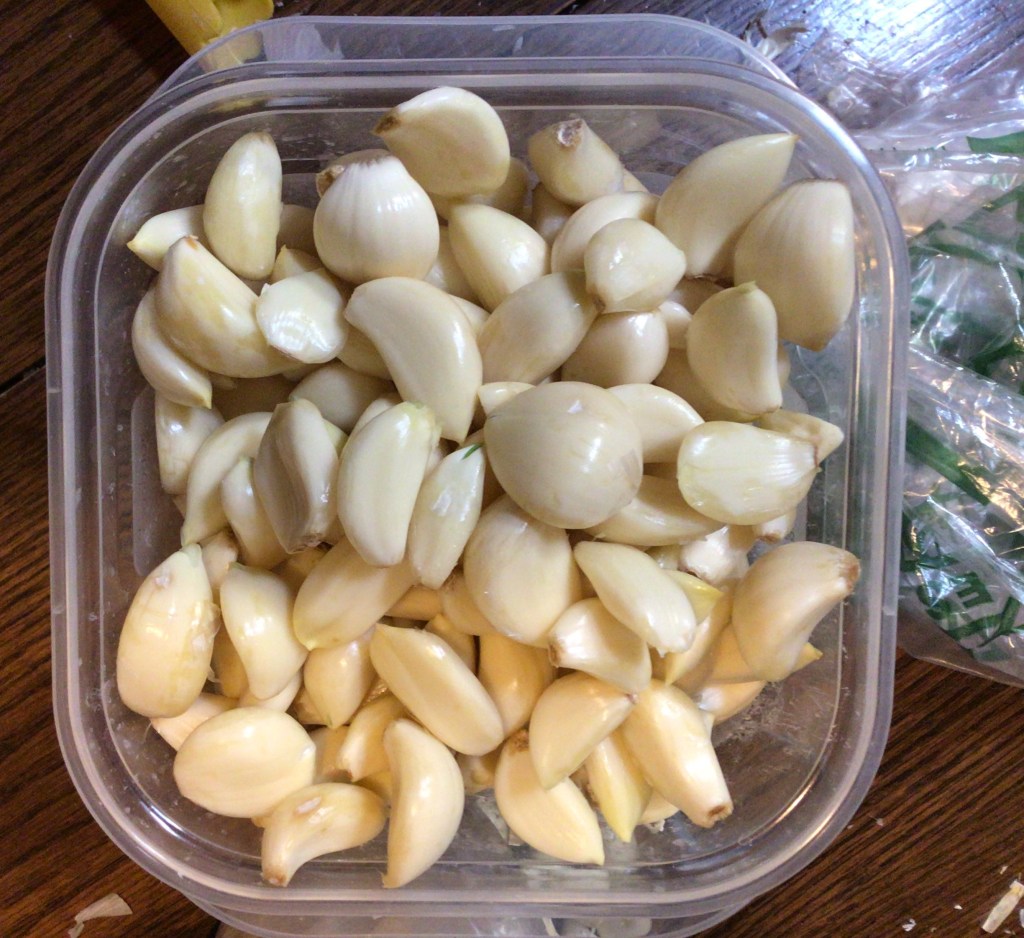
  • Peal garlic cloves.
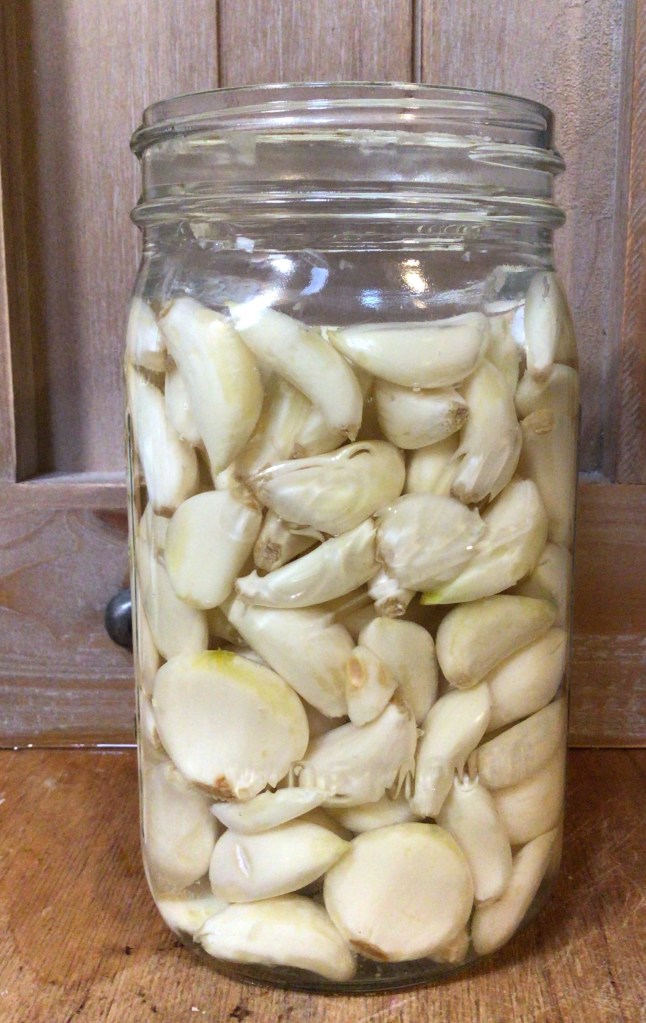
  • Put the cloves in a mason jar with 2” of head space.
  • Fill your mason jar with your fermenting liquid so that it covers your garlic.
  • Remove air bubbles and add more liquid as needed.

This step is particularly important for honey because of how thick it is. It oozes between cloves but doesn’t really thoroughly get in and around all the cloves. So I use a wooden chopstick and move the cloves around to get the honey to get in all around the cloves. Even with the honey levels well above the cloves, when I did the first stir, the honey level dropped by half. I had to go through the process of adding more honey and stirring about three times. I knew I had gotten all the air out when I stirred the cloves and the honey level did not drop a bit.

  • Place a fermenting weight on top of the cloves.
  • Lightly secure a canning lid on your mason jar. (Better yet, use a fermenting lid which allows the ferment to “burp” on its own.
  • Keep in a cool dark place where you can remember to burp the jar.
  • Garlic is fermented and ready for use in 4-6 weeks.

TIP: During active fermentation, it’s a great idea to keep the jar in a bowl. There’s a great chance that the ferment will bubble over while you’re not looking. And a bowl is your best friend when it comes to cleaning up.

TIP 2: The aroma of garlic is going to be very strong during active fermentation. So make sure the place where you keep it is one where you won’t mind the smell. (At first I had it in our pantry, but my husband was not okay with the smell. I relocated it to another location. The good news is that the garlic smell in the pantry was gone in a couple days.)

Peeling In Bulk

There are a couple of options that you have available.

You can peel the garlic the classic way with a paring knife. It’s long and tedious (particularly when you have young children under foot).

I don’t know if this next idea is still making the circuit around social media–putting cloves in a mason jar and shaking the skins off. I wished that this “trick” worked. Let’s just say that I raced my husband. He tried the jar method and I used a paring knife. The jar is fail if you fill the jar halfway or a quarter full with garlic cloves. The only time it semi worked was when the amount of cloves just covered the bottom of the jar. In the end, my husband shoved the cloves over to me when I out counted him with my paring knife. There were still the last layers of skin on the cloves that I had to peel off with the knife.

My preferred method of peeling garlic is with a silicone garlic peeler tube. With a dry tube and properly dried out garlic, it only took 1-2 rolling presses in my hands and all the layers were peeled away.

Unfortunately we only have one tube in my house and my husband and I fought over it. So we turned it into a competition. How many cloves could we peel in the amount of time it took the other to break down one bulb into cloves ready to go. We actually didn’t keep score because we were too busy laughing and working quickly on whatever end of the competition we were on!

Advertisements

How did the garlic turn out?

The quick answer is that I did not prefer the flavor of the finished garlic that was fermented in water. It has an acidic flavor that I have to cook out of the garlic. At this point, all health benefits from making fermented garlic is long gone, because it’s cooked to death. (I’ll come back to this.)

Originally I wasn’t sure if I would like the honey fermented garlic at all. But let me tell you this, I will never preserve garlic any other way!!!!

At the end of the fermenting process, the honey looks lighter in color and its thickness looks like it was watered down. When you taste the honey, it’s not honey sweet anymore. There’s still some sweetness present but it’s been dulled down remarkably. The garlic itself takes on a slight nutty flavor and is slightly sweeter. The pungent snap that we’re use to experiencing when eating raw garlic is greatly reduced. The garlic is still firm, but not as firm as garlic fresh from the garden.

The honey garlic is perfect to mince and add raw to a salad, especially if you drizzle a little honey on top as part of the dressing. You will not regret using honey garlic as a finishing touch on Italian or Asian inspired dishes. In fact, I can think of many many more applications for this form of garlic than I can with its raw counterpart.

Benefits of Fermented Garlic

The most famous compound that Garlic is known for providing is Allicin. If you need a jumping off point for the health benefits that allicin provides for our bodies, check out this article. In short it’s good for helping your Immune System do its job and reducing inflammation.

Fermentation brings its own benefits to any vegetable that you bring through this process. The most talked about benefit is improving your gut health by feeding the good bacteria that resides in your Gastrointestinal System. Here’s a good place to start seeing all the other benefits available to our bodies.

These two reasons are enough to send you on a well rewarding researching adventure for understanding why garlic and fermented foods are both important to being added into our diets.

Advertisements

Why Should I Ferment Garlic?

Whether you grow your own garlic are want to take advantage of garlic that you find at a great price, fermenting garlic is a sure way of preserving your garlic.

Over the years, I’ve tossed out garlic because it turned into mummified cloves, had mold, or started sprouting before I could use it. By fermenting, you get to stop the clock on the life of your garlic. The common practice of braiding garlic and storing it in a cool dark place slows down the clock on the garlic, but it will still approach a time where those bulbs and cloves also start to sprout. By fermenting, you’re adding more time that you have available to use the garlic that you have in your kitchen.

And in the instance of the honey garlic, you have the added bonus of having a home remedy cough medicine. Over the last two years there have been many things on the store shelves that have been out of stock. Cough syrup, especially for children, was one of those things this past fall and winter. I haven’t even bothered checking the shelves to see if that situation has fixed itself. But I can rest assured that a dose of the honey with a clove of garlic will not only treat coughs in my family, it will give our bodies added nutrients which help our immune systems fight off whatever cold or virus that we are dealing with.


What do you love using garlic for???


Products used today:

This post contains affiliate links to products. We may receive a commissions on products purchased through these links, but at no extra cost to you. These items listed here are from Amazon but may be purchased at local markets.

Processing…
Success! You're on the list.

One response to “Garlic Love”

  1. 664 Avatar

    I read thiks piece off writing fuloly on tthe topic of the differenc of hottest
    aand previous technologies, it’s reemarkable article.

    Liked by 1 person

Leave a comment

Advertisements
Advertisements

Space Saving Spring Decor

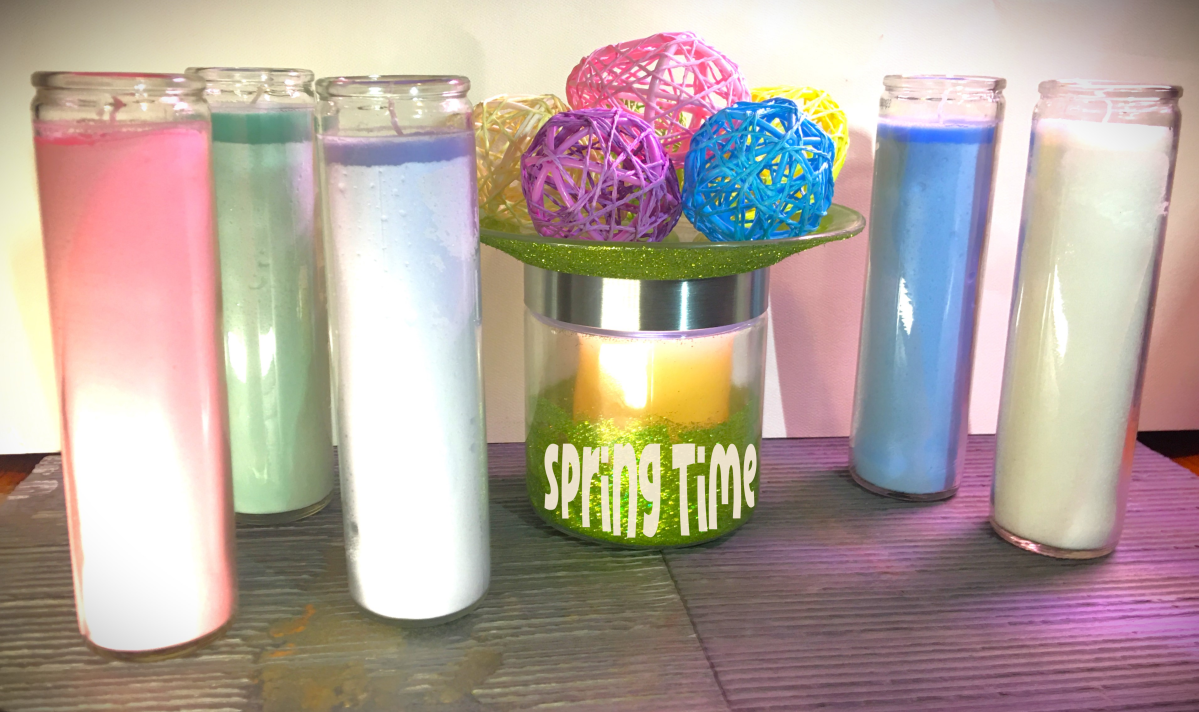
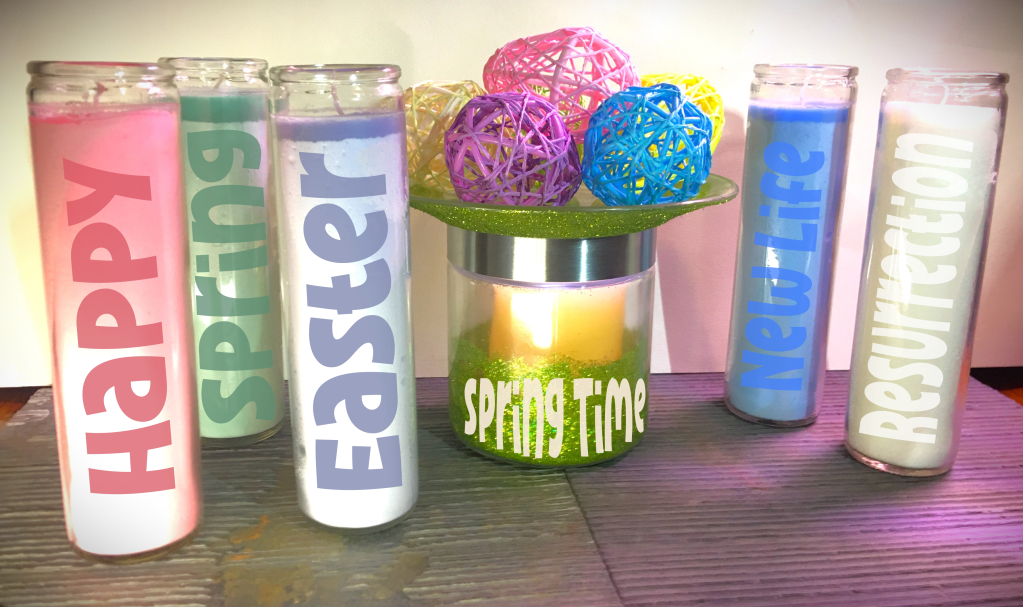
Depending on the space you’re looking to decorate for spring and Easter, you might find that you want a little sparkle in a small place. Maybe it’s a window ledge, a office desk corner, a mantel piece, or just a side table. This is something quick that you can put together and adds as much or little color as you like. The best part is that with the exception of glue drying time, you can have this project done in under an hour!

Materials Needed:

  • Clear Glass Salad Plate
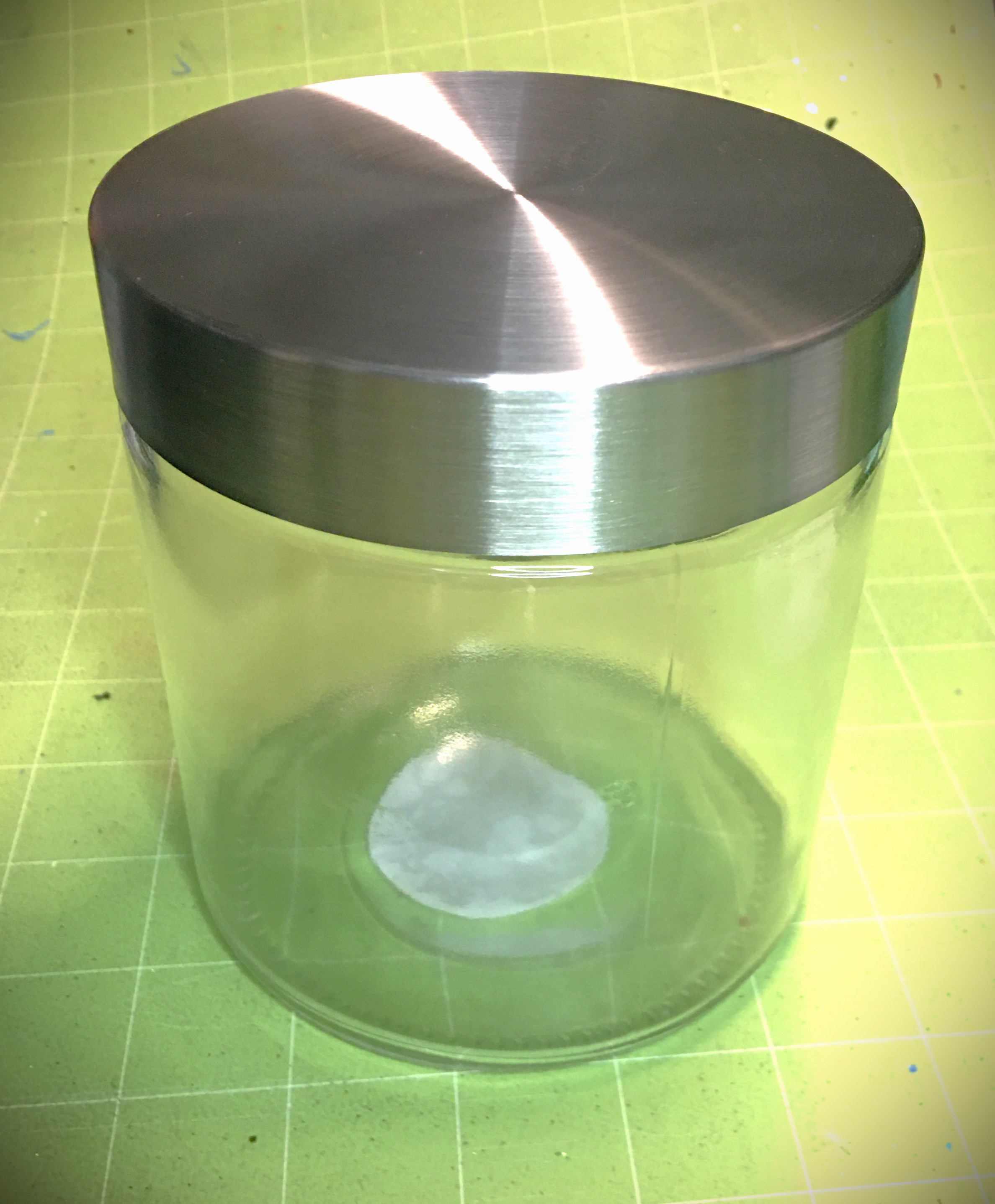
  • Clear Glass Cylinder Container (with lid)
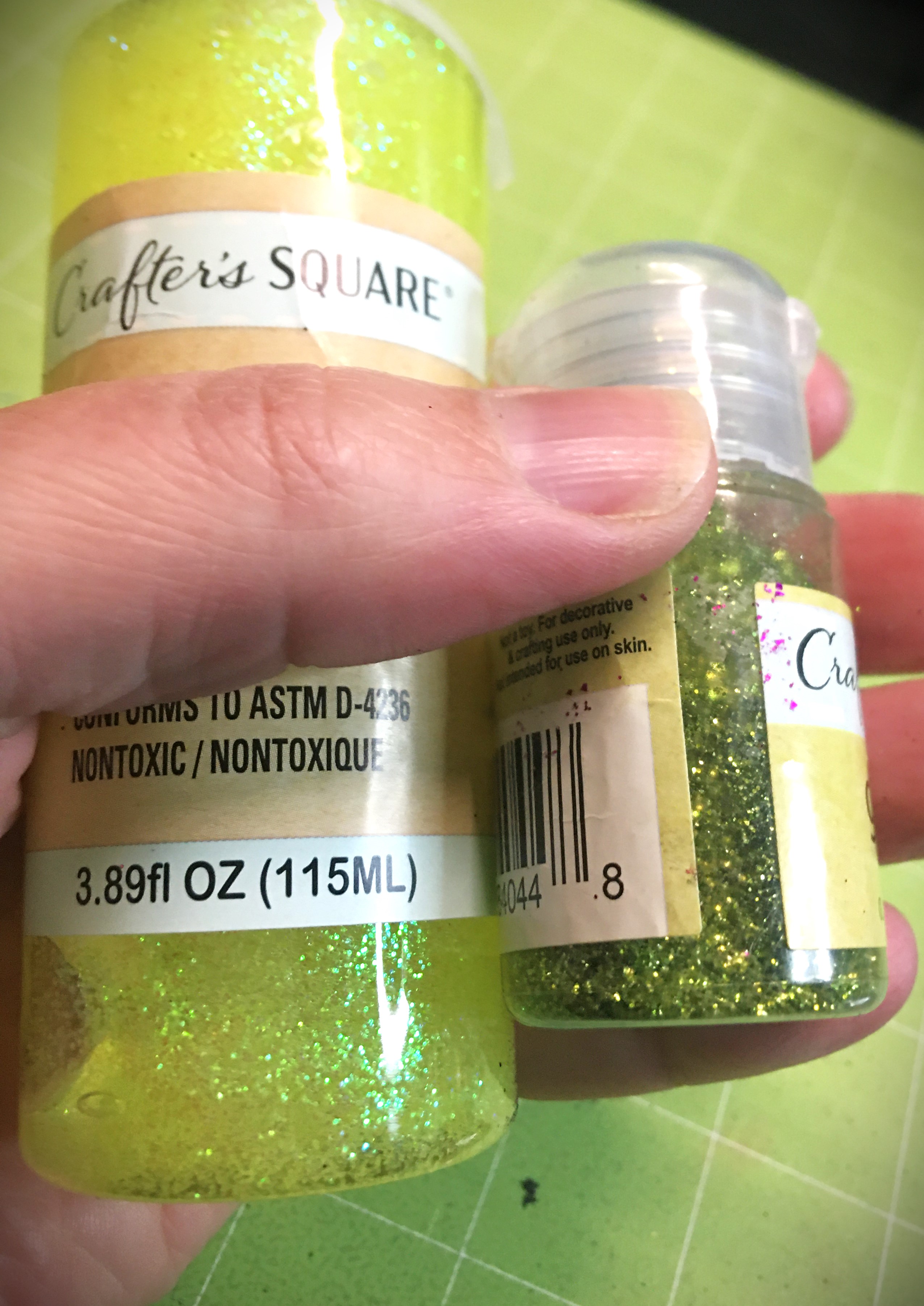
  • Glitter (color of choice)
  • Glitter Glue (complementary color)
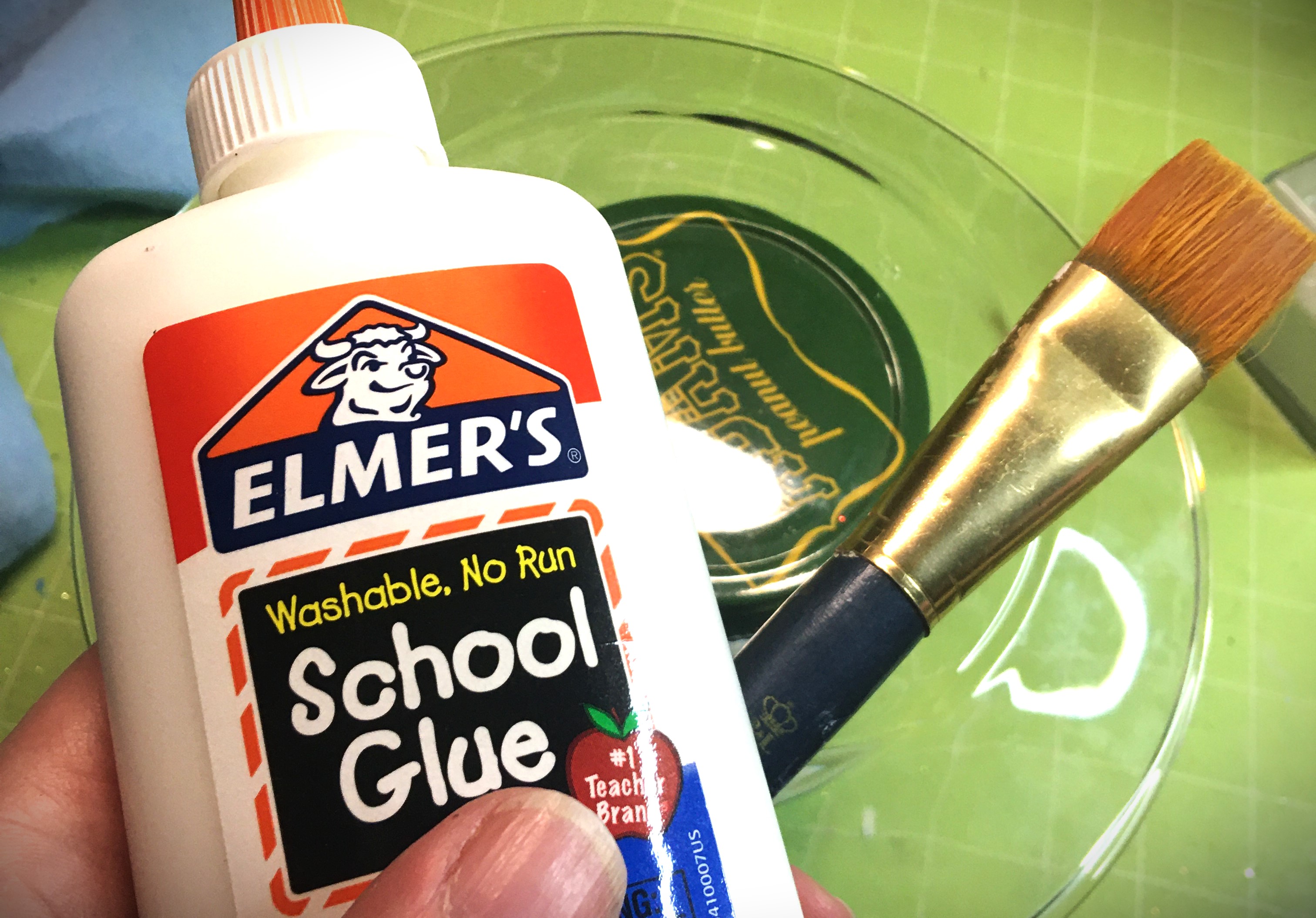
  • Elmer’s Glue
  • Paint Brush
  • Paper and Wire Decor Eggs
  • Tall Candles (colors of choice)
  • Fairy Lights (optional)
  • Polycyclic or Clear Acrylic Spray Paint (optional)
  • Vinyl Decals/Stickers (optional)
  • Silk Flowers (optional)

Everything you see here I sourced at my local dollar store, with the exception of my Elmer’s glue and polycyclic. Hello mom of young children here! I found that I’m least likely to cry with accidents when I buy things from the dollar store. And accidents happen.

Advertisements

Let’s Make It

Jar Stand

This one is a multifunctional component. I’m showing you how this holds a decor item, the paper and wire eggs. Instead of the eggs, you can use the plate for treats. Or you can set the plate aside and use the jar as a plate holder for part of your Easter Brunch.

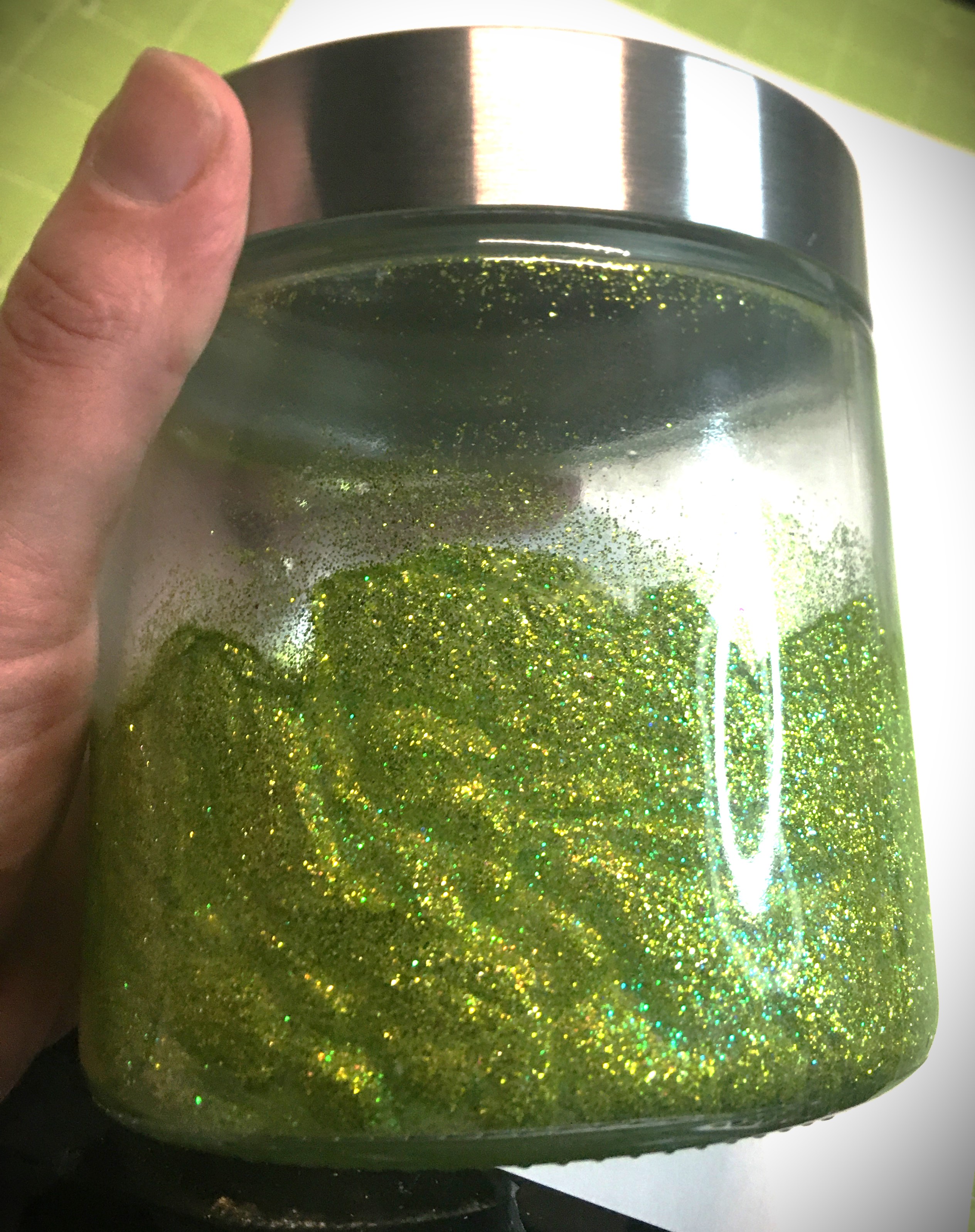
  1. Inside the glass jar paint in your glue in the bottom portion of the jar. I used a yellow glitter glue to complement the green glitter. When using glitter glue, it’s important to pat the glue on your project and not paint it on. This type of glue does not have the holding power that Elmer’s glue has. I chose to stop the glue a little over halfway up the jar and stroke upwards to create a grass like effect. If you want to use Elmer’s glue you’ll have a little better control over the glue and a quicker dry time. Just make sure to add a little secondary color of glitter into your original glitter choice. This will give dimension to your color and keep it from becoming flat looking.
  2. Dump a good portion of glitter into the bottom of your jar and swirl it around on top of the glue. For the sides of the jar, I turned and tilted the glitter from the bottom of the jar down toward the mouth. I also hit the sides as I turned the jar, so that with it came to knock out all the excess glitter, there was very little that came out.
  3. Allow to thoroughly dry.
  4. You may find that you need a dry loose bristle brush to brush out some stray glitter that likes to stick to the clear glass.
Advertisements

Egg/Treat Plate

In order to keep this plate safe for treats, make sure to apply the glitter to the underside of the plate. This makes the face hand washable.

  1. Apply a thin layer of Elmer’s glue to the area of the plate that you want to add the glitter. For me, I love the silver coloring of my jar’s lid and want that to shine up through the bottom of the plate. So I only applied glue to the lip of the plate.
  2. Sprinkle glitter over the wet glue. The more thorough you are on the shaking off of excess glitter makes the final step easier to apply without lifting the glitter.
  3. Once the Elmer’s glue is dry, seal in the glitter with polyclinic sealant or clear acrylic spray. This is an important step if you want to make sure that you won’t leave glitter trails when handling the plate. If you choose to use polycyclic, you want to tap the sealant on instead of brushing. Brushing actually ends up stripping glitter off of the glass. If you tap it on, the only glitter that comes off is whatever is loose to start with. If you’re like me and want to minimize the amount of glitter loss, clear acrylic spray is perfect. There is no loss. Plus the acrylic spray has the additional bonus of retaining the sparkle of the glitter more.
  4. Allow to thoroughly dry.
Advertisements

Assemble the Accessories

For my display I chose to go with the multi colored paper and wire eggs and different pastel colors of tall candles. This is where even more personalization can happen. If you have rattan balls, you can use those here and keep with white candles to keep a clean minimalistic look. (In this instance a white frosted paint or white glitter might be your choice of decorating the jar and plate.)

For the candles, if you choose to go the color route, you can mute the colors by frosting the outside of the glass.

Or perhaps you have ribbon from other decor you already have up. You can hot glue a band of that ribbon around the candle.

For this set, I’m going to apply vinyl decals onto the glass. Also I’ll apply a decal on the jar.

Coming back to the jar, you might choose to further decorate the inside. Perhaps you want to add battery powered tea or short pillar lights. Maybe you love fairy lights. (For this one I would recommend hot gluing the switch the bottom side of the lid. This allows you to turn on the light just by lifting the lid and not having to fish for the switch on the bottom of the jar.) You could be a flower person. You could arrange your favorite silk flowers inside. Combined with fairy lights could be very dreamy looking. I think I’m going to have to find where I stashed my silk butterflies. The wing span is about 6″ and I could arrange 1 or 2 butterflies on the inside and have a little whimsy on the inside of my jar.

Advertisements

Put It All Together

Even with all the different ways of personalizing this project, it’s all going to take on a different life depending on how you will set this up. Will you use a colorful table runner? Or maybe you’ll display this set with absolutely no further modification. I can totally see the white frost, rattan balls, white candles set on a reclaimed wood side table.

How will you set this up in your home?

Vinyl Decal designs can be found here:

Easter Candles (Decal)

Processing…
Success! You're on the list.

Leave a comment

Advertisements
Advertisements

Starting On Your Own

Now that a new planting season is about to knock on our door, I’m beginning to hear more and more from those venturing into gardening the discouragement of last year’s grow season in the Pacific Northwest.

I’ve mentioned before that last year, we didn’t have a spring. We had back to back winter that went off the deep end and nose dived right into summer. We were cold and wet and literally missed a season. My garden didn’t know what to do. Even when I direct sowed at the proper time everything stalled for 2 months and it felt like I was the only person in my community that was grateful for the 6-8 weeks of extended summer weather. I needed it to finish off some of my vegetables, like my tomatoes.

And throughout the area of 4 or so cities, a good number of people said their vegetables gardens failed to produce anything.

I get it. The vegetables that I planted in May were harvested at the same time as what I planted in July.

This year I’ve already started in on my plan of getting ready for this spring. And I’m treating it like I’m going to have another cold, non-existent spring. Everything I overwintered is indication we’re not going to have a repeat this year, but I’m not taking chances. Food prices are insane. I need to offset my grocery bill by growing more than I have in the past. So I’m going to share with you what I’m doing this year to give my garden a leg up on what may or may not happen.

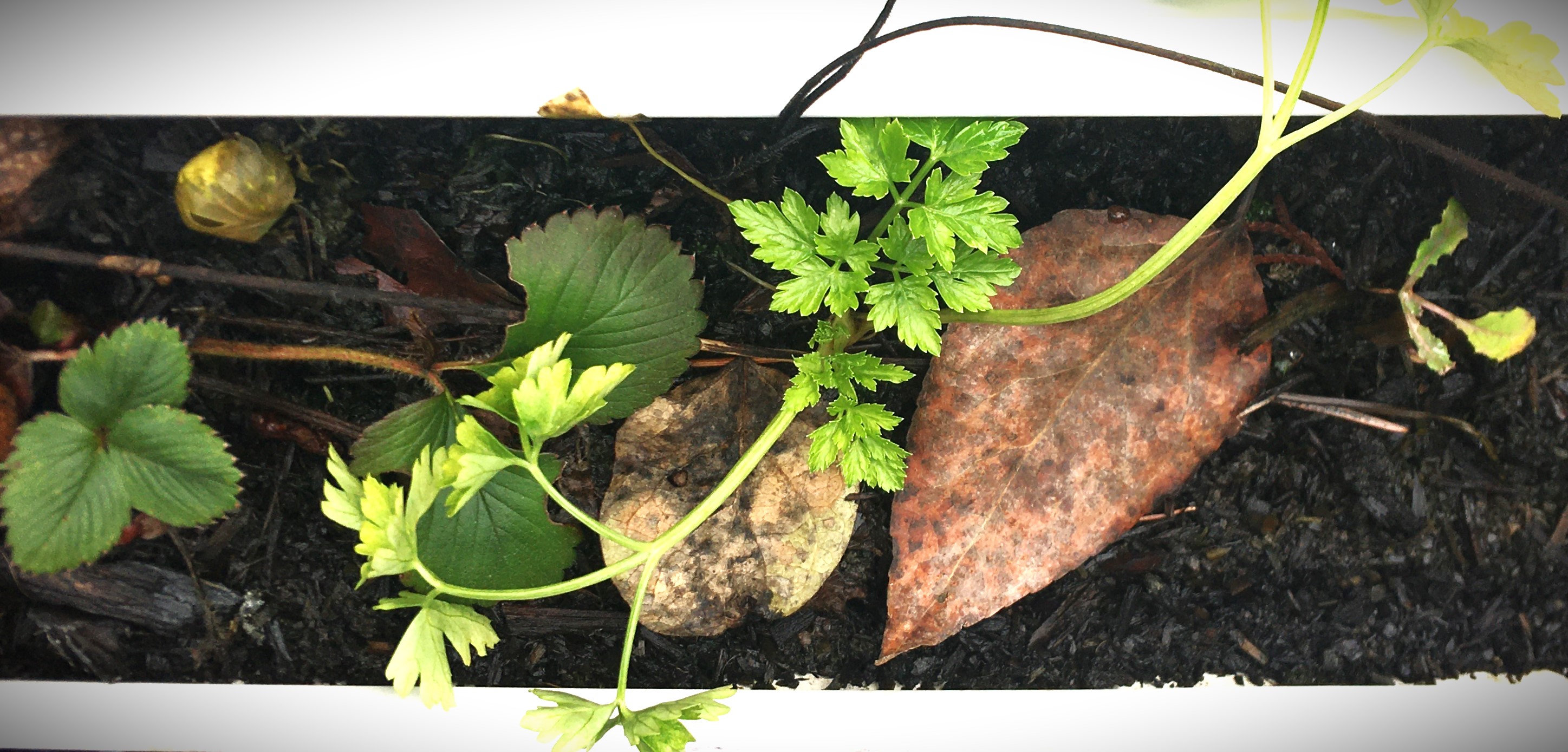
The Big Leaf Parsley and Oregano that I planted last year, which did not germinate at all last year, all of a sudden decided this winter that they were going to germinate and sprout. I’m looking forward to a lovely spring this year.

Advertisements

Uneven Germination Rates

If you have a small garden that you work, one of the frustrations that you have is when you plant your seeds according to the proper measurements and seeds just don’t germinate. You start off thinking that you’re going to get a certain amount of starts of one vegetable, and in the end you find out you get a small fraction of that.

I’ve tasted that bitterness. In a normal year you can successive plant a new seed where there’s gap. But last year that didn’t work at all.

So this year I’ve started off my seeds indoors in small flats.

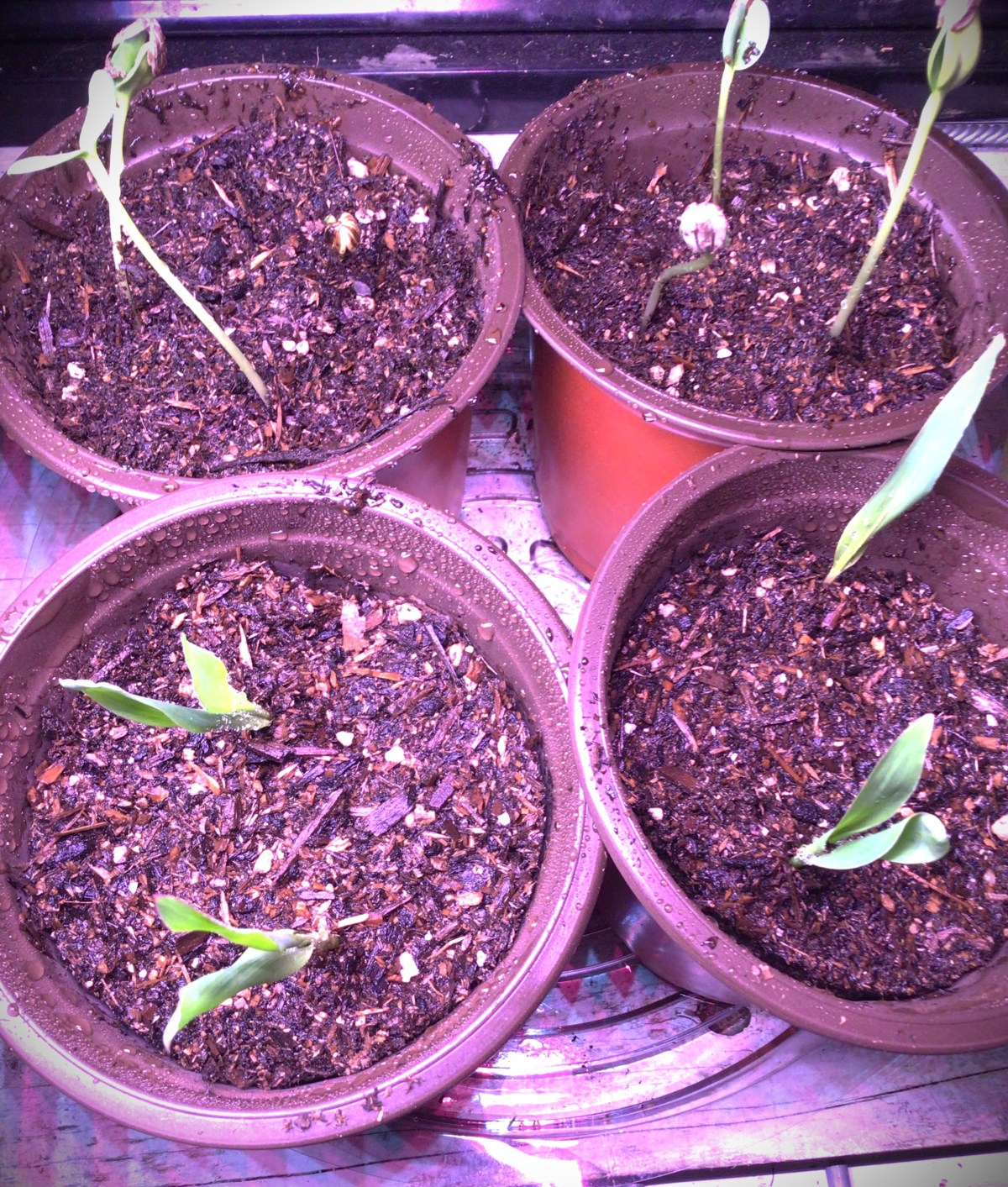
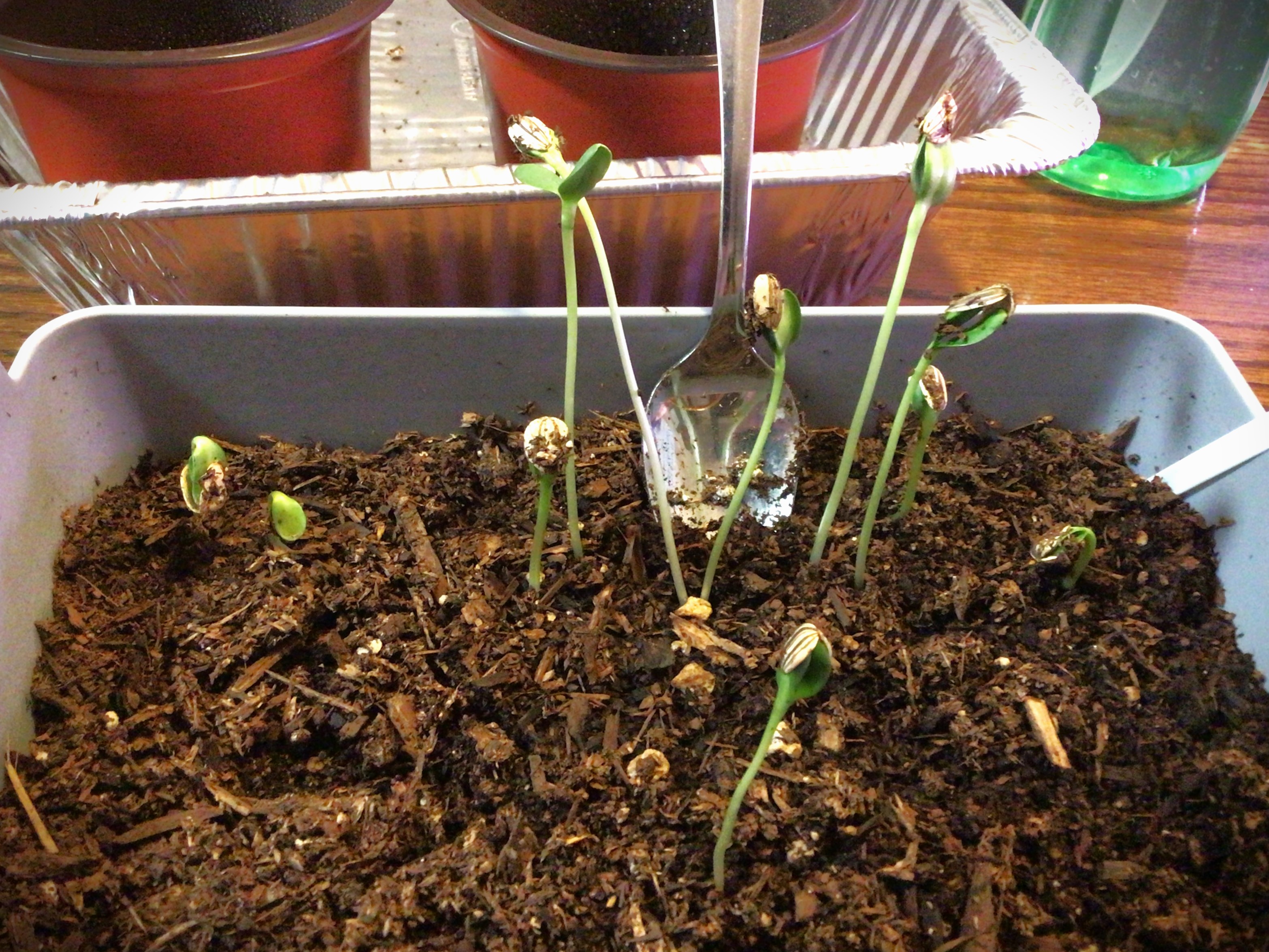
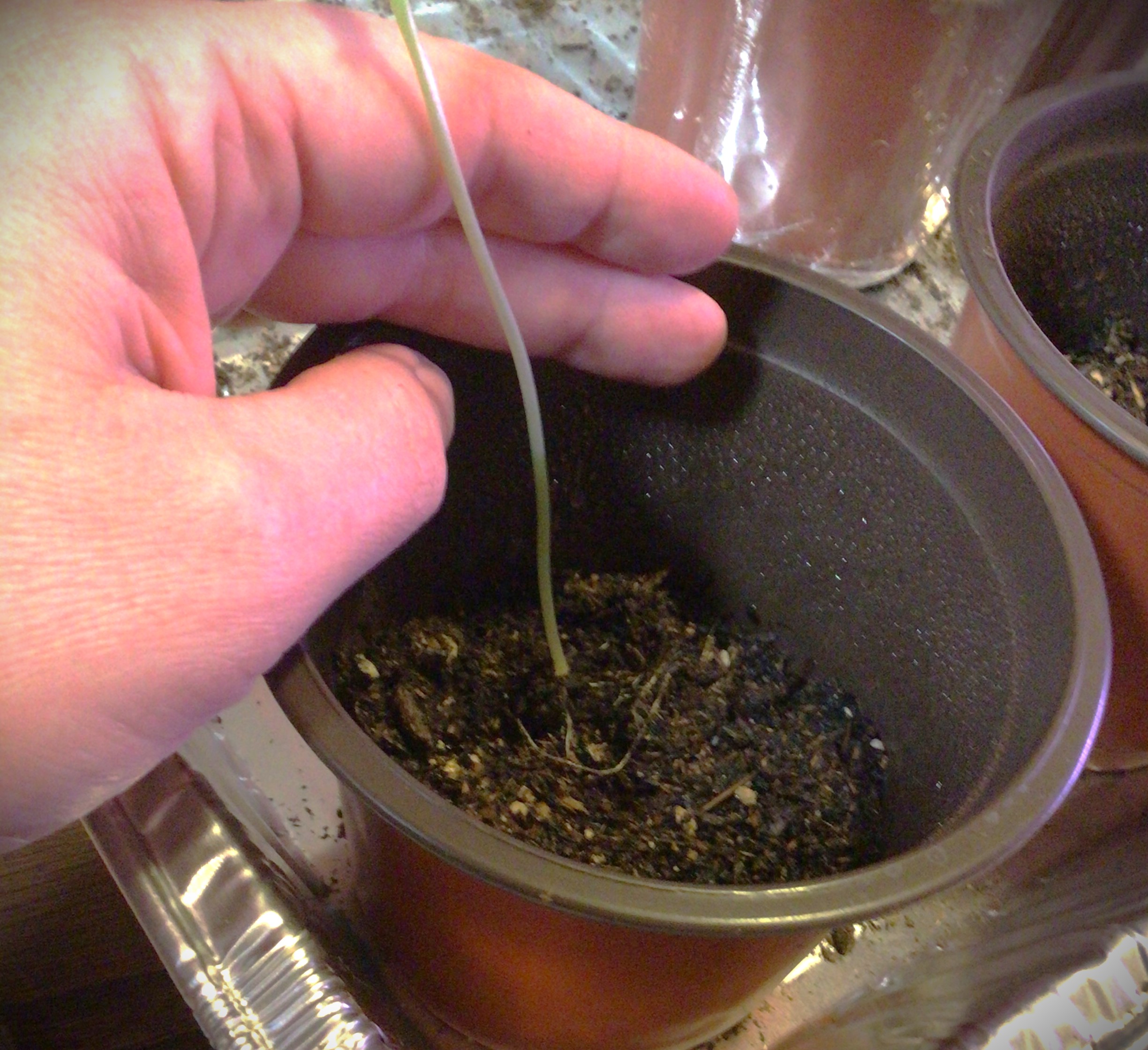
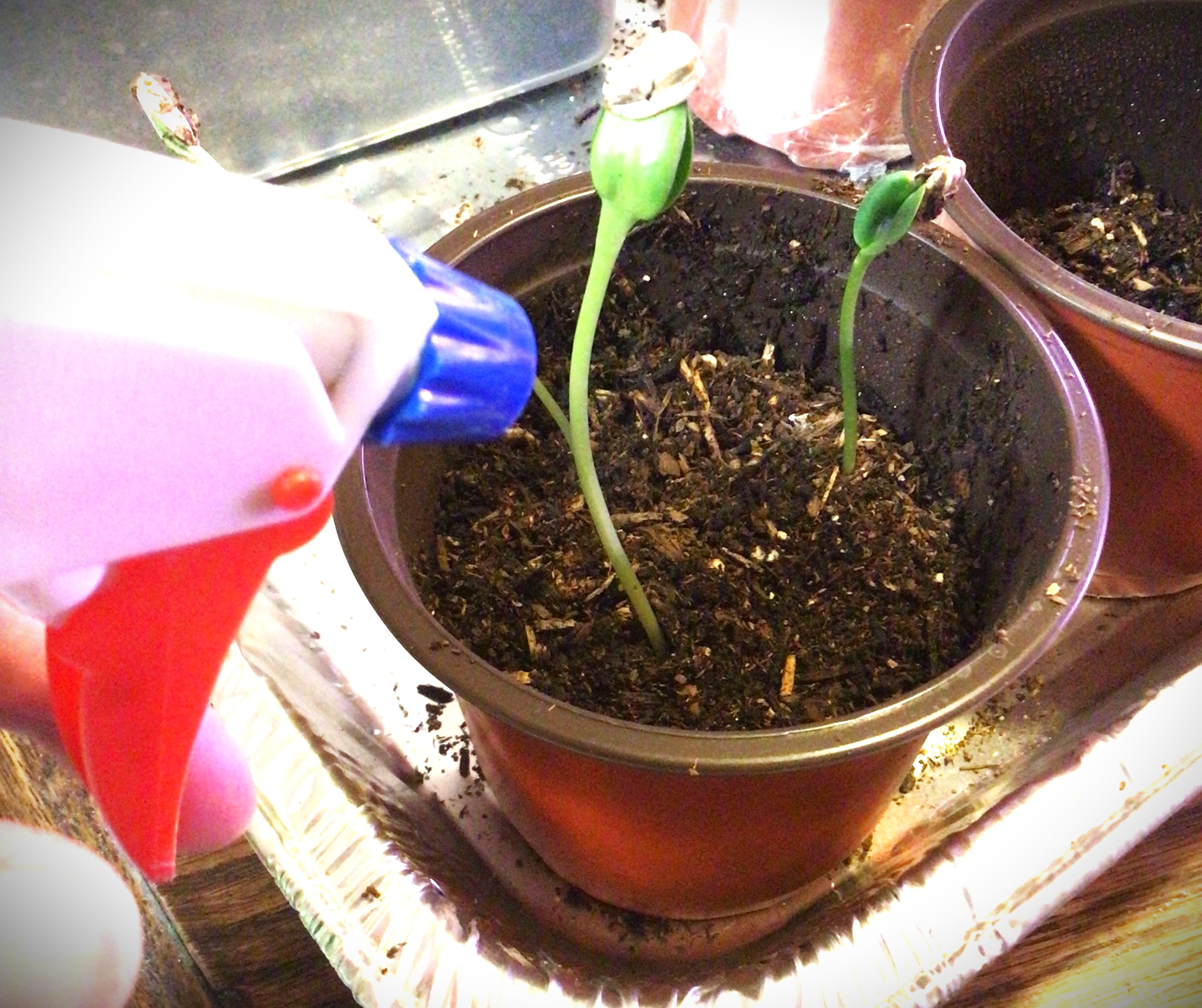
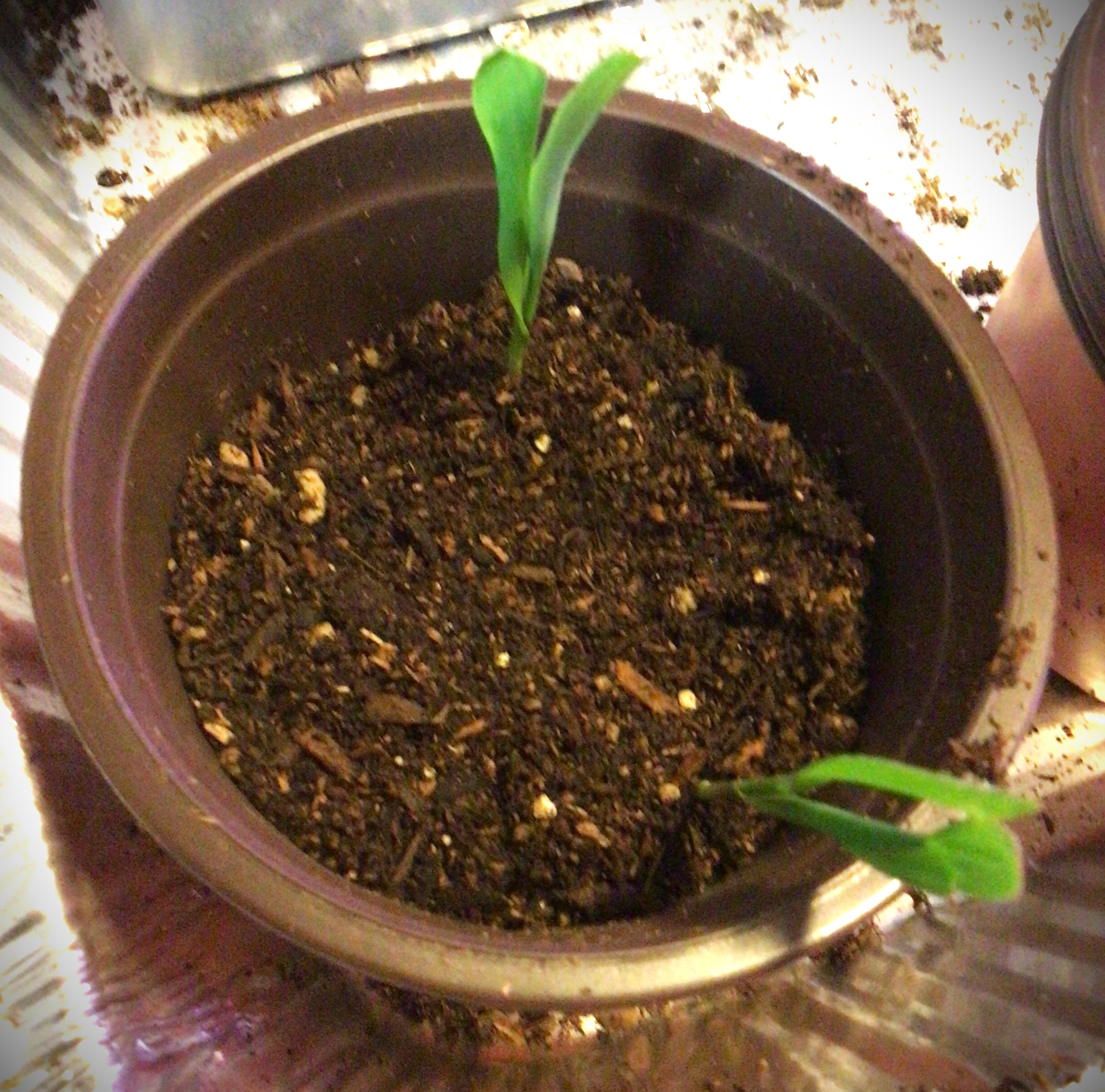
I’ve already repotted four other bunches of these sunflowers. You can see here that the seeds just didn’t want to sprout at the same time. I’m okay with that. I’m starting my seeds this way, because if none want to sprout, I won’t waste my limited garden space.

With how shallow this flat is, once these sunflowers get to a certain height, it’s time to repot them. They want to spread their roots and grow. And as much as they love this loose soil, it’s time to get these tall fellas into a pot where I can thin them out and give them more space.

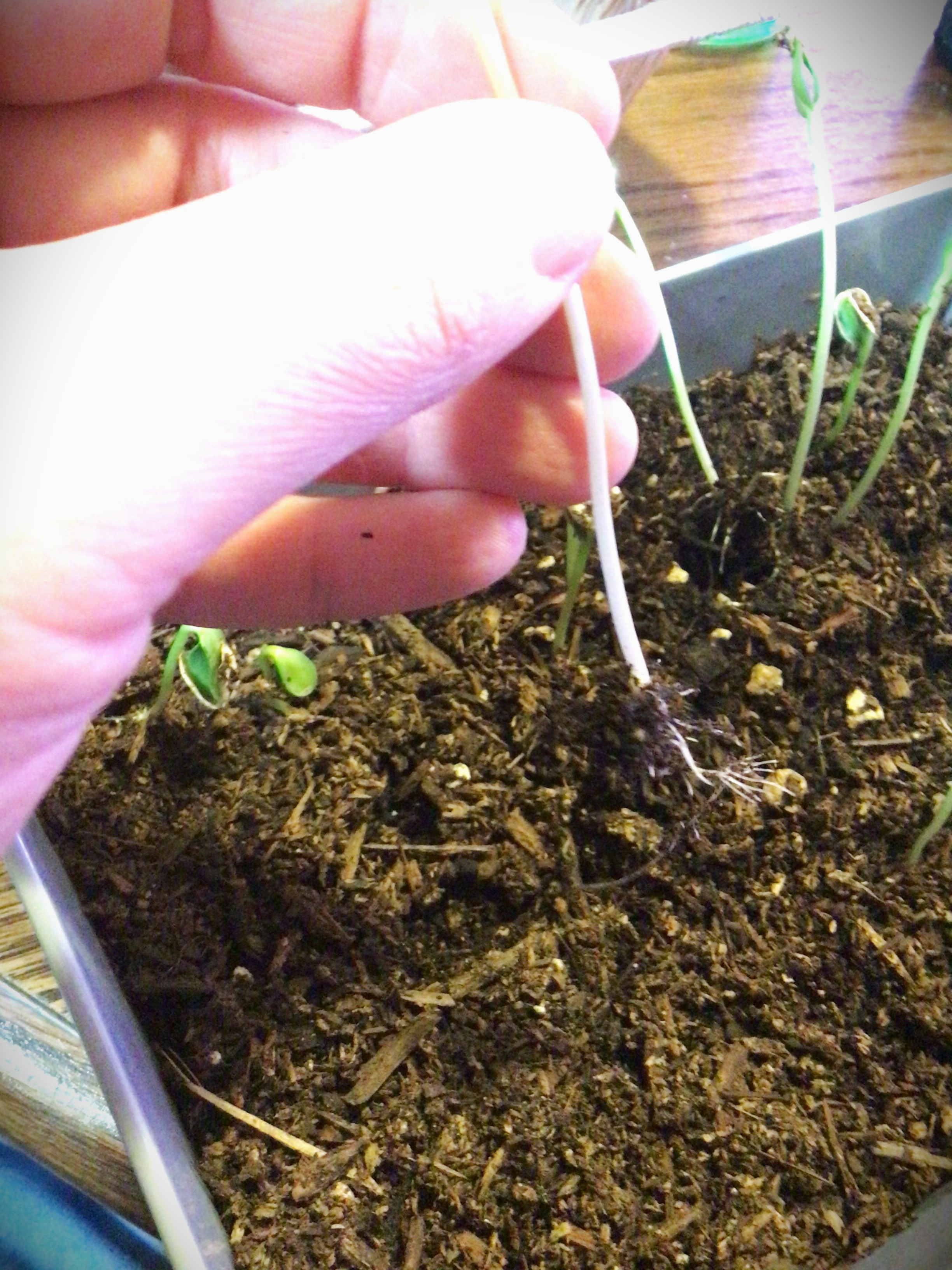
With my pots a third full I sprits the soil with some water so that it has a little moisture to start the seedling off. Next I go to my flat, with a spoon, and insert it off on the flat’s wall and gently lift up on the roots. With the roots free, I set the seedling on top and put soil around it so that it can stand on its own again. I’m putting 3 of these seedlings into this 6 inch pot.

Yes, this is not at the final spacing on the seed package. But if you’ve purchased plant starts, the majority of the time all the seedlings are crammed packed. You’ve also learned how to massage the roots apart. And you’ve also learned that you end up snapping roots. The plants do live and do grow.

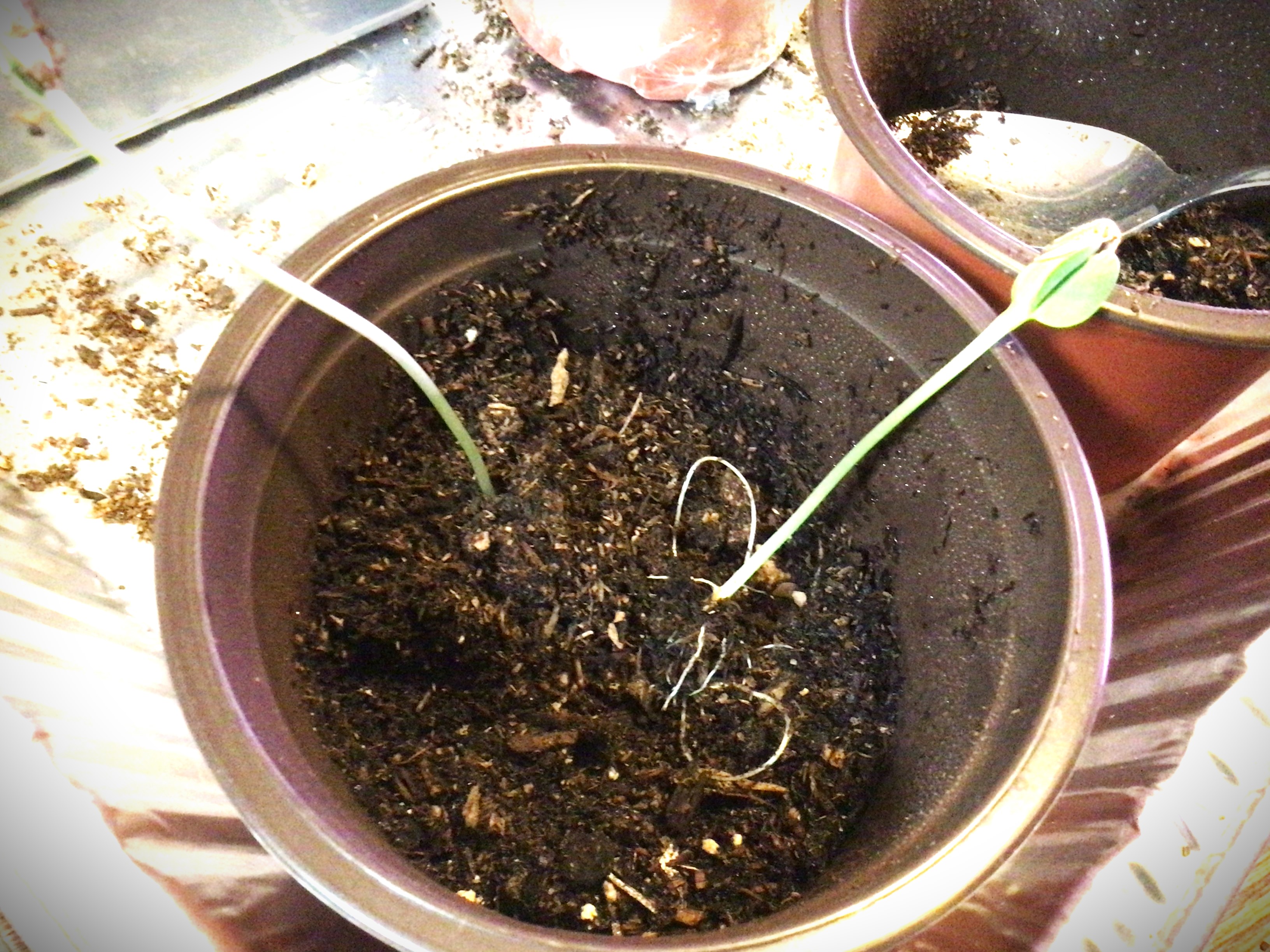
To minimize this breakage, if the primary root is long (you’ll see this shortly really well with some corn that I repotted), then I loop it on top of the soil as I get it settled into this new pot. The roots will still grow out and spread to fill this pot, but with the central heart of the roots a little more compartmentalized it should keep the greater heart portions of the roots of each of the plants more separate and easier to knead apart when it’s time to put them in the ground.

With each layer of soil I put down, I give it a spray of water.

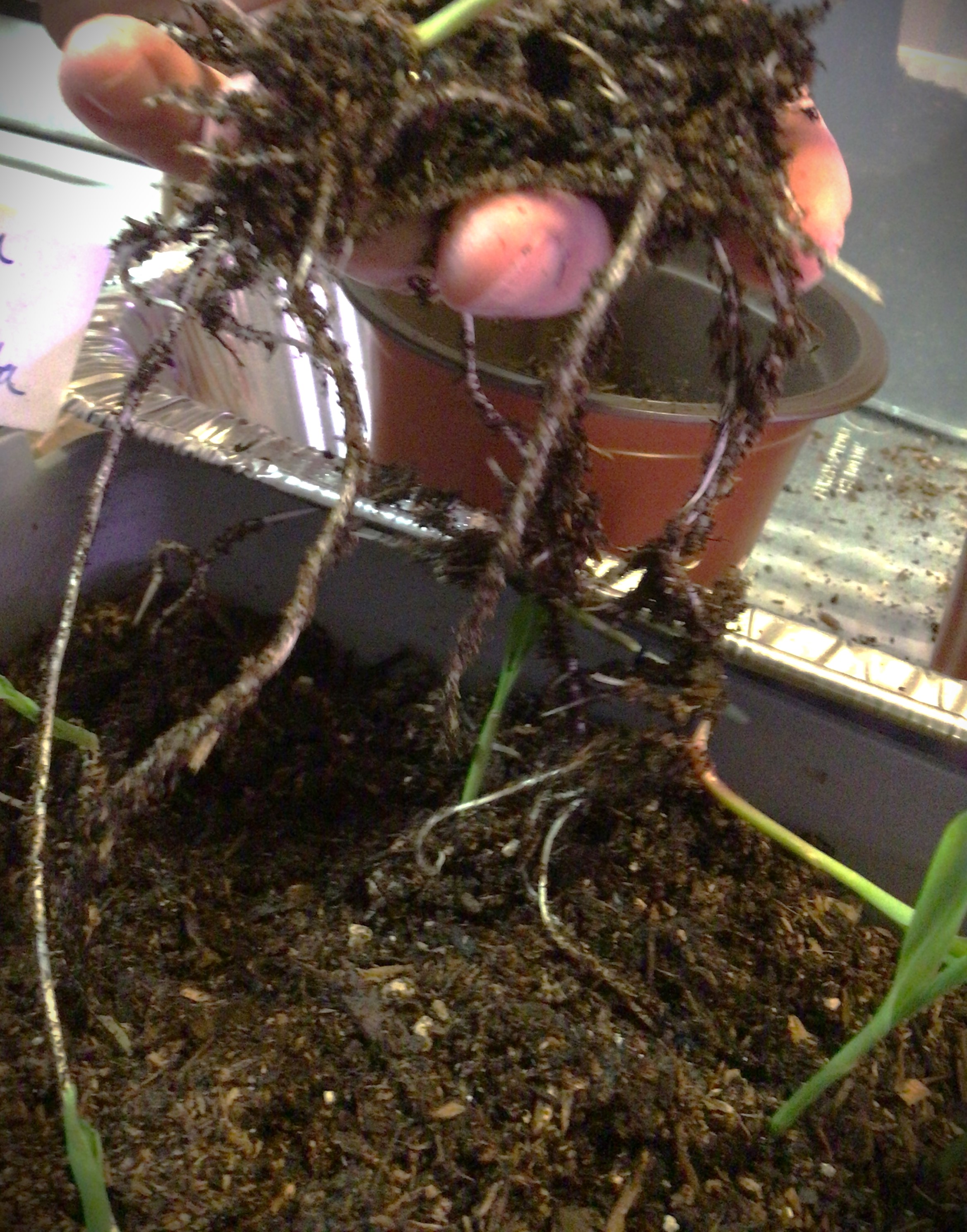
The corn on the other hand, I’m finding that their root system has vastly out performed in growth in comparison to the sunflowers.

Ok, I have to pause here and say that I was blown away with this root system growth, because I’ve uprooted my corn at the end of the seasons that I’ve grown it, and my direct sow root systems were maybe a handful at the end of a season.

So here I have three seedlings in my hand and their main roots were already trying to wrap around the smaller ones that I didn’t want to bring out yet. These ones needed massaging already to separate. Originally I was going to put three seedlings in the pot, just like the sunflowers. But I still have frost going strong and I need more time in the pots. So I’m only putting two seedlings in the pot so that I can maximize root growth now.

Even with the fact that these roots are already large, they’re definitely going to fill the pot before it’s time to plant. So a weekly diluted spray of fertilizer is going to be necessary to keep these starts healthy and not eat through all the nutrients in the soil before it’s time for the roots to get adjusted to their new home in their final resting place of my garden bed.

I’m actually looking forward to seeing how these starts perform this year, because a few years ago I always bought corn starts and so many were crammed pack together in a pot of equal size. Those corns always underperformed.

But that’s the beauty of growing your own starts. You can do things differently.

If you talk with anyone who pour their lives into perennial plants, you will always hear them talk about their success comes from healthy root system. If perennial plants grow healthy with focus on their season of root growth (during the winter), it really makes sense that annual plants really benefit from root growth as well. Yes, their life span is short. But if you’re looking to get a good return, in the form of produce, attention to root growth is necessary. If a plant has a healthy root system, their rest of the plant is going to be healthy too.

Here’s the new home of these sunflowers and corn. I have a whole lot more starts to repot. Some will be repotted into different size pots, and some in different composites. I’m currently experimenting for what’s going to work best for my garden and me. Just like not all parents share the same parenting style, neither to plant parents (or gardeners). Our soil isn’t the same. Our touch and interaction with plants aren’t either.

As I leave you today, I just want to let you know that it’s okay if your garden didn’t do well last year. It could have been the fault of the weather. It could have been the seeds, starts, or root health of the plant. It could be a combination of so many things. But I want you to know that you are empowered to do things differently. There’s not one set way of doing things successfully with your garden. You really do have your own science experiment that you perform each year, because the variables will change. Last year my changing variable was the weather. And I learned a lot. A LOT.

This year I choose to do things differently to see what happens differently. I’m pushing through more seeds than I have in the past. But I’m also growing out my long maturity plants so they have more time. I’m choosing to thin the least healthy starts even before they go into the ground and maximizing the use of my small garden.

How are you doing your garden different this year?

Advertisements

Processing…
Success! You're on the list.

Leave a comment

Advertisements
Advertisements

Words That Last

I’m coming up on the end of my first season coaching basketball and I couldn’t let this moment pass without sharing some of what I’ve learned. And also share the thoughts that I wished I could have talked with my dad about.

Before I can share what I’ve learned I have to go further back. (And we get there, I’m sharing the photos of the craft that I made for my basketball boys. Directions to make this, or an alternate, are below.)

My dad was my first coach, my most favorite one. But he didn’t become a good coach on his own. He learned from one of the best, Coach Carter. He wasn’t one of the really blessed to play directly under the amazing wisdom of Coach Carter, but he was able to attend some of the basketball clinics that Coach put on for other young men. There were only select memories that my dad shared with me from his youth, but this season of his life he was very proud to pass on.

Even without the stories, I would have seen the fingerprint of Coach Carter on my dad. It wasn’t just playing Basketball in its purest form. More importantly, Coach Carter taught my dad how to value even the weakest and overlooked player on the team. For Coach Carter and my dad, there were no bench warmers. If you were on the team, you had a role to play on the court.

The most profound thing about this way of thinking is to watch over the years about how this shaped young men’s lives.

Once I went into Junior High (Middle School by today’s terminology) my dad was no longer my coach. He tried, but there were no openings. But he was able to get position as a boy’s team coach. Fortunately for me, the boys and girls teams played in different seasons. So even though I didn’t get to play on my dad’s teams, I gave up my free time to help my dad run his practices. Yes there were looks when I tried to help out boys my age during practice. That meant I ended up being a silent assistant.

While I did feel the sting of rejection about not having my knowledge accepted because I was a girl, I pivoted away from that and just learned more from my dad. I kept going to practices. I kept chasing balls and running drills. I wasn’t going to be shut out from something that was a part of me.

It took two seasons before I got to see the difference that a coaching style can make on the health of a team. The varsity coach was good, but he never had with his boys what my dad had with his junior varsity boys. On the varsity team the weakest player saw the least amount of playing time. Often times, those players were unsatisfied and felt rejected even by their own team member because they were the weakest link.

That wasn’t the case with my dad’s team. I watched the more skilled players still groan at the weakest links. But my dad refused to give up on them. He knew that he could make them better. And he did. The whole team had to work as a team, there was no exception. He gave more one on one attention to the weaker players. It was an investment. And it paid off.

There was one young man who wanted to quit the team because he knew he was the weakest link. But dad refused to give him an out. He helped him through his head space and built him up, until he could find self value. And once that young man found his self value, the team also valued him. To be fair, the team saw the potential in him before he saw it in himself.

What made that happen?

A coach who refused to give up on one of his boys. He kept calling out all the positive. Dad could see it deep down in him. After a little time, the rest of the team saw the skills deep down in him as well. They rallied behind him, encouraged, and cheered him on. With all this encouragement from his coach and team mates, the young man saw in himself what others saw in him. And he had a breakthrough that I hope has had lifelong results.

Advertisements

There was one other memory, of my dad’s coaching, that has stuck with me all these years.

One of my dad’s strong players transferred to a new school and he earned a place on the varsity team! We were so excited for him. And even though he didn’t have to do it, daddy rallied the whole team together and we all went to watch this young man play in a varsity game. It meant the world to him. His basketball family was in the audience cheering him on.

The problem was that the coach had a different philosophy in coaching. I won’t go into the details of that game. But afterward, we rallied behind our family and dad spoke one more time into his life. I don’t remember the words that dad said. But I do remember watching a young man buried under the weight of shame and disappointment. When dad was finished he was able to once again smile and hold his head up.

This was my Coach.

This is the type of coach that I want to be.

Back in January I welcomed my first team, 1st and 2nd grade boys.

From my own teaching experience I know that kids always perform better when you aim for the moon and allow them the space to pick up as much skill as they can on their own. For one, there’s always at least one kid who has higher skills than the rest of the team/group. If they’re not challenged, they can cause problems or they give up. The kids with the least skill sometimes feel overwhelmed by everything presented to them, but they don’t know that they can’t learn any of this. With the right teacher, a kid can learn anything because the adult believe that they can.

My first day of coaching, I didn’t know what I wanted to teach because my knowledge is strategizing at the middle school and high school level. So I opted out with teaching basketball terms and positions. None of these things were on the list or rules for this age group. But I didn’t want to coach at this age group. I didn’t want to dummy down this beautiful sport. I wanted the boys to be challenged and love the game that I grew up loving.

What was interesting was watching the parents during that first practice. Normally parents sit on the sidelines and talk or get caught up on work or personal items on their phone. Instead, I had the parent’s attention as well. Afterward, my husband told me that the parents were commenting that they were exciting because their kids were going to actually learn something this year.

This season I exposed them to using both hands, layups, screening, positions and a few other things. The point was never to get them to be proficient. I knew they wouldn’t. My whole goal was to get them to train their bodies in what it feels like to do certain skills. And in several years time, when it’s time for them to join a team that they have to try out for, and it matters, the skills that will be demanded of them at that point will already have a seed planted in them now. I took this year to set them up for success for another coach in the future.

Advertisements

But what I didn’t think I would have to encounter this early is the whole issue of the boys already picking out who were the skilled players and who should be treated as bench warmers. As a Parks and Rec team, everyone is supposed to have the same amount of play time–which is how I think it should be anyway. But the boys took it in their own hands, during games, to pass to the strong players only.

And this was where I wish my dad were still here to tell me how he got his team to be unified as a team. This isn’t something that all coaches know how to navigate and do it well. But my dad did. My only clues are what I have in my memories, but it doesn’t share light on his thoughts or capitalize on what he tried that went wrong.

If anyone is wondering about the answer to this issue, so far my best results have come from just the simple foundation of having a relationship with the boys. The fact that they feel valued makes it easier for them to see the team weaknesses (we own it all together instead of singling someone out) and problem solve. And giving them the options to problem solve gives them ownership of the team.

I’m sad that I’m losing a few boys next year. But I’m excited to look forward to having the boys request to be on my team again next year.

There’s no guarantee that I’ll get them back next year. All that I have is this moment in time.

So as a parting gift, I’m passing on a tradition from my parents.

Whenever dad coached out teams, my mom always crafted something that everyone got to take home. (I grew up in a generation where trophies were given to celebrate a few players. And only everyone took a trophy home when the team had a winning season.) One year mom made a felt pennant with the team name on it. (I still have it in a memory box.)

For my boys, I made stickers through the season, marking new skills that the boys learned. On the front of the chalkboard wall hang, the boys can keep their stickers like boy scouts badges. On the back I’m leaving a final message for the boys that they can look back on and see that they have had a coach in their corner. My goal is that no matter who coaches the boys in the future, they continually have a voice in their head cheering them on.

The perfect thing about this project is that it isn’t something that is just sports related. I know some teachers who give their students and end of the year present. Also, as a parting word to their students as they move on past their class room.

If this is something you would like to make for a child in your life, here is what I did.

What you Need:

  • 6″ x 6″ Square Chalk Board (I found these ones at the Dollar Store)
  • Decorative Duct Tape (I found this holographic red at the Dollar Store in the Automotive aisle)
  • Black Chalk Paint
  • Permanent Vinyl
  • White Acrylic Paint Pen
  • Transfer Tape
  • Scissors
  • Paintbrush
  1. Paint the sides and back of the chalk board black (or any other color of choice).
  2. Apply the Decorative Duct Tape. The width of the tape covers the front, top, and top half of the back boarder. You can apply another strip of tape that I did or paint all the way up the back of the board.
  3. On the front of the chalk board place your decorative elements. (In this instance, I did the team name and season year.)
  4. On the back you can write your encouraging message. ( I also added the boy’s name so that they knew it was a message specific for them and not shared with the rest of the team.)

There are so many ways to make alternates of this.

  • You can mod podge on photographs on the front or back.
  • Have young children make a mother’s day painting.
  • Attach miniature clothes pins.
  • Attach metal strip on the top, bottom, or side to make a partial magnetic feature

If you are privledged to have children under your influence so that you can pour life into them, I hope that you are inspired by this project. A gift with modest materials can be transformed to be uplifting for years to come!


If you are a basket ball coach and are looking for stickers that you can make and pass on to your players, check out these designs!

Processing…
Success! You're on the list.

Leave a comment