Getting Buzzy For Spring

There’s one skill that I’ve wanted to learn from a friend of mine, incorporating mason bees into my garden.

Here in North America, mason bees are the indigenous bee. They pollinate 45 times more than honey bees. And if you have young children, you don’t have to worry about there being an altercation and your child (or pet) from being stung. (We’ve been teaching our kiddos about bees because one day I want to have honey bees for honey production. So they already know what’s expected of them when it comes to our pollinating friends.)

I can’t even begin how excited I was when I received an email from a family locally owned hardware store that they were doing a craft for Earth Day, which involved making a home for mason bees.

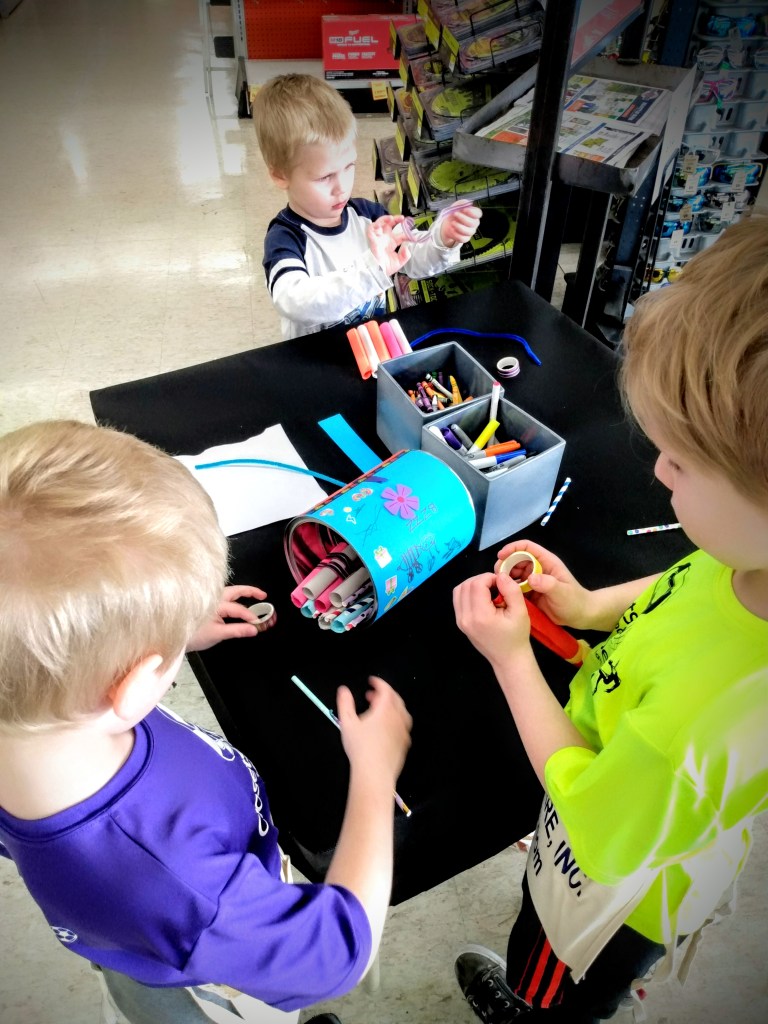
Today I’m sharing with you the process that my kiddos went through to make a home for mason bees.

We were instructed to bring a soup can or cardboard milk container. The hardware store supplied the craft materials to decorate and make the bee home.

All my milk cartons still had milk in them and I haven’t bout soup in a can for well over a year now. What I did have available was an empty ten pound can. So if you don’t have a small can, know that it’s possible to make a home with a larger can.

Things you will need:

(Feel free to modify with the materials that you have on hand.)

  • Milk carton or soup can
  • Construction paper (printer paper, non-toxic colored paper, recycled paper, whatever you have on hand)
  • Tape
  • Straws
  • Cardboard tubes: toilet paper or paper towel (optional)
  • Corrugated cardboard (optional)
  • Scissors
  • Glue
  • Stickers (optional)
  • Twine
  • Pens, crayons, or other decorating medium (optional)
Advertisements

If this is a kid’s project you’re setting up for, cut all rolled paper and straws to the length that fits from the back of the soup can to the front.

You can even prep other materials for your bee house. If you have scrap blocks of wood, you can several holes through the block.

I don’t know what you have in surplus in your craft room. But I have many wine corks that have been waiting for just the right project. When I get a free afternoon, I’ll make an adult version with rolled cardboard, drilled scrap wood blocks, and my collection of wine corks that will also be drilled.

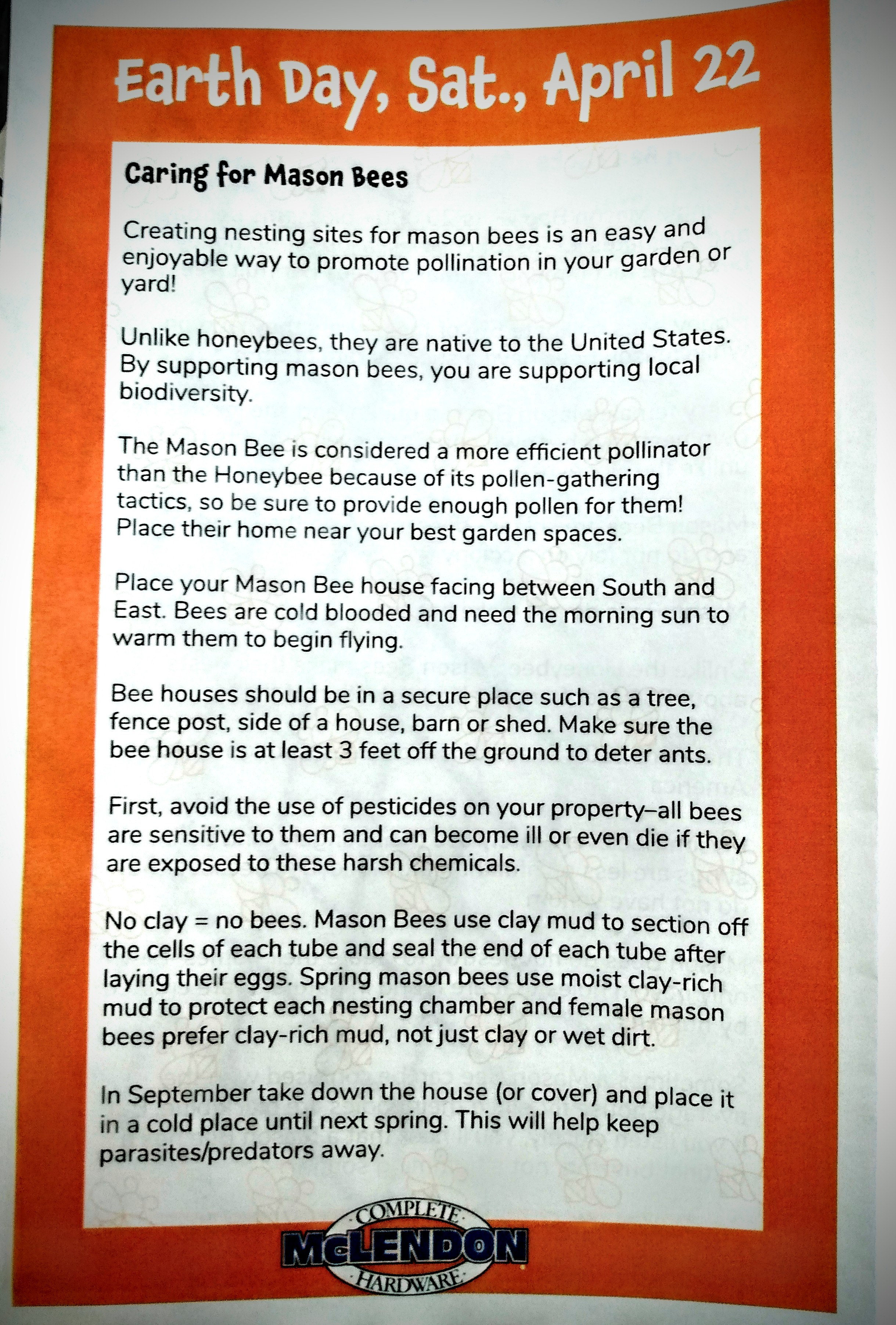
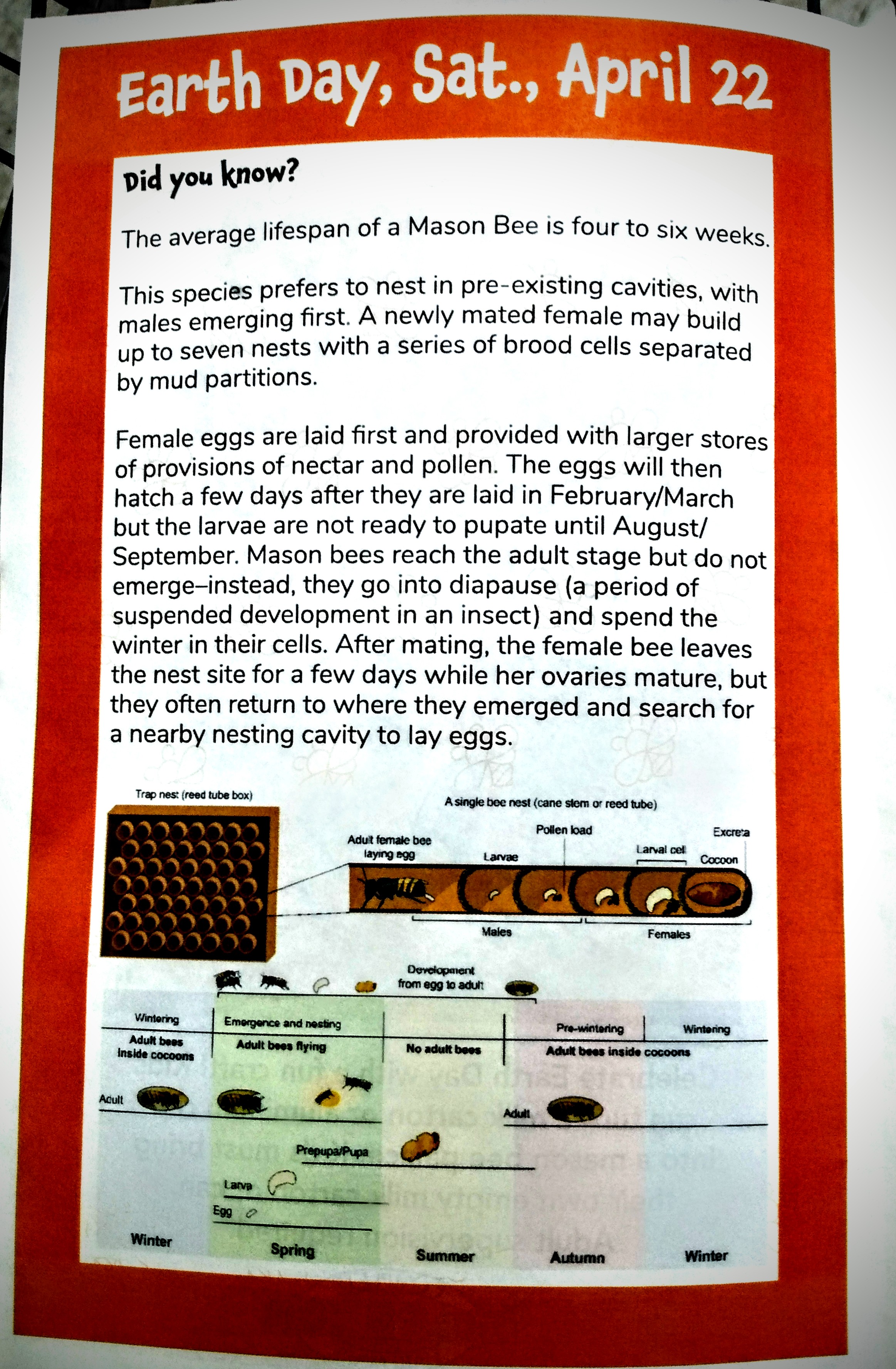
Here are some additional bits of information about mason bees, if you are unfamiliar with them.
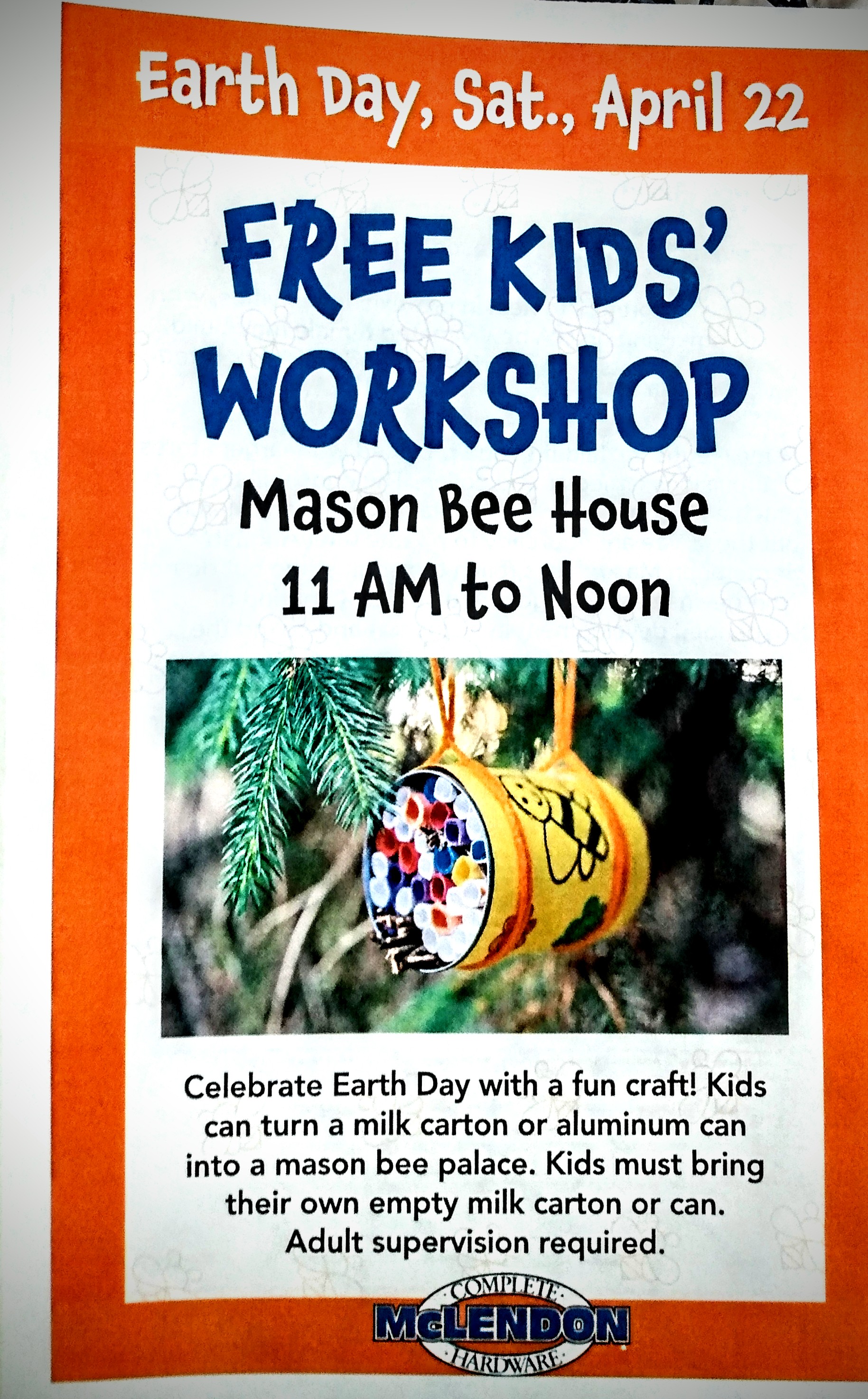
Here is another resource to get you started on your path for creating a home for mason bees. If you want to buy mason bees to start your bee colony, I found this site which is still selling until May 22, 2023. They have a bee info page that can instruct you in how to care for mason bees to make sure that they remain healthy and happy.

If you’ve watched the movie The Pollinators (2020), then you understand the need to help support our local pollinating community. If you haven’t seen this documentary yet, it’s worth the time to understand what it going on with the bee population in the United States. And if it’s happening here, it’s very likely happening in other places.

Last year (2022) was a bad growing season in the Pacific Northwest (PNW). To this day I still believe with my whole heart that the bees were what made my garden successful, when others in my local community found only hardship. So for my gratitude, I already planned on adding more flowers to my garden as well as being a more hospitable home for my pollinators. With that being said, I will leave you with the pictures of my family. And once the weather clears, I’m going to examine closely where our best place of hanging this mason bee home is going to go.
Happy Earth Day!

Processing…
Success! You're on the list.

Leave a comment

Advertisements
Advertisements

Saving Seeds

I know this isn’t talked about in early spring, because the focus is putting seeds in the focus is on planning and putting into ground right now. BUT….

Here’s my garden right now. Even before the seeds go in the ground, I still have seeds that are preparing to be ready to harvest.

Talking with others who are expanding their seed saving skills, they haven’t yet experienced saving seeds from the Brassica family (cabbage, kale, cauliflower, broccoli and others). One reason for this is most likely because we grew up being told to clear out garden beds at the end of the year. But for gathering these seeds, you need to leave the plant in the ground after you’ve harvested.

In previous years, I harvested cabbage in the spring after the pods have formed and dried. But when I let this bed go fallow, I left the cabbage in for a second year. Mainly it was to see what the life cycle of cabbage looks like after I’ve long pulled mine.

Advertisements

In the second year with cabbage, any additional heads that grow are much smaller than the original year (for growing purposely, definitely not the best use of garden space). What I hadn’t counted on was a second gathering of seeds.

Why might you consider these seeds?

The general rule of thumb is that you save the seeds from successful plants–the biggest and best. But as I said, this second year cabbage didn’t really produce heads of quality in the second year.

Seeds are the memory of the plant.

The seeds of this second year cabbage not only contain the memory of the first year head growth AND it remembers the bad growing season this past year (unseasonably cold and wet that made me question if I’d grow anything).

Originally I wasn’t going to save these second year seeds because the potential passing on of tiny cabbage heads is not what I’m looking for. However the seeds do contain the memory of surviving through an uncharacteristic cold year.

So after going back and forth on what I’m going to do, I’ve decided to keep these seeds. I’m going to perform a comparison of first and second year seeds to see what the difference in performance will be.

This will be a future post since the seeds are not ready to do the comparison this year.

Advertisements

What is the life cycle of Brassica and their seeds?

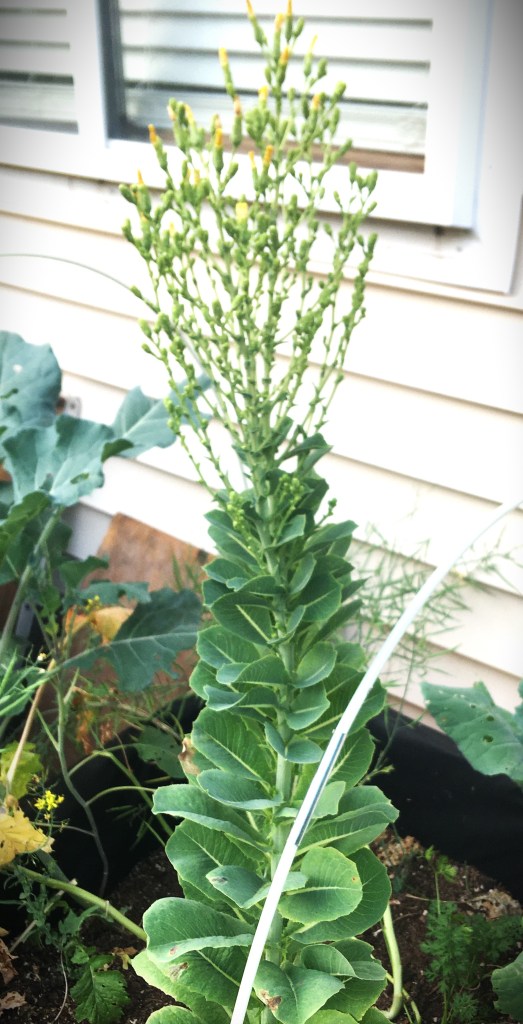
Whether you’ve allowed your Brassica family plants go to seed or they just bolted on you when the heat of summer came, you may have seen something like this:

This was one of my rapini that bolted on me. The first thing that you see is the bolt.

Next, the flowers (which form the seed pods) grow for pollination. While there are still flowers you will see some of the seed pods developing.

Out of all the plants that I’ve collected seeds from, I think the Brassica family is the one that I’m most impatient with. I don’t know if it’s just my grow zone or everyone starts tapping their toe asking their plant, “Are you done yet?”

These pods remind me so much of beans. And I honestly expected them to bulge out more than you see above. But this is what the end of the seed maturing stage looks like, immature beans. Even though these pods are fully grown, they still aren’t done yet. They will turn beige.

Everyone I’ve heard always described them to turn brown. I translated that to mean that they would darken. But the first time that I saved these seeds, they started bursting open when they were beige in color. So once you start seeing the green fade from these pods, you know it’s almost time to pull the plant and collect the seeds.

What you are waiting for is the pod to turn papery dry. If you go out each day to check on your seed pods, you will get the feel for it when you see the first one pop open. The pod will look very much like this threaded hook:

Do you see how the center of this hook has a frame and then there is negative space?

Theseed pods of Brassica have the exact same structure. There is this frame like structure with negative space in the middle.

When the pod bursts, it’s the dry skin that cracks open and falls away. The seeds live in this center portion of the frame. So when the pods open, the seeds fall out and the frame remains on the Brassica stem.

The goal is to catch your Brassica with fully mature branches, dry beige skin, before they release their seeds. Once you accomplish this, you cut the branches off or uproot the whole plant.

If you can’t open a pod by rubbing it between your fingers, you will want to hang your branches/plant upside down in a cool dry place. This can take a week or two. But the pods will crumble.
Advertisements

Removing the Seeds from the Pod

Once the seeds opened in my hand, I chose to put the branches into a pillow case and tie off the open end. Then I gave the pillow case to my kiddos and told them to hit the pillow case against the deck!

This was perfect timing for this project because my kiddos were at each other and I couldn’t keep them from hitting each other. So I gave them an alternate action of being aggressive. After each one had a turn, the pods had all broken open and the seeds were all released inside the pillow case.

To separate out the seed from the chaff (stems and pods), I just used the traditional method of winnowing. I modified this by using a little modern convenience of a box fan on high speed. Because the chaff was so thoroughly dried out, they blew away with ease. And even though the seeds are small, they really do drop back down into the pillow case that I kept at the porch in front of my box fan.

Advertisements

If you want to see how this type of winnowing process is done, there are countless videos on YouTube. There are some that do this winnowing with Brassica seeds, but the majority is in relation to wheat and other grains. The process is the same. So whether you watch how grains or Brassica are winnowed, you will understand this process. There’s no need to invest in a winnowing box or other tool unless that is the path you want to go down. All you need is your seeds on a cloth and a wind source (whether natural or manufactured).

There’s no further step that you need to take in processing your seeds. Just store


Even though now is the time to plan and plant in your garden beds, I wanted to talk about saving Brassica seeds now. Where you plant your Brassica now for a spring crop, it will stay there for the rest of the growing season. And in some locations, it will need to overwinter to give your plant enough time to make its seeds and mature them.

This is a slow process. But it so worth it when you can grow hundreds upon hundreds of seeds in a single season and not be dependent on what’s available in future market sales.

What are your tips for saving Brassica seeds?

What other seeds do you save from your garden?

Processing…
Success! You're on the list.

4 responses to “Saving Seeds”

  1. Cary Avatar

    This post answered some questions I was having, thanks.

    Like

    1. Pacific Northwest Event Design Avatar

      I am so glad that I was able to help!

      Like

  2. Andre Avatar

    Love the unique perspective you bring to this topic.

    Like

    1. Pacific Northwest Event Design Avatar

      Thank you for reading! I hope you enjoy other posts as well.

      Like

Leave a comment

Advertisements
Advertisements

Quick Accent Piece

The one thing about approaching holidays is that you really get smacked in the face with everything that needs to be done.

Whether you’re decorating sideboards for an Easter get together or just looking for something quick that fits in a space as small as a window sill to add a little color before spring finally unfurls. This quick craft is for you.

What you need:

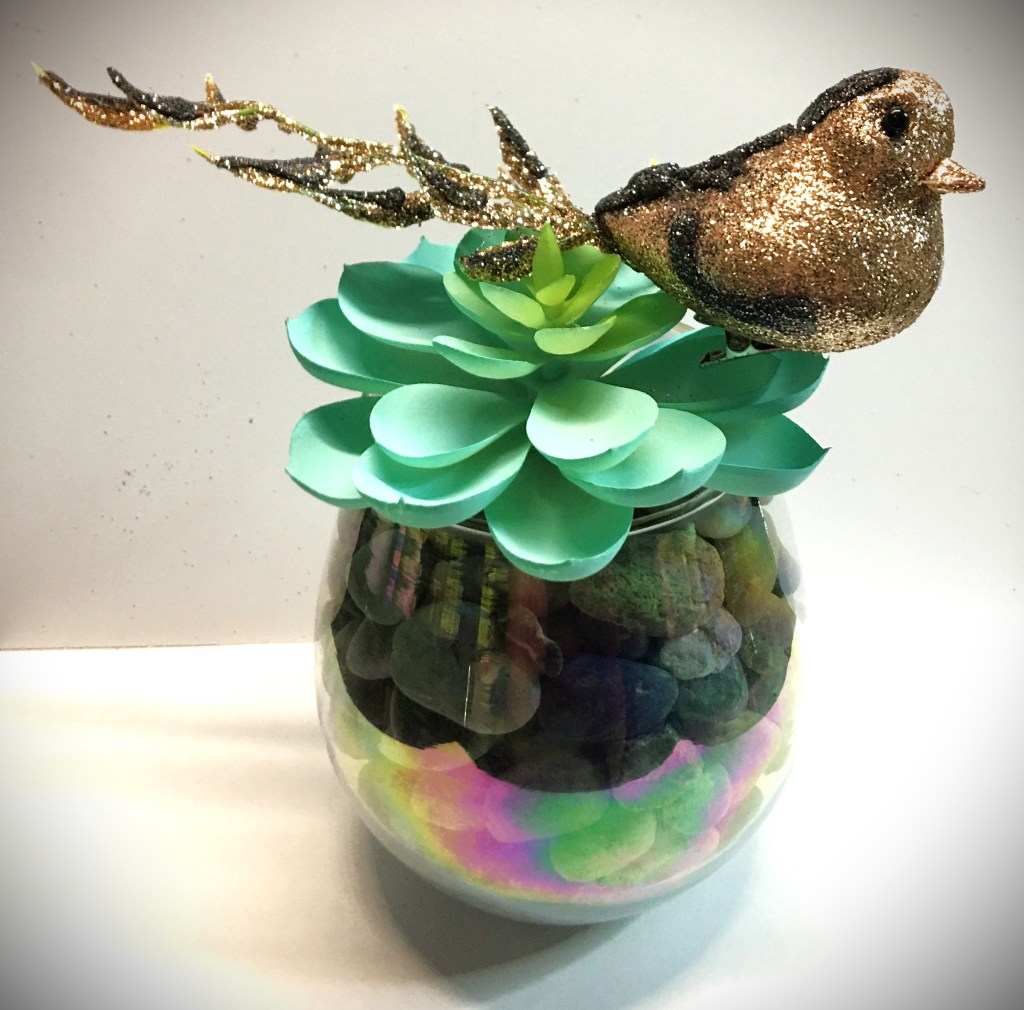
  • 1 Stemless Wine Glass
  • 1 Bag of stones 18 oz/794 g
  • 1 Faux Succulent
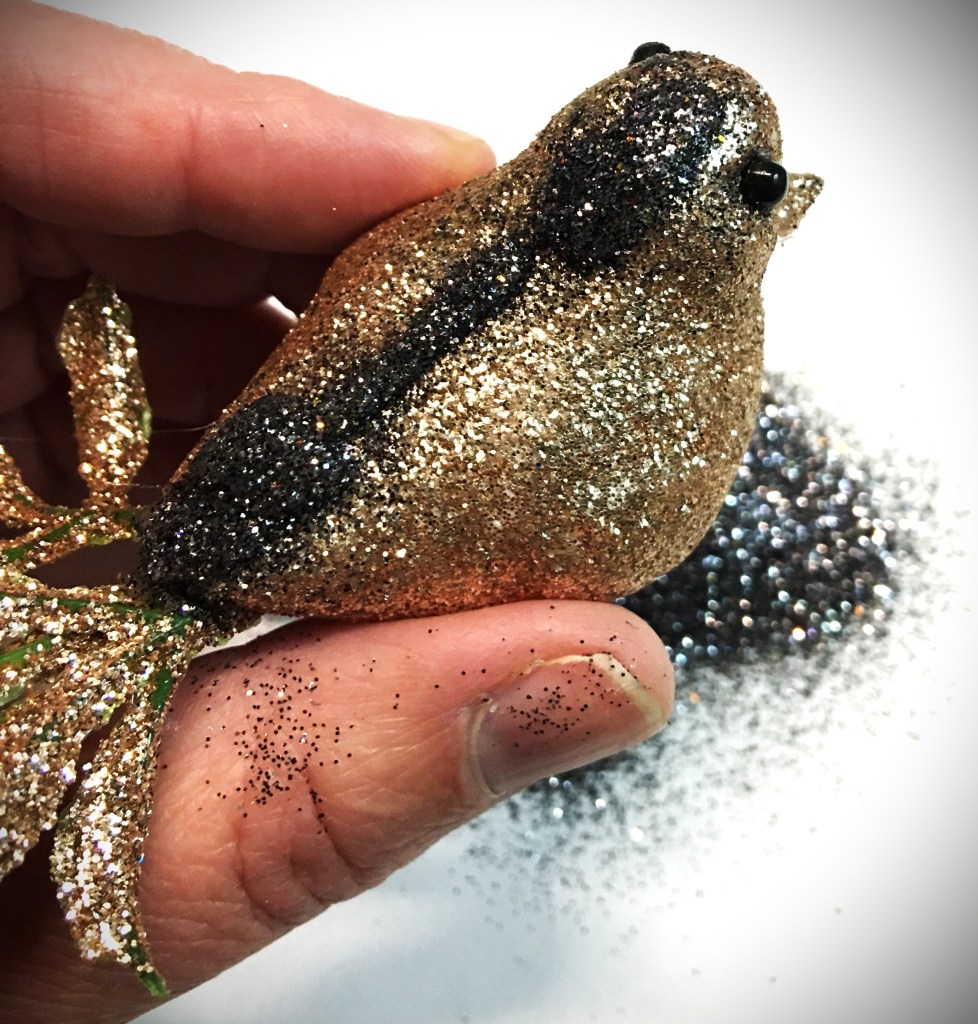
  • Any other accent piece that you would like to add (I chose a glittery bird)
  • Glue Gun
  • Accent Glitter

5 Minute Version

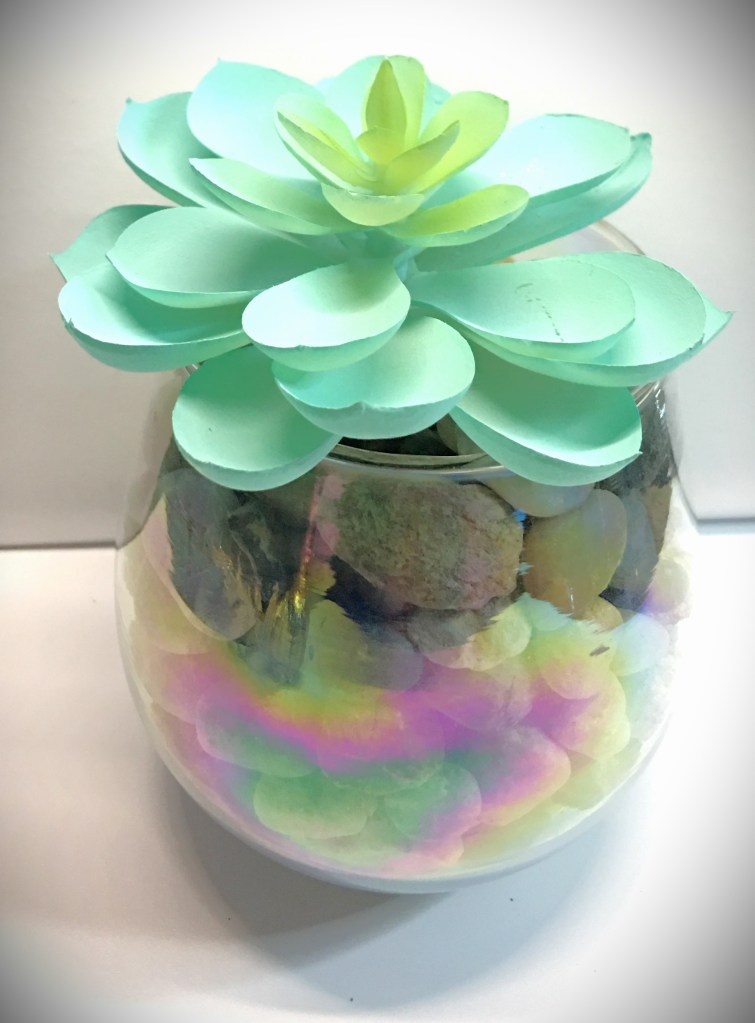
If you just want to toss something together, all you need is the glass, rocks, and succulent.

The succulent that I chose had a very thick stem. Because it was sturdy, I could pour the rocks in the glass and push the succulent stem into the rocks and moved on. (If the rocks have resistance, give the succulent stem a little swirl and it will sink right in.)

For whatever reason if the succulent just does not want to go into the rocks, never fear. Pour out the rocks with the exception of some in the bottom (or the level that you can easily push in the succulent). Then lift up the leaves on one side (and then the other) to add the stones in, around the stem.

Want to use real succulents?

You can do this using a real succulent of your choice. Make sure you verify if the succulent you want to use can life in rocks or if it needs cactus potting soil.

If your succulent needs soil, but you prefer the look of the rocks showing through the glass, you will need to take a little extra time layering the rocks outside and putting the soil in the center

Advertisements

Ten Minute Version

Follow the directions for the 5 minute version to get the glass filled and succulent set. The remaining time is dressing up accent piece that you are adding.

For example, the glitter bird that I’m using came from the dollar store and I wasn’t 100% satisfied with it. If I had feathers in my crafting room, I would have added feathers for the wings as well as the way it was set up with feathers on the tail. Unfortunately, I don’t keep feathers. So I needed to pull off the pink ones that came with the bird. The black eyes also seemed to stick out awkwardly. To remedy this, I grabbed my glue gun and black glitter and added glitter detail work to add dimension and character to the bird.


Thanks for spending a few minutes with me today. If you’re anything like me, you have a list as long as your arm to get done in less than 48 hours. My kiddos always look forward to a newly designed shirt. I haven’t got a fully developed idea for that yet. But I do have a spring edition ready to go dressing up some sock bottoms. They enjoyed the ones that I made for them for christmas. So I thought I would make a few more for them. You can check out sock designs here:

What are your Easter or Resurrection Sunday Traditions that you do with your family?

I’m always looking for new ideas!

Processing…
Success! You're on the list.

2 responses to “Quick Accent Piece”

  1. Naoma Avatar

    I truly enjoyed reading this article and learned some useful information. Thanks for sharing your insights with your readers.

    Like

    1. Pacific Northwest Event Design Avatar

      Thank you for reading and commenting. I love hearing from those who find me.

      Like

Leave a comment

Advertisements
Advertisements

More Than Arm Candy

I have to love my husband who loves to give practical gifts. Usually he stays away from gifting flowers because they last for a few days before they’re composted. However, there are so many uses for not just roses but other flowers as well. While I’m going to be talking about roses here, there are so many other flowers that can be used in the exact same way!

For those who are unaware, roses are edible. (Before you do eat rose petals, make sure that they haven’t been sprayed with chemicals, pesticides, insecticides, or anything else that is harmful to you.) Roses contain vitamins A & C, Niacin, Potassium, Iron, Calcium, and Phosphorus. Some places where you’ll find fresh petals are on a dessert/cake or in beverages such as teas.

Advertisements

It’s not just the petals that are usable to our bodies. Rose hips (the bulb at the bottom of bud, harvested at the end of the rose season from the rose bush) is used in the beauty industry and baby products for the benefits it has to the skin.

The benefits to the skin is the primary reason why I decided from this last bouquet of roses that was given to me that I was going to use the petals for my next batch of soap.

I started making soap because I’m not okay with all the chemicals that are being used in soaps in the commercial market. Other than using soap dyes (which I’ve had my tub and skin discolored from bath bombs and other products) the mission I’m on is finding natural dyes to color my soap. For pink soap, I’ve seen soap makers use dyes or French clay.

Now Calendula is a well known floral natural food grade colorant. For red/pink colorant, Beets can be used in food. But anyone who’s worked with beets knows that your skin and clothes can be discolored. So I wanted to find a different red/pink colorant for my soap that I can grow in my garden. So I came to roses.

Advertisements

How to Process Roses

There’s two easy ways of doing this.

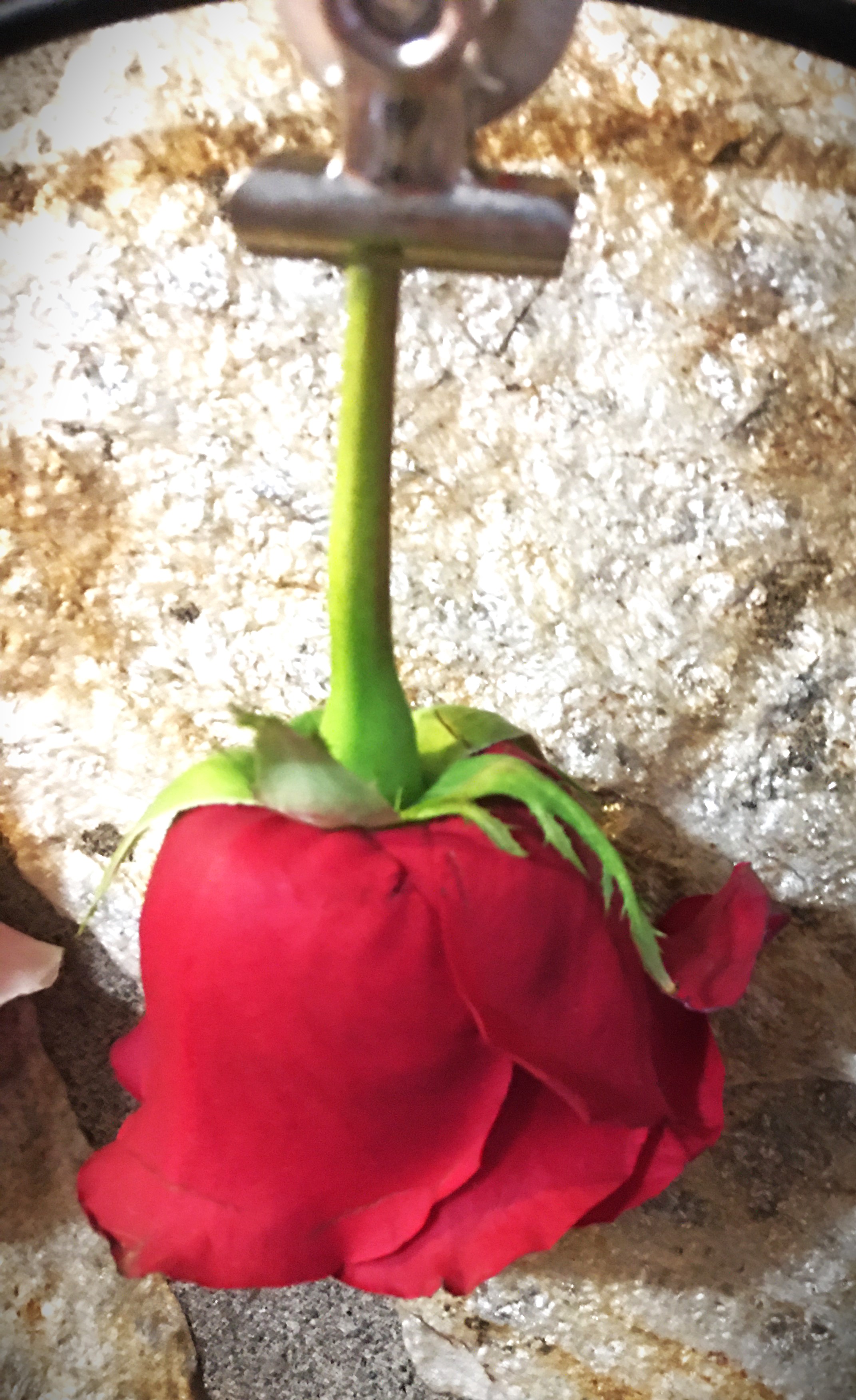
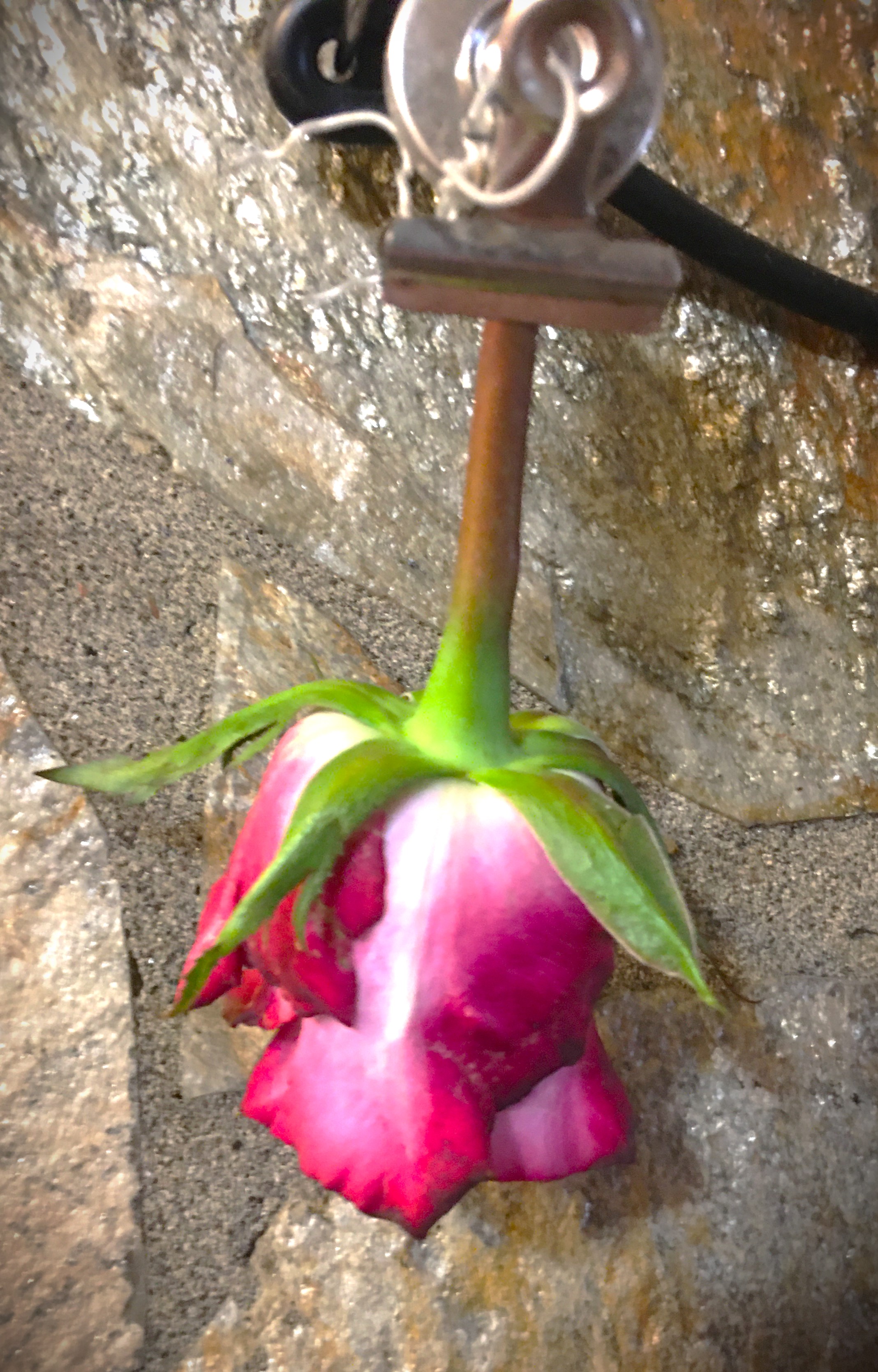
The first is to hang the roses upside down to slowly dry them out. The benefit of this method is that all the vitamins and natural compounds that our bodies benefit from are at a higher concentration when they are dried at a low temperature and slowly.

Ideally, the most benefit would come from using the petals fresh. And while it is possible to use fresh ingredients in soap making (I make orange colored soap using pumpkin puree), there’s no way of breaking down the petals for a smooth and consistent colorant unless you want to use a blender and puree it with the water content of your soap. While it’s not a bad idea, unless you grow roses year round (which I don’t) you have a limited supply due to the window of fresh flowers available. (This is the reason why dried petals are best for me.)

This drying method is slow and takes time. Also any white component will yellow as it dries out. This can affect your over all final color depending on which rose you use. With the red rose, not so much. But the other two, the tinge will be noticible.

So there’s the second method, using a dehydrator.

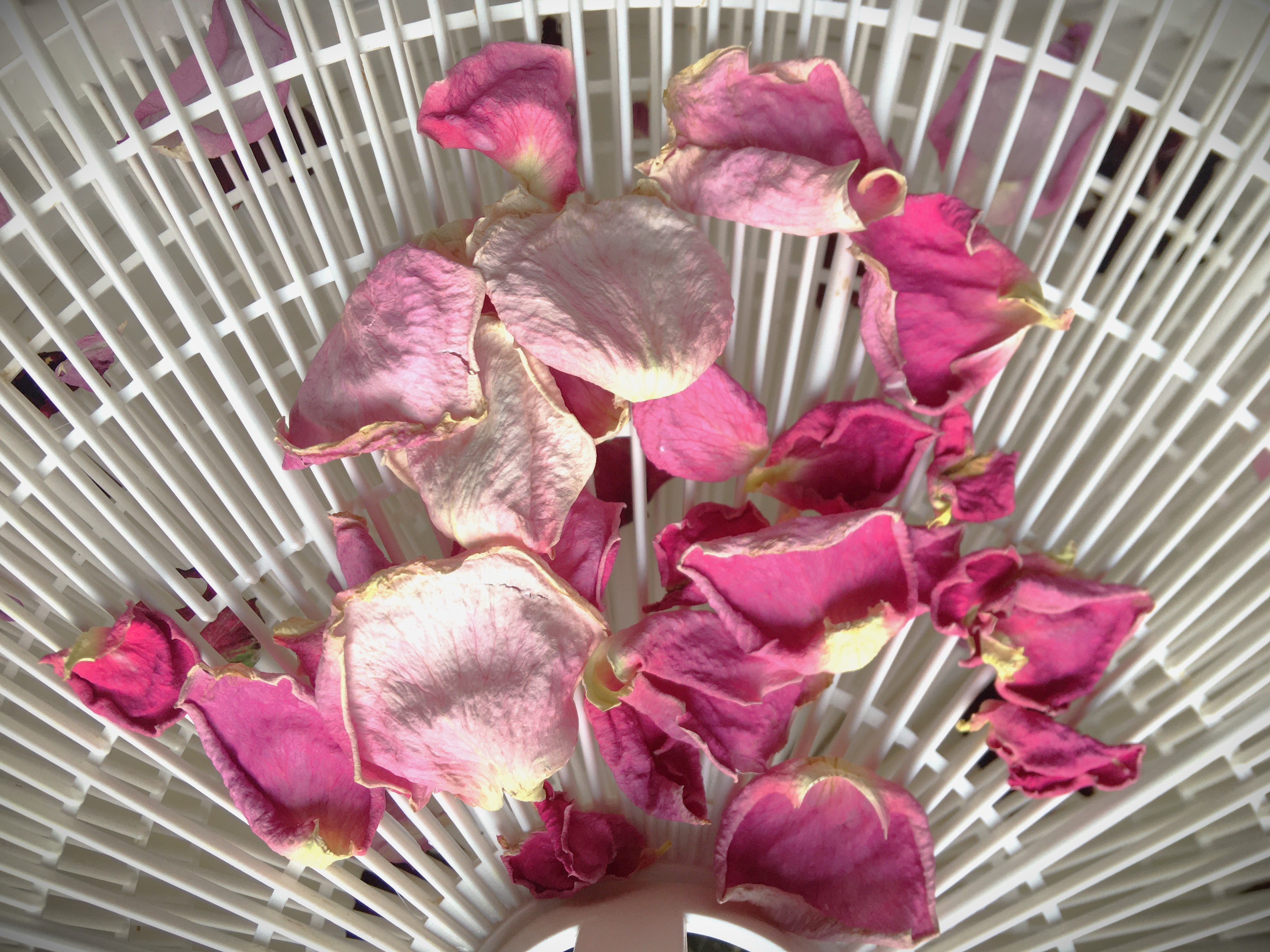
The benefit from using a dehydrator is that petals are finished drying in about 24 hours (at 90°F, the lowest setting on my dehydrator) and their colors are only affected by growing darker.

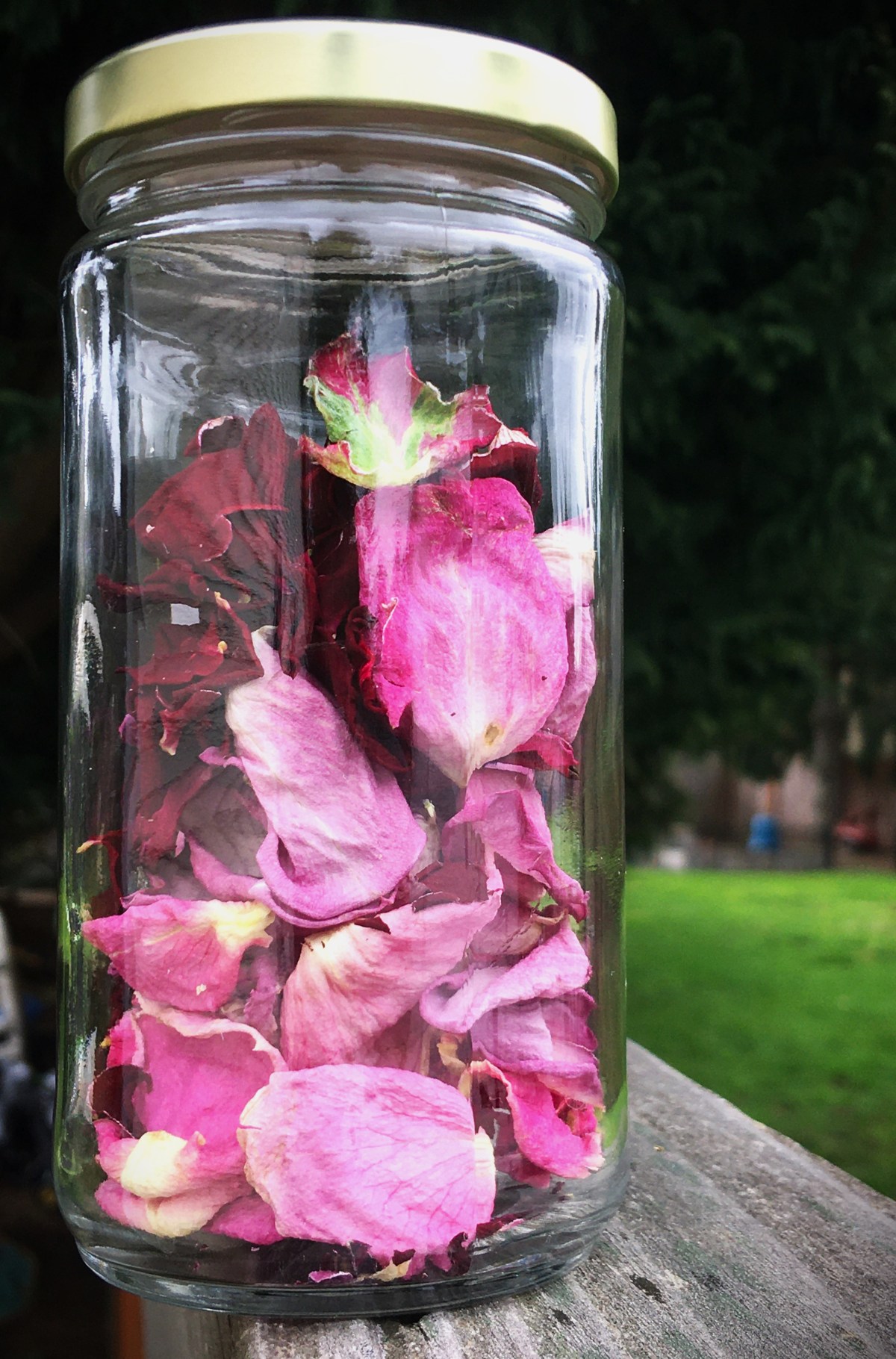
As you can see here, the white component on the pink flowers have not discolored too much. This is great because when I turn these petals to powders, I’ll retain a pink like quality.

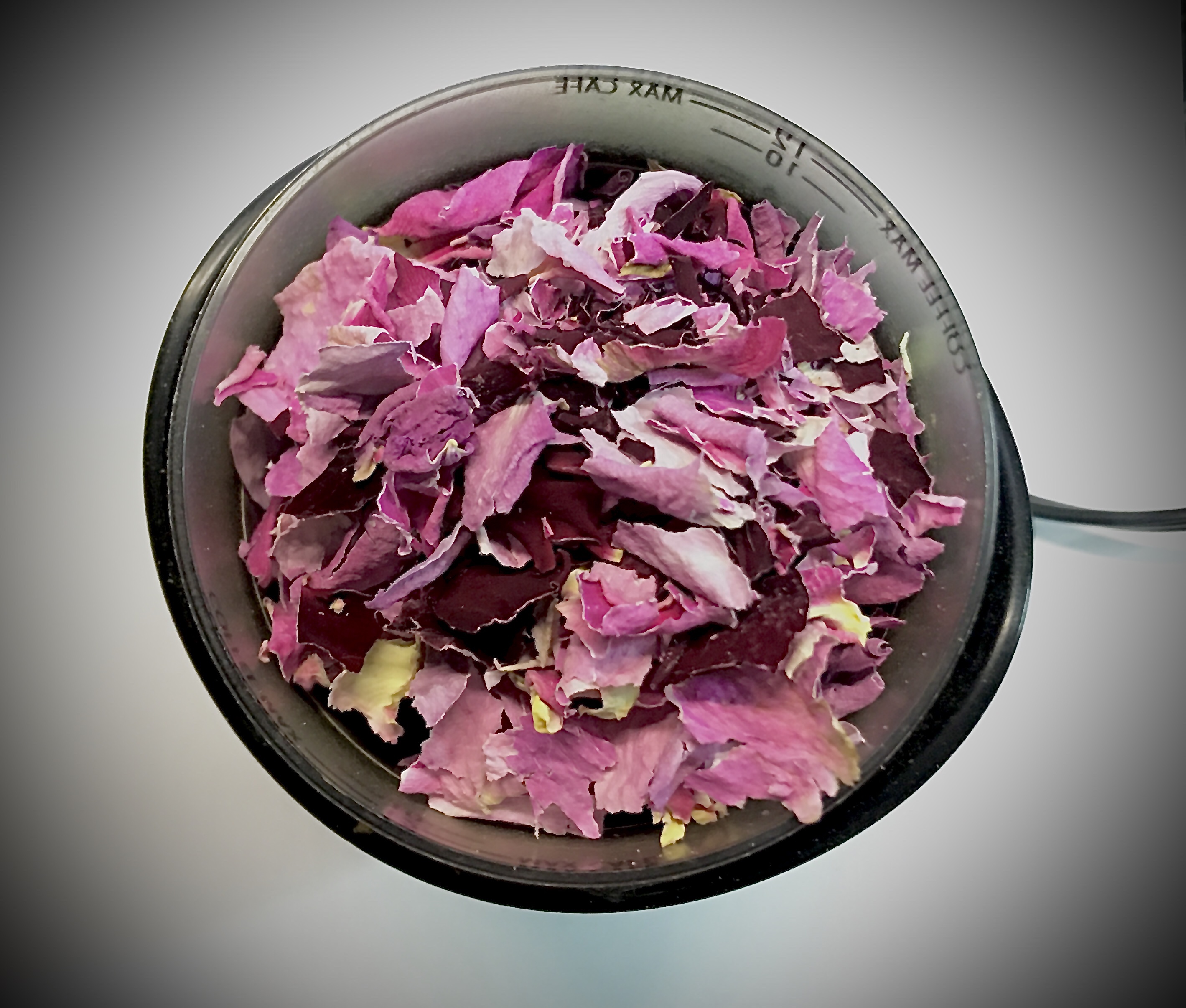
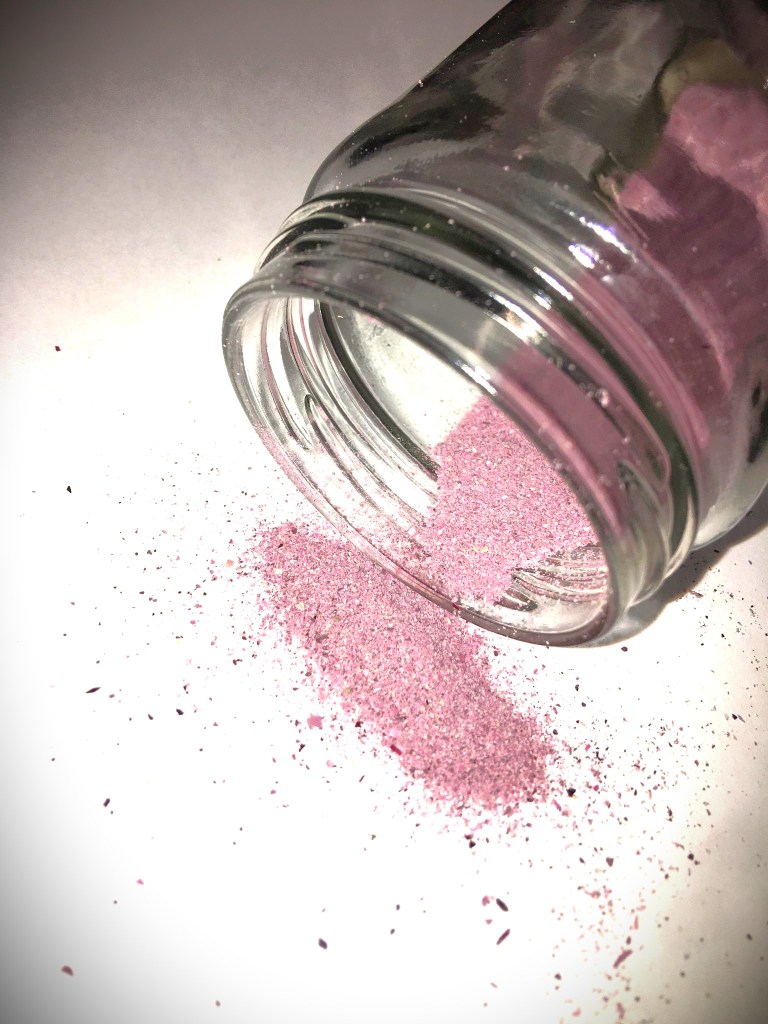
Before I move on to finishing these petals, I want to mention that if you want to make a natural confetti for cake decorations or throwing for a party/wedding celebration, all that you need to do is crush your dried petals by hand and store them in an air tight container (like a lidded glass jar) to prevent them from rehydrating due to humidity in the air.

As you can guess, with the fact that there were lavender inner petals on the second rose (the one with the variegated pink and white outer flowers), this is the reason why I blended in the red petals with the pink ones, to keep the pink and stop the transitiontoward purple (although I’m not opposed to purple soap.)

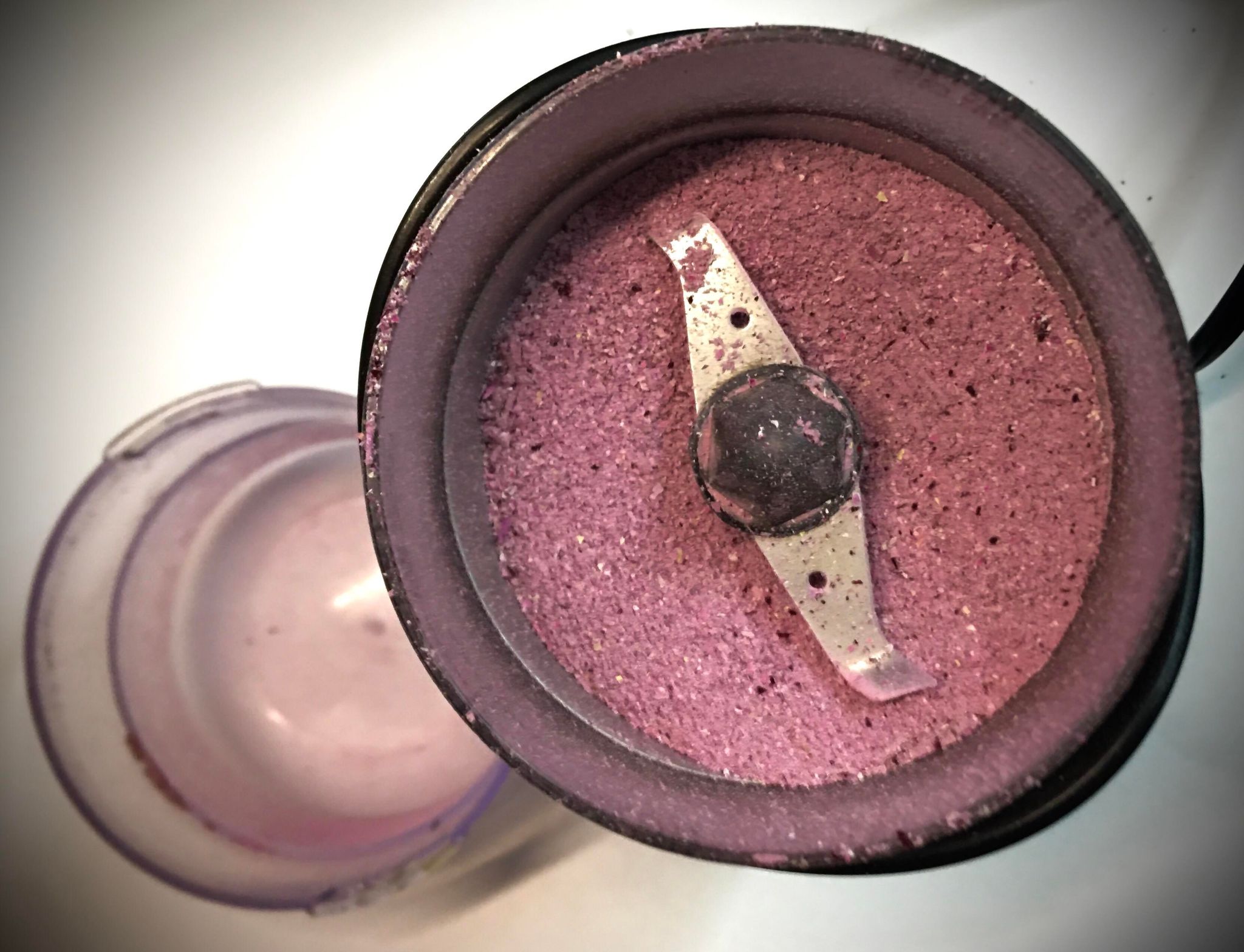
To make Rose Powder, all you need to do is put the crushed petals into a coffee or herb grinder and run it until you get the consistency that you are looking for. Because I’m looking to make a colorant for my soap and don’t want to have flower chunks in it, I took the powder down to a very fine grind.

The fun part about Rose Powder is that you’re not limited to use it as a natural dye or colorant. You could dust this on the icing of a confectionary dessert. If you want to make pink pasta, use this powder as part of your dry ingredients. Mix the powder with a sugar or salt and you have a pink sugar or salt rim to your favorite beverage.

No matter what celebration you have coming up, keep this idea in mind. If you want to dress put your Easter cup you can make a sugar rim using all sorts of different colored edible flowers. Calendula gives you yellow/orange, Violets blue/purple, Hibiscus yellow/orange/pink/blue/purple, there are so many other flowers. If you want to see a quick list of different edible flowers, here’s a jumping of point here.


What unique way do you use flowers?

Processing…
Success! You're on the list.

Leave a comment

Advertisements
Advertisements

Space Saving Spring Decor

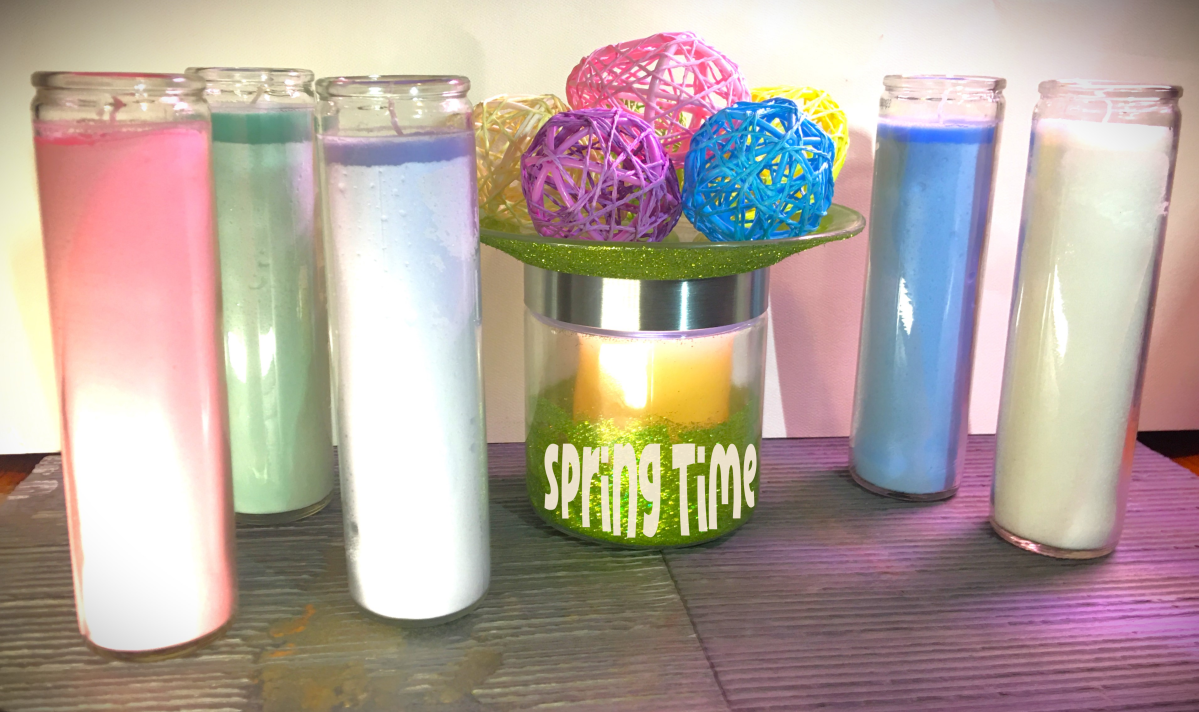
Depending on the space you’re looking to decorate for spring and Easter, you might find that you want a little sparkle in a small place. Maybe it’s a window ledge, a office desk corner, a mantel piece, or just a side table. This is something quick that you can put together and adds as much or little color as you like. The best part is that with the exception of glue drying time, you can have this project done in under an hour!

Materials Needed:

  • Clear Glass Salad Plate
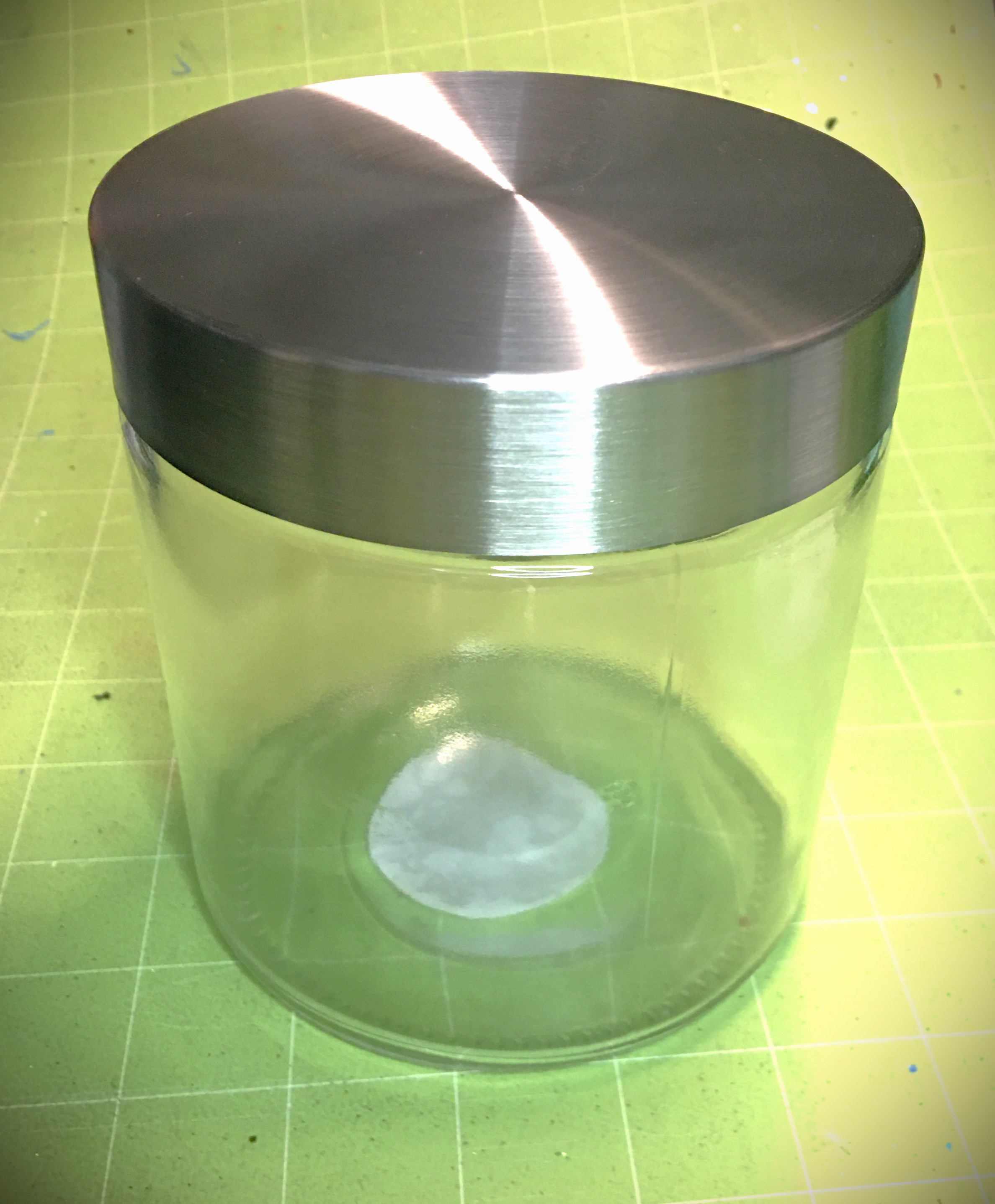
  • Clear Glass Cylinder Container (with lid)
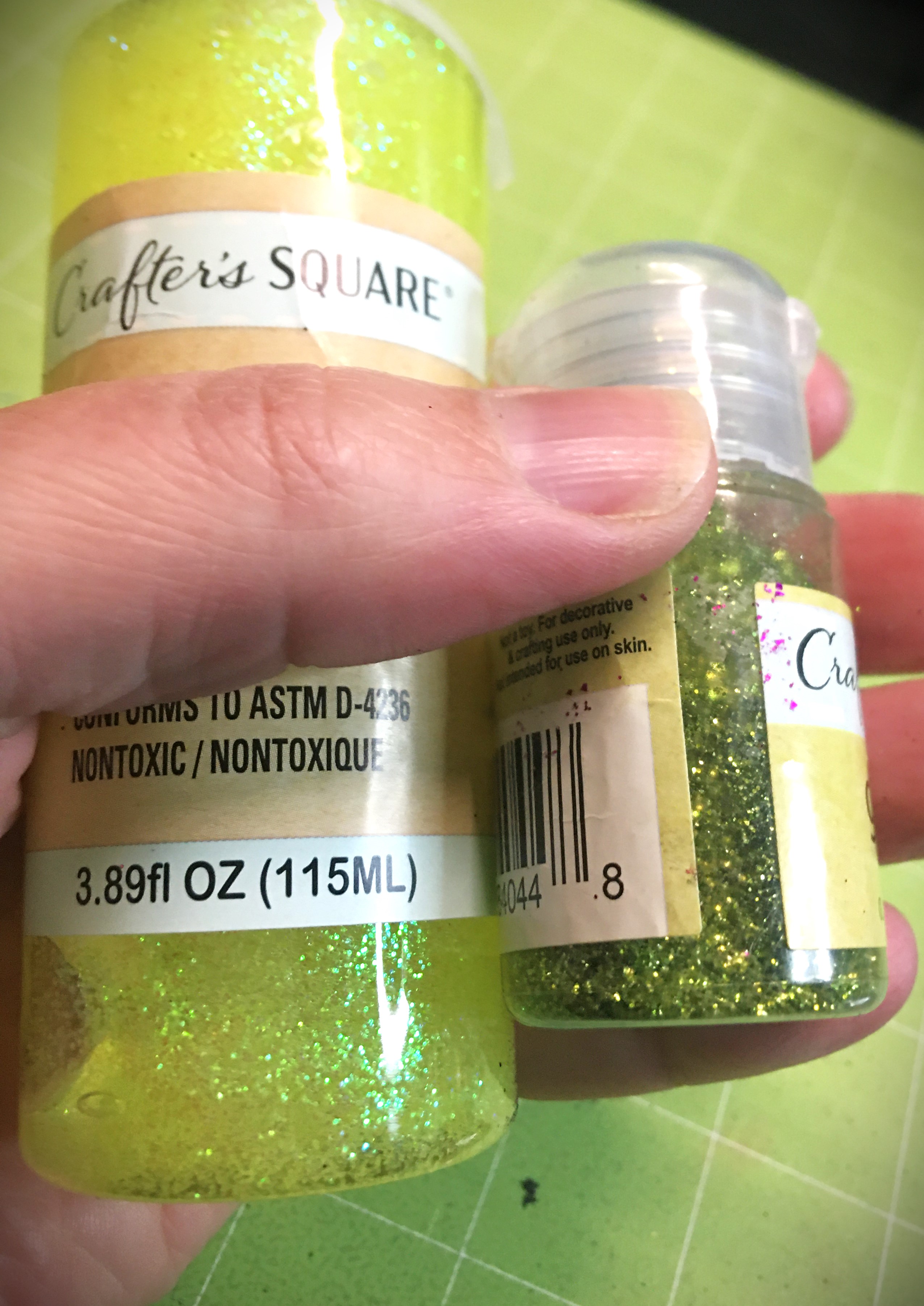
  • Glitter (color of choice)
  • Glitter Glue (complementary color)
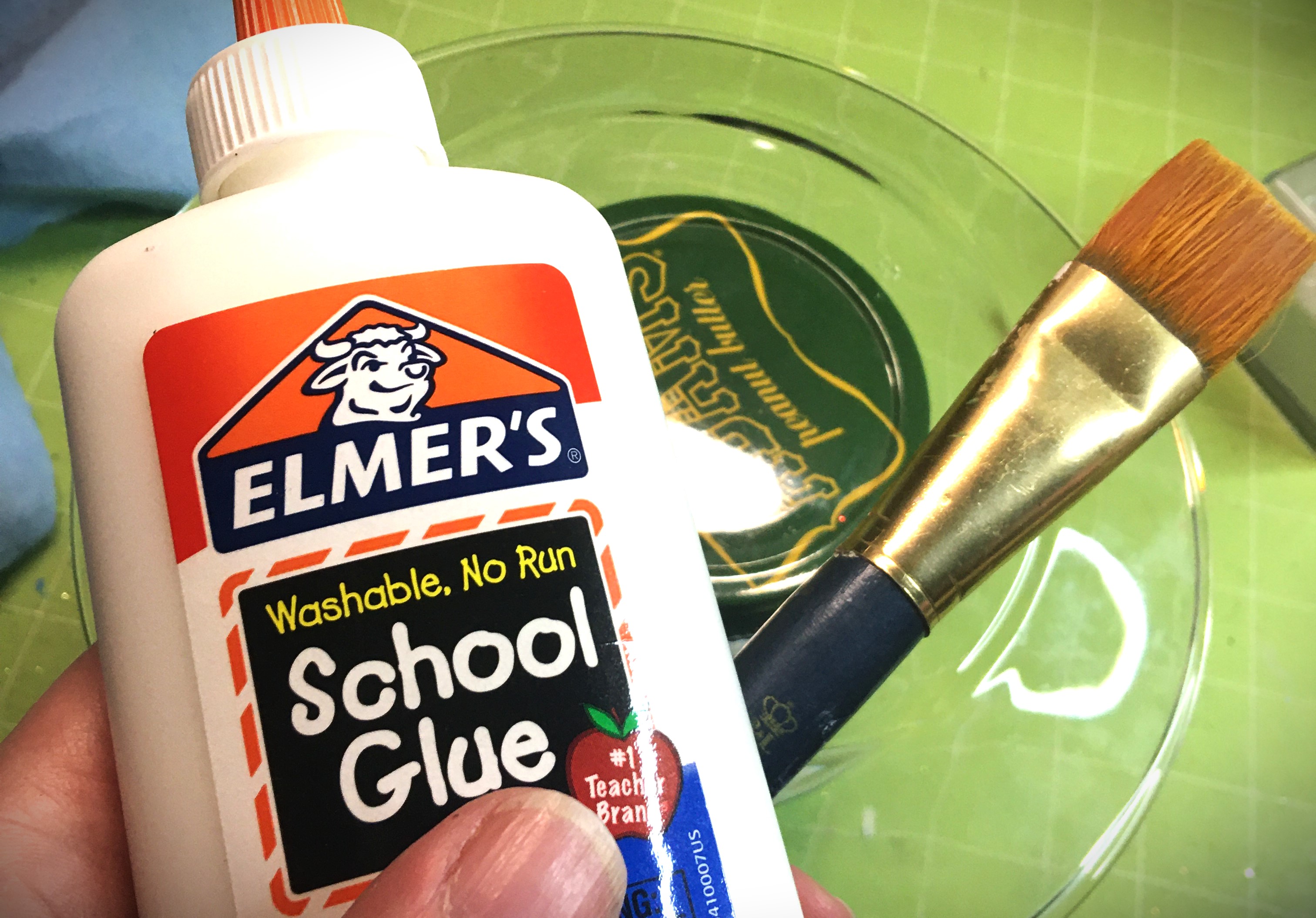
  • Elmer’s Glue
  • Paint Brush
  • Paper and Wire Decor Eggs
  • Tall Candles (colors of choice)
  • Fairy Lights (optional)
  • Polycyclic or Clear Acrylic Spray Paint (optional)
  • Vinyl Decals/Stickers (optional)
  • Silk Flowers (optional)

Everything you see here I sourced at my local dollar store, with the exception of my Elmer’s glue and polycyclic. Hello mom of young children here! I found that I’m least likely to cry with accidents when I buy things from the dollar store. And accidents happen.

Advertisements

Let’s Make It

Jar Stand

This one is a multifunctional component. I’m showing you how this holds a decor item, the paper and wire eggs. Instead of the eggs, you can use the plate for treats. Or you can set the plate aside and use the jar as a plate holder for part of your Easter Brunch.

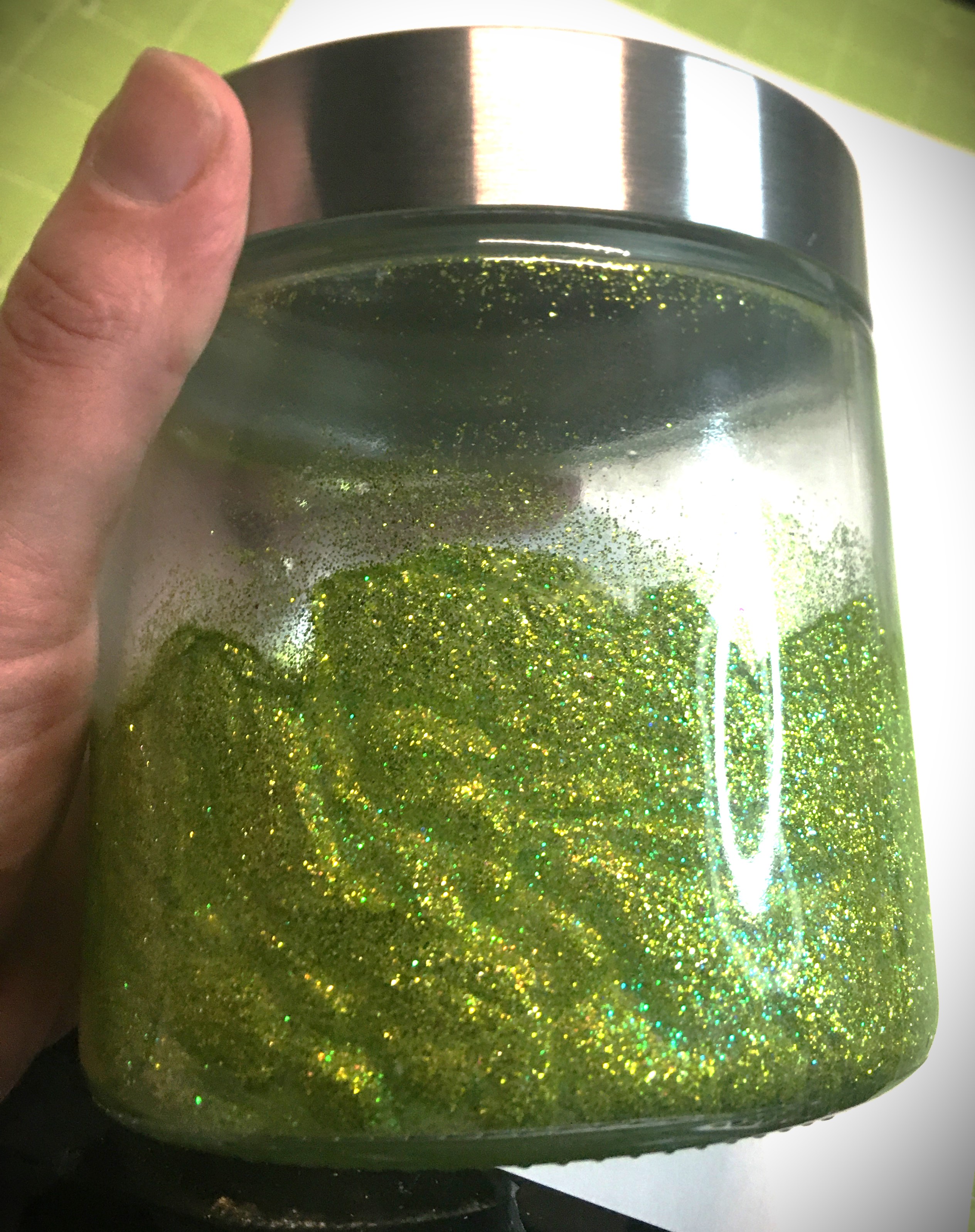
  1. Inside the glass jar paint in your glue in the bottom portion of the jar. I used a yellow glitter glue to complement the green glitter. When using glitter glue, it’s important to pat the glue on your project and not paint it on. This type of glue does not have the holding power that Elmer’s glue has. I chose to stop the glue a little over halfway up the jar and stroke upwards to create a grass like effect. If you want to use Elmer’s glue you’ll have a little better control over the glue and a quicker dry time. Just make sure to add a little secondary color of glitter into your original glitter choice. This will give dimension to your color and keep it from becoming flat looking.
  2. Dump a good portion of glitter into the bottom of your jar and swirl it around on top of the glue. For the sides of the jar, I turned and tilted the glitter from the bottom of the jar down toward the mouth. I also hit the sides as I turned the jar, so that with it came to knock out all the excess glitter, there was very little that came out.
  3. Allow to thoroughly dry.
  4. You may find that you need a dry loose bristle brush to brush out some stray glitter that likes to stick to the clear glass.
Advertisements

Egg/Treat Plate

In order to keep this plate safe for treats, make sure to apply the glitter to the underside of the plate. This makes the face hand washable.

  1. Apply a thin layer of Elmer’s glue to the area of the plate that you want to add the glitter. For me, I love the silver coloring of my jar’s lid and want that to shine up through the bottom of the plate. So I only applied glue to the lip of the plate.
  2. Sprinkle glitter over the wet glue. The more thorough you are on the shaking off of excess glitter makes the final step easier to apply without lifting the glitter.
  3. Once the Elmer’s glue is dry, seal in the glitter with polyclinic sealant or clear acrylic spray. This is an important step if you want to make sure that you won’t leave glitter trails when handling the plate. If you choose to use polycyclic, you want to tap the sealant on instead of brushing. Brushing actually ends up stripping glitter off of the glass. If you tap it on, the only glitter that comes off is whatever is loose to start with. If you’re like me and want to minimize the amount of glitter loss, clear acrylic spray is perfect. There is no loss. Plus the acrylic spray has the additional bonus of retaining the sparkle of the glitter more.
  4. Allow to thoroughly dry.
Advertisements

Assemble the Accessories

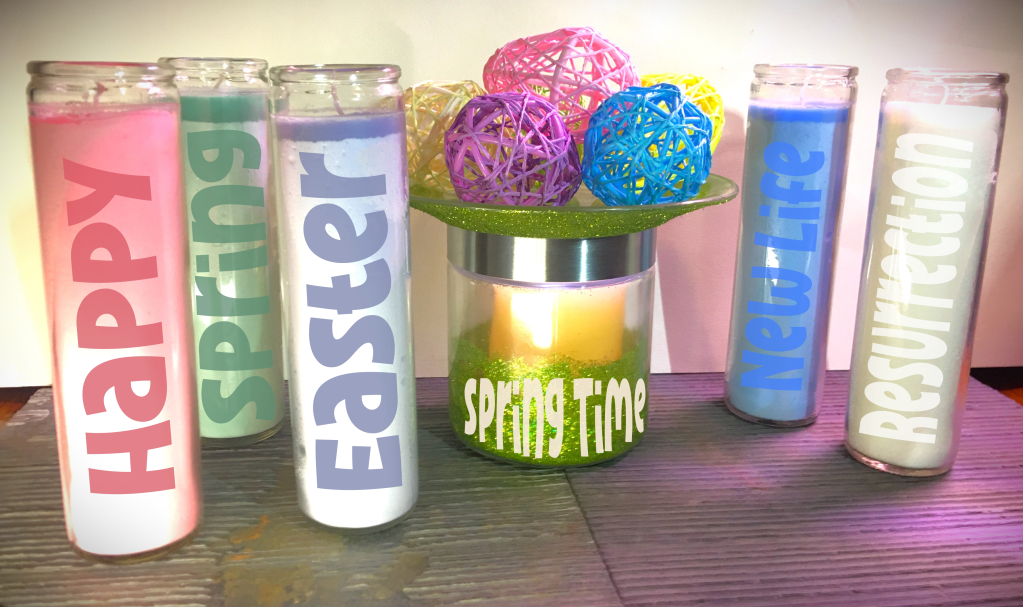
For my display I chose to go with the multi colored paper and wire eggs and different pastel colors of tall candles. This is where even more personalization can happen. If you have rattan balls, you can use those here and keep with white candles to keep a clean minimalistic look. (In this instance a white frosted paint or white glitter might be your choice of decorating the jar and plate.)

For the candles, if you choose to go the color route, you can mute the colors by frosting the outside of the glass.

Or perhaps you have ribbon from other decor you already have up. You can hot glue a band of that ribbon around the candle.

For this set, I’m going to apply vinyl decals onto the glass. Also I’ll apply a decal on the jar.

Coming back to the jar, you might choose to further decorate the inside. Perhaps you want to add battery powered tea or short pillar lights. Maybe you love fairy lights. (For this one I would recommend hot gluing the switch the bottom side of the lid. This allows you to turn on the light just by lifting the lid and not having to fish for the switch on the bottom of the jar.) You could be a flower person. You could arrange your favorite silk flowers inside. Combined with fairy lights could be very dreamy looking. I think I’m going to have to find where I stashed my silk butterflies. The wing span is about 6″ and I could arrange 1 or 2 butterflies on the inside and have a little whimsy on the inside of my jar.

Advertisements

Put It All Together

Even with all the different ways of personalizing this project, it’s all going to take on a different life depending on how you will set this up. Will you use a colorful table runner? Or maybe you’ll display this set with absolutely no further modification. I can totally see the white frost, rattan balls, white candles set on a reclaimed wood side table.

How will you set this up in your home?

Vinyl Decal designs can be found here:

Easter Candles (Decal)

Processing…
Success! You're on the list.

Leave a comment

Advertisements
Advertisements