More Than Arm Candy

I have to love my husband who loves to give practical gifts. Usually he stays away from gifting flowers because they last for a few days before they’re composted. However, there are so many uses for not just roses but other flowers as well. While I’m going to be talking about roses here, there are so many other flowers that can be used in the exact same way!

For those who are unaware, roses are edible. (Before you do eat rose petals, make sure that they haven’t been sprayed with chemicals, pesticides, insecticides, or anything else that is harmful to you.) Roses contain vitamins A & C, Niacin, Potassium, Iron, Calcium, and Phosphorus. Some places where you’ll find fresh petals are on a dessert/cake or in beverages such as teas.

Advertisements

It’s not just the petals that are usable to our bodies. Rose hips (the bulb at the bottom of bud, harvested at the end of the rose season from the rose bush) is used in the beauty industry and baby products for the benefits it has to the skin.

The benefits to the skin is the primary reason why I decided from this last bouquet of roses that was given to me that I was going to use the petals for my next batch of soap.

I started making soap because I’m not okay with all the chemicals that are being used in soaps in the commercial market. Other than using soap dyes (which I’ve had my tub and skin discolored from bath bombs and other products) the mission I’m on is finding natural dyes to color my soap. For pink soap, I’ve seen soap makers use dyes or French clay.

Now Calendula is a well known floral natural food grade colorant. For red/pink colorant, Beets can be used in food. But anyone who’s worked with beets knows that your skin and clothes can be discolored. So I wanted to find a different red/pink colorant for my soap that I can grow in my garden. So I came to roses.

Advertisements

How to Process Roses

There’s two easy ways of doing this.

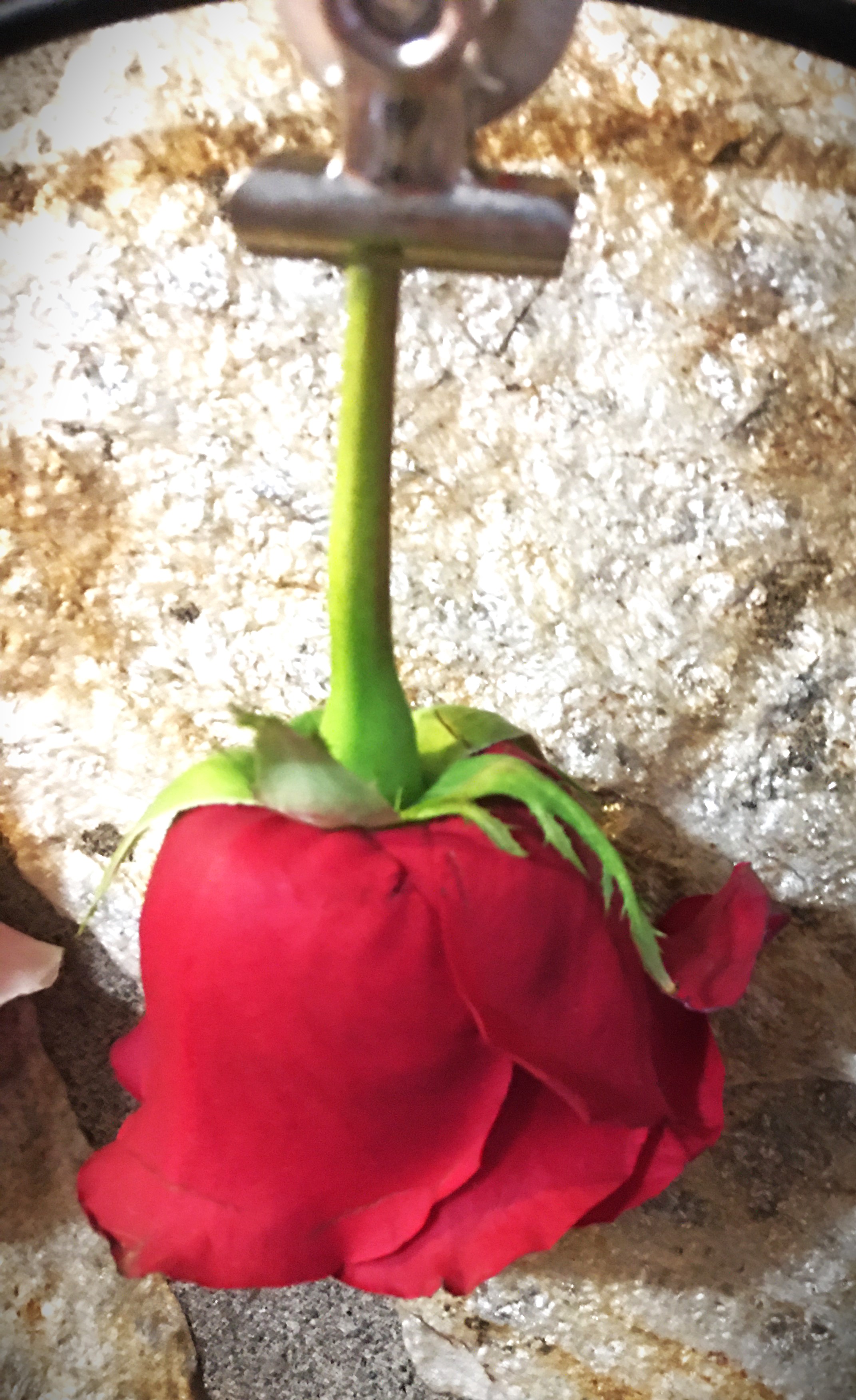
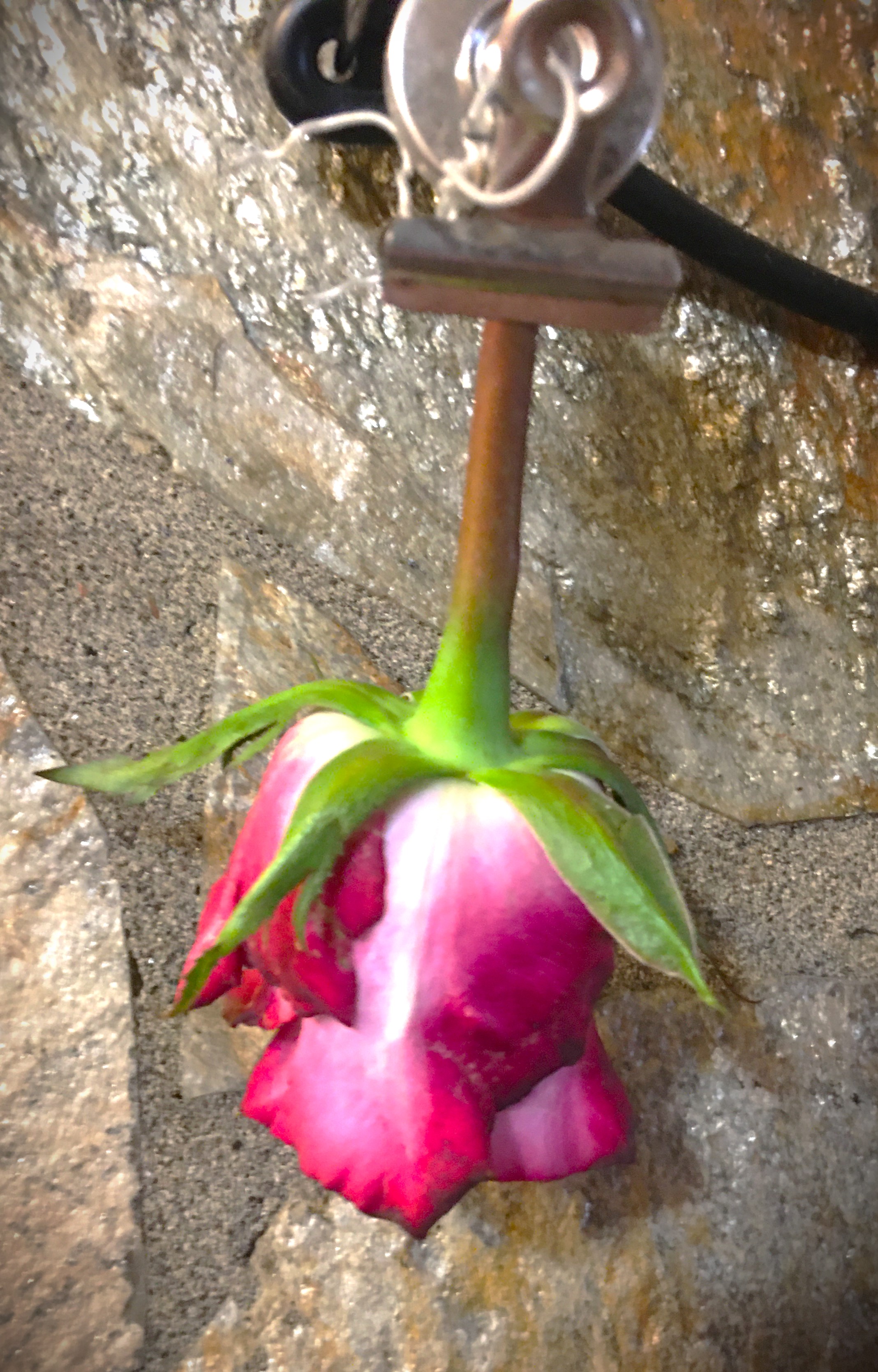
The first is to hang the roses upside down to slowly dry them out. The benefit of this method is that all the vitamins and natural compounds that our bodies benefit from are at a higher concentration when they are dried at a low temperature and slowly.

Ideally, the most benefit would come from using the petals fresh. And while it is possible to use fresh ingredients in soap making (I make orange colored soap using pumpkin puree), there’s no way of breaking down the petals for a smooth and consistent colorant unless you want to use a blender and puree it with the water content of your soap. While it’s not a bad idea, unless you grow roses year round (which I don’t) you have a limited supply due to the window of fresh flowers available. (This is the reason why dried petals are best for me.)

This drying method is slow and takes time. Also any white component will yellow as it dries out. This can affect your over all final color depending on which rose you use. With the red rose, not so much. But the other two, the tinge will be noticible.

So there’s the second method, using a dehydrator.

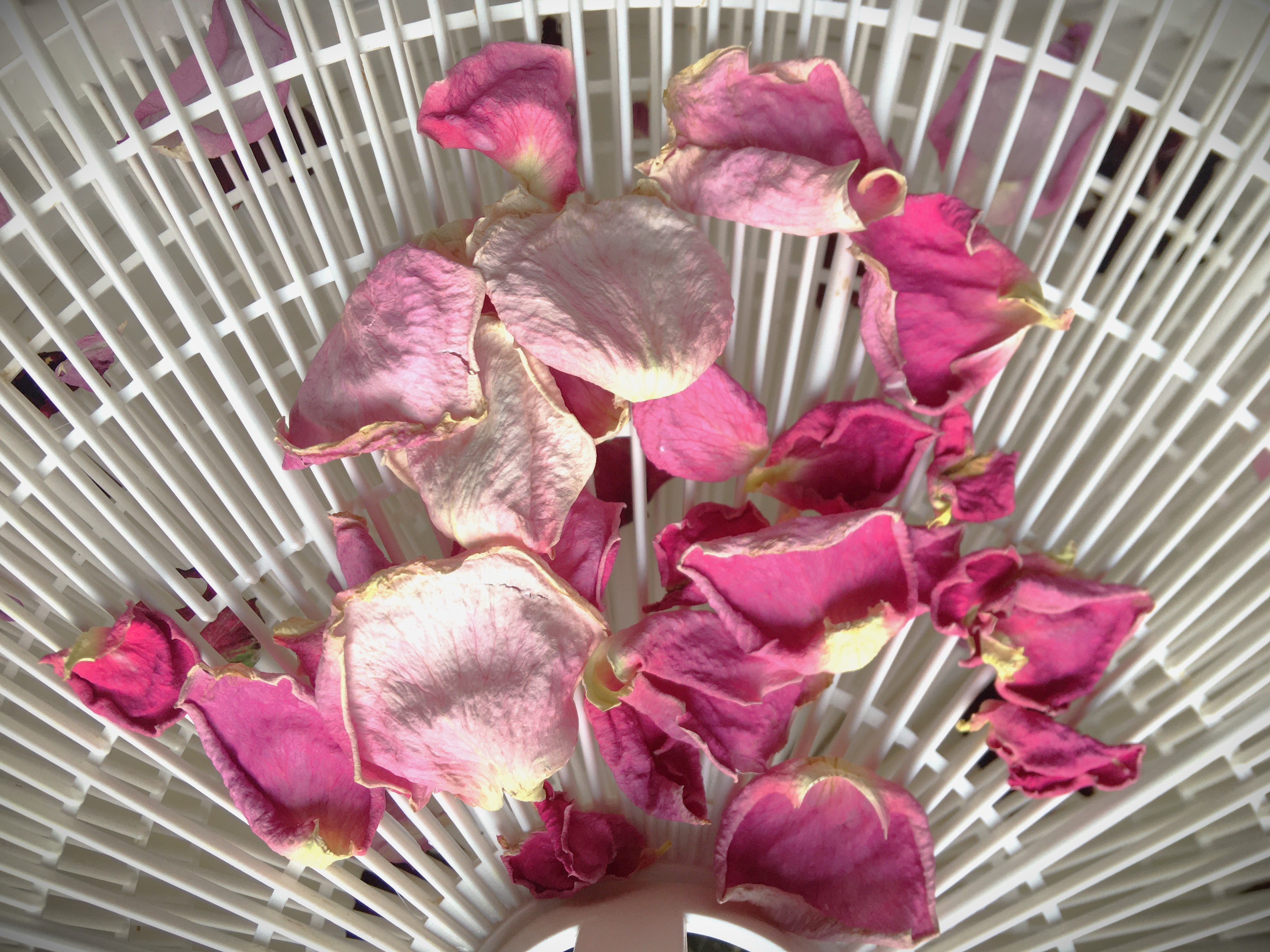
The benefit from using a dehydrator is that petals are finished drying in about 24 hours (at 90°F, the lowest setting on my dehydrator) and their colors are only affected by growing darker.

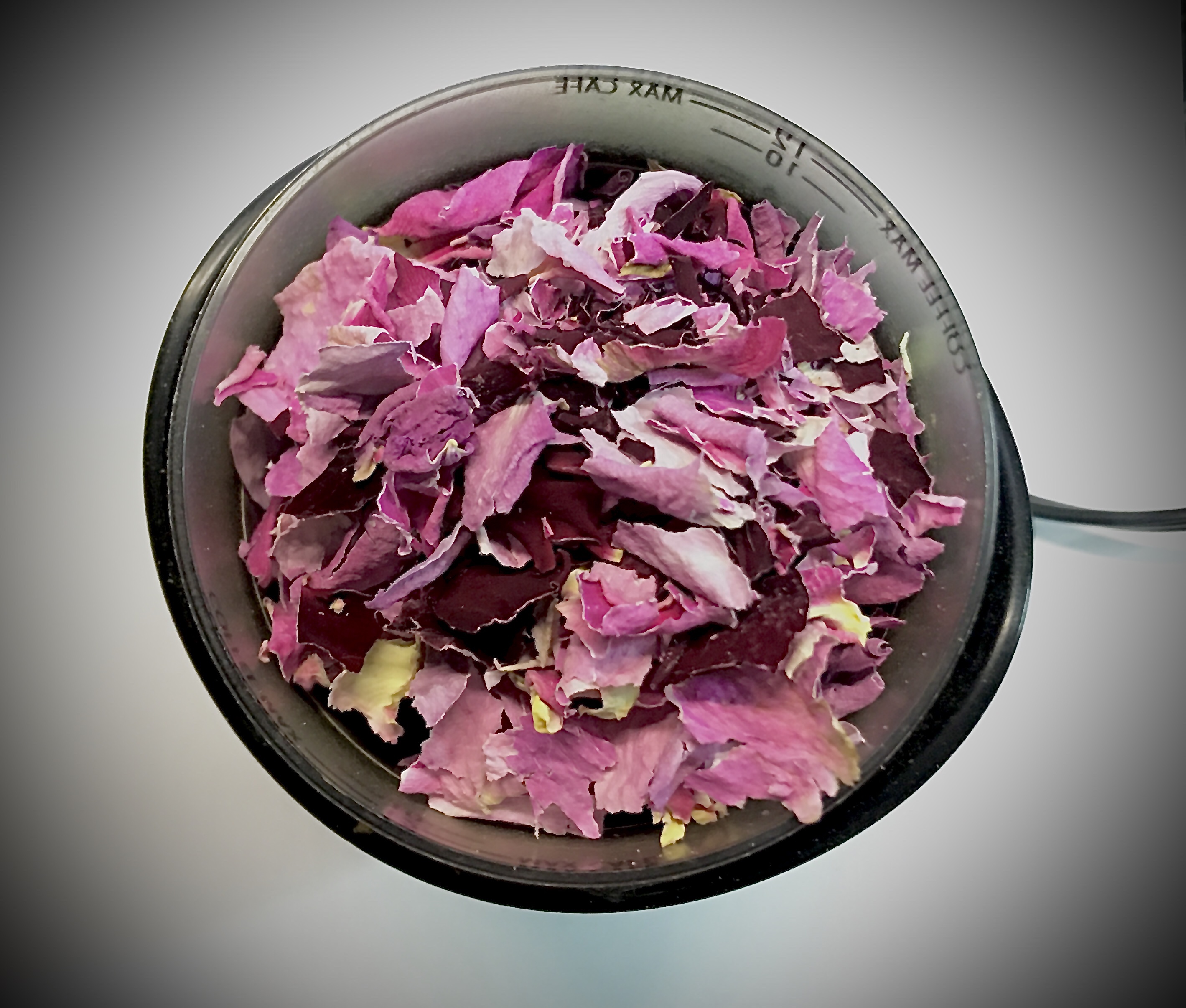
As you can see here, the white component on the pink flowers have not discolored too much. This is great because when I turn these petals to powders, I’ll retain a pink like quality.

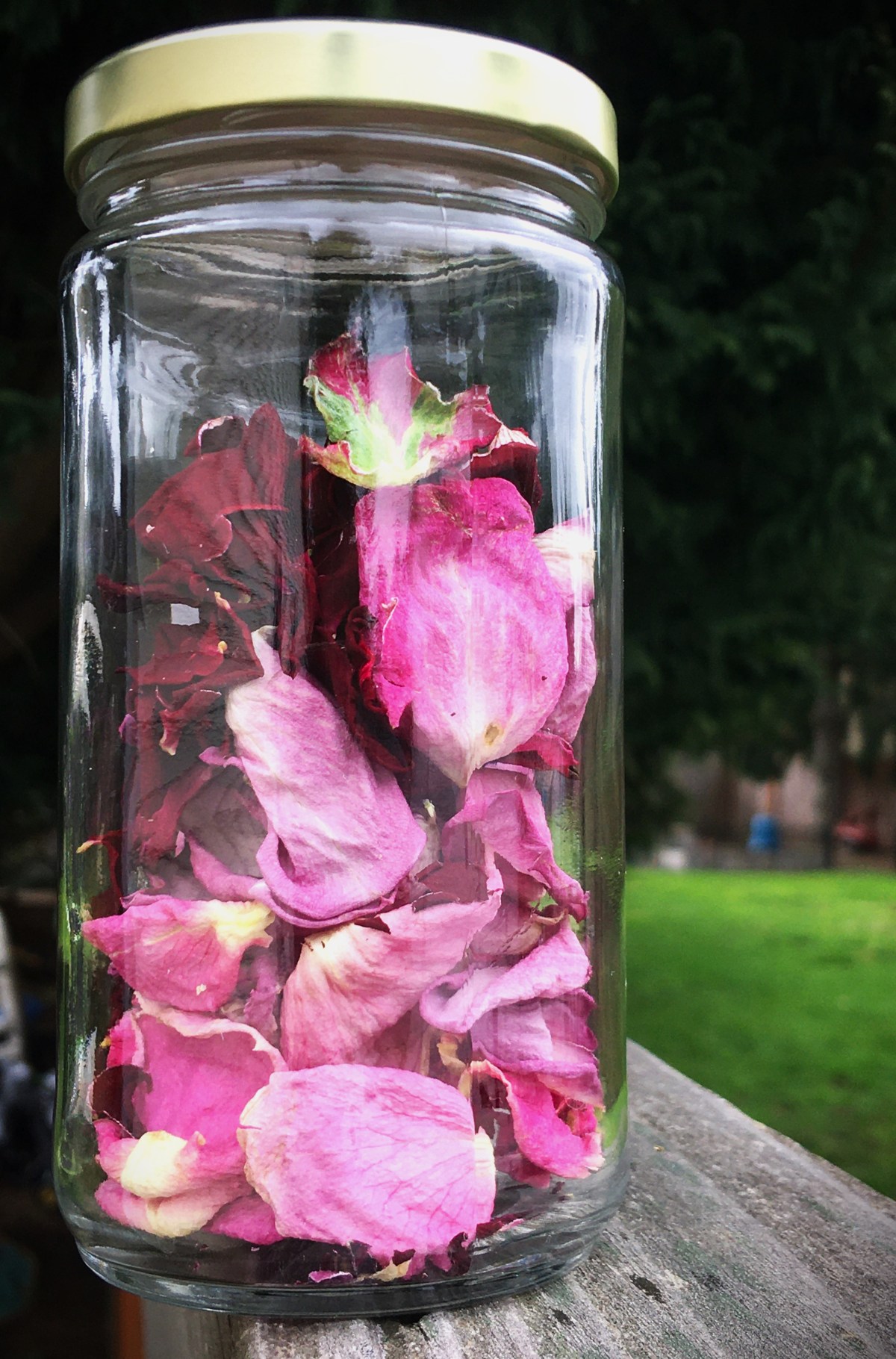
Before I move on to finishing these petals, I want to mention that if you want to make a natural confetti for cake decorations or throwing for a party/wedding celebration, all that you need to do is crush your dried petals by hand and store them in an air tight container (like a lidded glass jar) to prevent them from rehydrating due to humidity in the air.

As you can guess, with the fact that there were lavender inner petals on the second rose (the one with the variegated pink and white outer flowers), this is the reason why I blended in the red petals with the pink ones, to keep the pink and stop the transitiontoward purple (although I’m not opposed to purple soap.)

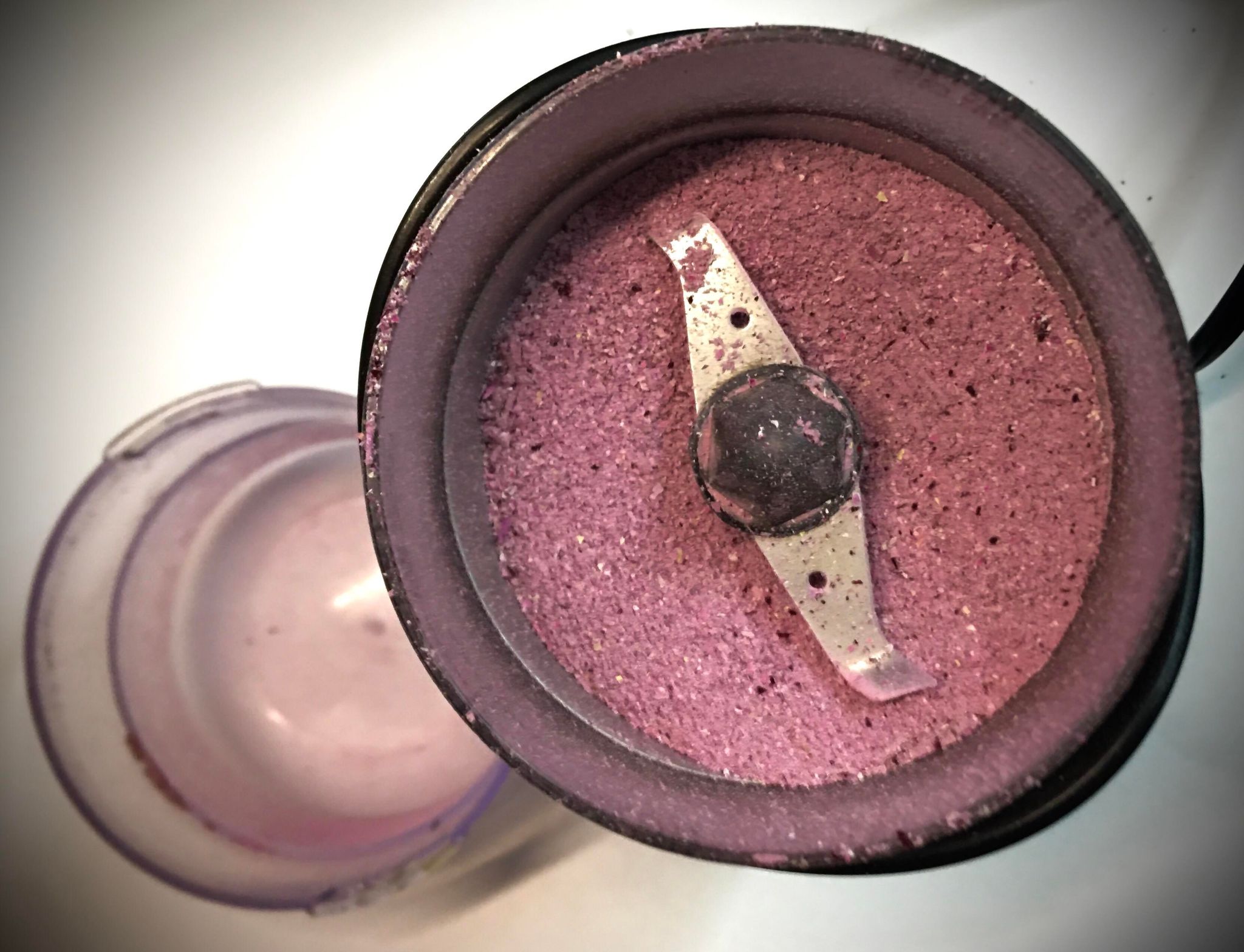
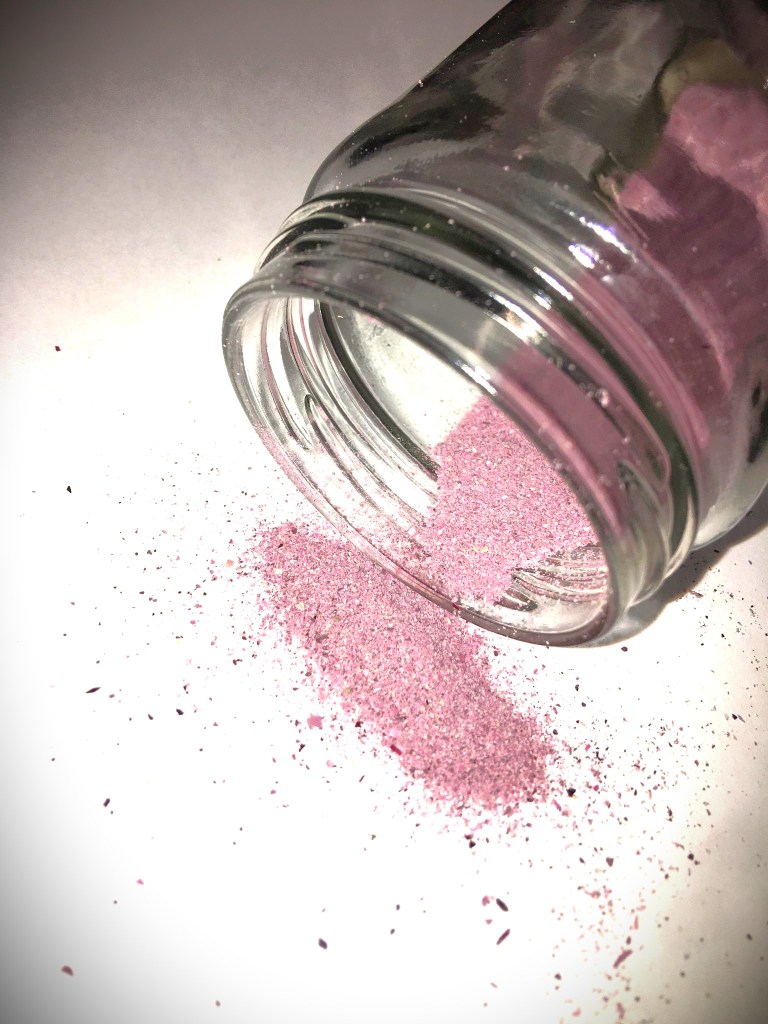
To make Rose Powder, all you need to do is put the crushed petals into a coffee or herb grinder and run it until you get the consistency that you are looking for. Because I’m looking to make a colorant for my soap and don’t want to have flower chunks in it, I took the powder down to a very fine grind.

The fun part about Rose Powder is that you’re not limited to use it as a natural dye or colorant. You could dust this on the icing of a confectionary dessert. If you want to make pink pasta, use this powder as part of your dry ingredients. Mix the powder with a sugar or salt and you have a pink sugar or salt rim to your favorite beverage.

No matter what celebration you have coming up, keep this idea in mind. If you want to dress put your Easter cup you can make a sugar rim using all sorts of different colored edible flowers. Calendula gives you yellow/orange, Violets blue/purple, Hibiscus yellow/orange/pink/blue/purple, there are so many other flowers. If you want to see a quick list of different edible flowers, here’s a jumping of point here.


What unique way do you use flowers?

Processing…
Success! You're on the list.

Leave a comment

Advertisements
Advertisements

Space Saving Spring Decor

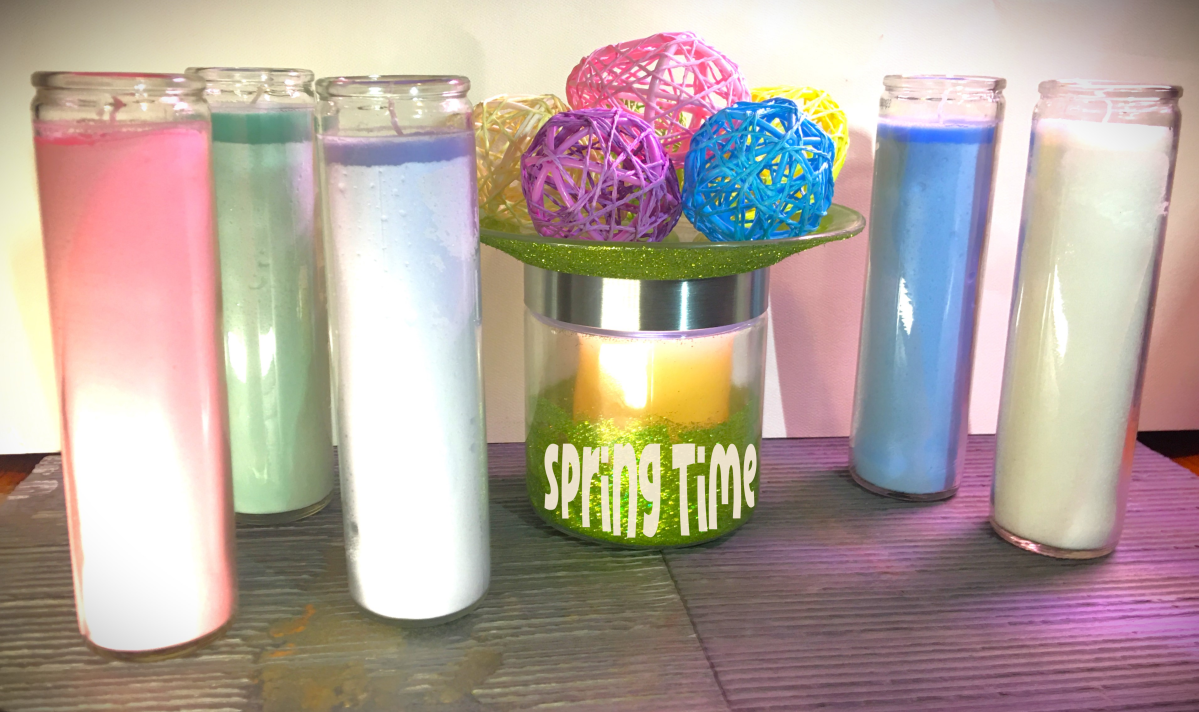
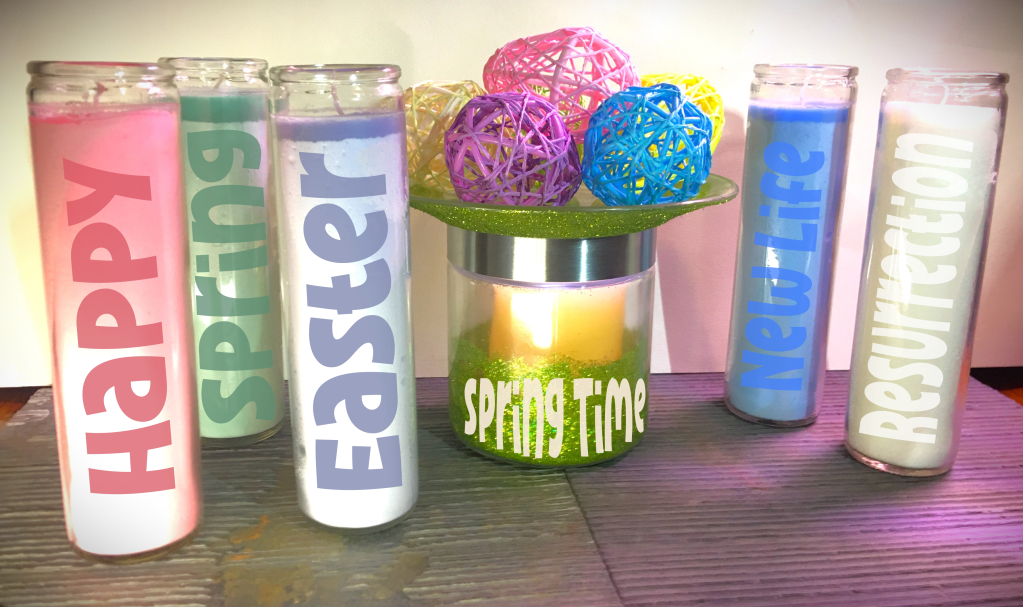
Depending on the space you’re looking to decorate for spring and Easter, you might find that you want a little sparkle in a small place. Maybe it’s a window ledge, a office desk corner, a mantel piece, or just a side table. This is something quick that you can put together and adds as much or little color as you like. The best part is that with the exception of glue drying time, you can have this project done in under an hour!

Materials Needed:

  • Clear Glass Salad Plate
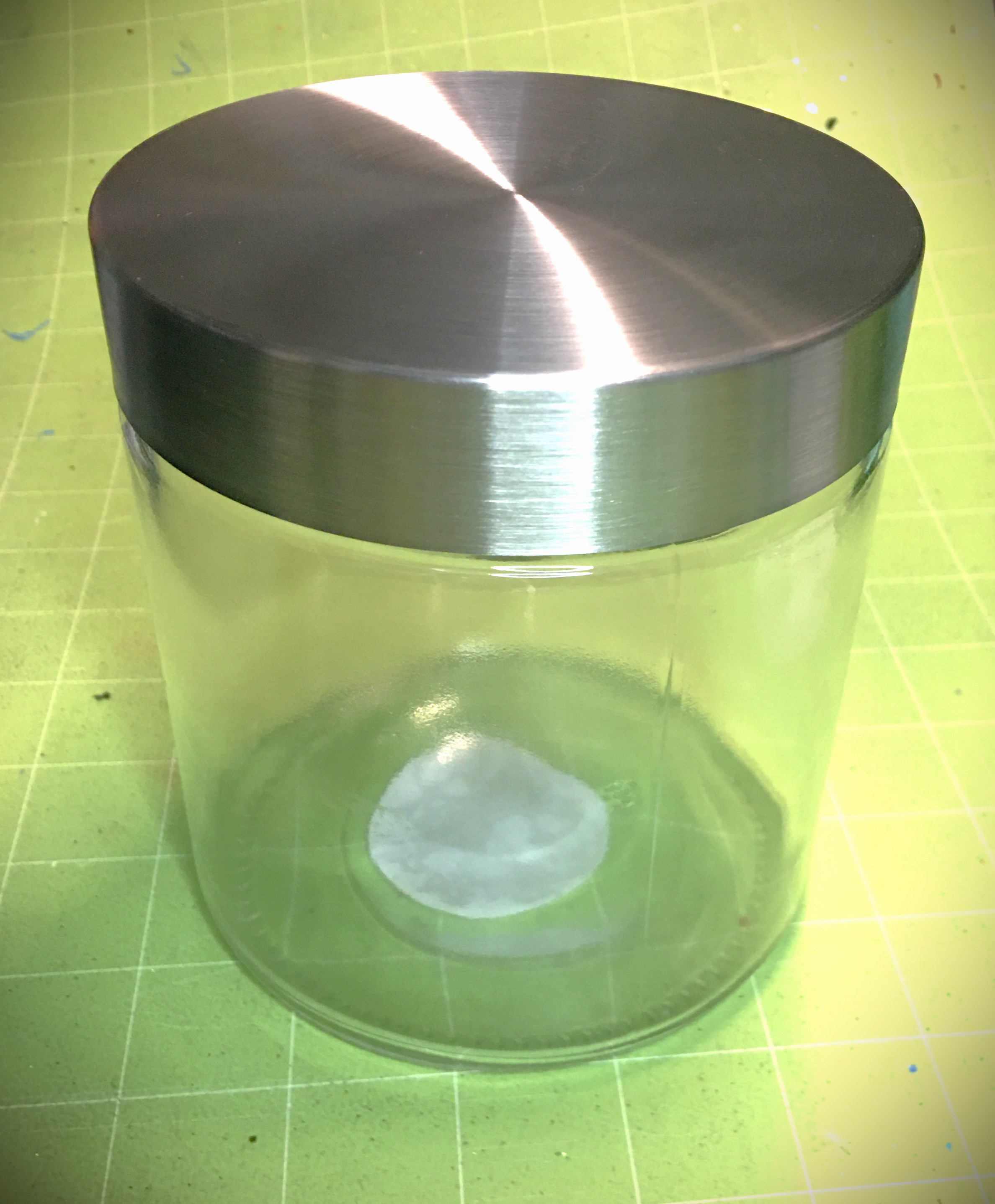
  • Clear Glass Cylinder Container (with lid)
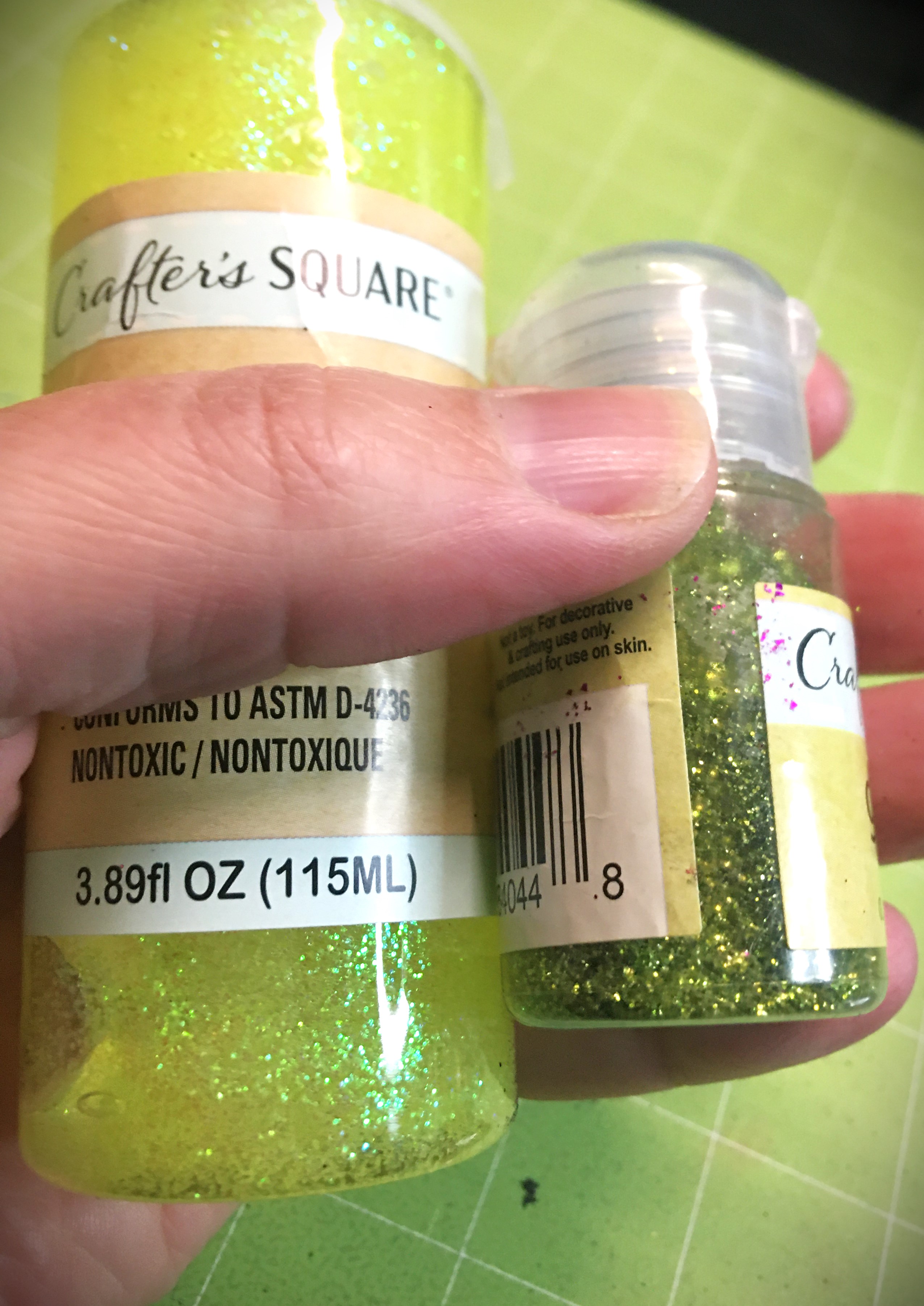
  • Glitter (color of choice)
  • Glitter Glue (complementary color)
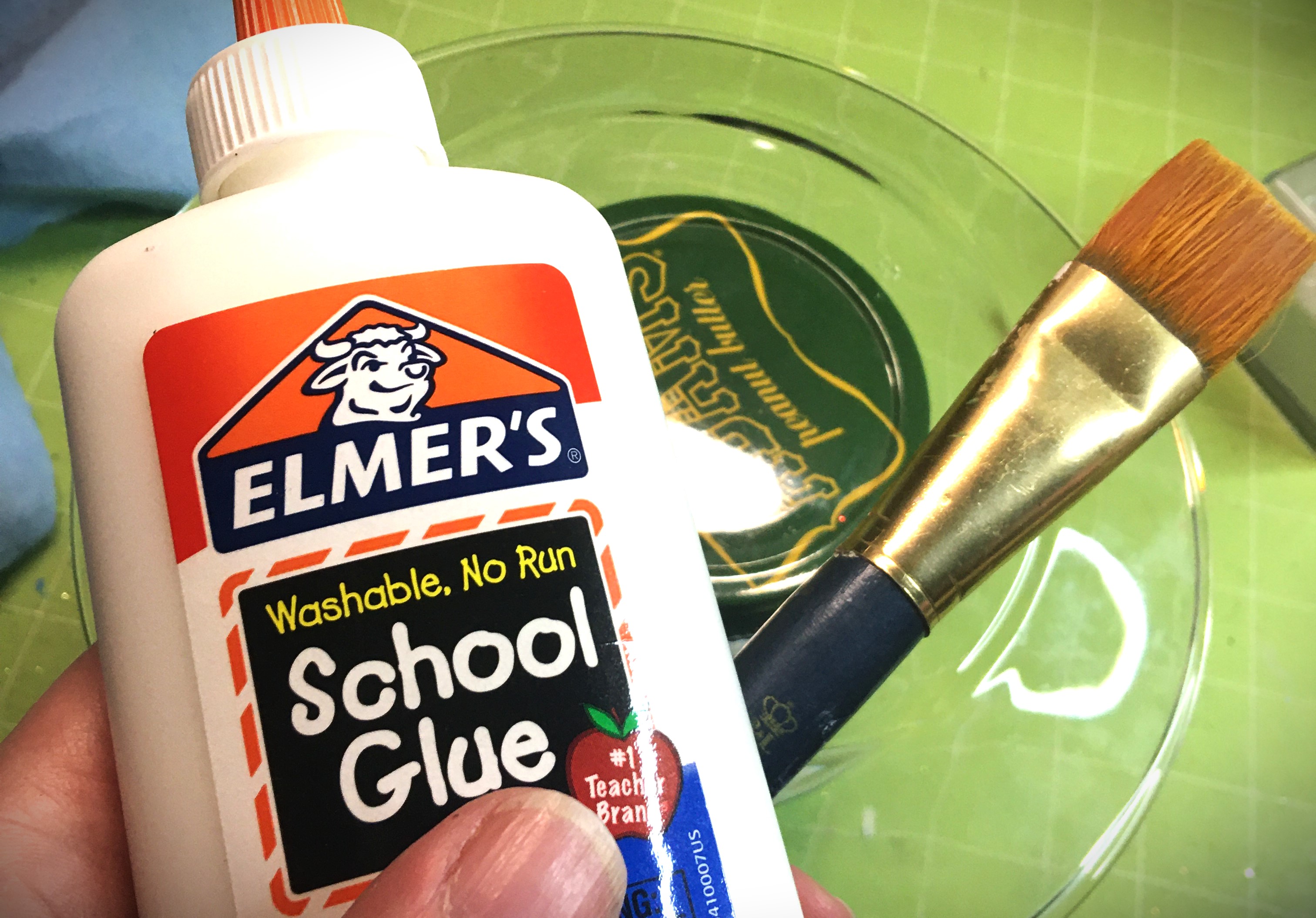
  • Elmer’s Glue
  • Paint Brush
  • Paper and Wire Decor Eggs
  • Tall Candles (colors of choice)
  • Fairy Lights (optional)
  • Polycyclic or Clear Acrylic Spray Paint (optional)
  • Vinyl Decals/Stickers (optional)
  • Silk Flowers (optional)

Everything you see here I sourced at my local dollar store, with the exception of my Elmer’s glue and polycyclic. Hello mom of young children here! I found that I’m least likely to cry with accidents when I buy things from the dollar store. And accidents happen.

Advertisements

Let’s Make It

Jar Stand

This one is a multifunctional component. I’m showing you how this holds a decor item, the paper and wire eggs. Instead of the eggs, you can use the plate for treats. Or you can set the plate aside and use the jar as a plate holder for part of your Easter Brunch.

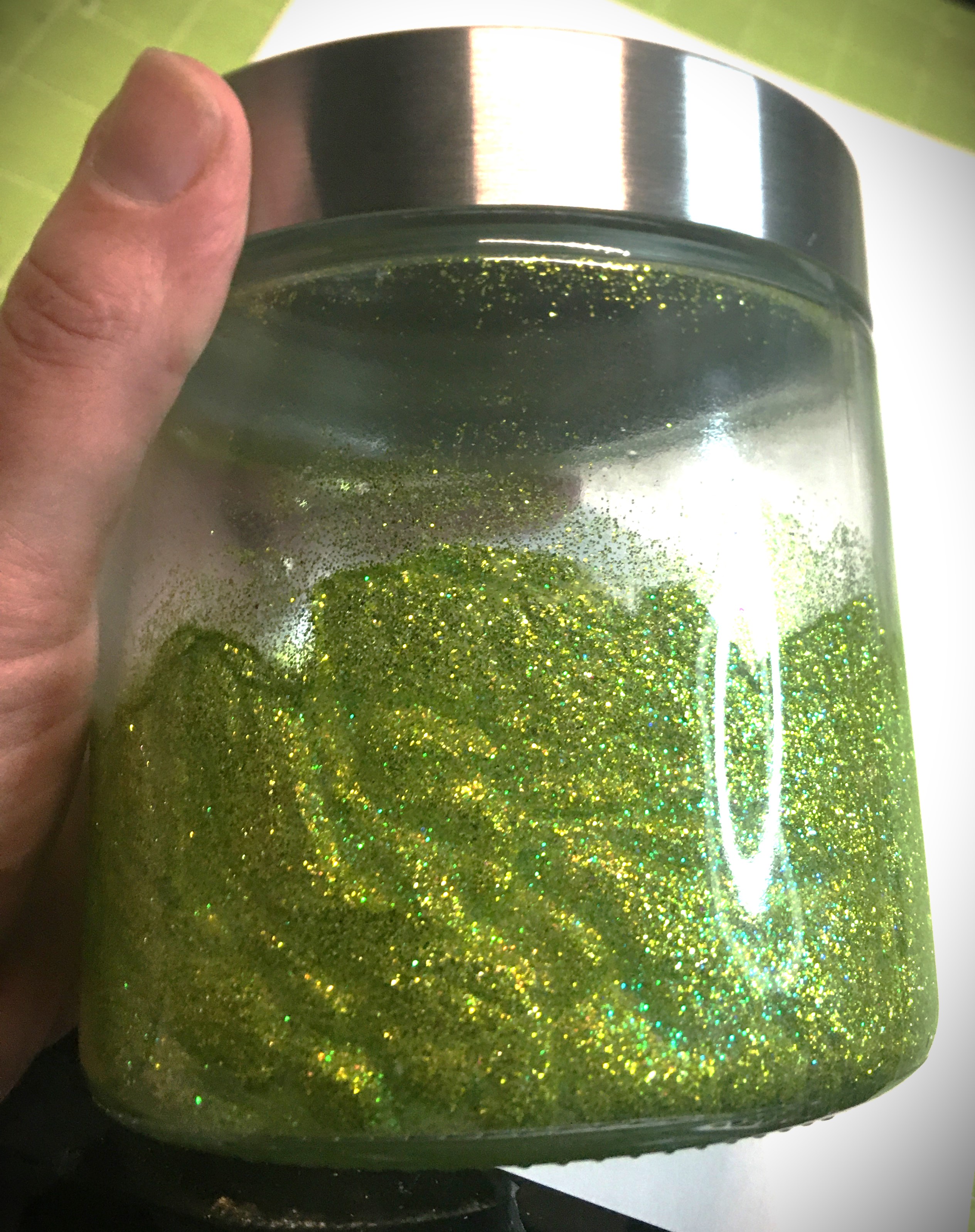
  1. Inside the glass jar paint in your glue in the bottom portion of the jar. I used a yellow glitter glue to complement the green glitter. When using glitter glue, it’s important to pat the glue on your project and not paint it on. This type of glue does not have the holding power that Elmer’s glue has. I chose to stop the glue a little over halfway up the jar and stroke upwards to create a grass like effect. If you want to use Elmer’s glue you’ll have a little better control over the glue and a quicker dry time. Just make sure to add a little secondary color of glitter into your original glitter choice. This will give dimension to your color and keep it from becoming flat looking.
  2. Dump a good portion of glitter into the bottom of your jar and swirl it around on top of the glue. For the sides of the jar, I turned and tilted the glitter from the bottom of the jar down toward the mouth. I also hit the sides as I turned the jar, so that with it came to knock out all the excess glitter, there was very little that came out.
  3. Allow to thoroughly dry.
  4. You may find that you need a dry loose bristle brush to brush out some stray glitter that likes to stick to the clear glass.
Advertisements

Egg/Treat Plate

In order to keep this plate safe for treats, make sure to apply the glitter to the underside of the plate. This makes the face hand washable.

  1. Apply a thin layer of Elmer’s glue to the area of the plate that you want to add the glitter. For me, I love the silver coloring of my jar’s lid and want that to shine up through the bottom of the plate. So I only applied glue to the lip of the plate.
  2. Sprinkle glitter over the wet glue. The more thorough you are on the shaking off of excess glitter makes the final step easier to apply without lifting the glitter.
  3. Once the Elmer’s glue is dry, seal in the glitter with polyclinic sealant or clear acrylic spray. This is an important step if you want to make sure that you won’t leave glitter trails when handling the plate. If you choose to use polycyclic, you want to tap the sealant on instead of brushing. Brushing actually ends up stripping glitter off of the glass. If you tap it on, the only glitter that comes off is whatever is loose to start with. If you’re like me and want to minimize the amount of glitter loss, clear acrylic spray is perfect. There is no loss. Plus the acrylic spray has the additional bonus of retaining the sparkle of the glitter more.
  4. Allow to thoroughly dry.
Advertisements

Assemble the Accessories

For my display I chose to go with the multi colored paper and wire eggs and different pastel colors of tall candles. This is where even more personalization can happen. If you have rattan balls, you can use those here and keep with white candles to keep a clean minimalistic look. (In this instance a white frosted paint or white glitter might be your choice of decorating the jar and plate.)

For the candles, if you choose to go the color route, you can mute the colors by frosting the outside of the glass.

Or perhaps you have ribbon from other decor you already have up. You can hot glue a band of that ribbon around the candle.

For this set, I’m going to apply vinyl decals onto the glass. Also I’ll apply a decal on the jar.

Coming back to the jar, you might choose to further decorate the inside. Perhaps you want to add battery powered tea or short pillar lights. Maybe you love fairy lights. (For this one I would recommend hot gluing the switch the bottom side of the lid. This allows you to turn on the light just by lifting the lid and not having to fish for the switch on the bottom of the jar.) You could be a flower person. You could arrange your favorite silk flowers inside. Combined with fairy lights could be very dreamy looking. I think I’m going to have to find where I stashed my silk butterflies. The wing span is about 6″ and I could arrange 1 or 2 butterflies on the inside and have a little whimsy on the inside of my jar.

Advertisements

Put It All Together

Even with all the different ways of personalizing this project, it’s all going to take on a different life depending on how you will set this up. Will you use a colorful table runner? Or maybe you’ll display this set with absolutely no further modification. I can totally see the white frost, rattan balls, white candles set on a reclaimed wood side table.

How will you set this up in your home?

Vinyl Decal designs can be found here:

Easter Candles (Decal)

Processing…
Success! You're on the list.

Leave a comment

Advertisements
Advertisements

Starting On Your Own

Now that a new planting season is about to knock on our door, I’m beginning to hear more and more from those venturing into gardening the discouragement of last year’s grow season in the Pacific Northwest.

I’ve mentioned before that last year, we didn’t have a spring. We had back to back winter that went off the deep end and nose dived right into summer. We were cold and wet and literally missed a season. My garden didn’t know what to do. Even when I direct sowed at the proper time everything stalled for 2 months and it felt like I was the only person in my community that was grateful for the 6-8 weeks of extended summer weather. I needed it to finish off some of my vegetables, like my tomatoes.

And throughout the area of 4 or so cities, a good number of people said their vegetables gardens failed to produce anything.

I get it. The vegetables that I planted in May were harvested at the same time as what I planted in July.

This year I’ve already started in on my plan of getting ready for this spring. And I’m treating it like I’m going to have another cold, non-existent spring. Everything I overwintered is indication we’re not going to have a repeat this year, but I’m not taking chances. Food prices are insane. I need to offset my grocery bill by growing more than I have in the past. So I’m going to share with you what I’m doing this year to give my garden a leg up on what may or may not happen.

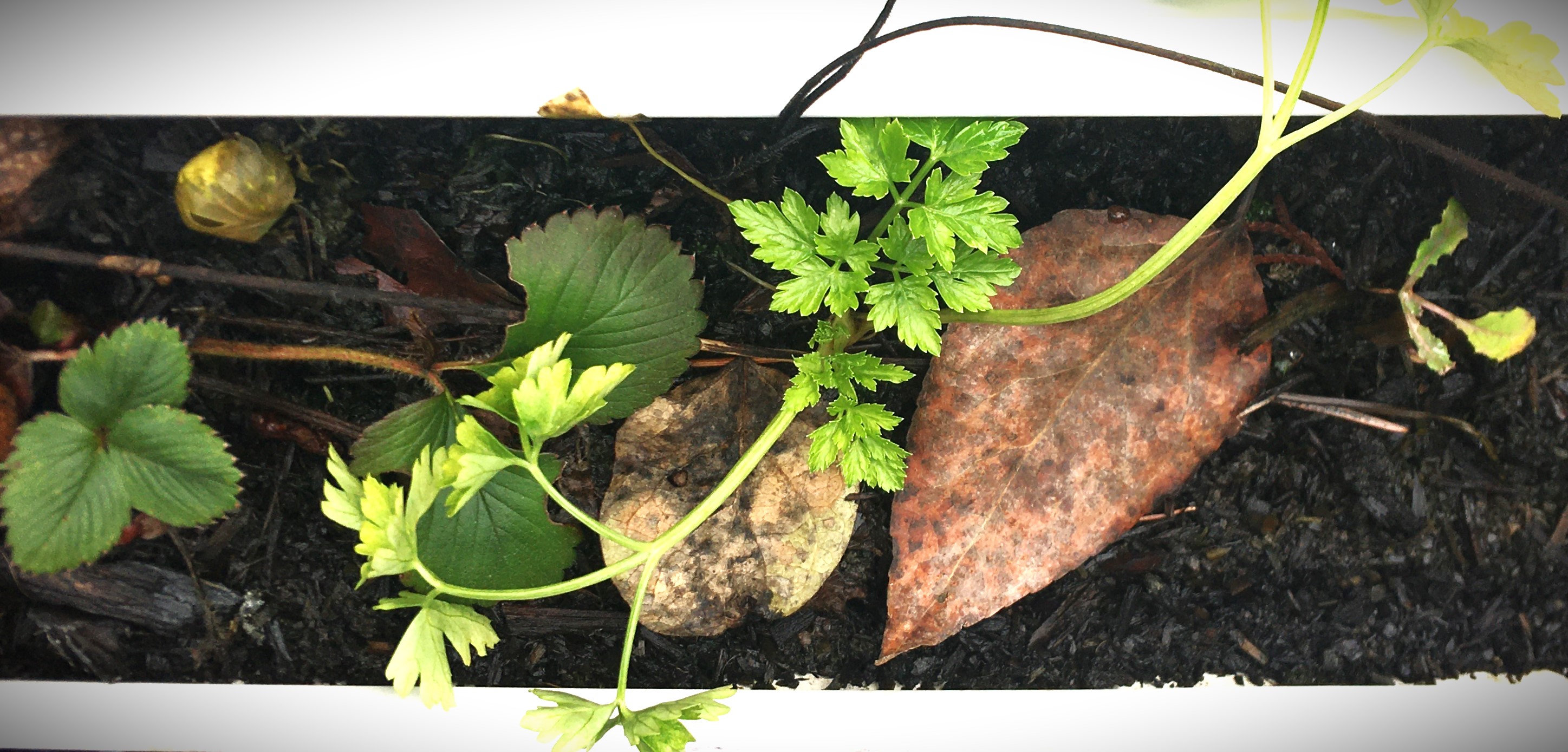
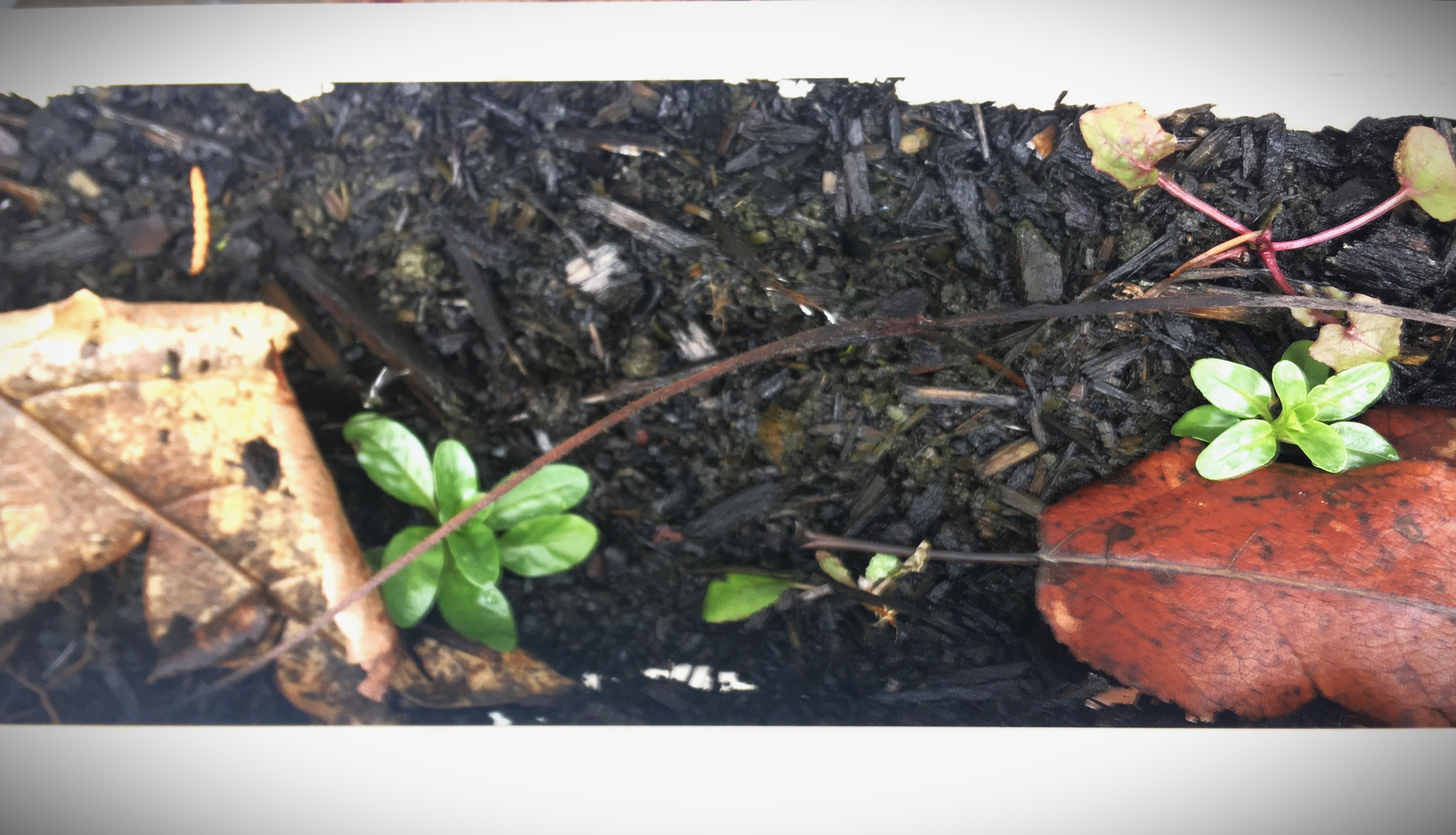
The Big Leaf Parsley and Oregano that I planted last year, which did not germinate at all last year, all of a sudden decided this winter that they were going to germinate and sprout. I’m looking forward to a lovely spring this year.

Advertisements

Uneven Germination Rates

If you have a small garden that you work, one of the frustrations that you have is when you plant your seeds according to the proper measurements and seeds just don’t germinate. You start off thinking that you’re going to get a certain amount of starts of one vegetable, and in the end you find out you get a small fraction of that.

I’ve tasted that bitterness. In a normal year you can successive plant a new seed where there’s gap. But last year that didn’t work at all.

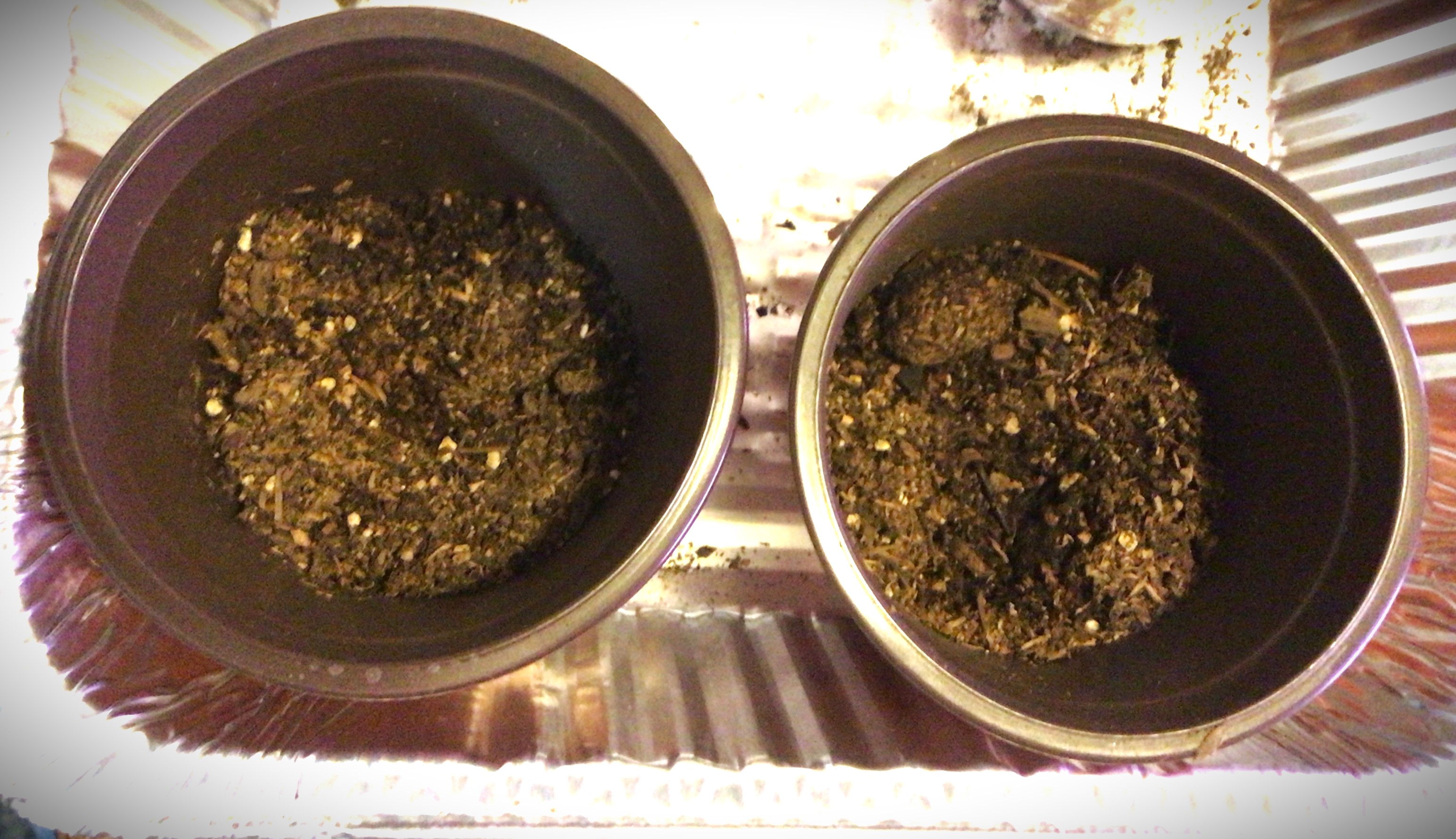
So this year I’ve started off my seeds indoors in small flats.

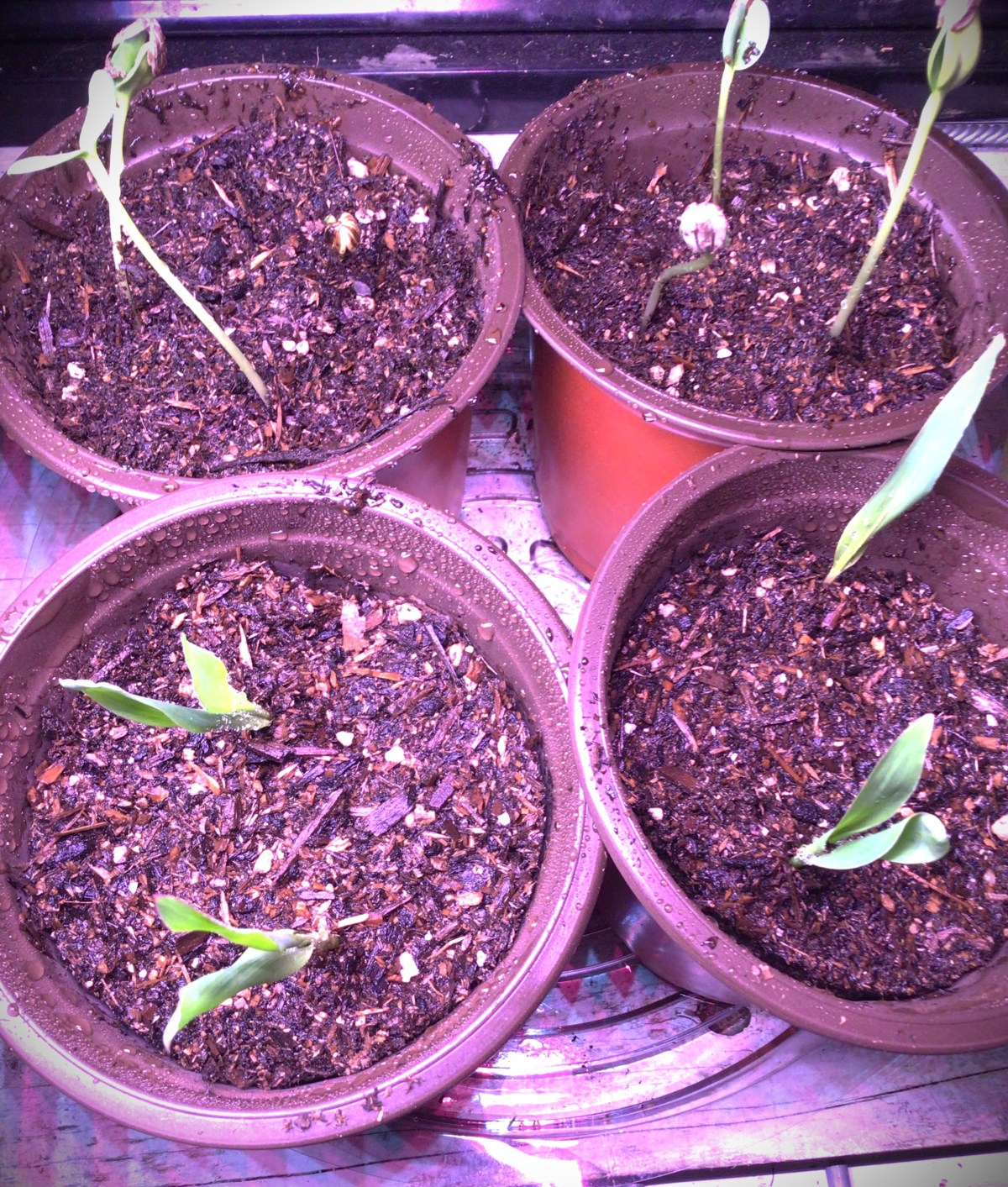
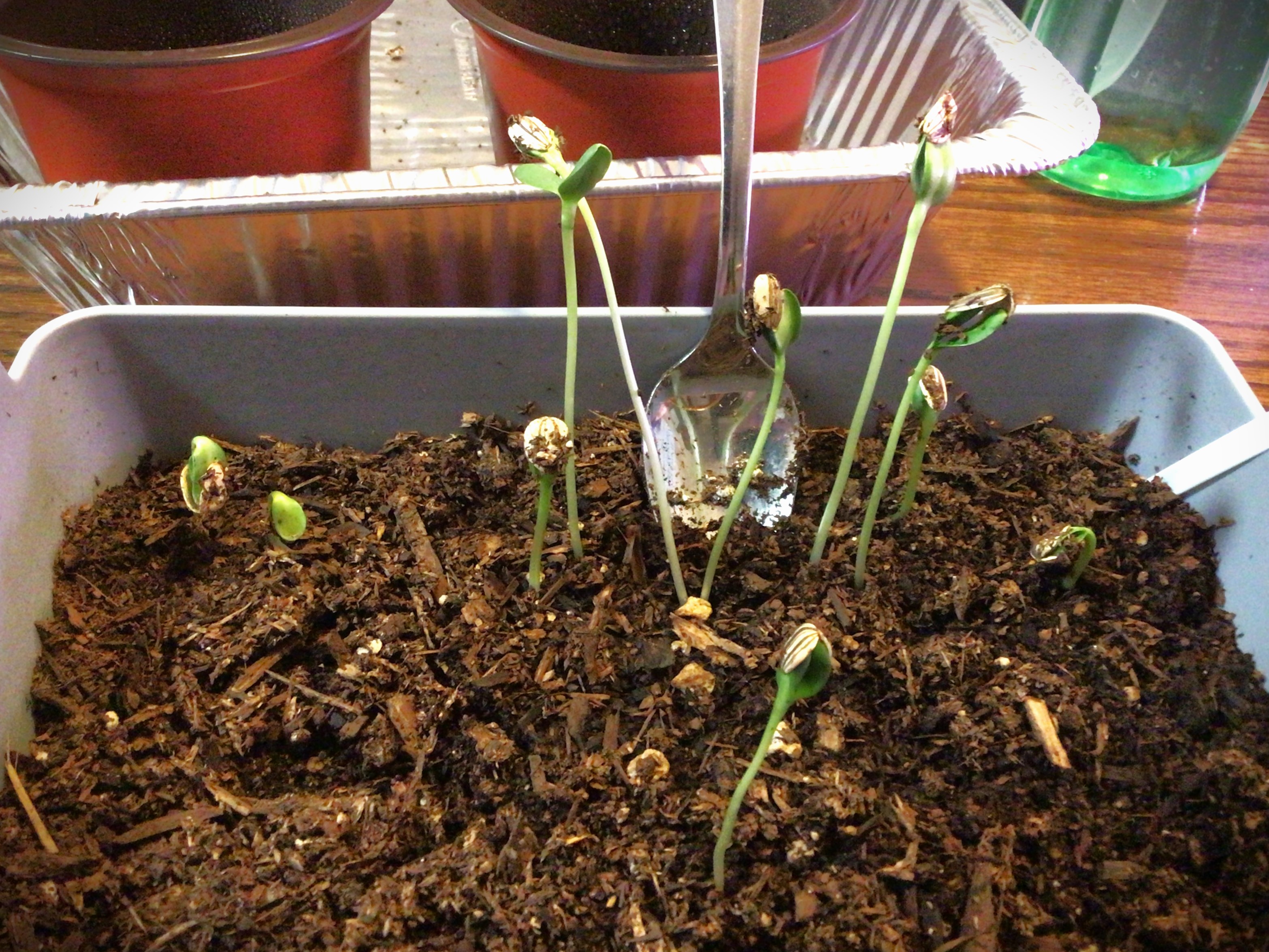
I’ve already repotted four other bunches of these sunflowers. You can see here that the seeds just didn’t want to sprout at the same time. I’m okay with that. I’m starting my seeds this way, because if none want to sprout, I won’t waste my limited garden space.

With how shallow this flat is, once these sunflowers get to a certain height, it’s time to repot them. They want to spread their roots and grow. And as much as they love this loose soil, it’s time to get these tall fellas into a pot where I can thin them out and give them more space.

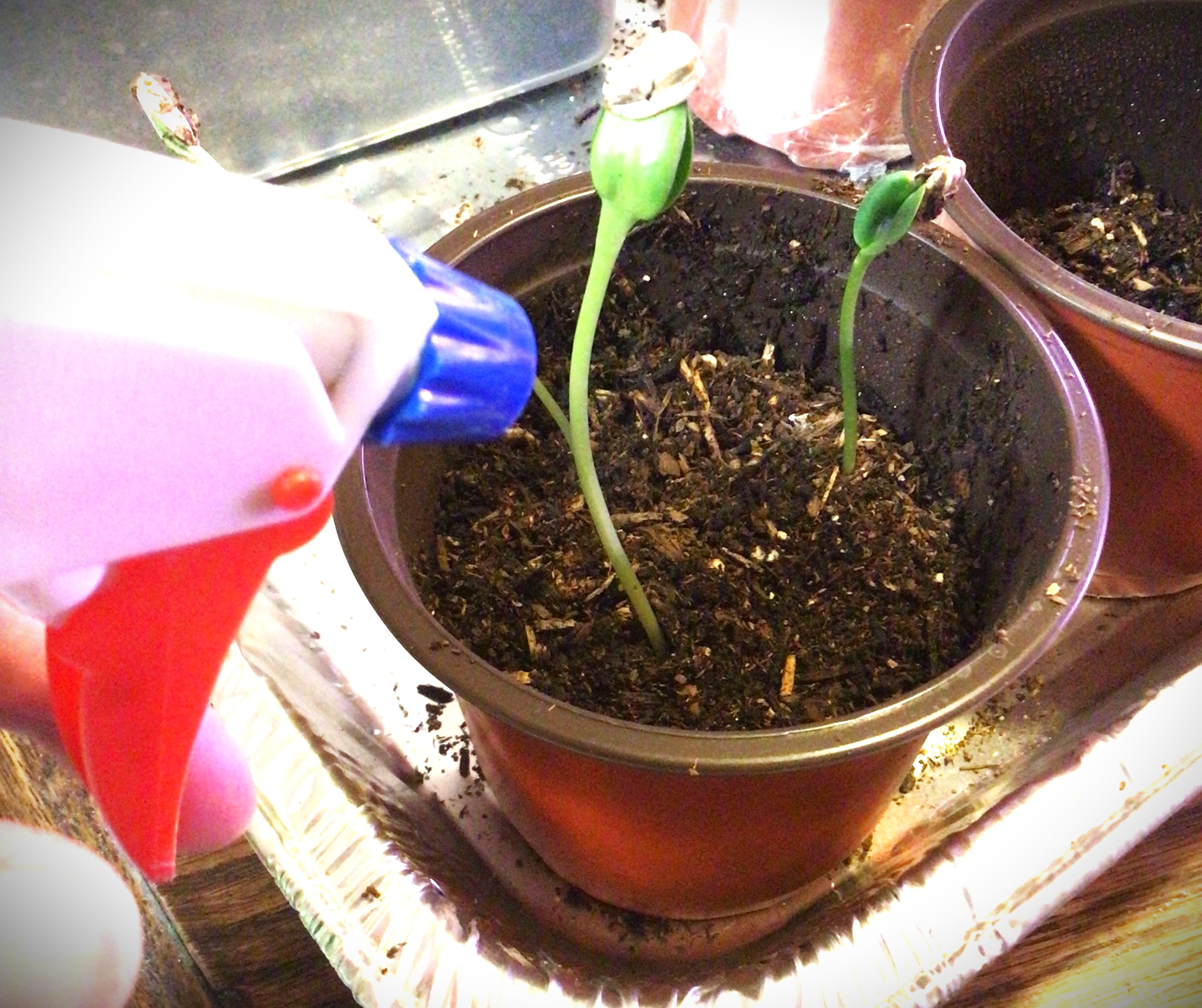
With my pots a third full I sprits the soil with some water so that it has a little moisture to start the seedling off. Next I go to my flat, with a spoon, and insert it off on the flat’s wall and gently lift up on the roots. With the roots free, I set the seedling on top and put soil around it so that it can stand on its own again. I’m putting 3 of these seedlings into this 6 inch pot.

Yes, this is not at the final spacing on the seed package. But if you’ve purchased plant starts, the majority of the time all the seedlings are crammed packed. You’ve also learned how to massage the roots apart. And you’ve also learned that you end up snapping roots. The plants do live and do grow.

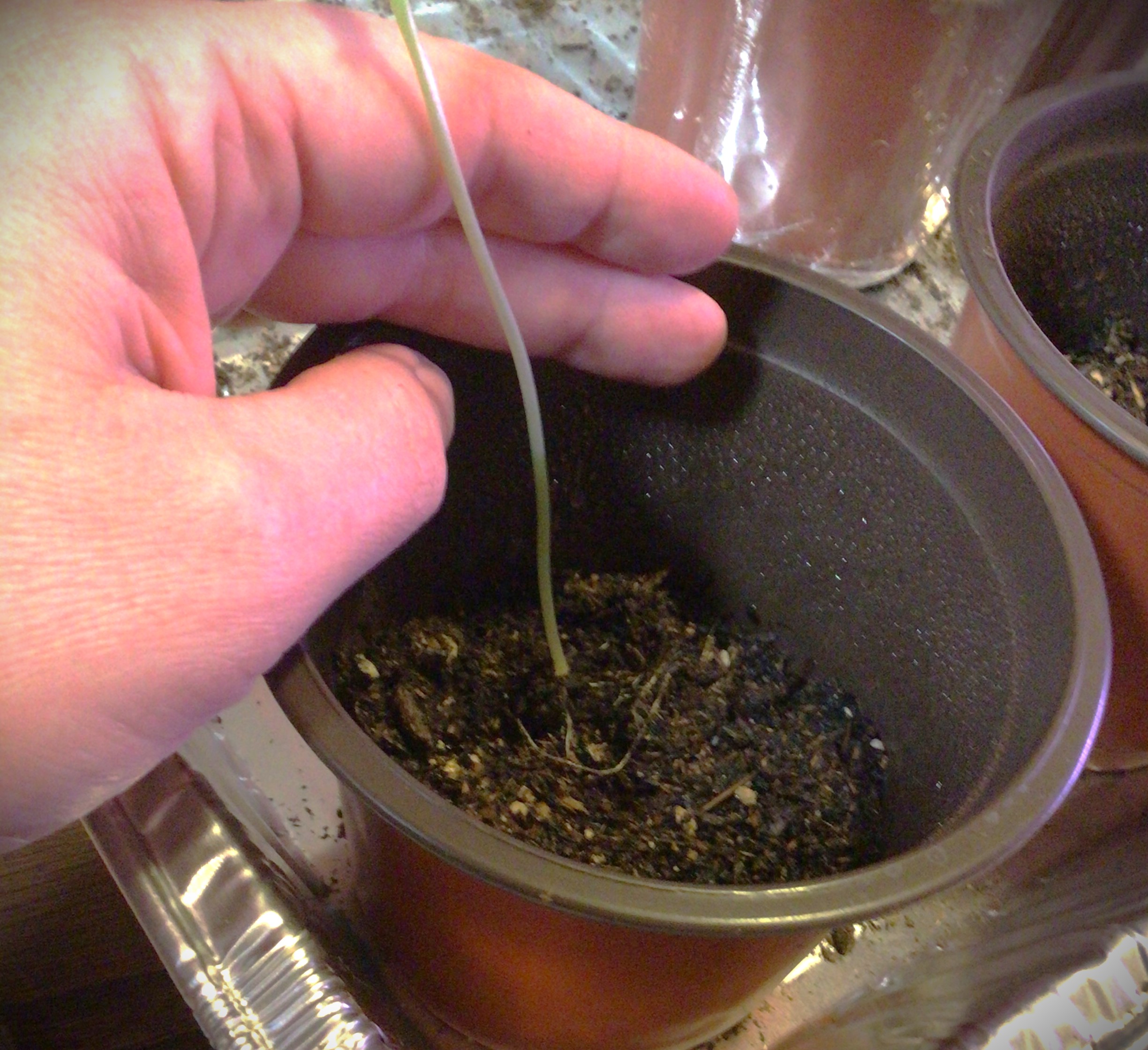
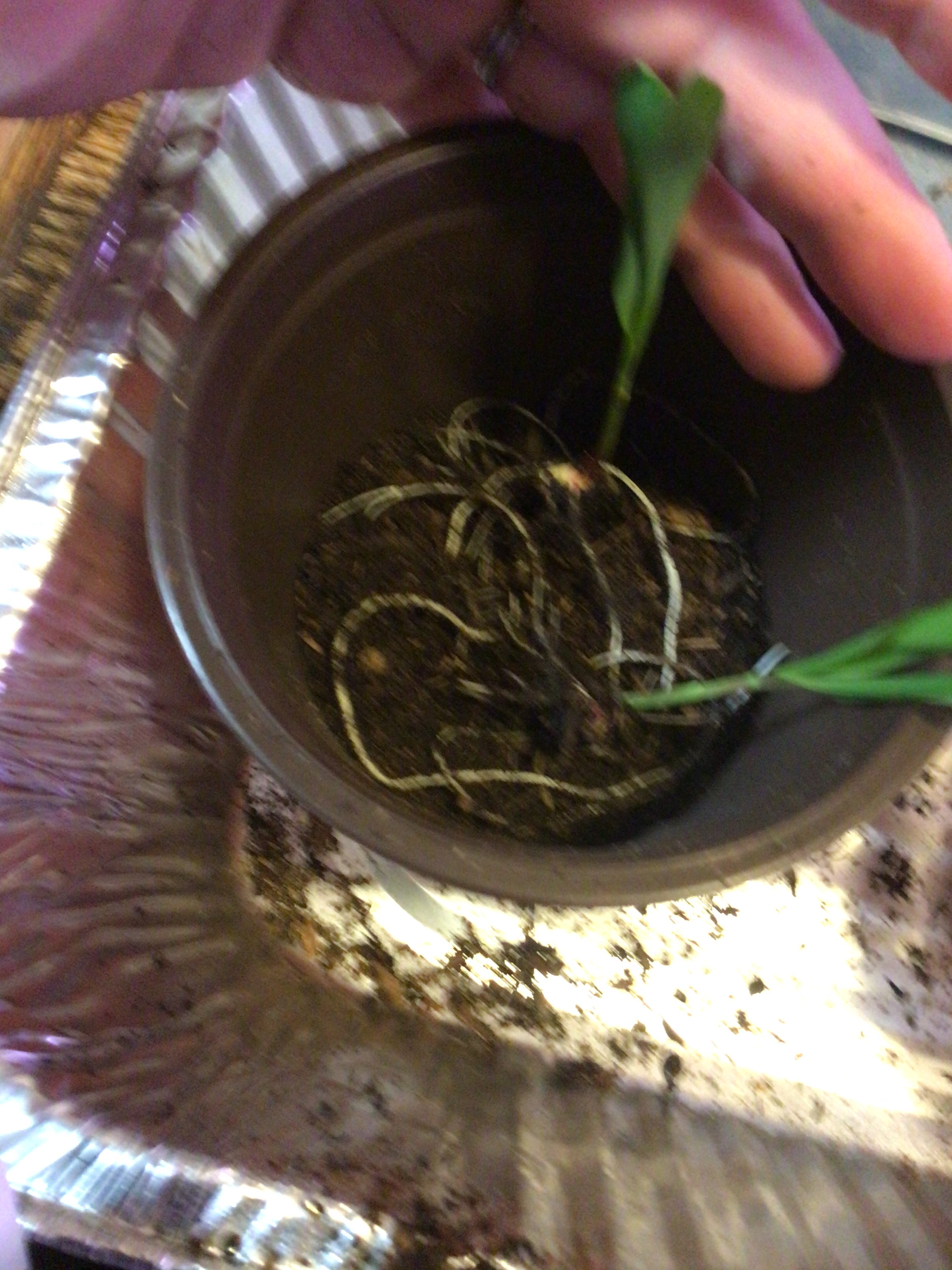
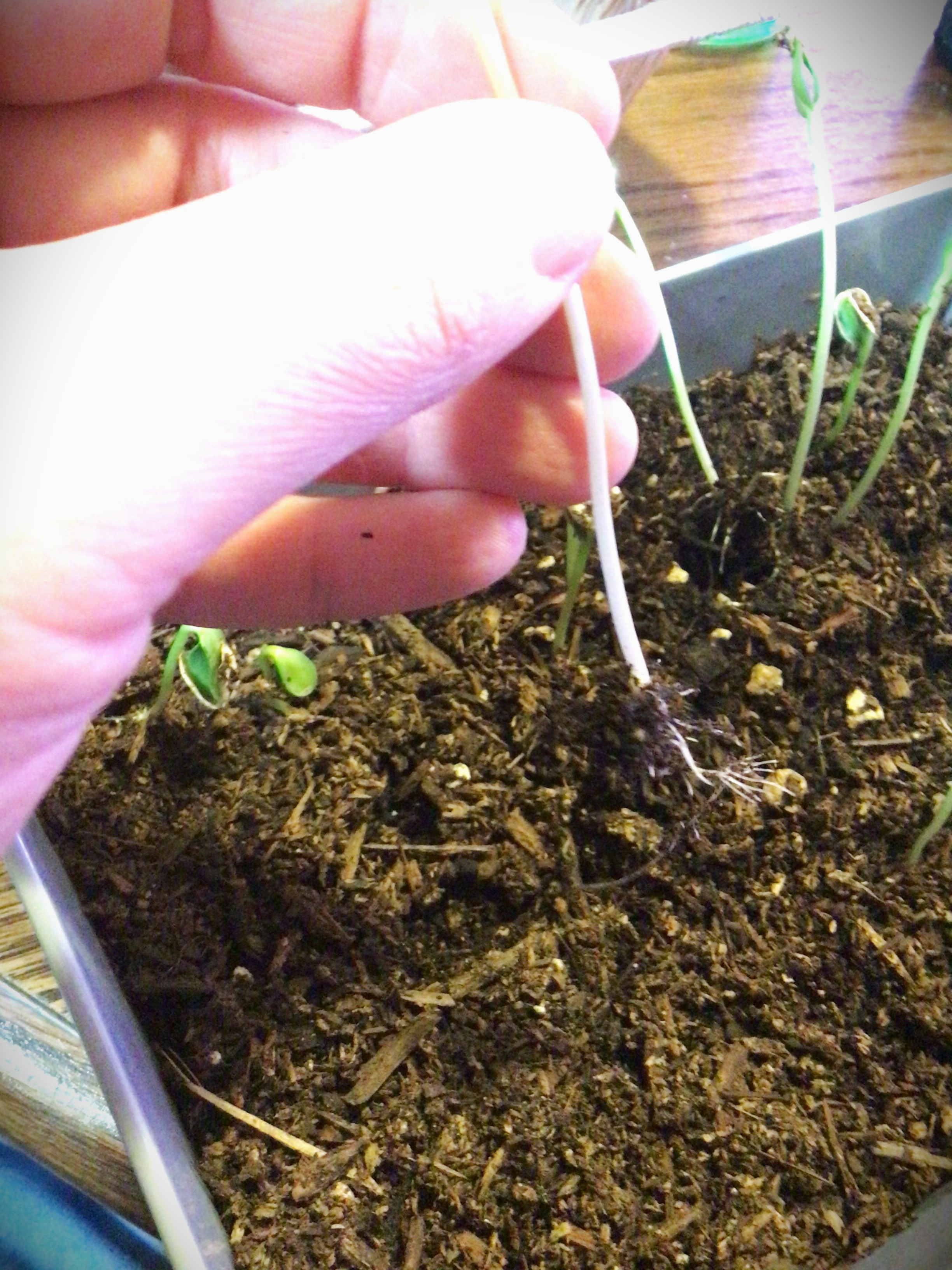
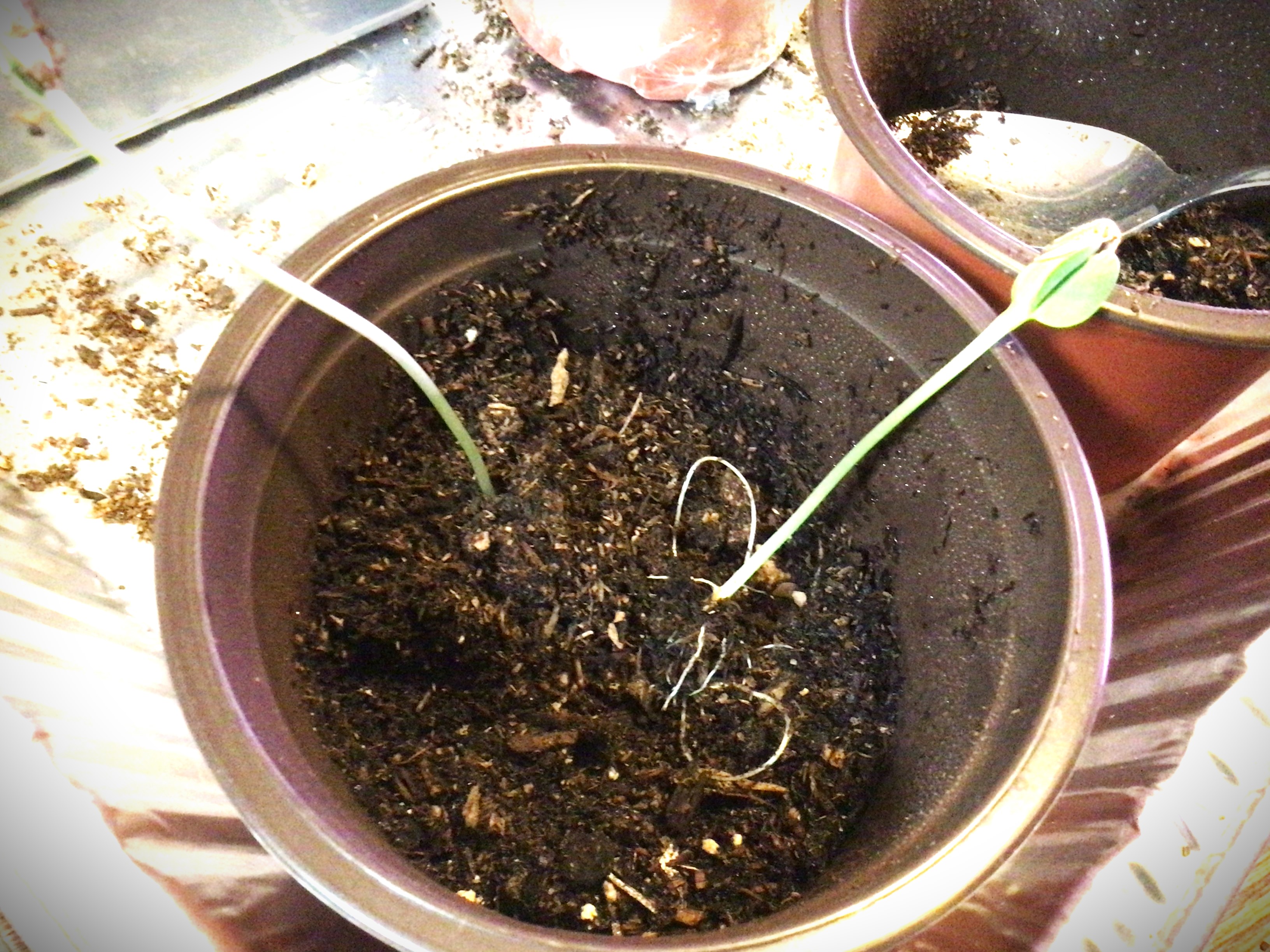
To minimize this breakage, if the primary root is long (you’ll see this shortly really well with some corn that I repotted), then I loop it on top of the soil as I get it settled into this new pot. The roots will still grow out and spread to fill this pot, but with the central heart of the roots a little more compartmentalized it should keep the greater heart portions of the roots of each of the plants more separate and easier to knead apart when it’s time to put them in the ground.

With each layer of soil I put down, I give it a spray of water.

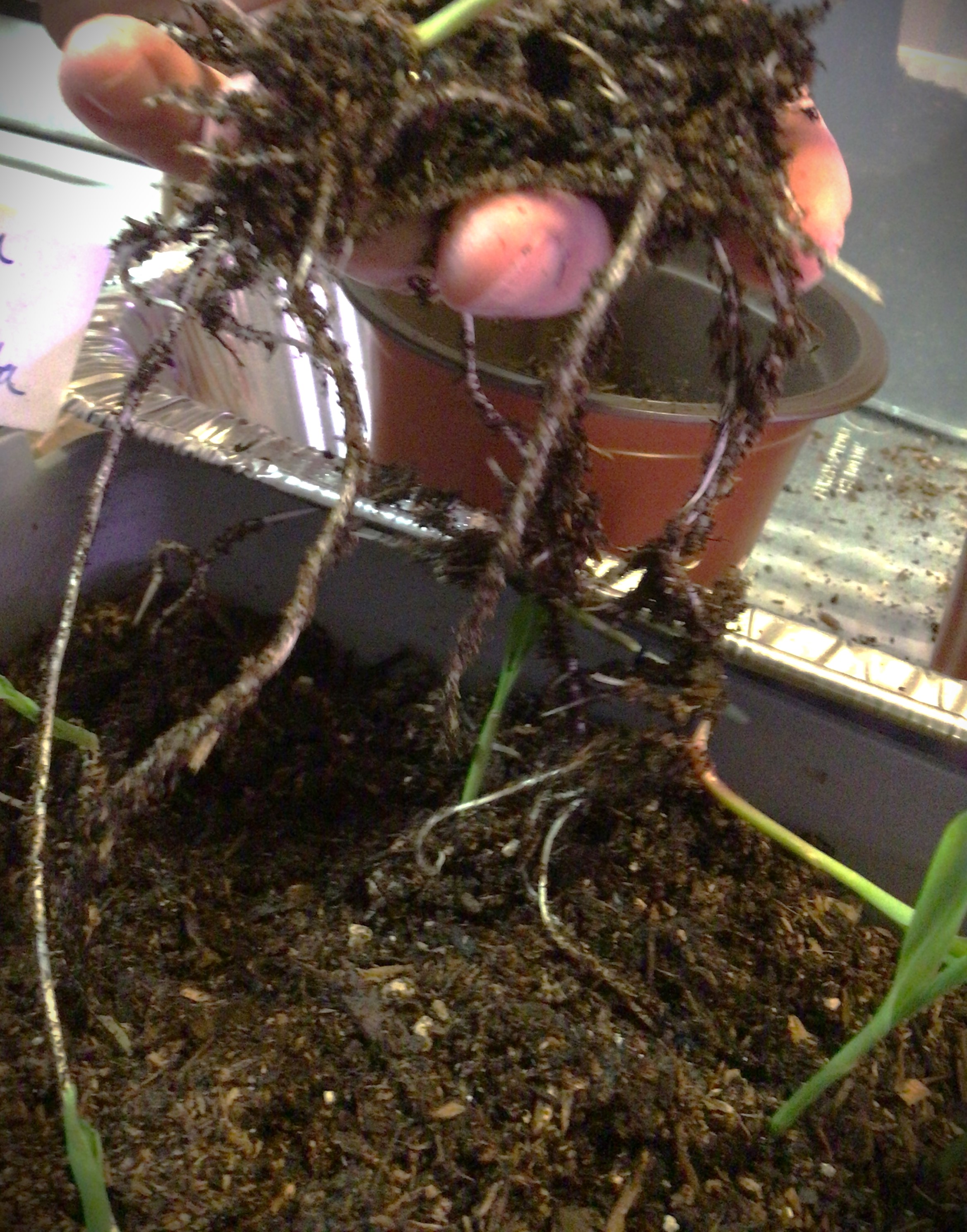
The corn on the other hand, I’m finding that their root system has vastly out performed in growth in comparison to the sunflowers.

Ok, I have to pause here and say that I was blown away with this root system growth, because I’ve uprooted my corn at the end of the seasons that I’ve grown it, and my direct sow root systems were maybe a handful at the end of a season.

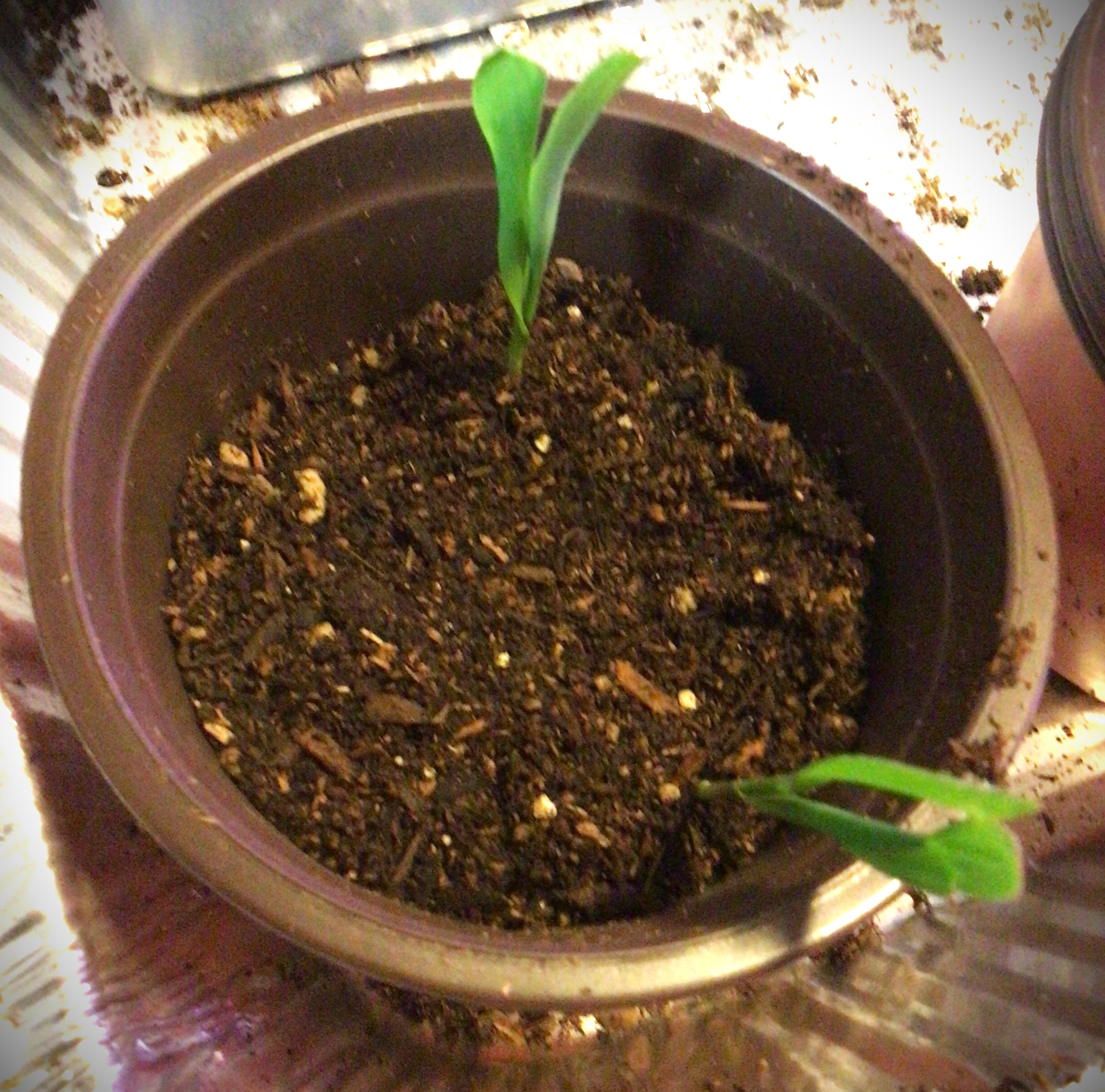
So here I have three seedlings in my hand and their main roots were already trying to wrap around the smaller ones that I didn’t want to bring out yet. These ones needed massaging already to separate. Originally I was going to put three seedlings in the pot, just like the sunflowers. But I still have frost going strong and I need more time in the pots. So I’m only putting two seedlings in the pot so that I can maximize root growth now.

Even with the fact that these roots are already large, they’re definitely going to fill the pot before it’s time to plant. So a weekly diluted spray of fertilizer is going to be necessary to keep these starts healthy and not eat through all the nutrients in the soil before it’s time for the roots to get adjusted to their new home in their final resting place of my garden bed.

I’m actually looking forward to seeing how these starts perform this year, because a few years ago I always bought corn starts and so many were crammed pack together in a pot of equal size. Those corns always underperformed.

But that’s the beauty of growing your own starts. You can do things differently.

If you talk with anyone who pour their lives into perennial plants, you will always hear them talk about their success comes from healthy root system. If perennial plants grow healthy with focus on their season of root growth (during the winter), it really makes sense that annual plants really benefit from root growth as well. Yes, their life span is short. But if you’re looking to get a good return, in the form of produce, attention to root growth is necessary. If a plant has a healthy root system, their rest of the plant is going to be healthy too.

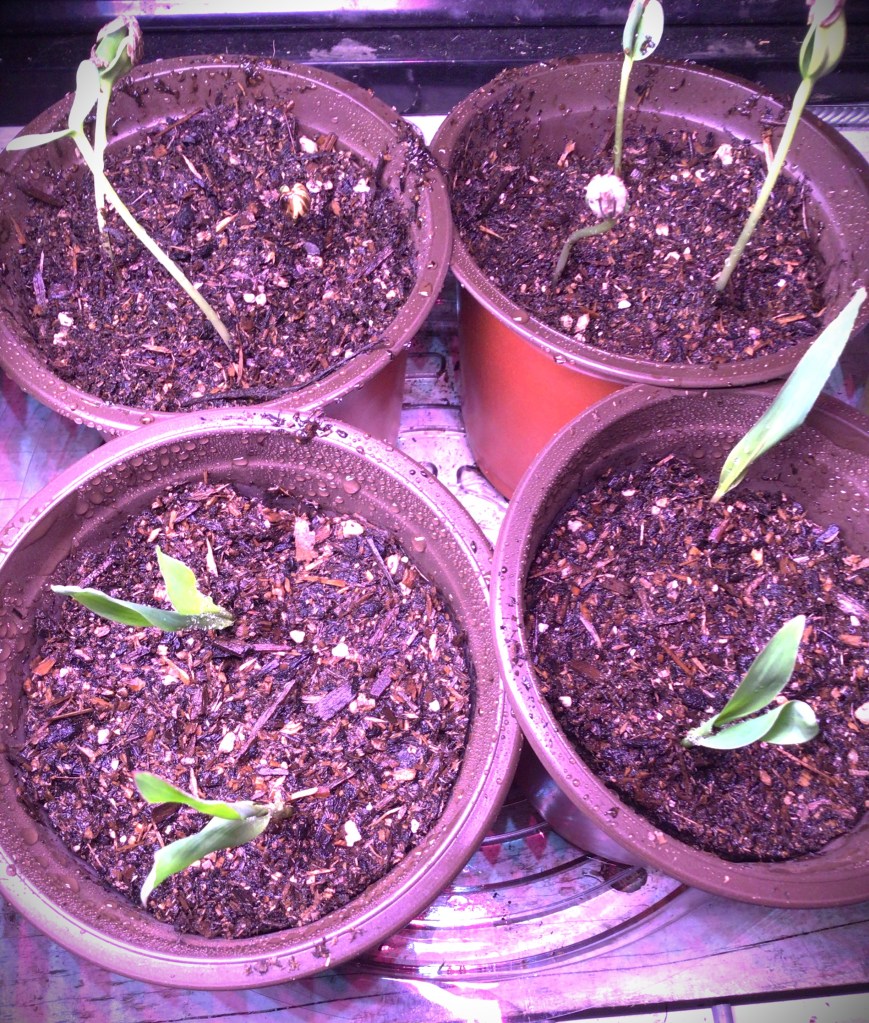
Here’s the new home of these sunflowers and corn. I have a whole lot more starts to repot. Some will be repotted into different size pots, and some in different composites. I’m currently experimenting for what’s going to work best for my garden and me. Just like not all parents share the same parenting style, neither to plant parents (or gardeners). Our soil isn’t the same. Our touch and interaction with plants aren’t either.

As I leave you today, I just want to let you know that it’s okay if your garden didn’t do well last year. It could have been the fault of the weather. It could have been the seeds, starts, or root health of the plant. It could be a combination of so many things. But I want you to know that you are empowered to do things differently. There’s not one set way of doing things successfully with your garden. You really do have your own science experiment that you perform each year, because the variables will change. Last year my changing variable was the weather. And I learned a lot. A LOT.

This year I choose to do things differently to see what happens differently. I’m pushing through more seeds than I have in the past. But I’m also growing out my long maturity plants so they have more time. I’m choosing to thin the least healthy starts even before they go into the ground and maximizing the use of my small garden.

How are you doing your garden different this year?

Advertisements

Processing…
Success! You're on the list.

Leave a comment

Advertisements
Advertisements

Bless This Garden

This year I’m working in concert with others in a garden. (I am so excited for this!) If you’re as busy as I am, you can imagine how quickly things slip through the cracks.

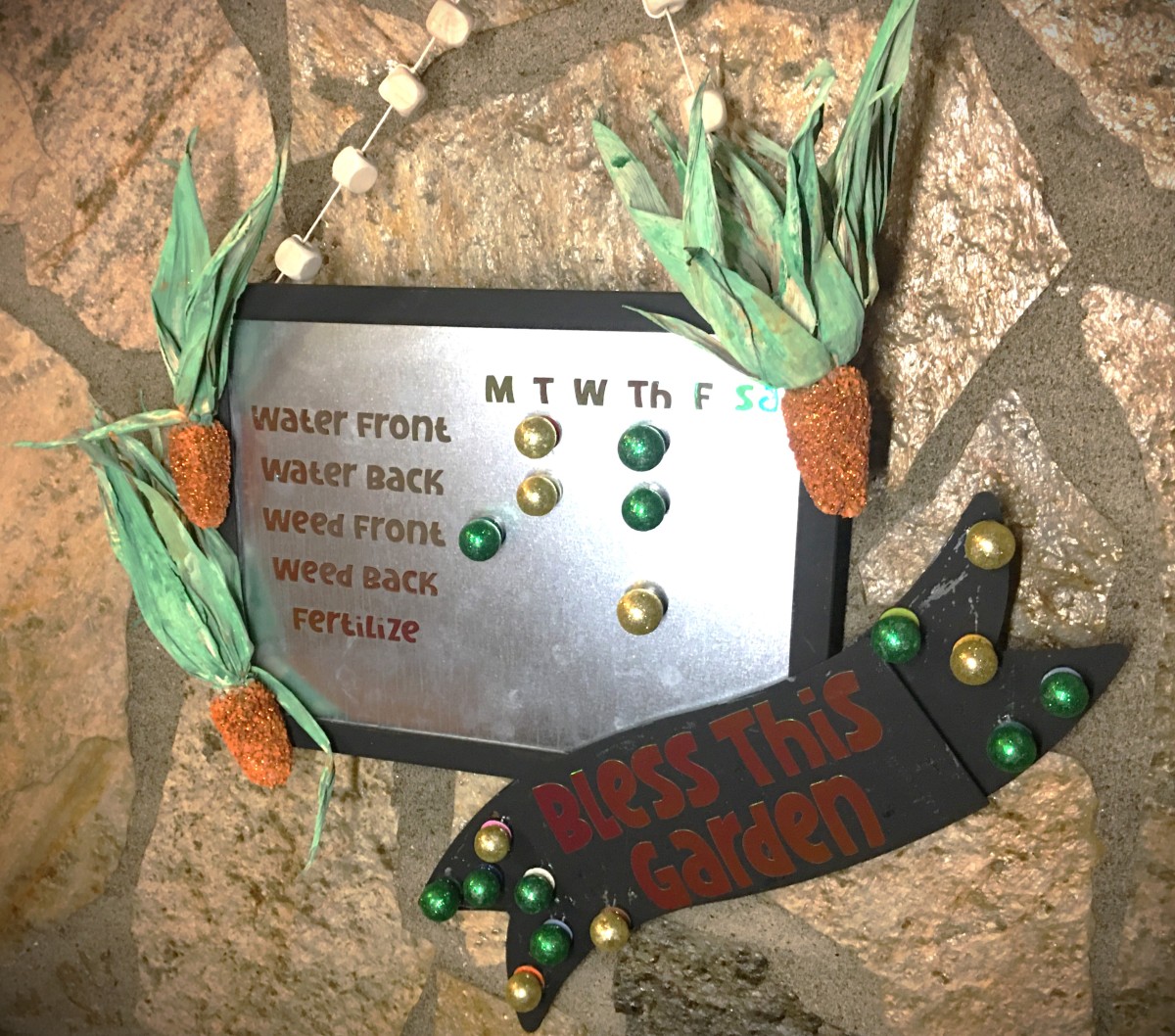
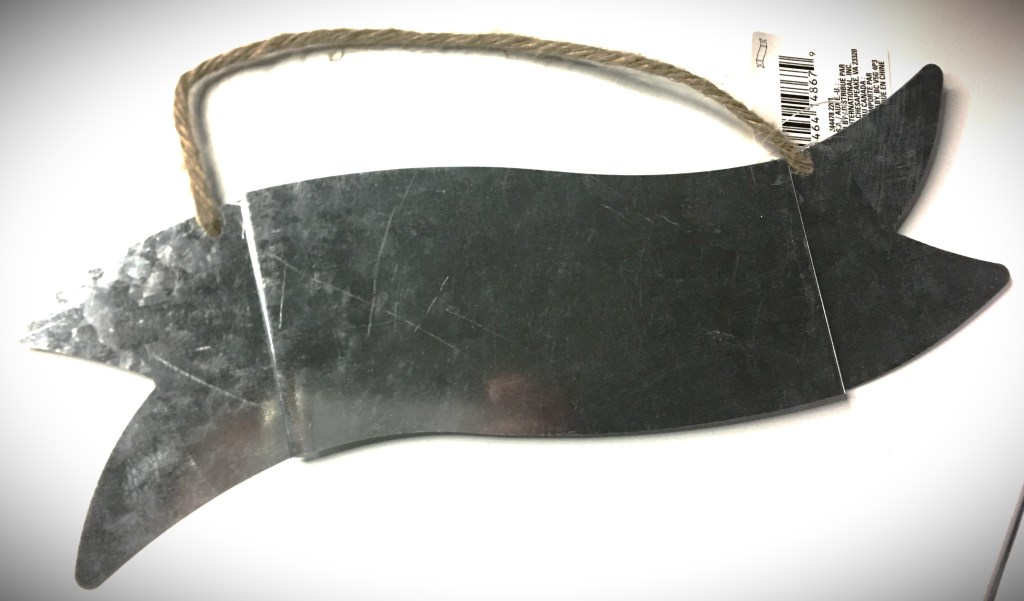
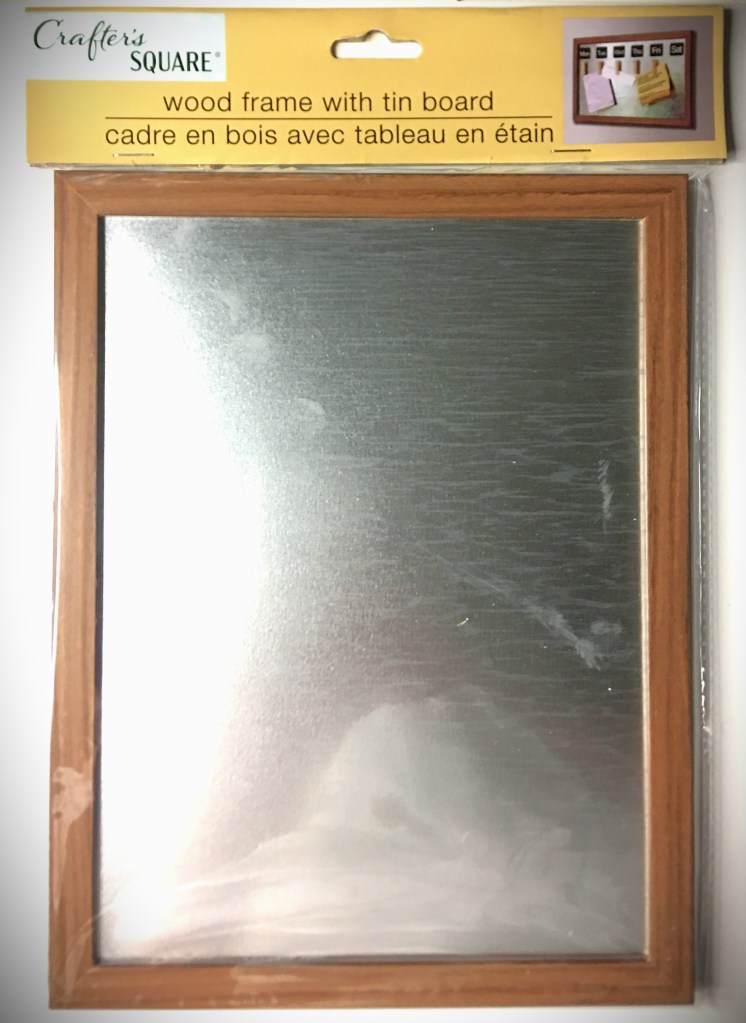
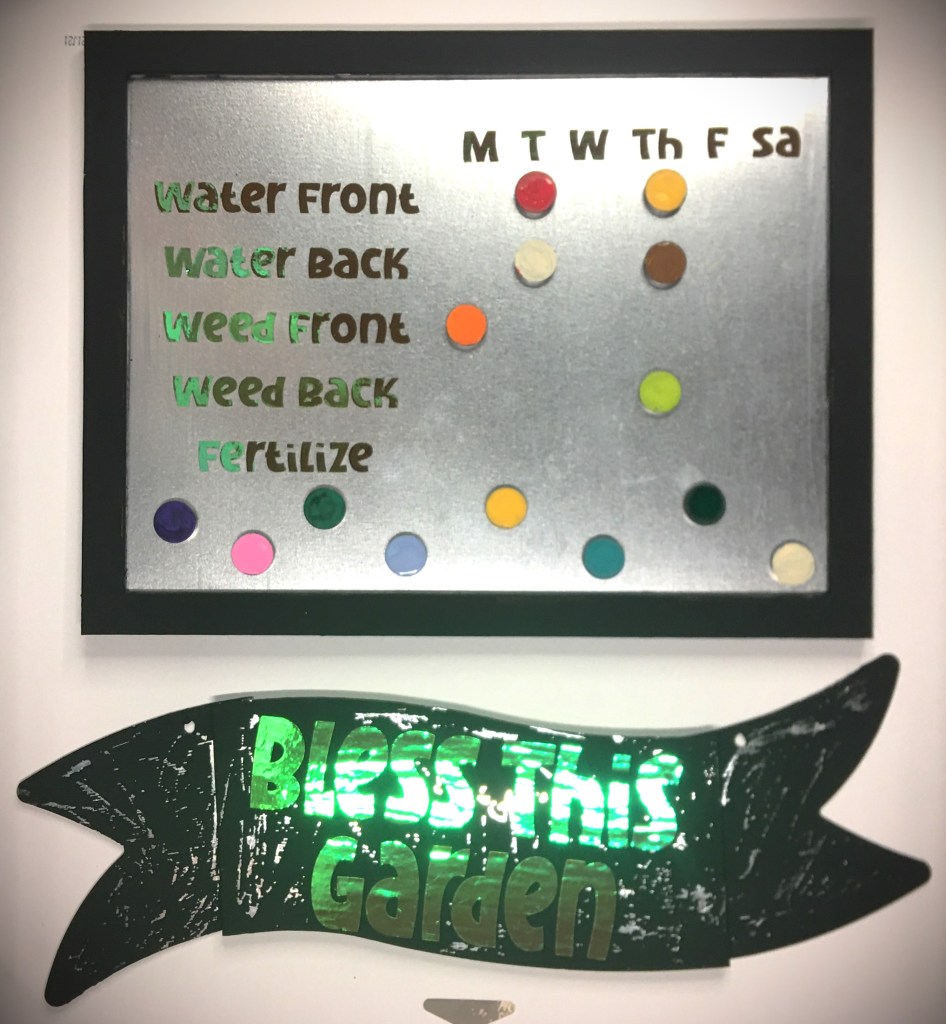
After hitting my local dollar store, I found some pieces that are going to make an inexpensive tool that doubles as home decor, all the while keeping tabs on what’s been done.

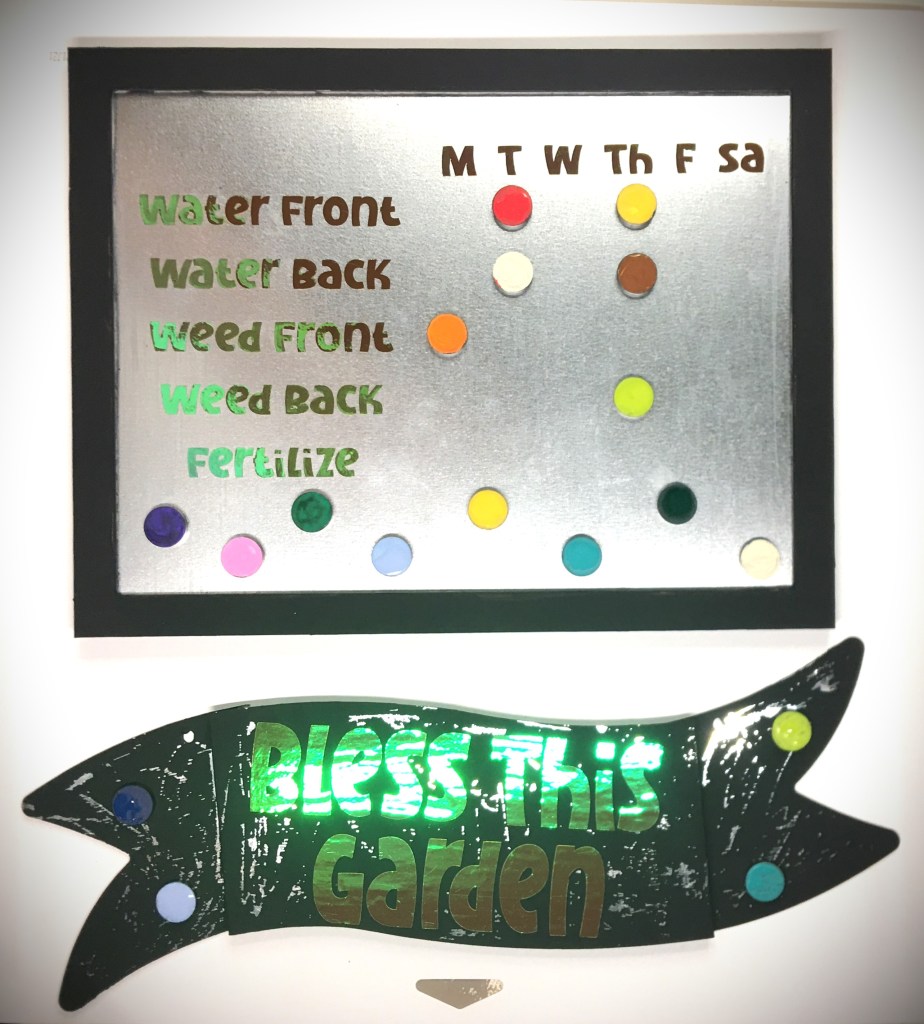
With these I decided to make a magnetic board where anyone tending the garden can quickly mark what they did.

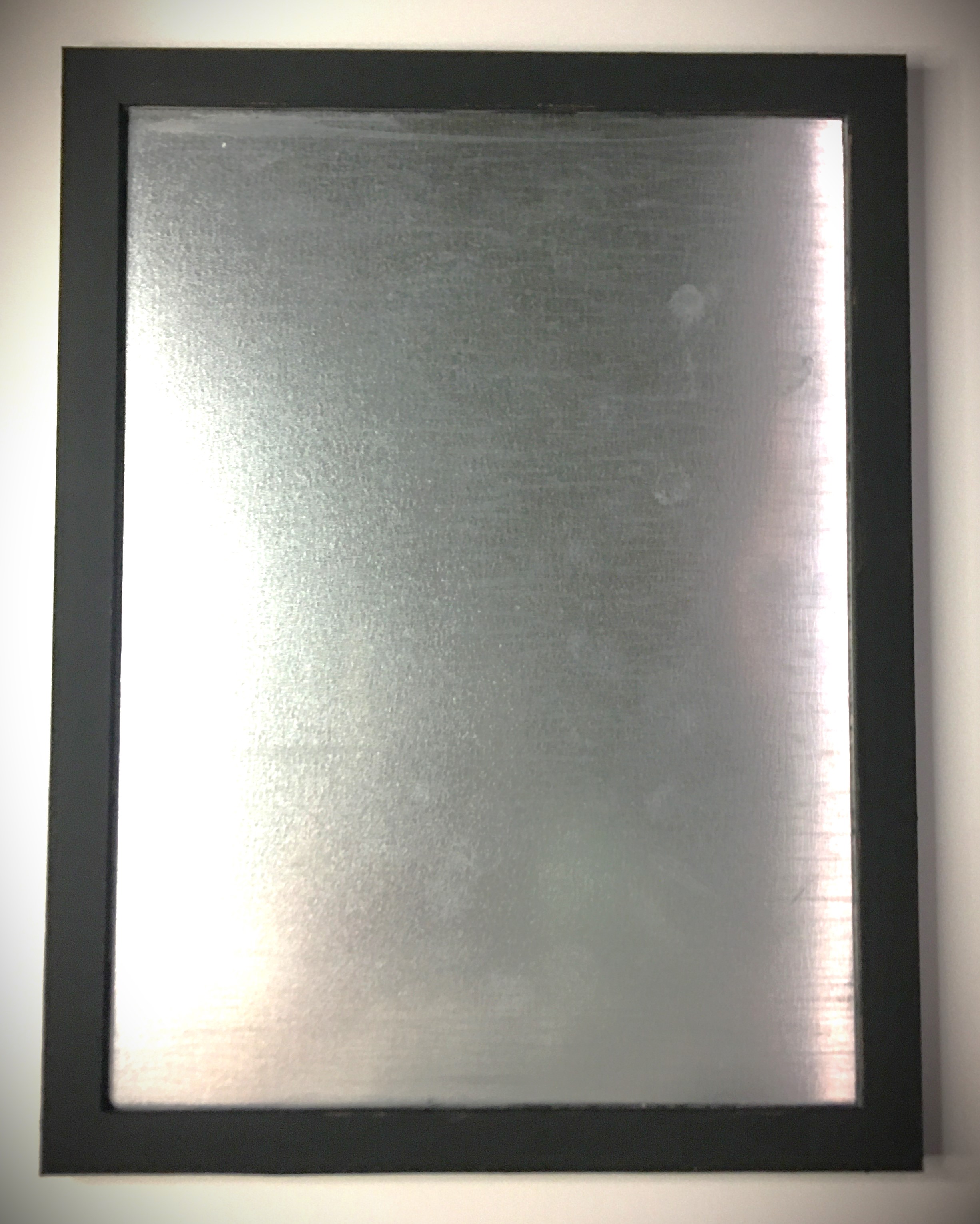
I know the galvanized finish tends to overtake everything. So with the galvanized frame and banner, everything gets lost real quick. Not to mention that the frame was a really bad fake wood. To dress all this up a bit and minimize the galvanized look, I painted the frame and banner black.

I forgot to take a picture of the banner painted in flat black chalk paint (the same paint as the frame). It looked too minimalistic for my taste, so I took the transfer tape (which I used to apply the vinyl text) and put it straight onto the paint. Some places lifted the paint quite easily. But to get the distressed look, I scratched the tape

The magnets needed a little something extra. There are so many things that could be done. I have children and they’re helping with this garden and they’ll also be marking what we do when we work, so I went into kid zone and painted the magnets with acrylic paint and did all the colors.

If you want to keep minimalistic, pick your favorite color.

Love things that sparkle, glue on gem stones or use glitter.

What about texture? Glue on fuzzy pom poms, baby pine cones, large seeds or nuts… literally whatever catches your imagination. Maybe you have a farm and want to use small farm yard figures and animals. (I wish I had these in my craft room!!!)

Something that is great about using the galvanized banner is that the extra magnets can be kept on the banner so you can add stickers, personalization, more tasks, or a note section in the blank space on the bottom.

And then while typing I decided to go a different direction.

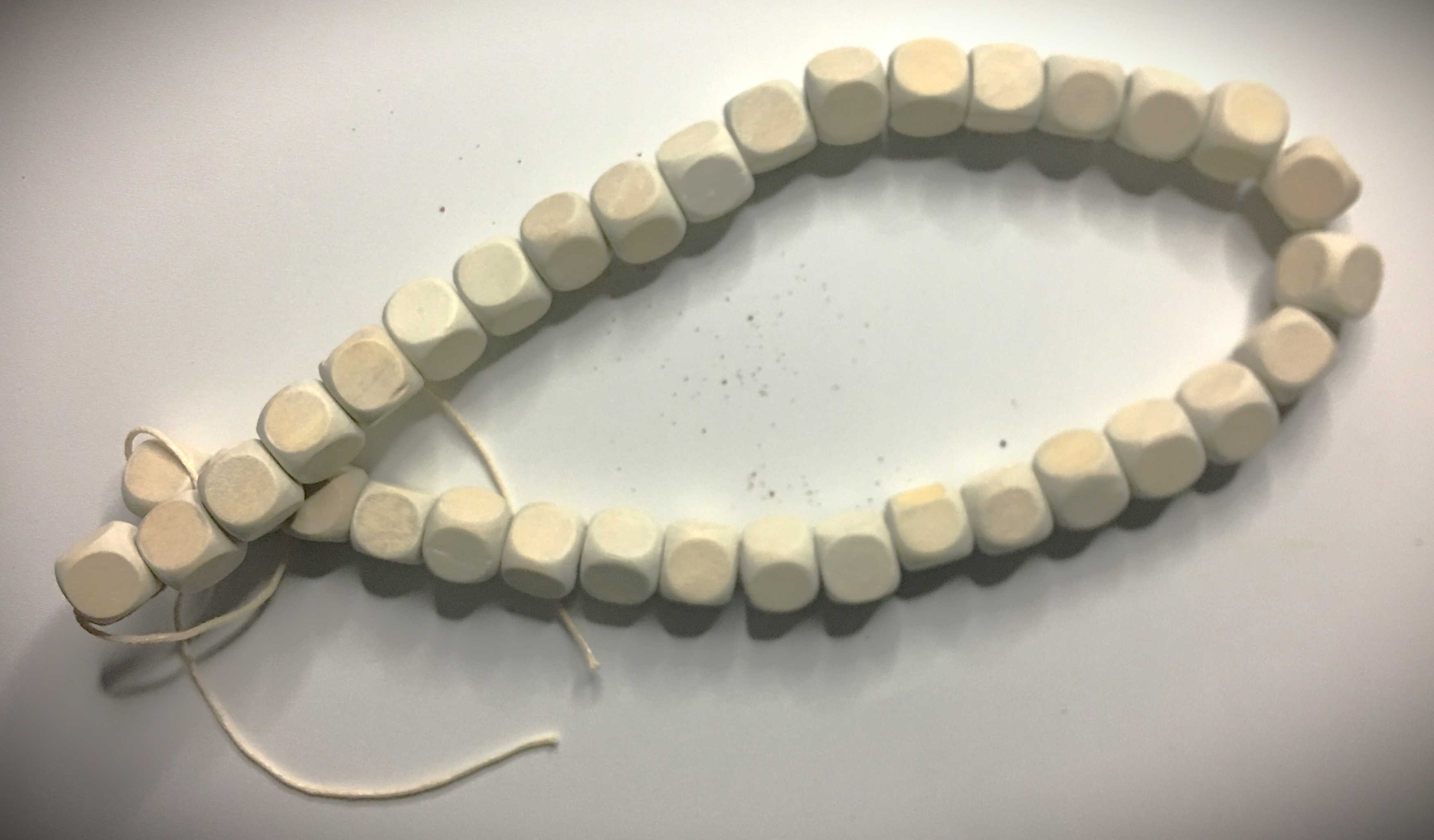
I pulled these out! Last year I made carrots out of my corn cobs. And I brought out the wooden beads from my drawer (which I also got from my local dollar store).

With the beads I removed them all from the string they came on and noted how they tied off the end bead to keep them all on the string. This “knot” that they used was how I spaced the beads further apart on the string.

Once I made those changes, the colorful “polka dots” needed to change. The gold and green glitter styrofoam balls simplified the overwhelming colors.

Even with the new modifications hanging, I’m not satisfied with the final color scheme. And sometimes that happens when you’re creating. You start building from the image you see in your head and make a change here or there and an earlier idea you loved just doesn’t work anymore.

The black isn’t working anymore. I loved the idea to begin with because it was a nice basic color that goes with where I was going to hang this. But it’s just not working anymore.

Advertisements

First thing first, I need to lighten up the banner. So I’ll be distressing it heavily so that the majority of the galvanized metal will show through. With the addition of the carrots, which obviously take the spotlight, I can bring out a lot more of that metal and the metal is not going to overtake and make everything else hide.

But before I do that, I need to decide what I’m going to do with the frame and that’s going to take a few days of looking at it to see where I want to go. At the moment, I’m leaning toward the idea of painting on white striped and creating a plaid hand painted design on it. If I go that route, I might keep the banner predominately black still and incorporate that same design element into parts of the banner.

Stay tuned to see what I finally decide!

Advertisements

And I’m going to leave you here in this moment just because sometimes the right thing is to take a step away from a project and let it tumble around in your brain. You don’t always have to have the answer right away. And you don’t always have to have things done in an hour.
Perhaps it’s convenient to have an idea presented to you in a finished state.

But I’m going to leave you here with your own thoughts. Because I know someone has that inner voice screaming, “You need to ____!”

Go ahead and leave that comment below.

Or better yet, use that idea to make your own magnetic board for your daily tasks, your children’s chore board, a classroom helper sign, your regular “Honey Do” list, or that board that I didn’t mention but you just got the idea for.

And when you’re finished, send me a picture so that I can see what you came up with.

Happy Crafting!


Want to have the cut file for Bless This Garden, click here.

Processing…
Success! You're on the list.

Leave a comment

Advertisements

Planning Your Garden

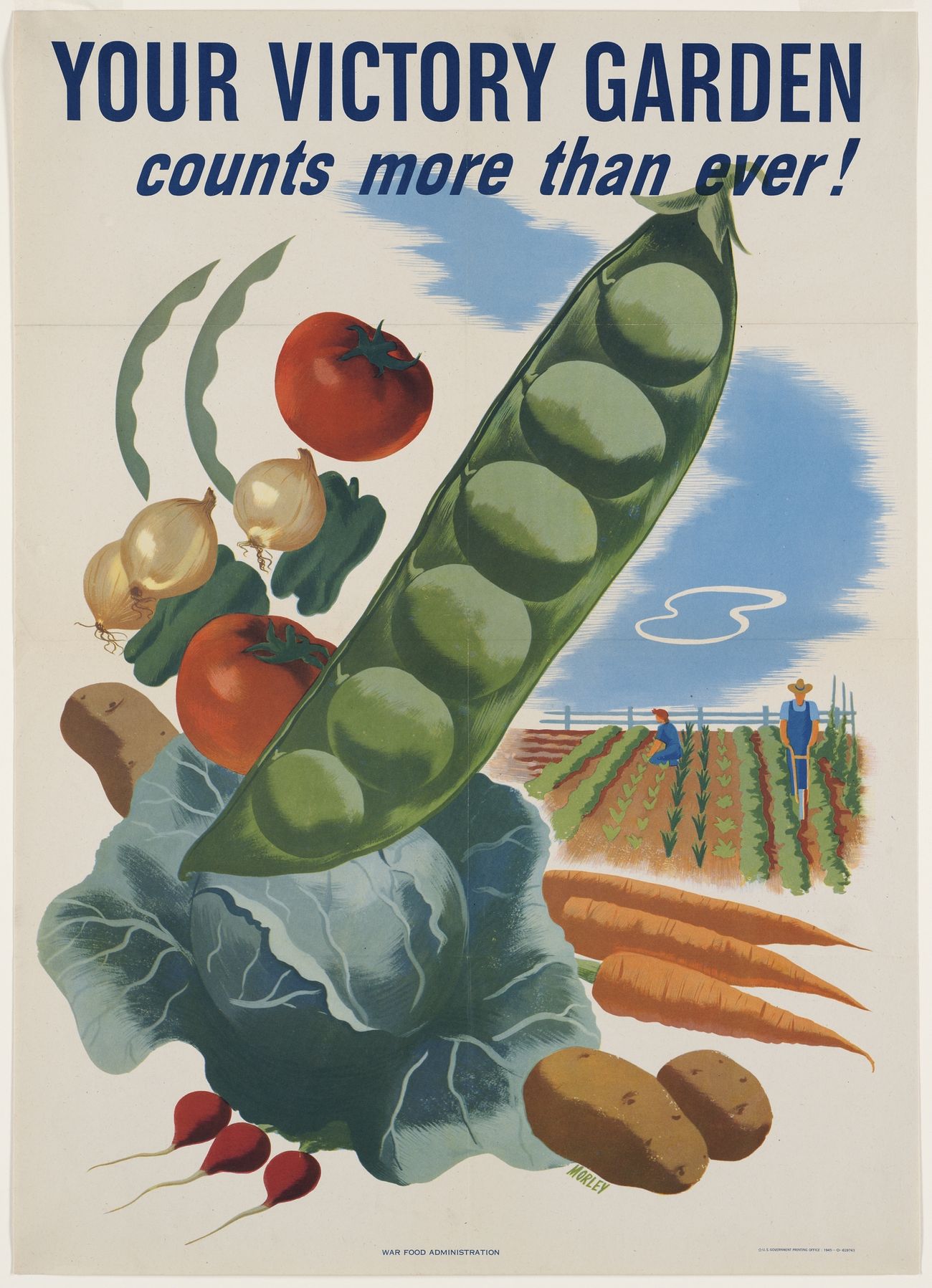
It’s that time of year where we need to look at the space we have to grow a little something to supplement what we get at the grocery store. This year, more than ever, is this important. Grocery prices are skyrocketing, independent farmers are finding it more difficult to stay in business, and there are just times where you want to buy produce and there was a run on that item with nothing left for you.

The great news is that you’re not held captive by what is or is not available in your local market. Even if you choose a little something that is easy to grow, that is one less thing that you have to depend on others for putting up in your kitchen.
Maybe a Victory Garden sounds intimidating. You don’t have to go down the rabbit hole of homestead farming. Start by picking one vegetable that you eat a lot of. Do you use a lot of pasta sauce, tomato paste, tomato soup, or ketchup? You can start by growing some tomatoes and offset those items that you usually buy from the store by making it yourself. You will find it surprising at how few ingredients you really need to make those items. And you cut those preservative and other junk ingredients out of your diet that are put in those commercial products. And tomatoes are not demanding when it comes to you time. You can fit this vegetable into the cracks of your time.

Even if you respond to me right now by saying, “I’m not a vegetable gardener. I plant flowers. I love flowers.”

Advertisements

Did you know that right now the price of living has risen so much that people are putting off doctor visits because they can’t afford to pay the co-pay? In 2018 44% of Americans skipped visits due to price. (Forbes) In 2021, 41% skipped visits due to pandemic concerns. (AMA) Even with statistics provided in December, 2022, 40% of Americans still are avoiding visit for various reasons. (First Stop Health) This is a reality for many people. But that doesn’t mean that you do not have to go without treating your body with items from your garden, even your flower garden.

There are many flowers that you can grow in your garden that have medicinal properties.

Flowers

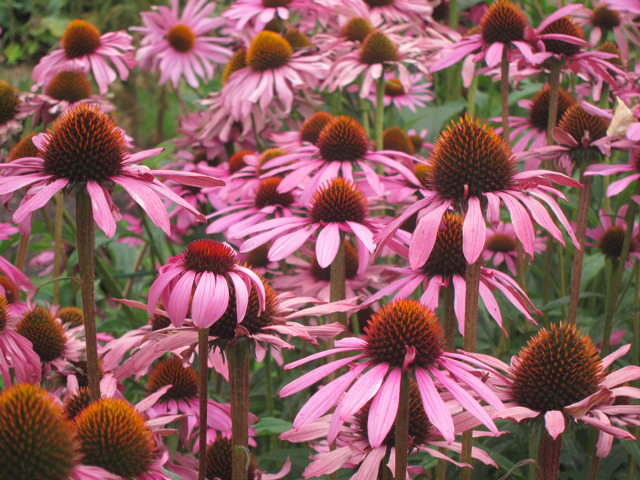
  • Echinacea: good for boosting your immune system and fighting colds and flus.
  • Rose Hips: (the dark pink or red fruit seen after roses have gone dormant for the winter) are high in vitamin C and good for fighting colds and flus.
  • Lavender: treats insomnia, reduces blood pressure, reduces menopausal hot flashes, and treats acne inflammation.
  • Dandelion: there are so many uses this flower has but some are soothing an upset stomach, aide with gall stones, and detox your liver.
  • Mullein: benefits for your lungs, sinuses, and ear aches.
  • Bee Balm: helps relieve flatulence and urination.
  • Yarrow: helps with fevers.
  • Elderberries: are high in flavonoids, vitamin C and A, betacarotene, iron and potassium.
  • Comfrey: is great mulch for all gardens (hint: in case you find it difficult to find a fertilizer). It also has anti-inflammatory properties (great for many different skin conditions), but also has a long history of being a bone mender. There are many medical articles that talk about how using a comfrey salve can decrease your broken bone healing time by half.
  • Chamomile: helps with muscle spasms and insomnia
Advertisements

There are so many more flowers that I could put on this list. Last year I started increasing the amount of medicinal herbs and flowers in my garden. Not only are herbs amazing for making your meals flavorful (hello oregano, sage, basil, and the whole mint family), but they can also be used in tea with the above flowers to help treat the symptoms of oncoming colds before you become sick. Or maybe you have a skin condition where you need to look for specialty soaps in the store. Did you know you can make your own soaps for a fraction of the price and better for your skin? Fact!

I’m inspired. What’s next?

Whether you’re ready to grow your own vegetables or just want to stick to our flowers, there are plants that do well next to each other and ones that don’t. So by planning on where you are going to put everything you want to grow, you can be sure to keep the friendly plants next to each other and competing plants away from each other. And by knowing if your herb or flower is a spreader, you can plan on keeping them in their own contained area.

Some vegetables you can’t plant next to each other:

  • beans and onions
  • tomatoes and corn
  • celery and carrots
  • garlic and leeks
  • carrots and herbs (parsley, dill)
  • onions and beans/peas
  • lettuce and broccoli
Advertisements

Vegetables that should be planted next to each other:

  • garlic and tomatoes
  • spinach and strawberries
  • beans and tomatoes
  • tomato, basil, and lettuce
  • corn, beans, and squash
  • radish and carrots
  • carrots and onions

By searching companion planting and the vegetables you want to grow, you can see what grows well together. You can also find out what does not do well together.

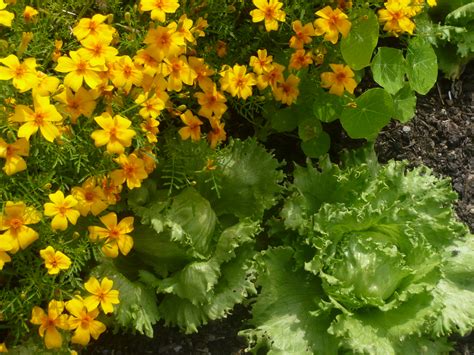
For example Marigolds deter pests that attack tomato plants, brussels sprouts, cabbage family, and bush/pole beans.

Search not just for vegetable companion planting but also flower companion planting.

  • Geraniums and Roses do well next to each other
  • Coneflowers and Black-Eyed Susans
  • Astilbe and Hosta
  • Hydrangeas and Daylilies
  • Daffodils and Amsonia
  • Daisies and Petunias
  • Marigolds and Lavender

Saving Time in the Garden

Now that you know what you want to plant, what does well together, and what doesn’t do well together, don’t wait until it’s time to plant your seeds or put your starts in the ground. Spend the time now in drawing out your grow space and determine where you will put everything.

I grew up putting seeds in the ground without a “map”. We would spend all day planting in a small garden because there was a swapping around of seed packets and other time wasting activities. Last year I mapped out where I was putting everything. By the time it came to putting seeds and starts in the ground, it only took me a couple hours to plant twice the area that my mother’s garden was.

Advertisements

Plus, that “map” had the added bonus of being a reminder of what I planted where. This is particularly important because I planted cabbage and I can’t plant any brassica vegetables this year where I planted cabbage last year because of the competition between these two vegetables.

Not everyone keeps a garden the same way. The focus on most of the gardening community is that you just fertilize your garden, or scorch and burn to add nutrients back into the garden. I decided to practice not just crop rotation, but also resting the land. All throughout history these two practices were how farmers kept land without all the modern conveniences of amending soils with fertilizers and other products.

By keeping this “map”, I can keep a record of how long I’ve had a garden plot, planter box, raised bed, pot, or any other container. This puts a concrete calendar that tells me when it’s time to rest an area. This past year was my first year in resting the very first garden bed that I started. It made me nervous letting a decent size space go fallow. But I watched saw that only a couple dandelions sprouted in the bed. I left them because one of the jobs of dandelions is to draw up nutrients from deep down in the ground to the surface where my vegetables for this year will use. But dandelions always grow where they are most needed. It was encouraging that there were only a couple and not a whole garden bed full of dandelions. So the rotation and natural fertilizing with compost and tea from comfrey is doing its job.

Advertisements

By watching your land sit during a year of rest, you can see what you are working with. Because your land will talk to you just like your plants will talk to you. They will tell you if something is wrong.

How to map and plan

I’ve looked at so many different sheets that homesteaders put together to share their process. The problem I’ve had with everything that I’ve found is that I have to shift through a dozen different pages to note the information that I want.

This year I decided to make my own sheets that are simplified and keep the information where I want it.

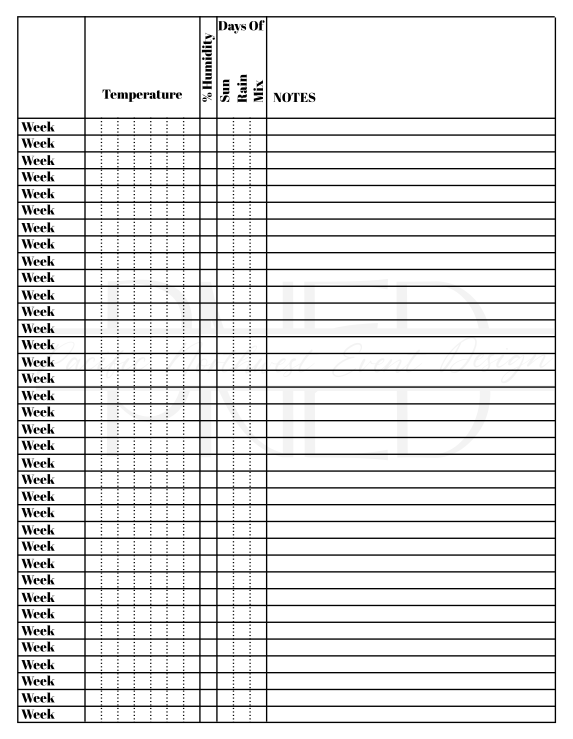
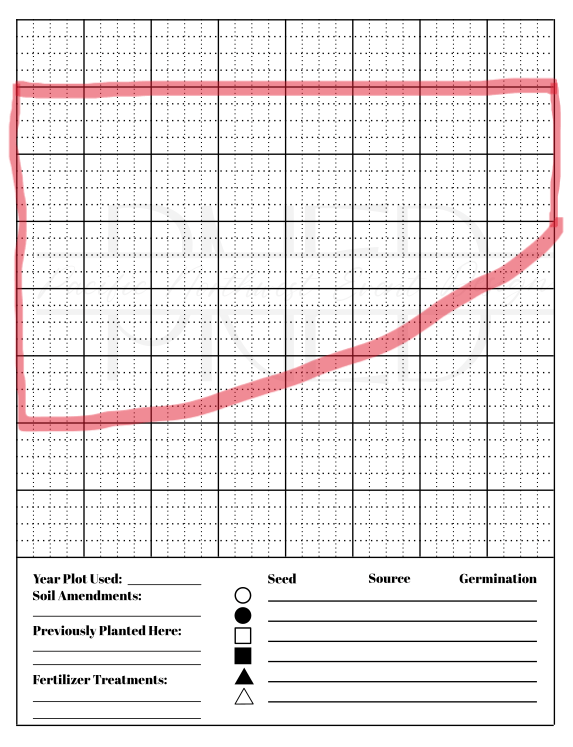
I’m providing my 8×8 Garden Plot and Weather Log for free on my website. Just click here and select the style that you want.

Why is a weather log important?

When I kept a weather log for my wild yeast starter, the mystery of why the same recipe was yielding different results.

In the same way, our gardens are going to respond to different weather patterns that hit. For example, the non-existence of spring and the extended winter jumping right into summer weather stunted all my seeds and starts. By keeping a record of the weather, I can look back on past years and see if and when I need to be concerned and add in hoops or other insulating method to help my crops in an uncharacteristic early season. And there was also an additional issue of powdery mildew hitting my pumpkins and comfrey plants in the midst of a sunny streak with absolutely no rain or my watering leaves. It turns out that the problem was the extremely uncharacteristic humidity levels. After a month of fighting mildew, I finally checked the humidity and saw that it was in the 90% range!

With everything that I threw at my plants to treat them, I ended up with a long list of what didn’t work. This gives me information in the future for looking for a different solution without wasting these resources. So never underestimate the power of keeping notes!

Last year I used a grid pattern not just for my garden beds, but for all my containers and irregular shaped beds.

No matter what shape or container you’re working with, all you need to know is the measurements and then you can roughly draw it on the grid.

Just keep in mind that when you plan seeds, you’ll want to keep a couple of inches away from the side of your container or raised bed so you can have a healthy root system.

The grid will do the math for you!

I set up the grid so that the darker squares can be used for a 1 foot measurement and the smaller squares can be used for other incremental measurements that you seeds require. Having this information already in mind, this past year I just used my pre-mapped seed drops sites, poked the soil with a chop stick and dropped my seeds. I knew ahead of time how many rows and columns I would be making so I didn’t need a ruler or anything else to space. (And spacing is always the most time consuming part of planting!)

Another thing that I hated with the other planning sheets is that they didn’t set it up like a map, complete with symbols to make your coding easy. It’s easier to use a shape code than an initial code when diagramming your seeds. I’ll tell you what! You never recognize just how many plants start with the same letter until you try to put them on a map. And they’re all at the beginning of the alphabet!

Make it Simple

I hope these two sheets will help you and your garden out as much as I know they will make my life simpler.

The Garden Plot sheet I will use for each of my gardening areas. I will be leaving the back of the sheet blank so that all I have to do is flip the sheet over to have more space for notes on what this growing season throws at me. And the Weather Log will be nice because a whole year can be seen on one page.

So far, this year’s planning is only going to take me 6 pages instead of the 18 that I started off with last year.

Give this Garden Plot a shot and let me know in the comments how it works for you!

Also let me know what other information you keep records of when you are gardening.


Files Used

Processing…
Success! You're on the list.

Leave a comment

Advertisements
Advertisements