Patience Grasshopper

It never fails that each year something doesn’t go to plan. This past grow season, many growers across the US complained that what came up in their gardens was not the seeds that they bought.

What I found interesting was that it wasn’t one seed supplier that had a seed mishap, but a handful of large seed companies. It wasn’t one seed type, but several.

Across social platforms some growers tried to pacify upset growers by saying that mistakes happen. And the response often was that this doesn’t happen on the large scale that it did happen.

Truly, it was a weird moment, especially when so many people long for a time of no more surprises and life as normal as possible.

The problem is that if you’re not self sufficient in management of your seeds, you are vulnerable to the surprises that happen to other growers that you are dependent on. None of my seeds were packaged wrong. However I did order garlic over the summer. Shortly before delivery time I received an email telling me that one of the varieties that I ordered had a bad grow season so there were heads that were going to be sold this year.

No problem, I shifted my order to another variety. And this inconvenience probably worked out in my favor. My replacement order is a variety that will do much better with the winter that’s projected.

Advertisements

These are just a couple examples of what can happen when our seeds come from other growers. And as much as it feels unfair and out of our control, it serves as a good reminder that there is a skill we can all learn… Seed saving.

There are many benefits for saving your own seeds for next year’s garden. Provided that nothing happens to your crop, you are guaranteed seeds. These seeds have a memory that is specific for your microclimate. And if you have a surplus of seeds, you can trade them with neighbors.

One thing that I love about learning how to seed save is that I learn the whole life cycle of the plants that I grow.

Here are a few seeds that I collected this year.

Parsley

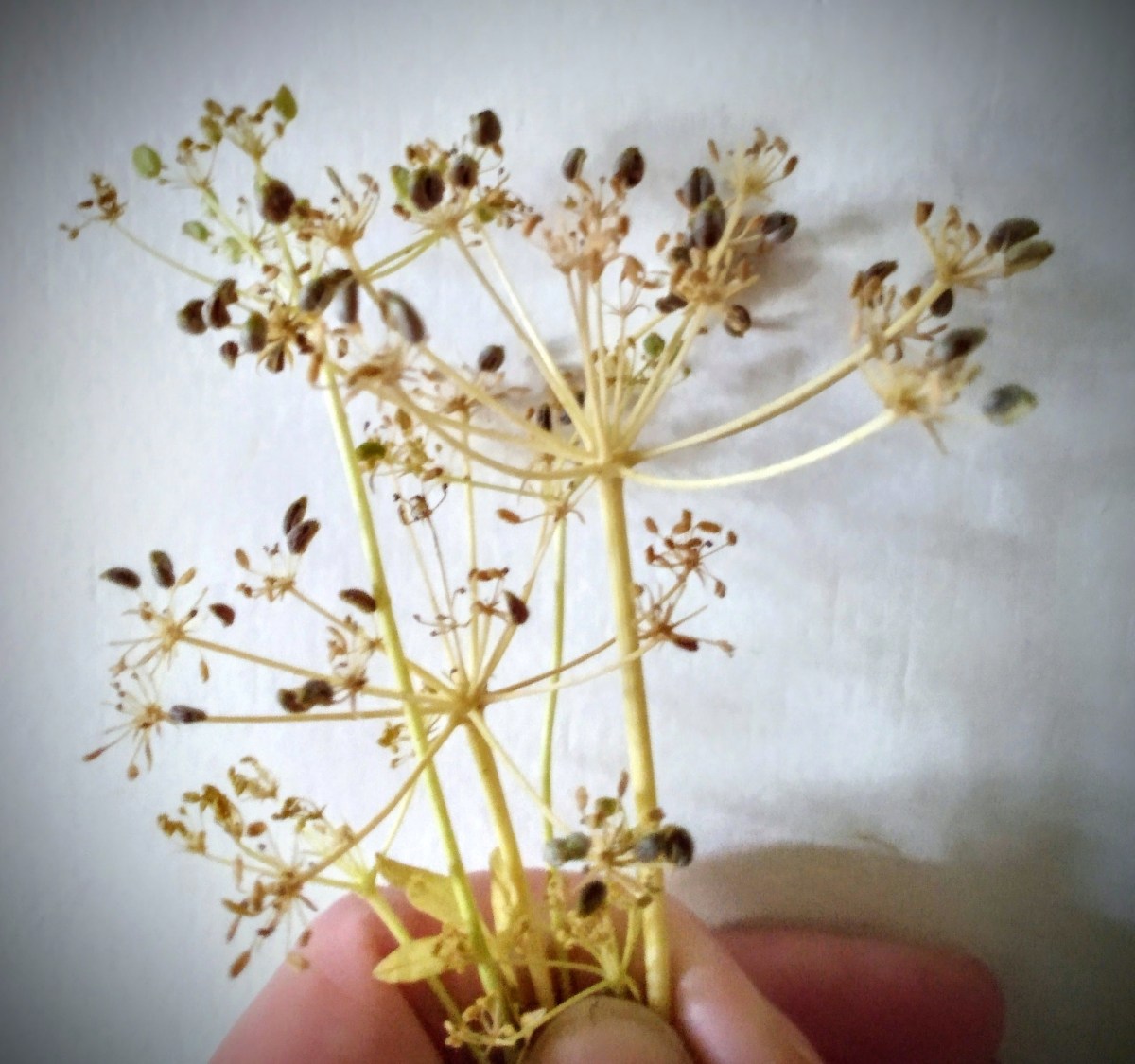
I kind of laughed when I saw my Parsley. The weather has been so weird lately that I had three different stages of seed production all at the same time. As you look at the pictures below you’ll see the progression from the tail end of the flower stage, into the green seed stage, and finally the mature seed stage.

Just with these three pictures, it’s easy to see why you have to have patience when you are waiting for your seeds to mature. And this is the reason why I wanted to share this information with you is because schools don’t teach you how to look for mature seeds. In a botany class you’ll see diagrams of the seed stage. But it is experience that shows you when it’s the right time to collect.

If you are unaware of what to look for, you can see seeds and make the mistake of collecting the seeds at that moment in time and you’re completely unaware that you saved seeds that are immature and will more than likely never sprout in the spring when you try to germinate them. Mature seeds are what you want to re-grow plants successfully.

TIP: If you’re unsure if you have mature seeds yet, take a small section of seeds now and leave the majority on the plant. If the seeds are green, the next time you go out and see a change in the seeds you will then know that what you first collected was immature seeds. Discard those seeds. If you think that you now have mature seeds, take a small section and save those seeds and leave a large number on the plant to further mature. If the seeds on the plant change, then you collected immature seeds. Discard those seeds. Once mature seeds have arrived they are only on the plant for a couple of days before they fall to the ground for self seeding.

Another benefit that this parsley gave me is that it gives you a place examination of seeing different stages. When first saving seeds, none of us know what to look for. We learn through trial and error or from someone who knows the life cycle of the plant and tells you specifically what to look for when gathering seeds. Going back to Parsley above, this particular plant shows that the seeds are ready when the seeds have turned black.

Sometimes flowering seeds are not as easy to recognize.

Advertisements

Catnip

This is my second year with Catnip, even though I sowed seeds for it 3 years ago. This is the first year that the plant actually bloomed for me, and it was only this one stalk of flowers that you see here.
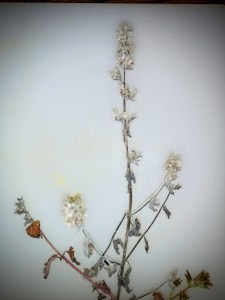
When I look closely at this stalk, it seems like I have captured a few different seed stages as well. There’s an obvious white blossom section still present. There’s one section that looks like it might be green seeds, it looks like a head of wheat berries. And then there is also one section (in the tallest branch) where I see a black seed and what looks like empty pods where seeds have dropped out.

The problem is that I tried looking up seed stages from this plant and I haven’t yet been able to find any source that helps me identify what mature seeds look like.

Because I grew this plant from seed, and I still have seeds left over, I can go back to the original seeds and see what those mature seeds look like.

But if you don’t have the benefit of mature seeds to compare with, there is this process of trial and error that you need to go through to learn the life cycle of seed growth to figure out what it is that you’re looking for. (See the TIP above.)

What I did want to draw your attention to is that even with flowering plants/herbs, the seeds are not all going to present themselves the same. Catnip and Parsley are both herbs. Parsley exposes it seed before it falls. Catnip looks like there is a pod covering, something akin to how seeds are presented in the Brassica vegetable family. The seed is grown inside a pod and once the seeds are mature, the pods open and the seeds drop.

I suspect that Catnip holds seeds in a single pod because when I look closely there is a transparent skin like “flower” that is empty. Now the flowers of catnip are not transparent. They are a very opaque white (at least on my catnip) flower that has shown itself to be hardy. (If you zoom in on the middle two branches you can see the remnants of these flowers on the decline. It’s very different in appearance to what you see in the tallest branch/section.) These transparent skins are mostly in this tallest branch/section. And when you look closely there, you see a single black seed. These black seeds are the mature seeds. (I pulled out my packet of catnip seeds that I had originally purchased. The seeds are black and small. So I can confirm this seed.)

Advertisements

Oregano

Most people never see the seeds from Oregano or other herbs (like Basil) because everyone is warned to prune off the flowers in order to promote a longer leaf grow season. And once the flowers develop, we’re told that the leaf changes its flavor. At the best it’s just a flavor change. At worst, the leaves become unpalatable. Because of this, most growers prune off the flowers as they start to grow at the end of the season.

If you want to have seeds, you have to leave the flowers on the plant and show patients. Pollinators have to go to work on these blossoms. When they are pollinatedyou have to wait even longer for the seeds to develop and grow.

I wasn’t planning on growing seeds on my oregano that I’ve grown in a basket and overwintered in a greenhouse. (I’ve noticed that some growers discourage overwintering oregano because the flavor becomes less desirable when you treat it like a perennial. However I’ve noticed no real change in leaf flavor. This was the first year that it bloomed on me, so I’ll have to wait until next year and try the leaves after being overwintered again.)
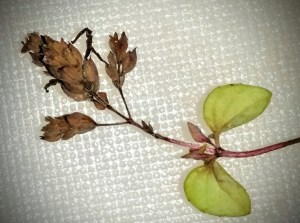
What I wanted to show with Oregano is that the seeds grow a little different. It’s similar to what I showed with Parsley, where the seeds are presented in a very obvious way. But instead of being a single seed spaced out in a firework cluster formation, the seeds of Oregano have a gathered cluster head.

The seeds here are a little more obvious to identify. But I wanted to talk about herbs like Oregano because as growers we are so accustomed to prevent seeding in favor of harvesting. I want to suggest that if it’s your desire to save as many seeds from the plants that you grow in the event that you have a surety of preserving what you use for food and medicine, it might be time to make a conscious decision to let the blossoms grow and go to seed so that you can collect. This is particularly a good idea if you haven’t learned how to clone that particular plant and you want to share with loved ones what you have been having success with.

Advertisements

Stevia

Stevia is a new to me plant. This past year I had found this start at a local shop and wanted to give it a go for growing. I’ve never seen what the seeds look like for this plant. And truly I know nothing about this plant other than the leaves are sweet and a viable alternative for sugar, if you’re looking for self sustaining options for providing for your family.

Where I am at now with this plant is not much further than where I was when I started. However, I’ve come to learn that the plant that I purchased grows in stalks instead of bushes. The longest stalk is about 3 feet tall. Currently it’s “dying” off for the season very similar to my Lemon Balm. The leaves became mottled (black and green). Unfortunately the latest wind storm caused my planter to fall and split the main stalk. (I’ll try to triage this stalk and see if I can bring it back. The break looks clean and free from disease. And to give it the best chance to over winter I’ll put it in a flowerbed that’s a bit more protected from the weather.)
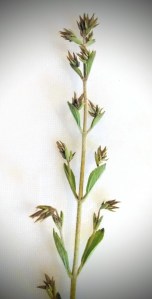
I didn’t set out to find how stevia propagated. Originally I thought it might be a perennial bush that spread instead of going to seed. However, one day out taking care of fall tasks, I found that the stevia had gone to seed. And that is what you see above. I have no idea what stage these seeds are at. I did snip this from the top of a stalk and left the other three stalks as they were (also seed bearing). That was two weeks ago and all the seeds are now gone.

The walk away lesson is that seeds take forever to grow. And then they are gone before you think about it.

Advertisements

Gladiolus

While talking about flowering seeds, I wanted to show one last example of how flowers can produce seeds. A Gladiola is officially a bulb flower, but it produces seeds.
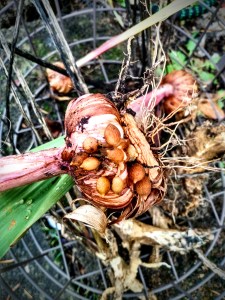
As you can see here, at the bulb of the gladiola, the seeds form underground.

If you’ve grown gladiolus, you know that they don’t produce seeds from their flowers. But if you’ve also grown bulb flowers you are also aware that bulbs (daffodil, tulip, chrysanthemum to name a few) duplicate themselves with a single additional bulb. So when you look at this picture and see all these seeds, you start to question everything you thought you knew.

The people who owned our home before us grew gladiolus out front. When I was ready to pursue gardening, gladioli were not on my list. For several years I kept pulling the stalks of each new gladiola and wondered what was going on. It didn’t matter if I pulled in the spring or fall, They just kept coming back. And If I left one because life was just too busy, the next season a half dozen would pop up. And that’s the short story about how I learned that gladiolus had seeds.

One year I pulled one up, like you see in the picture, and saw all the seeds forming on the bulb. And everything suddenly made sense. If I pulled the bulb after the seeds had formed (and subsequently stayed in the ground) of course a new garden of gladiolus would spring up next year.

This is one seed that if you do a search, you will find pictures of seeds and even a couple articles that talk about them.

Other seeds you will also find talked about online are seeds that are collected from the petals of flowers (marigolds and bachelor buttons to name a few).

As you can see, just by talking about seeds that come by flowers there is a whole world that opens up. And all of it because not all seeds look the same or are produced the same.

Advertisements

Seed Memory

Each spring packets of seeds are always on sale in brick and mortar stores. Starts are readily available at farmer’s markets, local growing communities, and certain stores. But as we saw with online seed sales, mistakes happen. What you think you purchased can turn out to be something different. It doesn’t matter if it was a true accident or something that was designed to happen. The walking away point that we can all move forward with is that the only seeds that are in your control are the ones that you save yourself.

I started saving seeds from my vegetable garden as a way of saving money when purchasing seeds and starts. “Free” seeds frees up your resources for other areas in your life. And if you know what to look for, you can read the signs for when your seeds are finished and ready to harvest.

In the future, I’ll share more about other seeds that I save (fruits, vegetables, herbs, etc.). I see the benefit in sharing because they may look different than what you anticipate. Or maybe you want to grow something new and have no idea what to look for. And when you go to search online, you don’t have any valuable information. And let’s face it, sometimes a picture is all we need to make the dots connect and understanding comes. And pictures are usually the thing that I find lacking.

But even more important than all this is what the seeds contain!

Advertisements

When you grow a plant, it passes on its knowledge through seeds. There’s no school that plants send their seedlings to so they can figure out how to live and survive. All of that is passed on in the DNA of the seed. When people talk about this, they say it’s Seed Memory.

Seed memory is so important because that is how plants produce young so that it will succeed in its environment. And this is the absolute reason why you want to save seeds.

When you buy seeds from online, you are purchasing seeds that are grown in one micro climate. While the grow zone number can be the same, there is a world of difference in the actual living conditions. For example, my US grow zone in the Pacific Northwest is the same number as certain places in the Deep South. And if you’ve been to both regions you will know that while there is similarities, but there are a lot of differences to the micro climates as well. In fact, one of my favorite online shops to buy from is located in the Midwest which has even more different microclimate than the Pacific Northwest and the Deep South. And that doesn’t even touch the differences between the microclimates in the Pacific Northwest region. In fact, the grow season is differential enough between my city and certain areas in the city next to me. Not to mention between my county and the next.

Advertisements

The plants that you grow from seeds that are purchased are plants that are grown in a different microclimate. This can be affected by how much humidity they expect to face, the amount of natural rain fall, frost dates, seasonal average weather, and so much more. The plant that I grow from seed expects my garden to be exactly like the garden that its parent plant grew in. And when that seedling starts to grow, it finds that it’s a different world out there. This can affect growth patterns, when fruit forms, and how and when seeds set.

If you start off with seeds that were saved from your own garden, the seedlings from those seeds do not have to readjust to a foreign world. They already have the seed memory for the microclimate that you are in. They know when spring hits, when the weather starts to warm up, when summer starts, when fall will start to bring the cooler weather, and when frost should happen. The seedlings get to focus their energy more on growth and will always outpace seeds that are from other regions.

That doesn’t mean that purchased seeds will fail. It just means that there is more going against those seeds that they have to overcome.

You will always have better success with seeds that you can save from your own garden.

Advertisements

Another thing about seed memory is that all the adversities that your garden faces, it will pass on in seed memory for future seedlings. For example, two years ago my garden had two winter seasons that jumped straight into a summer season.

Because I planted those seeds in my garden this past spring, those seedlings were ready for uncharacteristically cold spring. Those seedlings thrived and grew well from the get go, because they were not thrown off by a cool spring (which was still warmer than the spring of the parent plant).

What my garden struggled with this year was a decent spring that went into a cool summer (10-20°F cooler than the historic average). The seeds that I save this year (for my next growing season) now have the memory of a cool spring (from its “grandparents”) and a cool summer (from its “parents”).

While I don’t anticipate my garden producing super plants with all this seed memory. I DO anticipate that my starts will grow strong (even if it’s a cold spring) and will bear fruit according to growth/produce dates (even if it’s a cool summer) because the seed memory tells those seedlings to anticipate this obstacles to the grow season.

I have yet to find a study that talks about how far back seed memory goes. It is reasonable for seeds to remember two generations back. However it is not unreasonable for the seed memory to be uncalculatable. After all, as growers we are told that seeds are only viable for 3-5 years with germination rates declining with each and every year. However a palm tree was planted from a seed 2000 years old. Much of seed viability is dependent on the maturity of seeds, how they were harvested, how they were stored, and how they are sown.

As I’ve told many people this past grow season…

If you had a bad grow season, or things didn’t grow for you at all, chances are that you are not to blame.

The last 2 years of traceable weather obstacles that played a bigger part in your garden’s health than your affinity to growing plants. The memory of the seeds that you used had more to say about your harvest than the things that you did or did not do during the grow season.

Advertisements

What is in your control is how you pivot as a grower based off of the signs and calculatable information that you respond to during a grow season.

For example, one lady was surprised when I told her that since the beginning of 2023 and until Fall rains came, our microclimate was recorded to have had drought like conditions. In the winter we were in the tenth of an inch of rain on days we should have been having 3-5 inches of rain. Spring was the same way. Summer was summer as usual as far as historic rain levels hold.

She asked me, “Even though we had timed water irrigation.”

Yes, even timed water irrigation. Even though we as growers set our watering schedule as a means to remember to water, maximize our watering efforts, and conserve water… we are only adding to what normally falls as rain during each of our seasons.

Our gardens use the following math:

x rain volume + y additional water from grower = total growth water

Y can remain a constant through many many years, depending on when you started your timed irrigation.

X fluctuates depending on what falls naturally. (And this is a subject all of its own, depending on the circles of conversations you have.)

Plants depend (through seed memory) on the total growth water. If the water you provide is the same that you’ve always done in the past, but the rain volume has changed, there is going to be a difference in how your plants grow.

Advertisements

When growers talk about how a certain crop needs only 1″ (for example) of water a week, that is under the assumption that your garden is receiving regular rain water for the rest of the week. A plant does not depend on water from grower as their only source of water.

So if your garden struggled, it is entirely because there was a growth need in the seed memory that was not met during the grow season.

And that is what our job as growers is all about.

We need to recognize the signs. Know the history of our seeds. Work in connection with our plants to bring out the necessities and health that our plants need to produce for us and our families.

If you haven’t started yet, I encourage you to learn about the plants that you grow and start saving your own seeds to plant in upcoming years!


Leave a comment

Processing…
Success! You're on the list.
Advertisements
Advertisements
Advertisements
Advertisements

Clove One Clove All

The frost has come to my neck of the woods. And that means that it was time to get some of my fall gardening work done. I pulled out the wood chips that I bought on sale at the beginning of summer.

Originally the wood chips was supposed to go over our garden beds this past season, along with some drip irrigation, to start us on the path of water conservation. However a cold summer and life happening just kept pushing that task lower on the to-do list. Not that I’m sad about that. It meant that I had the materials to winterize my garden in a way that I was not planning almost half a year ago.

A lot of our projects turn out being out way of adding to our grow space without taking up more yard space. And this should be encouraging to you, because it means that you also have permission to make your own grow space one small project at a time. There really is no need to wait until you have farmable land to start growing your garden. Start in your urban or suburban area, one space at a time, building up what you can grow, however you can grow it.

We started off with one small garden plot with a blueberry bush, a few raspberry canes, and two different types of vegetables.

Today, I worked on expanding my grow space for garlic. Up until today I was growing garlic in one garden plot about 2 feet by 4 feet. And we wanted to grow more garlic to become self sufficient in that produce. We love it as a seasoning and main ingredient in the foods we eat throughout the year. But we’ve also come to appreciate it more as a food that is also a medicine. So it was time to grow more because we can control how it’s grown.

Advertisements

Growing Concerns

Something you may not be aware of is that in the US market most heads of garlic, in the grocery stores, are being imported from China. And depending on how you view your food choices, Chinese garlic may not line up with how you want your food to be grown.

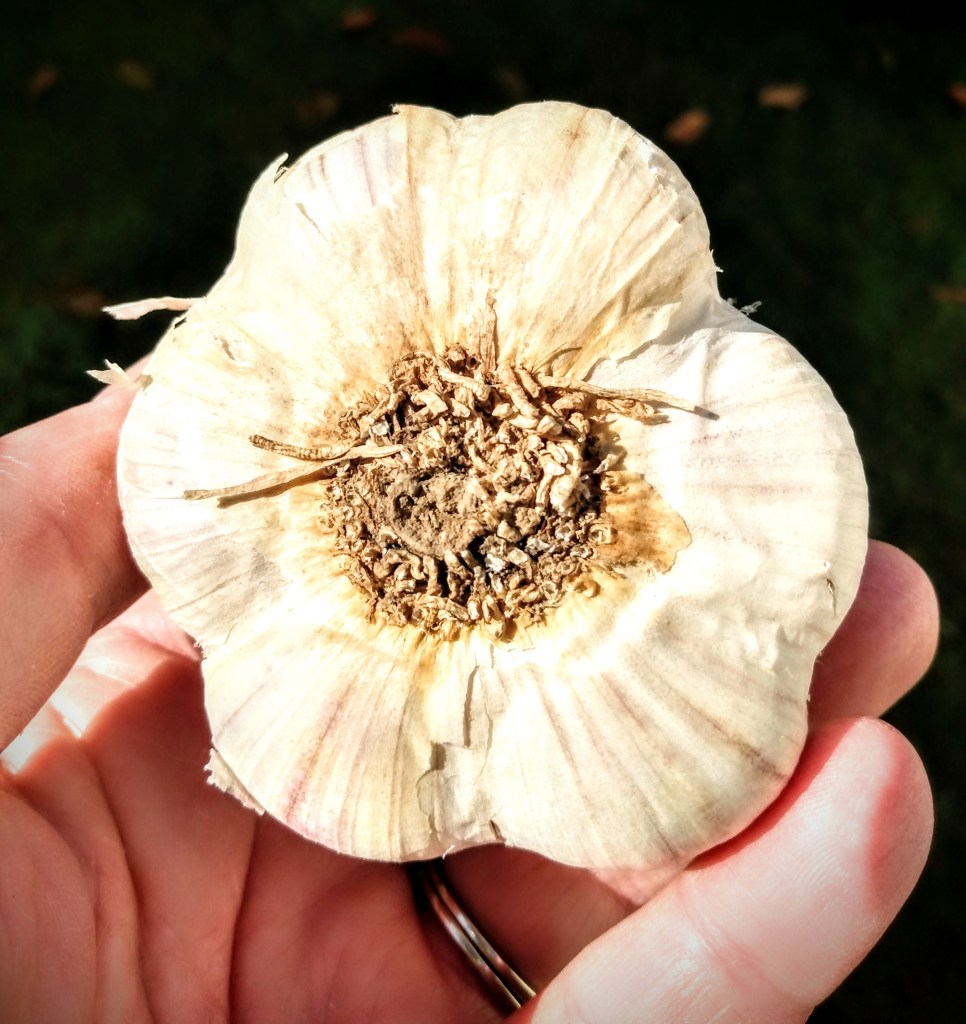
Note: garlic grown locally will still have some of the roots still visible in the bottom of the garlic head. Garlic that is imported from China, the roots are shaved off so that you have a smooth, flat surface where the roots should be.

Another concern with foods bought at US grocery stores is what you can find on the produce ID code. On the stickers placed on produce, you can learn what type of product you are buying. If the four digit number starts with a 3 or 4, it is conventionally grown. Pesticides have also been used on those products. (Dangers of pesticides can be seen here. Although this is a huge conversation and this is a brief mention in this post. But I do want to note that food is being brought in from less regulated countries.) If the number is 9, it is organically grown.

But there are other numbers to be aware of. A five digit PLU code starting with a 3 means the fruit was either irradiated or electronically pasteurized. (Dangers of irradiation can be found here.) A five digit code, starting with an 8, means that it was genetically modified.

These are just a few points of interest that overlooked that the average consumer may not be aware of. And growing your own produce gives you awareness of how your food is grown from start to finish.

Advertisements

Setting up Garlic Grow Boxes

A few months ago I had fixed loose boards by using a power drill and screwing the boards back to the frame. Had I not done that earlier, this is the time of year that I would normally to that mending job. But the best time to mend grow boxes is when you have one crop harvested and right before you put in the next one.

Make a Container You Will Love is how I start off all my new boxes. This time I reused one of my existing boxes. My onions didn’t do so well in it this past grow season, so I’m changing it up to see how my garlic will do here.

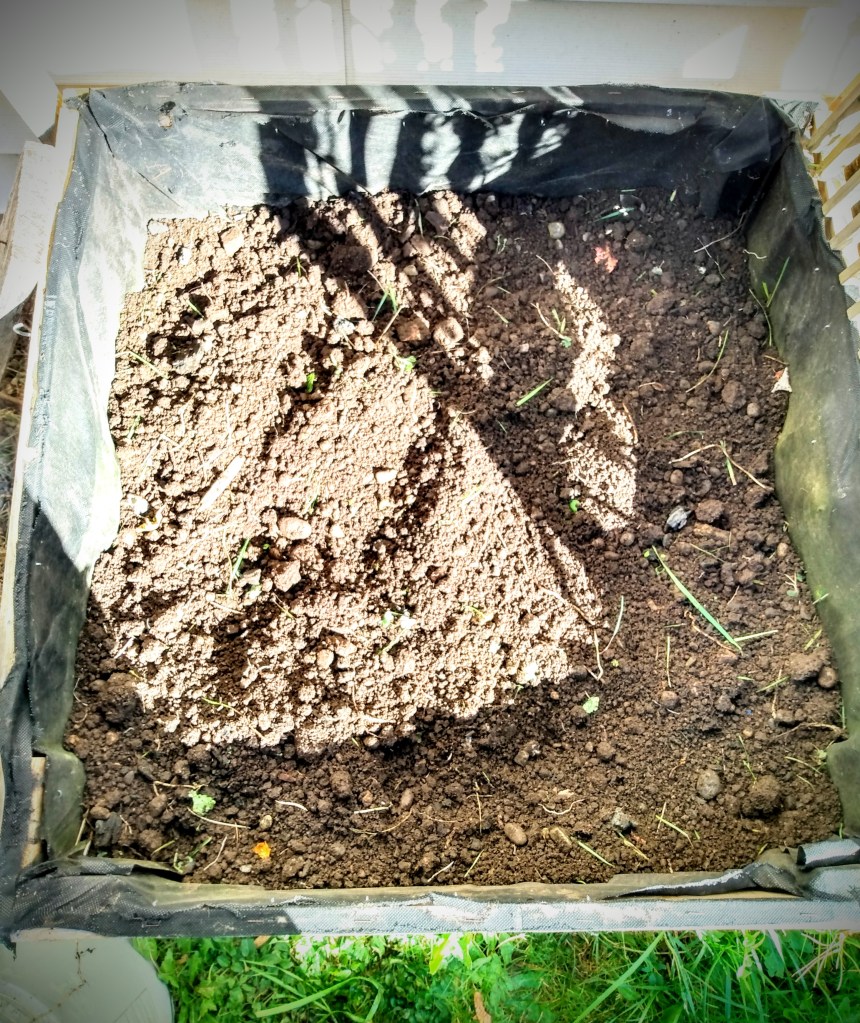
Before I put the garlic in, I needed to break up the compacted soil, remove some grass that had started to grow, and more importantly, mend the box. After three full seasons of growing, the liner in the grow box had started to rip away. So once the weeding was done, I pulled the black liner back up and staple it in place with a staple gun.

With the liner secure, this frees me up to really dig into the soil to fluff it up and move it around and break up all the compacting that has happened over the last couple years.

Once the soil was ready to go I reached for the new garlic that I ordered to plant this year. In this box I’m planting German Extra Hardy Garlic (a hard neck variety).

Earlier I mentioned looking at the roots of the garlic head. Here you can see the roots (trimming the roots is part of the curing process, but you can see the individual roots. This is what you want to see when you buy garlic).

Now that I’m ready to plant the garlic, I break the head down to individual cloves. Once they’re broken down, they’re ready to plant.

When planting garlic, the general rules are:

  • Plant the cloves 3″ below soil level
  • Plant each clove pointy side up
  • Plant each clove 6″ away from each other
  • Add an additional 1″ soil over your whole plot
  • Then add 3-6″ of mulch on the very top

I have modified and moved away some of these rules in the past. In the previous location that I grew garlic, it was in a sheltered garden bed next to the house. So I never mulched those garlic and they grew perfectly fine in my climate.

The cloves that I planted in previous years did well when the tips of the bulbs were 1″ below soil level. If I put them 2-3″ deep, they remained dormant until I moved the soil around and those cloves were brought higher up.

Advertisements

If, when spring comes, you don’t see the shoots of the garlic popping through the soil, then you may want to consider pushing away a little bit of the soil. But garlic is one of the produce that has been one of the easier crops to grow and there shouldn’t be problems at all.

Seeing how I’m growing new garlic varieties, and in raised beds, I set up the boxes closer to the “rules”. The only modification that I’m making is the spacing between each clove. As you see below, I’m offsetting the rows. By offsetting, this allows me to plant an additional two rows that I wouldn’t have had room with if I kept the cloves is a perfect grid like pattern. This is something I’ve learned from other gardeners and have applied with other produce that I’ve grown. And seeing how I grow with limited areas, this is a smarter way of using space and maximizing harvest.

Once all the cloves were placed where I wanted them (larger cloves more to the center of the box and smaller ones towards the edges–larger cloves are expected to grow larger heads) I put soil over the top, about an inch or two, and leveled it off.

Then to finish off the box, I topped it off with bark mulch.

This year I mulched my boxes because I have more containers that I’m using over the winter than I’ve used in the past. And since I don’t have enough greenhouse plastic to cover everything, I’m going to use the mulching method which is more commonly used. I do have a few small, new, boxes that I’m using this year that is away from a warm shelter. So I will be keeping an eye on these boxes in particular. If it looks like the soil is going to freeze over too much, the plan is to set up some carbon fiber hoops and surround the boxes with greenhouse plastic. (I have one variety of garlic and my ginger that I definitely don’t want to lose.)

Always have a backup plan!

One brief thing that I want to mention is to be aware of what kind of material that you are using for mulch. Always look at the Ingredients on the bag.

Most people are at least aware of looking on ingredient labels when they are going out to buy food from the store. Whether it’s a food allergy or just awareness that some gross things are being put into our food that effect our overall health, more and more people are beginning to take on this practice.

The same is true about what you put on your garden!

I bought this mulch, on sale, about 6 months ago. The original mulch that I was going to buy had a better sale. But when I found the ingredient list on the bag of wood chips I saw more than a handful of chemicals that were used in the product. It was advertised to prevent weeds from growing. But the reason why they could make that promise was because of what they were using in the wood chips. There was not just herbicide, but also chemicals that kept the wood color treated. Nothing of what I saw on that label reflected how I try to keep my garden as natural and organic as I can.

If you take a look at the picture above, on the left, you will notice that this ingredient list is listed with only one thing–aged forest product. For me, this was a better choice than the one that had well over 20 ingredients. I didn’t mind spending an extra $1 a bag when it meant that it fit a closer to my gardening philosophy.

Advertisements

Prepping an Existing Garlic Bed

Earlier I had mentioned that we’ve been growing garlic for several years, before we became aware of the wonders and beauty of different varieties. My earlier garlic bed is kind of funny because we grew so many different varieties in there that we have no idea what kind of garlic they are. That is other than Elephant Garlic. There’s no mistaking that variety with the others that we have grown.
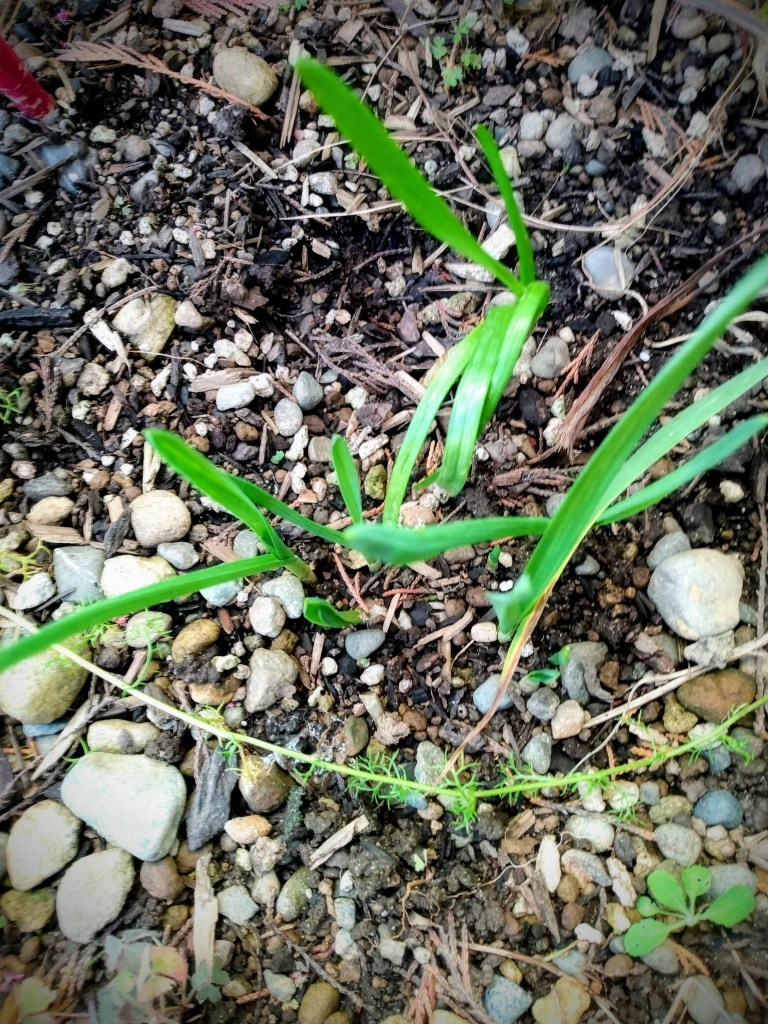
This past growing year, I let this garden bed go fallow (something that I will talk more about in the future). As you can see here, you will notice the shoots of the garlic already coming up.

When I say that we had a crazy grow season, I’m not joking. We had two springs instead of a spring and a summer, so quite a few of my plants are off on their cycle. But these shoots are great when it comes time to getting garlic beds ready for the winter.

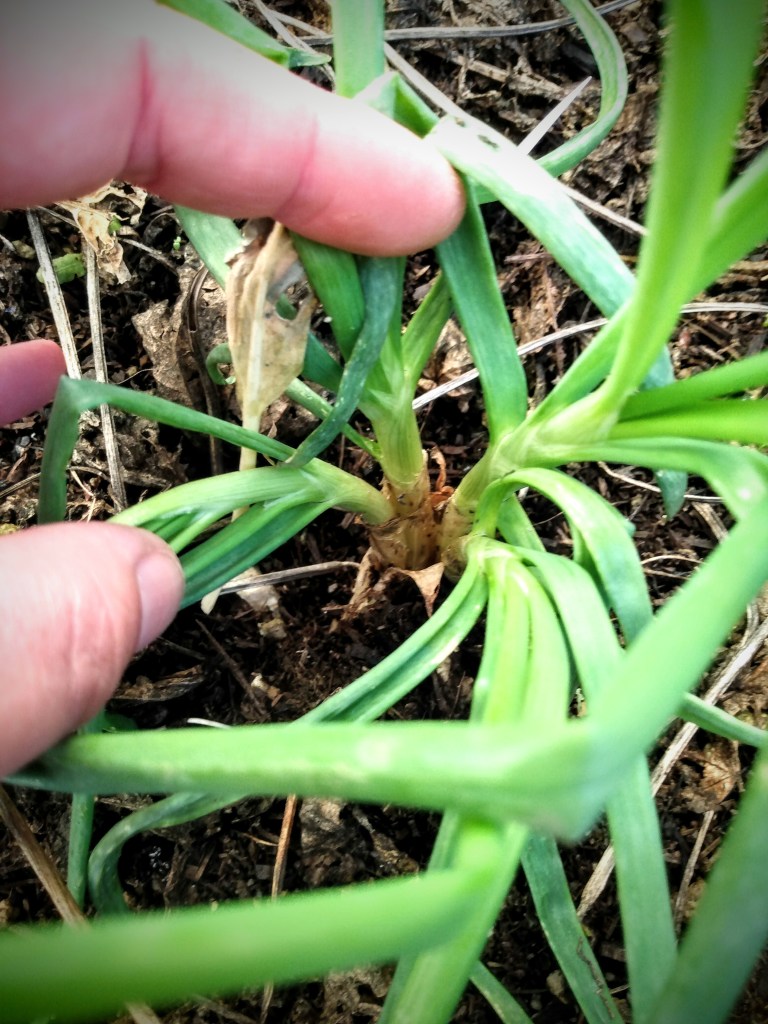
With how close these shoots are, my guess is that these were some of the cloves that had been planted too deep and didn’t get a chance to grow because other things were growing near them. With this bed allowed to go fallow, these cloves were able to have the opportunity to sprout.

Each year I take these clumps, dig around them to loosen the soil, and separate out the cloves that had at one time been a whole garlic head. Once they are all dug out, I loosen the whole bed and mix in some compost. Then I replant all the cloves with the proper distance.

I’m beginning to think that my garlic bed acts much the same as where you plant potatoes. Once you plant them there, they will keep growing back.

Advertisements

Another Theory for Garlic that Keeps Growing Back

When we first started growing garlic, we were told that we needed the garlic to go to seed before harvesting. So for a few years that’s what we did. We even tried to harvest the seeds. I just couldn’t seem to sync by time right with the seeds.

Then we learned that harvesting the scapes (the part that develops and grows the seeds) changes the flow of the plant. Instead of making seeds, energy is redirected to the bulb to enable the bulb to grow larger than it would if left to go to seed.

So my other theory for garlic growing back year after year, when I pull all the garlic that grows, is that the seeds that fell to the ground germinated and started to lifecycle of new garlic, not from planting cloves, but from seed.

Photo by Pixabay on Pexels.com

Closing Thoughts

The amazing thing about growing garlic is that it is one of the easiest things you can grow and least demanding. You can work a full time job and have busy weekends and still successfully grow garlic.

If you’ve wanted to try and grow something, I highly recommend garlic.

It is forgiving. And it tells you when it’s ready to harvest. Through the season the garlic grows a tall stalk. When it’s finished growing, the stalks will brown and fall over. And that’s not even talking about how many different resources are available if there’s a specific question you have about growing garlic.

If you’re looking for something new to grow or found that the garlic cloves you have in your kitchen starting to grow a green sprout, go ahead and plant it in some soil and grow your own garlic!

Leave a comment

Processing…
Success! You're on the list.
Advertisements
Advertisements
Advertisements
Advertisements

First Year With Grow Bags

For a few years now I have heard many of my growing friends sing the praises of grow bags and how wonderful they are. Not to mention that if anyone does not have land to grow a garden, this is a great substitute for growing on decks and patios. So I put it to the test.

My 2023 potato growing season, I put my raised bed (which I’ve grown potatoes in for the last four years) vs. 10 gallon black grow bags to see how they stacked up against each other. And this was great timing for this challenge because I wanted to up my potato crops to see if I could get that produce off of my shopping list and on my self sufficiency list.

Below I will tell you the results and my thoughts on the process. But first I wanted to start off by showing how I set up my grow bags. A lot of people set them up with just putting in potting or raised bed soil. I wanted to go a different route because with my family we try to go with natural fertilizers that fall into the organic farm spectrum of growing.

Setting up the Grow Bags

I set up these grow bags like I do with my brand new raised beds. But I structured it differently, aligning with how I’ve seen other people use their grow bags for growing potatoes. Those people layer their bags with soil on the bottom and top and hay in the center. The rumor is that this hay section allows the potatoes to grow large because they have less resistance from soil, which can compact down around the tubers. Keeping this in mind, here is how I layered my grow bags (from bottom of the bag working up):

  • Raised Bed Soil
  • Compost
  • Pine fronds
  • Small Pine branches
  • Pine Fronds
  • Compost
  • Raised Bed Soil

This spring we had pruned back our pine trees. Normally these go into our compost pile. But as you can see below, these fronds had new growth tips on them, which have the most vitamins available. I didn’t want those nutrients to go to waste. So I separated out the softer fronds from the more rigid branches. As you see below.

These branches were then cut down to fit inside the grow bags without puncturing the sides.

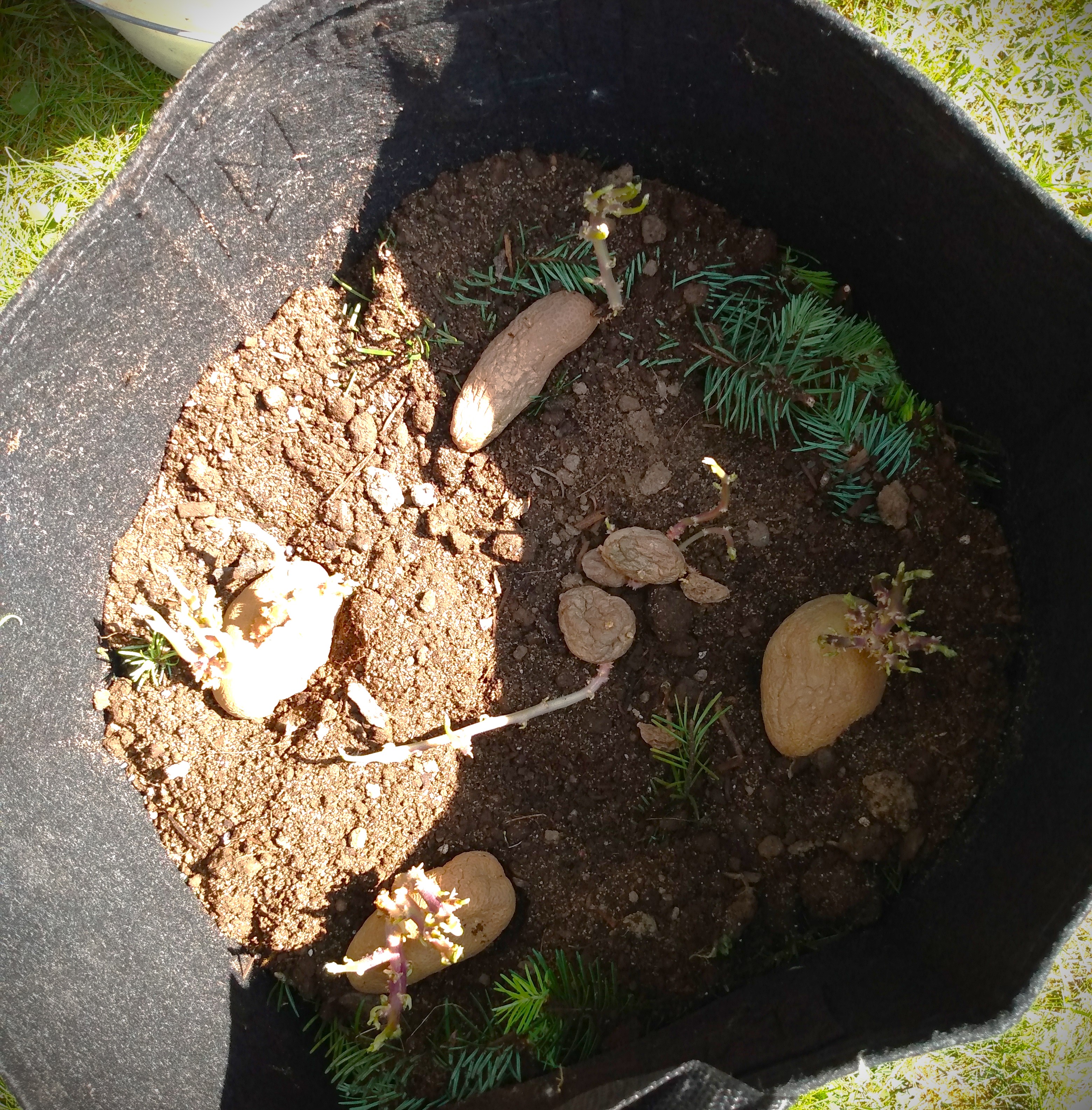
With all my components prepped for work, I built up my grow bags. Right after I laid down my pine layers, I put down a fine layer of compost to set my potatoes down on. Once I placed my potato seeds down, then I covered them with the layer of compost and final layer of raised bed soil.

The pine branches and fronds were added primarily for slow release nutrition for my potato plants. But I placed them in the grow bags, like other growers place hay, because the thick layer of fronds (theoretically) gives them the tubers the ease of growth without the soil compounding around them from watering and rains.

To finish this experiment, I placed the grow bags near the same area that my raised bed potatoes were growing so they could receive the same amount of heat and light.

Advertisements

Sweet Potato Side Note

I haven’t yet harvested my sweet potatoes. But I prepared their grow bag the same way as my potatoes. I’m trying to give them the most time to grow and the vines haven’t died back yet.

That being said, the sweet potatoes are a first time experiment because I haven’t grown them before. So I may post about what happened this year, or I may wait to talk about them until I gain a few more seasons of growing them. But I did want to post this picture of my rooted slips before I planted them.

Out of everyone I watched in videos to learn about growing sweet potatoes the one bit of information I wasn’t able to see was what a good rooted structure looked like. This was mostly because those growers cut from harvesting slips to already having them in the ground.

So if you’re like me and you want to bench mark to compare what you’re growing next to, here is a picture of my slips before I put them in the grow bag.

The method of growing slips that worked best for me, was sitting the bottom (fat) end of the sweet potato in a glass of water. This method gave me strong slips about a month before the method of laying the sweet potato on its side in a container of soil. Everyone I watched swore by the soil method, but I honestly found the water method better for me.

The lesson for this side note: when first starting to grow something for the first time, try a few different methods at the same time to see which one provides better for you. What works for one grower may not work for you. And vice versa.

Advertisements

End of Season Results

It took a while for me to get to this point because even though the potatoes were started at the same time they didn’t finish as the same time.

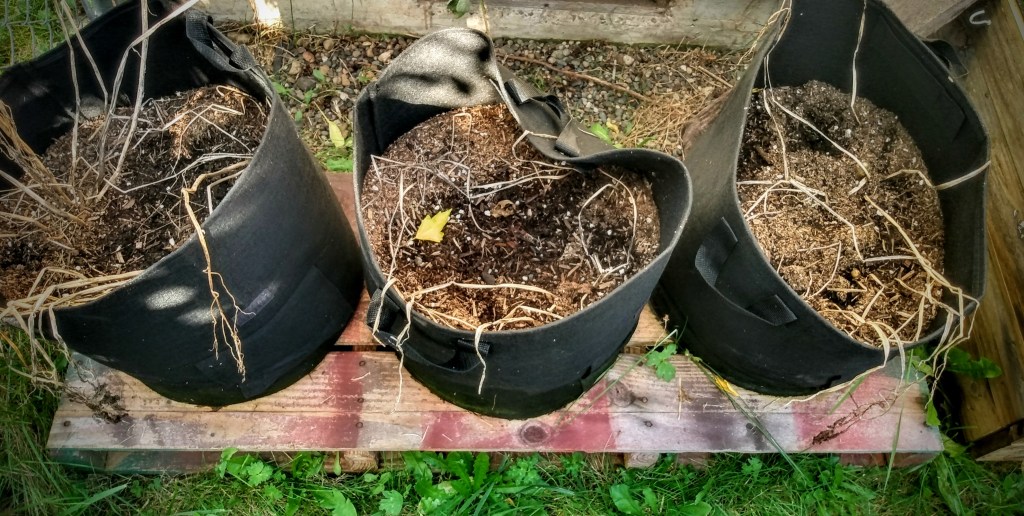
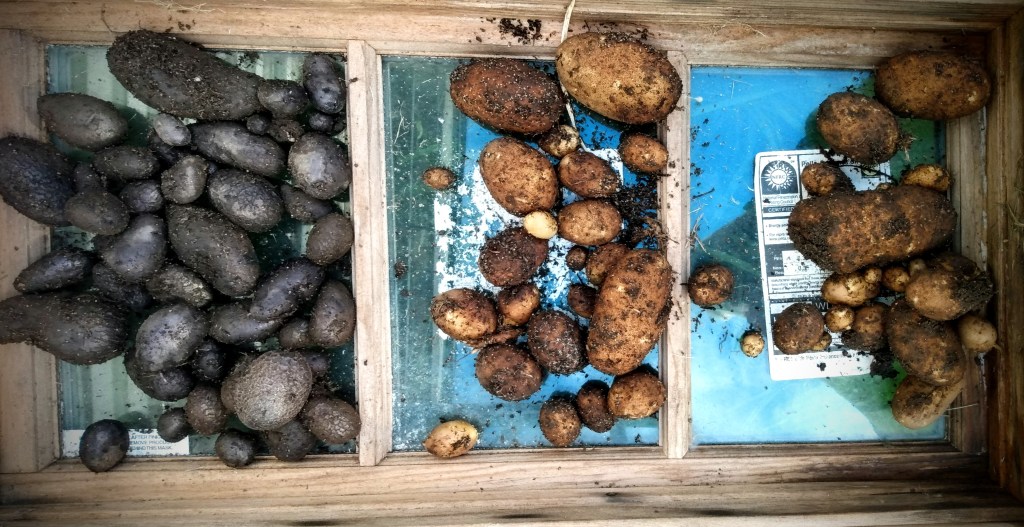
Starting from left to right, the first container I grew purple potatoes. The middle and right were my russets that had sprouted on me over the winter.

My purple potatoes grew seed flowers. I allowed the flowers to grow to see what that process was like and if I could collect the seeds. However my blossoms kept falling off. So I don’t know if the flowers were being trimmed by little garden helpers or if the flowers were falling on their own. Needless to say that I didn’t see how the seeds grow or if the plants even grew them. As soon as I learn that process, I will share that information with you. But for now I have nothing more to say other than flowers grew on the plant portion of the purple potatoes.

And true from those I watched from those who did have information on the flowers, when your potato plants grow flowers, it does delay the whole growth cycle. My two russet bags never grew flowers and the plants started dying back maybe 6 weeks before the purple potatoes did.

I wanted to keep these grow bags to use in the future. And since I didn’t want to lose the velcro integrity on the bottom, I didn’t use that “door” at all. Instead I brought over my wheelbarrow and dumped my bags in one at a time.

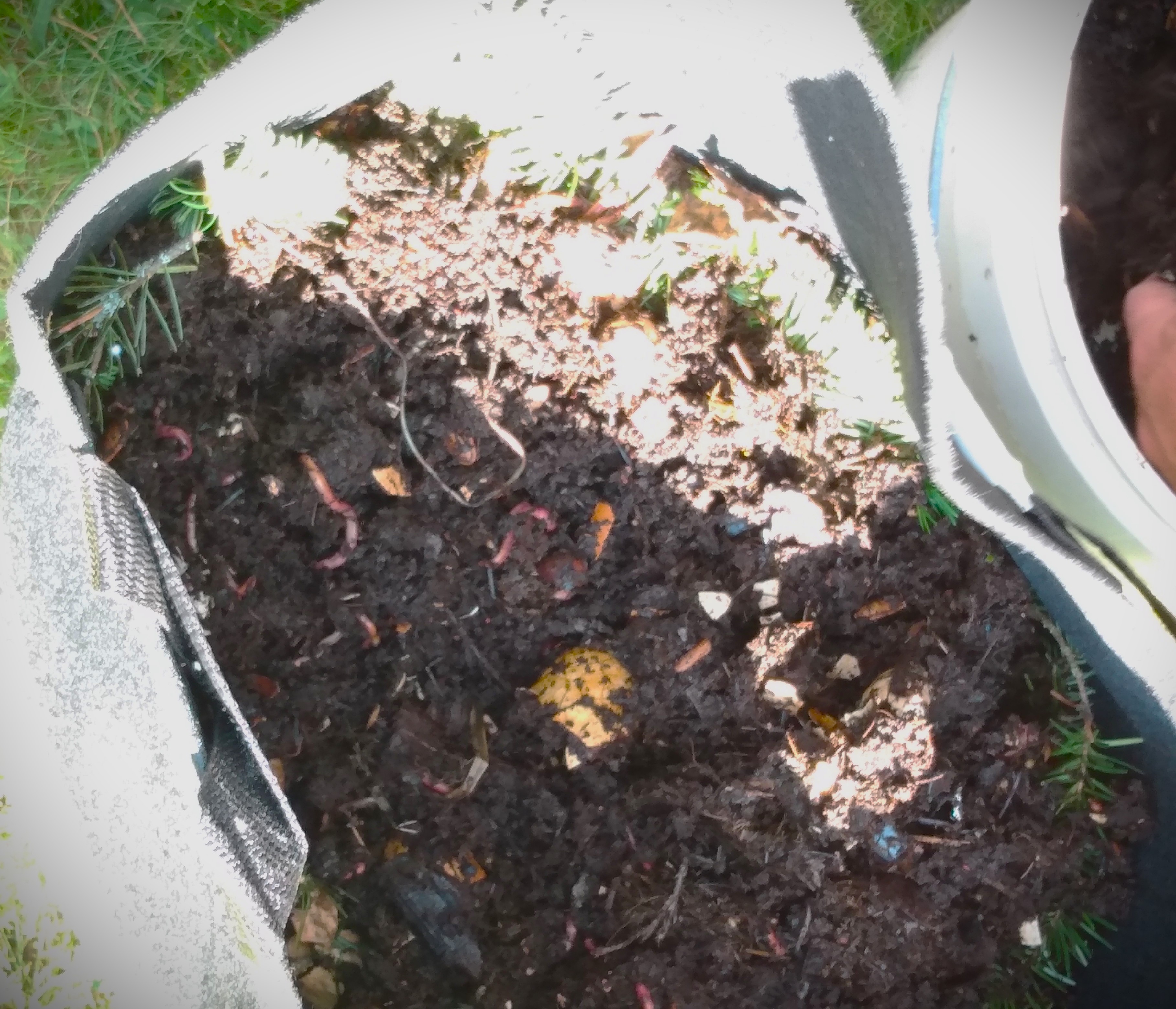
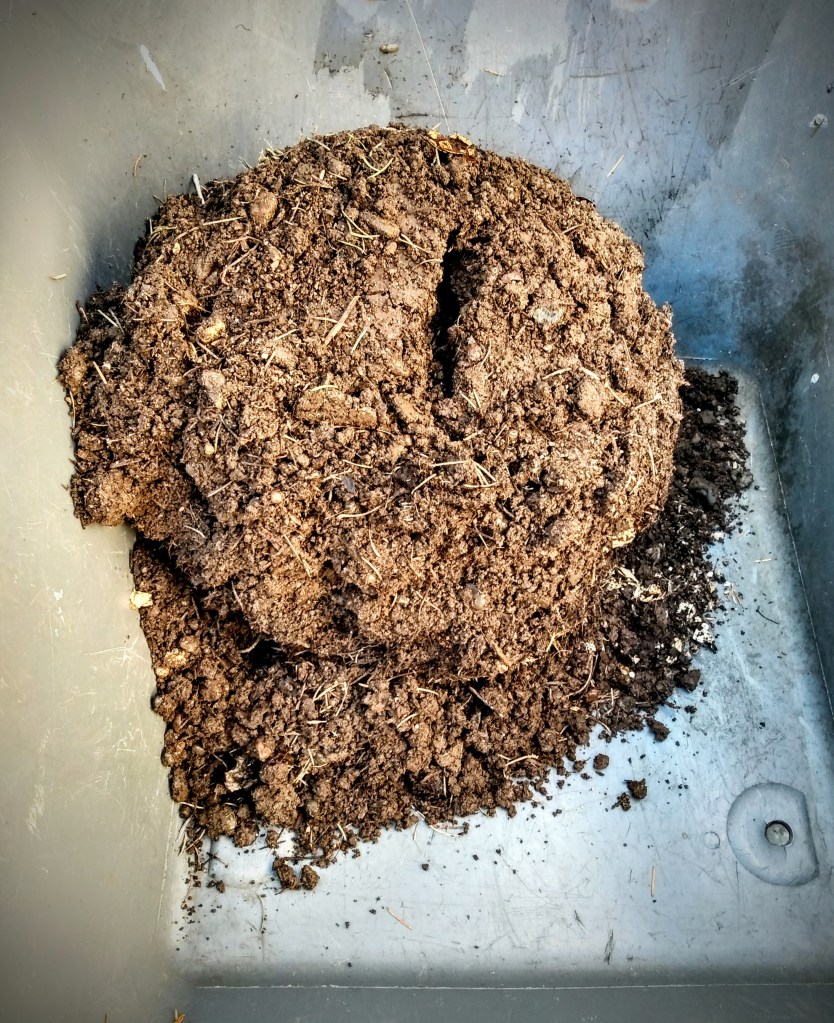
As you can see here, the soil still compacted. So even when you do take measures to prevent compacting, gravity is still going to work. This was the bag from the right side. I didn’t add any sand into this bag and that might have what made this one compact more than my other two bags.

Originally we had added sand to our compost for bags two, three, and sweet potatoes, in order to make the compost stretch between all the bags. The sand did keep the “soil” of the grow backs more loamy than the one that was straight compost.

Having seen what sand did for me in these grow bags, I will more than likely continue to add some soil with the fresh compost to prevent a clay like clumping from beginning to end of season.

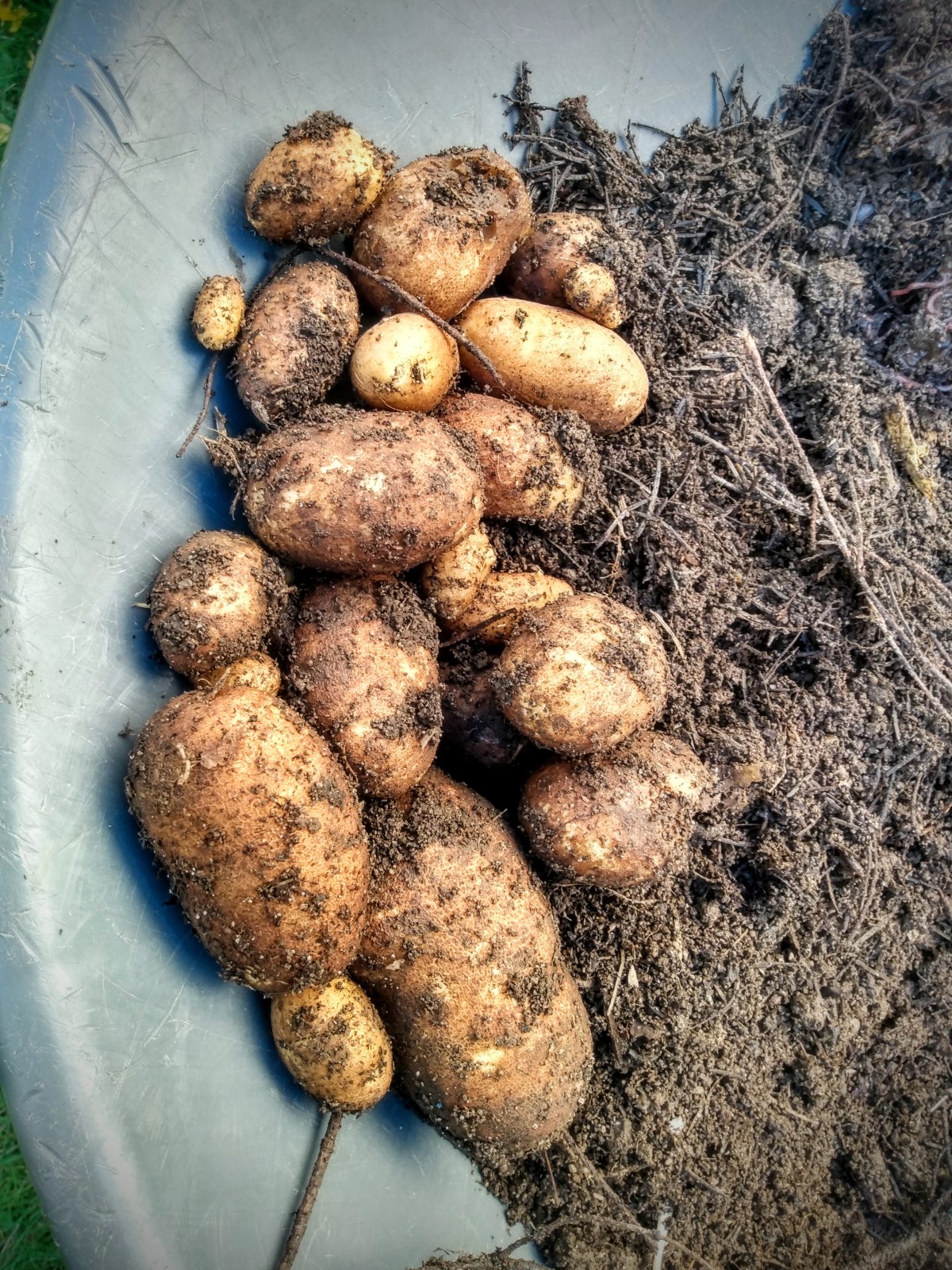
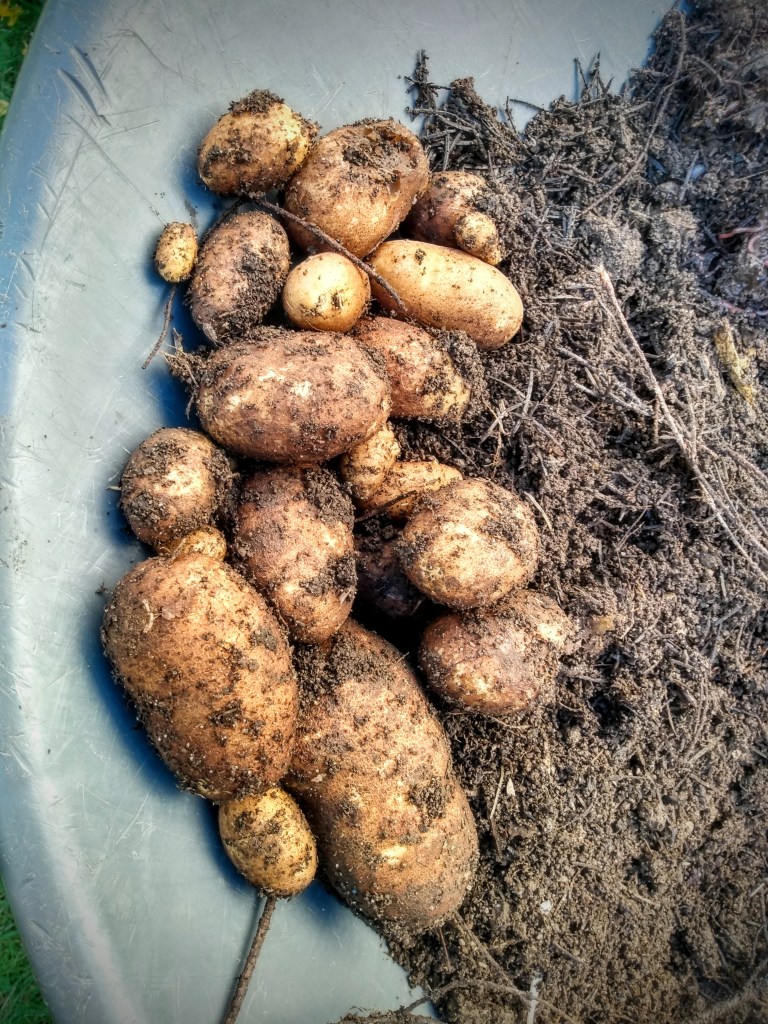
That being said, if you look at the picture with the potatoes that I harvested from the first bag, you will see what didn’t compost down during the grow season. So if you’re worried about adding sticks into your grow bags, you can see that they will break down over the course of the season.

This was my first time growing purple potatoes. I chose them for some fun colors to make dinner with. And there’s the fact that dark purple fruits and vegetables have a higher antioxidant property and more vitamins and minerals than same fruit/veg families that are lighter in flesh color.

I wanted to make a quick mention on them, because as soon as I upturned the grow bag and started troweling through the soil I was asking myself, “Where are the potatoes?!”

As you can see above, these beauties hide with the soil. The way that I identified them was that they had an opal like sheen to them. So I pushed the soil to the side looking for anything that didn’t have the same matte finish as the soil.

I’m super excited for these potatoes to cure so that I can see my kids’ reactions to having purple potatoes for dinner. That and even more to the point, I want to eat something colorful that I haven’t eaten before!

Advertisements

Grow Results

Back this spring, I wasn’t too sure what I expected. Obviously I expected potatoes, but I didn’t know how these grow bags were going to work out.

Here are the results of what each bag grew, in the same orientation as the bags were placed in the above picture; purples on the left and the ones that grew in compost/sand mixture on the right and middle.

For the russet potatoes it looks like the number of potatoes were not limited by sand or no sand added. Even though I did get larger russets that grew in both bags, it seems like I got a better return on size by adding some sand to the compost. (Both had the pine branches and fronds, the only difference was sand in the compost.)

The purple potatoes outperformed the russet potatoes in quantity and overall size. This surprised me the most.

What I learned between the different varieties of potatoes is that I need to get some more different varieties and try them out to see if there are other potatoes that will grow better for me, like the purple ones grew better for me.

Side Note: red potatoes don’t grow well for me. Below you’ll see a single red. Not everything has to grow well for you. Half the fun with growing your own food is seeing which varieties grow well for you and which ones don’t. As it is, even when my neighbors grow the same vegetables as me, there’s often times variations in performance even when we have the same microclimate. But when you select and grow what grows best for you, you not only put food on your table, you have something to exchange with your neighbors who grow something else better than you.

Advertisements

One Final Comparison

As I mentioned at the beginning, I grew potatoes in a raised bed and the grow bags. I wanted to see the comparison on how things grew for me. Before I give the results, I did want to mention that I couldn’t go through my entire raised bed because I had a lone tomato plant that I couldn’t find any other home for, so I planted it in the corner of my raised bed that had a gaping hole. Once my potato plants started to die off, my cherry tomato plant took off and outperformed all of my other tomato plants. So out of respect for that super grower, I tried not to disturb its roots too much. That means that there could potentially be some potatoes under the tomato plant, but I couldn’t thoroughly check there. As it is that tomato plant is still producing even though I had already harvested and uprooted all my other tomato plants.

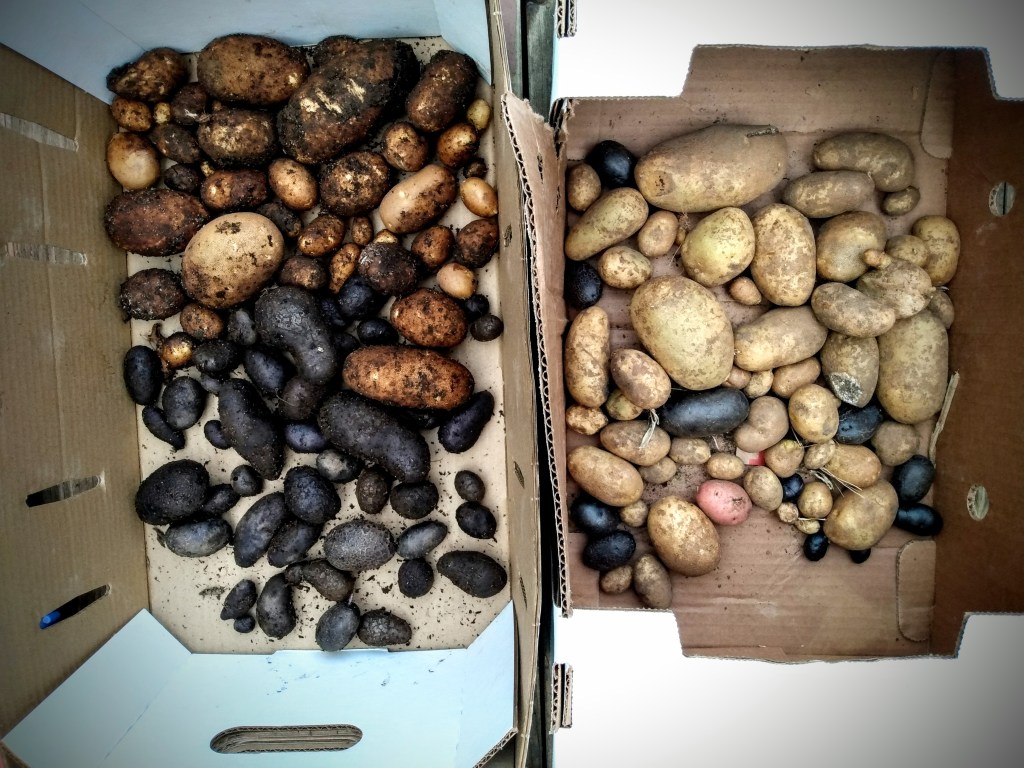
Here are the pictures of my grow bag (box on the left) and my raised bed (box on the right), taken side by side.

The raised bed might have had a couple less seed potatoes than I used in the grow bags, but we’re only talking about somewhere around a 2 plant difference if that is the case. So as far as quantity of potatoes go, the grow bags seemed to have done better. This result could be because the bags had the extra compost and pine trimmings that the raised bed didn’t have. But to be fair, the raised bed had seed potatoes planted about two months before I planted the grow bags, so the pine trimmings weren’t available for those plants. (The raised bed was harvested about two months before also.)

The sizes of potatoes seem to be about the same. But my largest potatoes did come from the raised bed.

I’m actually glad that I took the chance on the grow bags for my potatoes. I definitely think that it is a viable option for people to use if growing crops for your family is a challenge or not possible because you don’t have land to use to grow. I’ll post an affiliate link for the grow bags that I used below. And if you’re interested in using grow bags next year, but space is limited, if you can find a space to fit a 5 gallon bucket, you have the space to use a 10 gallon grow bag (which is slightly bigger, but you have a general idea of how much space you need.)

Things to remember when growing in a grow bag is that you will need to have a way of feeding your plants. Soil will have nutrients in it. But it won’t last forever. Compost is always a great option for feeding your plants because you’re putting nutrients back into your ground or plants that would normally just be sitting in a landfill, it’s an inexpensive way of feeding your plants, and you know or have more control with what is going into feeding the food you’re going to eat. If compost isn’t an option for your family, choose a fertilizer and/or compost product that works for you. The fewer chemicals that you choose to feed your plants means the fewer chemicals that enter the food that you eat. Take the time to read the ingredients label. If you can’t pronounce what you are reading, you probably don’t know what that ingredient is, and the chances are high that it’s something that you don’t want in your body.


Hopefully seeing this little adventure of mine has helped fill your curiosity of grow bags or give you another option that you might not have had before when it comes to you growing food for your family in a very limited space. And whatever you can grow means that you’ve saved that much money to apply elsewhere in your family budget.

Products I Use

This post contains affiliate links to products. We may receive a commissions on products purchased through these links, but at no extra cost to you. These items listed here are from Amazon but may be purchased at local markets.

In case you need to grow inside, LED Grow Light Strips for Indoor Plants, the red light gives you an option for growing plants that bloom.

Leave a comment

Processing…
Success! You're on the list.

Planning Your Garden

It’s that time of year where we need to look at the space we have to grow a little something to supplement what we get at the grocery store. This year, more than ever, is this important. Grocery prices are skyrocketing, independent farmers are finding it more difficult to stay in business, and there are just times where you want to buy produce and there was a run on that item with nothing left for you.

The great news is that you’re not held captive by what is or is not available in your local market. Even if you choose a little something that is easy to grow, that is one less thing that you have to depend on others for putting up in your kitchen.

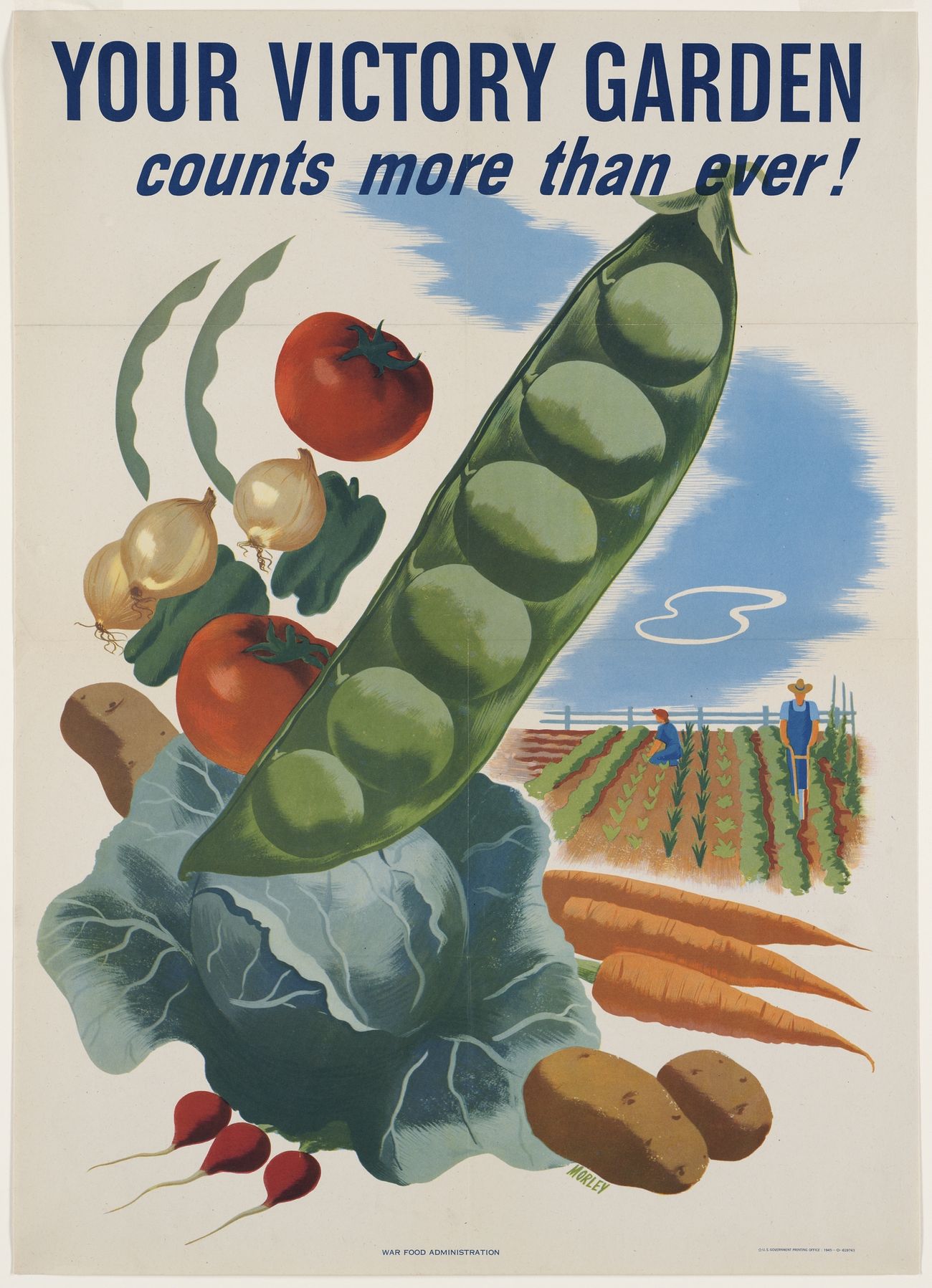
Maybe a Victory Garden sounds intimidating. You don’t have to go down the rabbit hole of homestead farming. Start by picking one vegetable that you eat a lot of. Do you use a lot of pasta sauce, tomato paste, tomato soup, or ketchup? You can start by growing some tomatoes and offset those items that you usually buy from the store by making it yourself. You will find it surprising at how few ingredients you really need to make those items. And you cut those preservative and other junk ingredients out of your diet that are put in those commercial products. And tomatoes are not demanding when it comes to you time. You can fit this vegetable into the cracks of your time.

Even if you respond to me right now by saying, “I’m not a vegetable gardener. I plant flowers. I love flowers.”

Advertisements

Did you know that right now the price of living has risen so much that people are putting off doctor visits because they can’t afford to pay the co-pay? In 2018 44% of Americans skipped visits due to price. (Forbes) In 2021, 41% skipped visits due to pandemic concerns. (AMA) Even with statistics provided in December, 2022, 40% of Americans still are avoiding visit for various reasons. (First Stop Health) This is a reality for many people. But that doesn’t mean that you do not have to go without treating your body with items from your garden, even your flower garden.

There are many flowers that you can grow in your garden that have medicinal properties.

Flowers

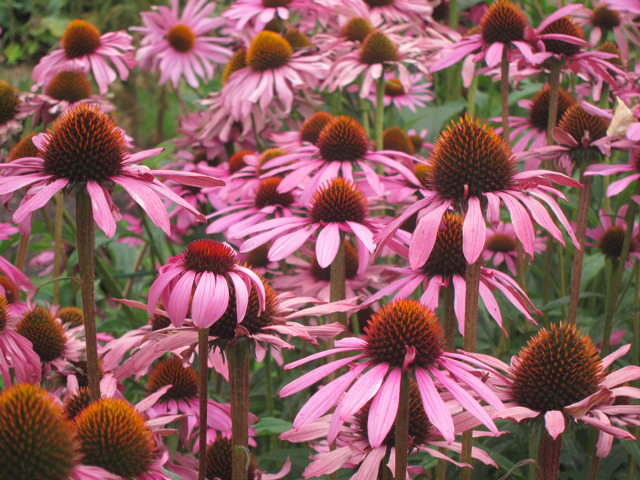
  • Echinacea: good for boosting your immune system and fighting colds and flus.
  • Rose Hips: (the dark pink or red fruit seen after roses have gone dormant for the winter) are high in vitamin C and good for fighting colds and flus.
  • Lavender: treats insomnia, reduces blood pressure, reduces menopausal hot flashes, and treats acne inflammation.
  • Dandelion: there are so many uses this flower has but some are soothing an upset stomach, aide with gall stones, and detox your liver.
  • Mullein: benefits for your lungs, sinuses, and ear aches.
  • Bee Balm: helps relieve flatulence and urination.
  • Yarrow: helps with fevers.
  • Elderberries: are high in flavonoids, vitamin C and A, betacarotene, iron and potassium.
  • Comfrey: is great mulch for all gardens (hint: in case you find it difficult to find a fertilizer). It also has anti-inflammatory properties (great for many different skin conditions), but also has a long history of being a bone mender. There are many medical articles that talk about how using a comfrey salve can decrease your broken bone healing time by half.
  • Chamomile: helps with muscle spasms and insomnia
Advertisements

There are so many more flowers that I could put on this list. Last year I started increasing the amount of medicinal herbs and flowers in my garden. Not only are herbs amazing for making your meals flavorful (hello oregano, sage, basil, and the whole mint family), but they can also be used in tea with the above flowers to help treat the symptoms of oncoming colds before you become sick. Or maybe you have a skin condition where you need to look for specialty soaps in the store. Did you know you can make your own soaps for a fraction of the price and better for your skin? Fact!

I’m inspired. What’s next?

Whether you’re ready to grow your own vegetables or just want to stick to our flowers, there are plants that do well next to each other and ones that don’t. So by planning on where you are going to put everything you want to grow, you can be sure to keep the friendly plants next to each other and competing plants away from each other. And by knowing if your herb or flower is a spreader, you can plan on keeping them in their own contained area.

Some vegetables you can’t plant next to each other:

  • beans and onions
  • tomatoes and corn
  • celery and carrots
  • garlic and leeks
  • carrots and herbs (parsley, dill)
  • onions and beans/peas
  • lettuce and broccoli
Advertisements

Vegetables that should be planted next to each other:

  • garlic and tomatoes
  • spinach and strawberries
  • beans and tomatoes
  • tomato, basil, and lettuce
  • corn, beans, and squash
  • radish and carrots
  • carrots and onions

By searching companion planting and the vegetables you want to grow, you can see what grows well together. You can also find out what does not do well together.

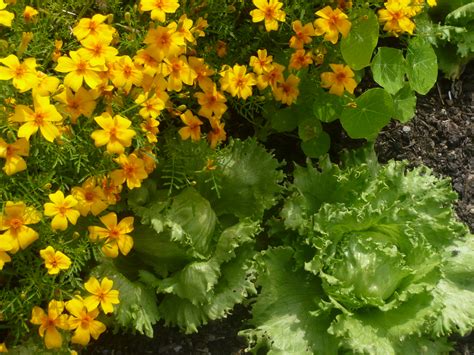
For example Marigolds deter pests that attack tomato plants, brussels sprouts, cabbage family, and bush/pole beans.

Search not just for vegetable companion planting but also flower companion planting.

  • Geraniums and Roses do well next to each other
  • Coneflowers and Black-Eyed Susans
  • Astilbe and Hosta
  • Hydrangeas and Daylilies
  • Daffodils and Amsonia
  • Daisies and Petunias
  • Marigolds and Lavender

Saving Time in the Garden

Now that you know what you want to plant, what does well together, and what doesn’t do well together, don’t wait until it’s time to plant your seeds or put your starts in the ground. Spend the time now in drawing out your grow space and determine where you will put everything.

I grew up putting seeds in the ground without a “map”. We would spend all day planting in a small garden because there was a swapping around of seed packets and other time wasting activities. Last year I mapped out where I was putting everything. By the time it came to putting seeds and starts in the ground, it only took me a couple hours to plant twice the area that my mother’s garden was.

Advertisements

Plus, that “map” had the added bonus of being a reminder of what I planted where. This is particularly important because I planted cabbage and I can’t plant any brassica vegetables this year where I planted cabbage last year because of the competition between these two vegetables.

Not everyone keeps a garden the same way. The focus on most of the gardening community is that you just fertilize your garden, or scorch and burn to add nutrients back into the garden. I decided to practice not just crop rotation, but also resting the land. All throughout history these two practices were how farmers kept land without all the modern conveniences of amending soils with fertilizers and other products.

By keeping this “map”, I can keep a record of how long I’ve had a garden plot, planter box, raised bed, pot, or any other container. This puts a concrete calendar that tells me when it’s time to rest an area. This past year was my first year in resting the very first garden bed that I started. It made me nervous letting a decent size space go fallow. But I watched saw that only a couple dandelions sprouted in the bed. I left them because one of the jobs of dandelions is to draw up nutrients from deep down in the ground to the surface where my vegetables for this year will use. But dandelions always grow where they are most needed. It was encouraging that there were only a couple and not a whole garden bed full of dandelions. So the rotation and natural fertilizing with compost and tea from comfrey is doing its job.

Advertisements

By watching your land sit during a year of rest, you can see what you are working with. Because your land will talk to you just like your plants will talk to you. They will tell you if something is wrong.

How to map and plan

I’ve looked at so many different sheets that homesteaders put together to share their process. The problem I’ve had with everything that I’ve found is that I have to shift through a dozen different pages to note the information that I want.

This year I decided to make my own sheets that are simplified and keep the information where I want it.

I’m providing my 8×8 Garden Plot and Weather Log for free on my website. Just click here and select the style that you want.

Why is a weather log important?

When I kept a weather log for my wild yeast starter, the mystery of why the same recipe was yielding different results.

In the same way, our gardens are going to respond to different weather patterns that hit. For example, the non-existence of spring and the extended winter jumping right into summer weather stunted all my seeds and starts. By keeping a record of the weather, I can look back on past years and see if and when I need to be concerned and add in hoops or other insulating method to help my crops in an uncharacteristic early season. And there was also an additional issue of powdery mildew hitting my pumpkins and comfrey plants in the midst of a sunny streak with absolutely no rain or my watering leaves. It turns out that the problem was the extremely uncharacteristic humidity levels. After a month of fighting mildew, I finally checked the humidity and saw that it was in the 90% range!

With everything that I threw at my plants to treat them, I ended up with a long list of what didn’t work. This gives me information in the future for looking for a different solution without wasting these resources. So never underestimate the power of keeping notes!

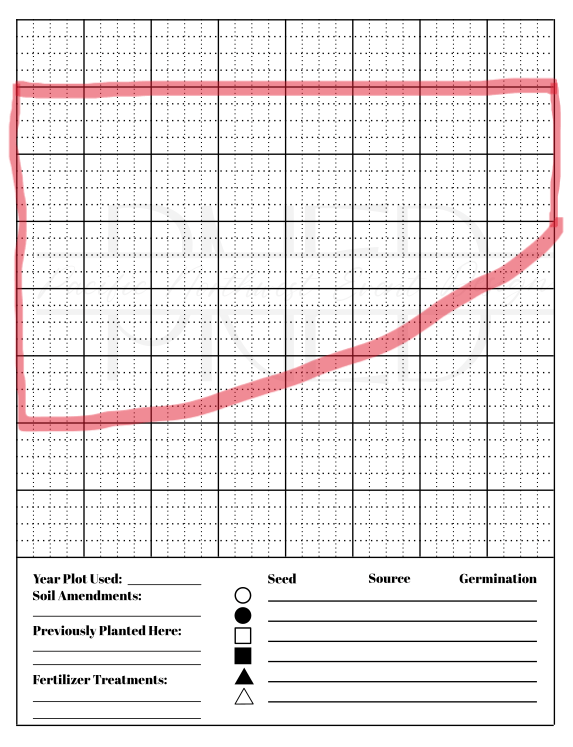
Last year I used a grid pattern not just for my garden beds, but for all my containers and irregular shaped beds.

No matter what shape or container you’re working with, all you need to know is the measurements and then you can roughly draw it on the grid.

Just keep in mind that when you plan seeds, you’ll want to keep a couple of inches away from the side of your container or raised bed so you can have a healthy root system.

The grid will do the math for you!

I set up the grid so that the darker squares can be used for a 1 foot measurement and the smaller squares can be used for other incremental measurements that you seeds require. Having this information already in mind, this past year I just used my pre-mapped seed drops sites, poked the soil with a chop stick and dropped my seeds. I knew ahead of time how many rows and columns I would be making so I didn’t need a ruler or anything else to space. (And spacing is always the most time consuming part of planting!)

Another thing that I hated with the other planning sheets is that they didn’t set it up like a map, complete with symbols to make your coding easy. It’s easier to use a shape code than an initial code when diagramming your seeds. I’ll tell you what! You never recognize just how many plants start with the same letter until you try to put them on a map. And they’re all at the beginning of the alphabet!

Make it Simple

I hope these two sheets will help you and your garden out as much as I know they will make my life simpler.

The Garden Plot sheet I will use for each of my gardening areas. I will be leaving the back of the sheet blank so that all I have to do is flip the sheet over to have more space for notes on what this growing season throws at me. And the Weather Log will be nice because a whole year can be seen on one page.

So far, this year’s planning is only going to take me 6 pages instead of the 18 that I started off with last year.

Give this Garden Plot a shot and let me know in the comments how it works for you!

Also let me know what other information you keep records of when you are gardening.


Files Used

Processing…
Success! You're on the list.

Leave a comment

Advertisements
Advertisements