

If you’re a sentimental person, or living with one, you know what I’m talking about when I say that it’s near impossible to get rid of those things that are just sitting there collecting dust.
Whether it’s a shirt collection, old ratty blankets, or any other fabric textile, I’m going to show you how you can transform it and reuse it in a meaningful way. And the bonus is that your sentimental loved one gets to keep their memories at the same time!
In this instance I’m using the spare jerseys that I had from coaching this past season. My office space is limited and I really couldn’t keep them for some theoretical team use. Besides, my boys have already a small collection of jerseys from different teams they have played on. I need a game plan of what to do with them, in the event that certain men in my family can’t let them go.
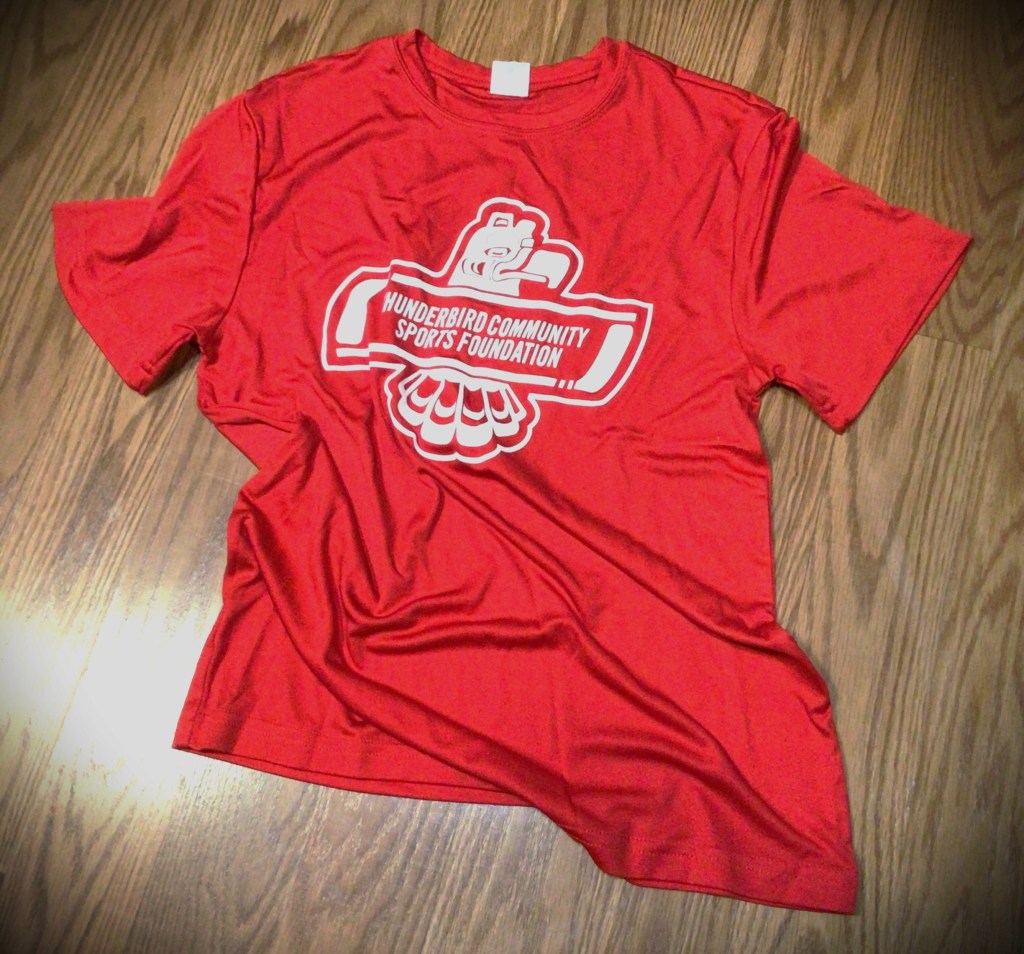
Breaking Shirts Down
If you’ve taken a look through Pinterest, you’ve seen how people have made pillow cases out of shirts of loved ones who have passed on. You probably have seen, many years ago, where logos and decals of shirts have been broken down into quilting squares. What do you do if you really don’t want pillow cases (especially out of stained jerseys) and the material doesn’t lend itself to quilting (or you just don’t quilt)?
Cut the shirt down into a thin fabric strip, or yarn if you will.
The beauty of breaking shirts down into a fabric yarn is that you have so many options in front of you on how you want to use the shirts. You can crochet/knit with it, weave, braid and turn it into cordage (which then can be used in other crafting and practical projects like macramé or net making–trellis for garden, make a reusable bag, or anything your imagination takes you).
Whatever terminology you want to use for the strips of fabric, or future use, I’m going to move forward by talking about the material as yarn.
How to Make Your Shirt Yarn
If you haven’t washed the shirt yet, and want to, make sure it’s washed and dried. If the shirt is stained from mud, grass, or anything else, don’t worry about it. As you will see in a moment, you will not see it when you finally work your yarn. If the shirt was stained by bleach, that’s not a problem either. Depending on the size of the bleach discoloration, it either won’t be noticed or it will add variegation to your yarn similar to the color variegated acrylic skeins of yarn you see in the store.
Lay your shirt out on a flat surface. The first shirt that I cut, I used my lap and the polyester stretched differently as I rotated the shirt as I cut. This made the lines uneven and rough. For the second shirt, I laid it out on my kitchen chair (you don’t have to have a crafting table to do this if you want to make yarn). My cuts were more uniform and with less jagged edges.
Don’t let your lack of cutting precision dissuade you from making yarn. If you find that you have little pennant like flags on your strips, when you crochet the yarn you will find that you have a textured look.
I started by cutting the bottom hem of the shirt. If you cut at a 90° angle, you will find that you have to cut on a slant to cut your next pass around the shirt. However, if you cut at a diagonal/45° angle, you will just circle around the shirt without noticing any change or needing to make adjustments.
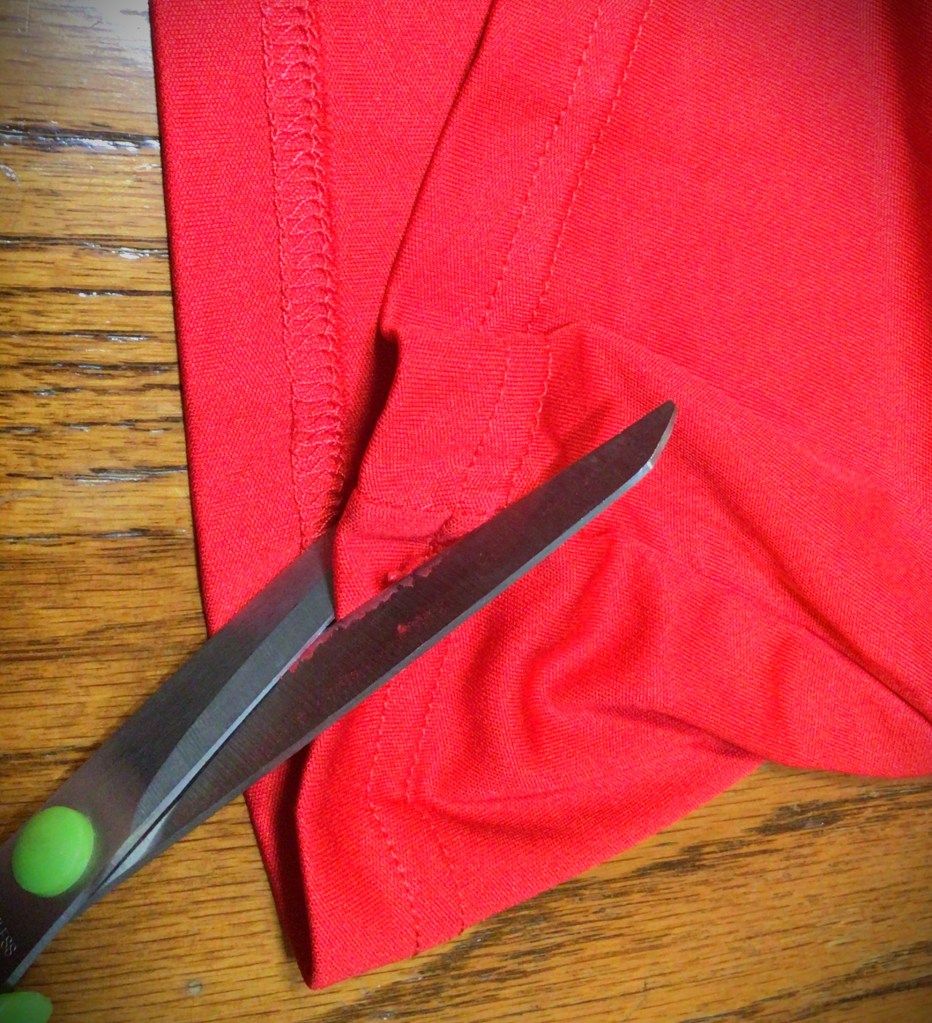
The thickness of the hem is a great way of feeling out how thick to cut your shirt into yarn. It’s about 3/4″ to 1″ wide. I wouldn’t go any wider than that, especially if you have thick vinyl lettering on your jersey/shirt.
As you cut along the hemline, look how its width is in proportion to your hand. I looked at how it fit between my first and second knuckles. With this visual cue, I could cut the rest of the shirt and keep the width pretty consistent.
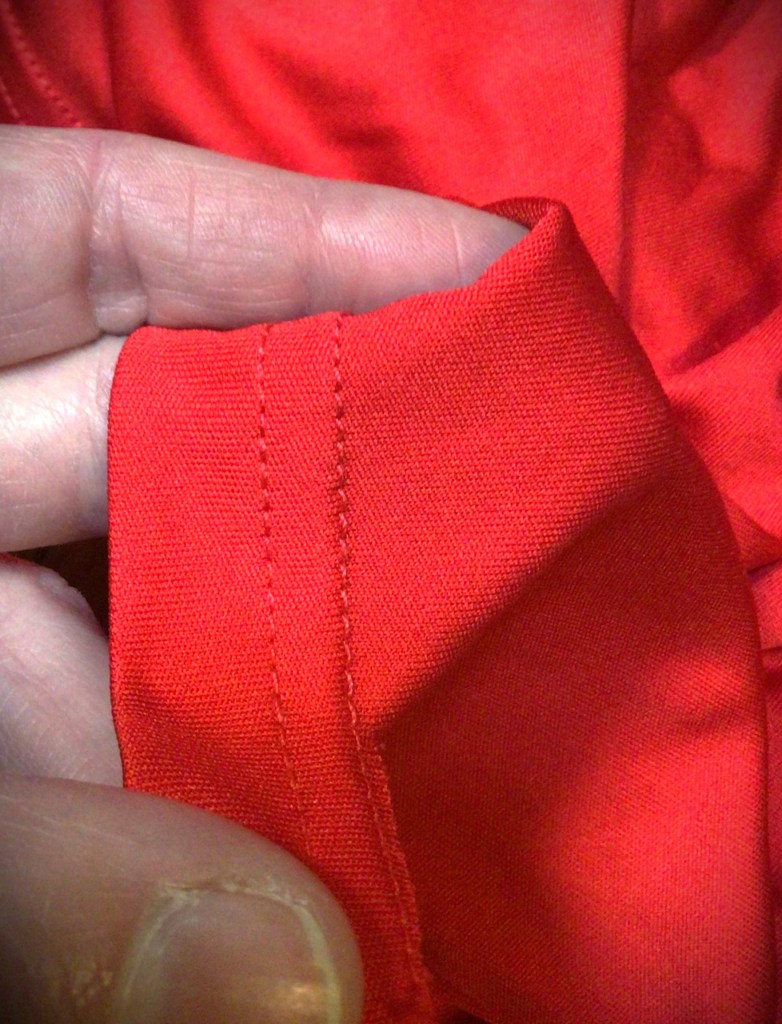
I chose to start cutting my yarn from the bottom of the shirt because it allowed me to find my cutting groove without having to worry about the neck line or the sleeves.
By the time that I got up to the sleeves, I felt out how I wanted to cut the shirt.
One option was to remove the sleeves entirely. I chose to leave my sleeves intact because I wanted to maximize the length of yarn that I got from my jerseys. The beauty of jerseys is that they’re made of polyester and when you cut through the shirt/sleeve seam, the fabric remains intact. (Cotton shirts may fall apart when you cut the seam.) So all I did was focus on keeping my yarn width and keep cutting up into the sleeve and back down into the shirt.
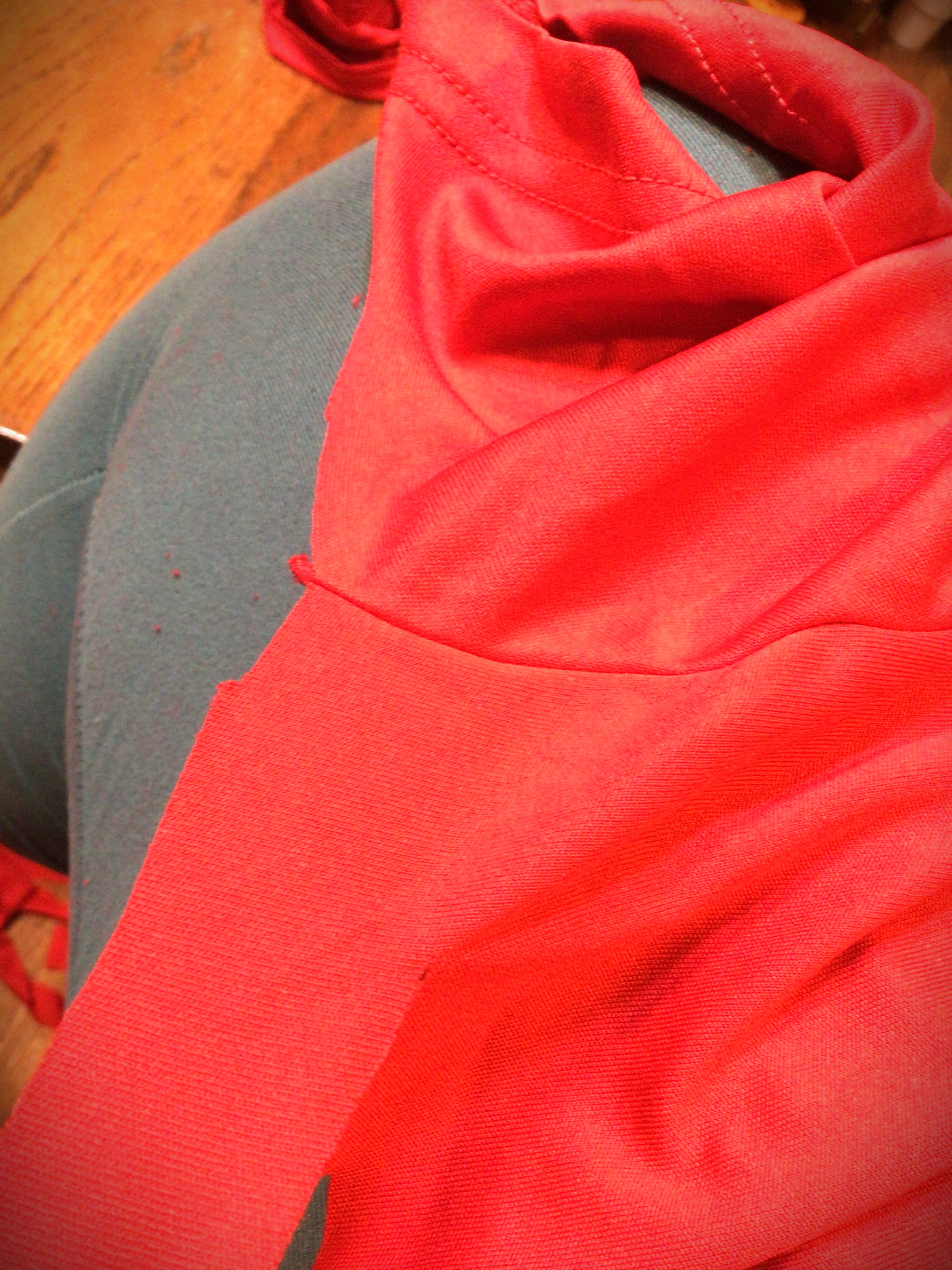


There does come a point where the sleeve separated and opens up and you can’t go directly back into the shirt body. At this point I just turned the fabric so that I turned the rest of the sleeve into yarn before joining back up into the shirt body.
The neckline is also an odd point to cut around. What you want to do us keep thinking and focusing on keeping the width of your yarn. You can cut through the neck hem and there’s not going to be any issues. The jersey’s neckline stays intact on the seam.
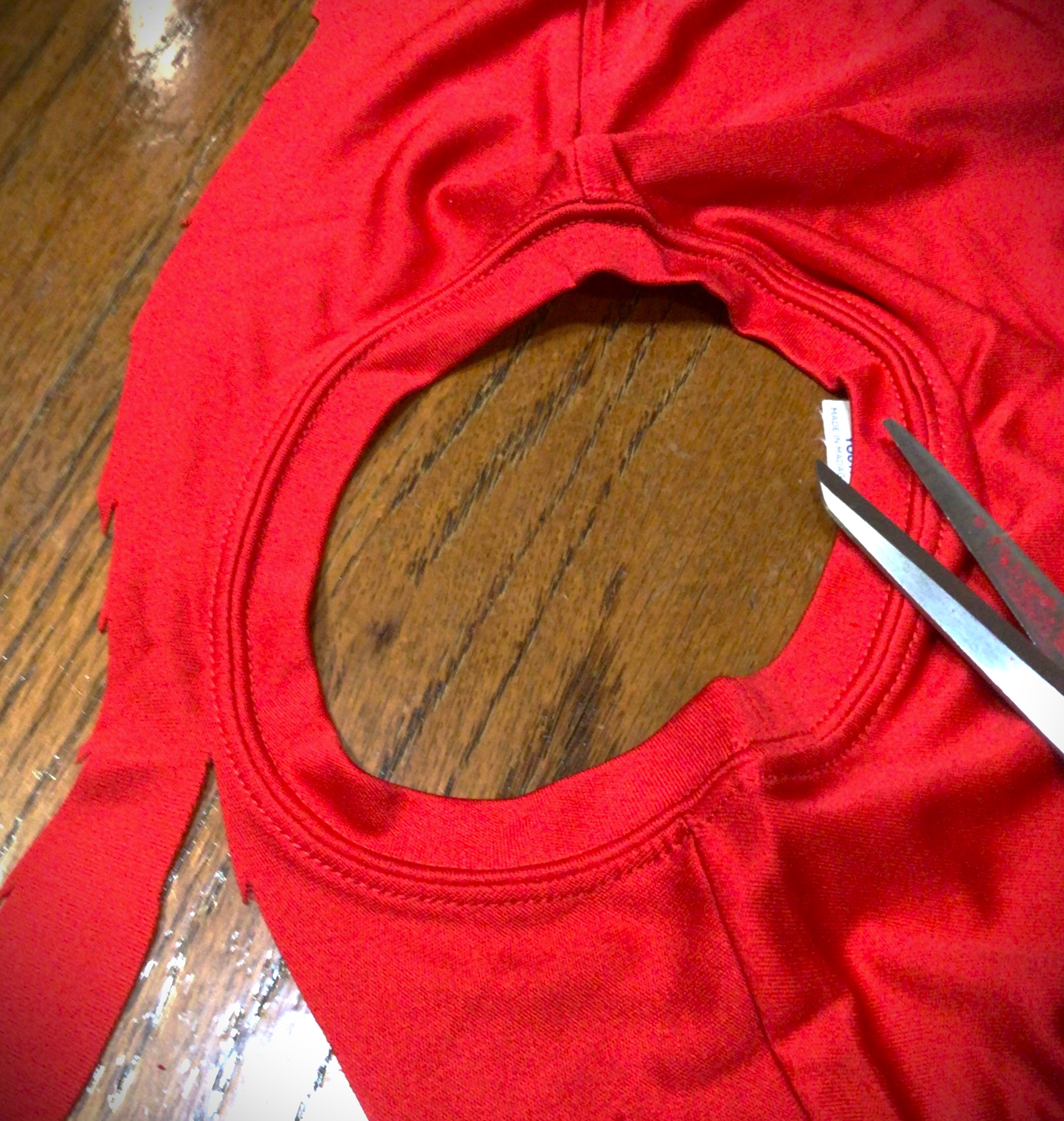
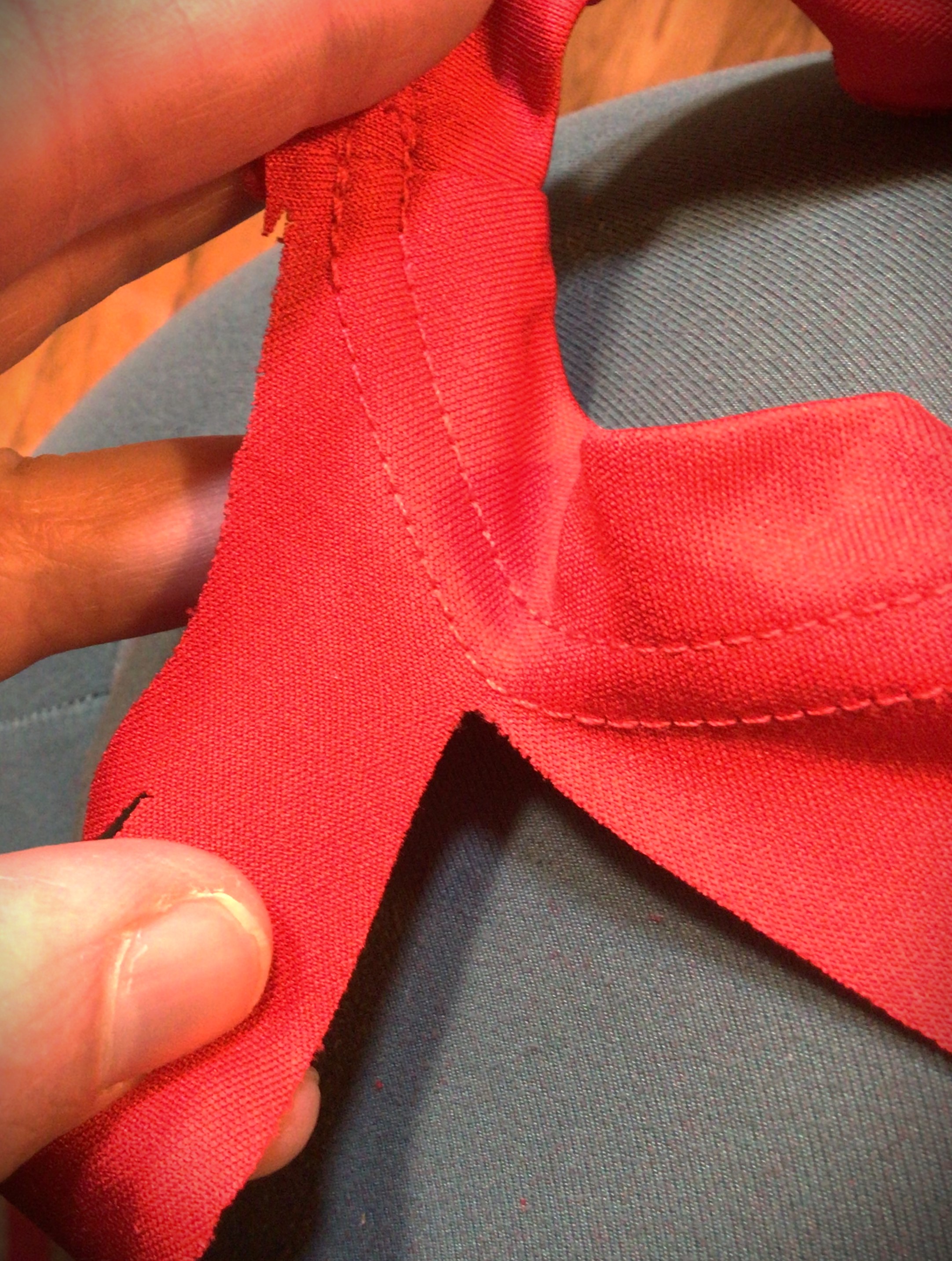
Once you get to the end, you will more than likely find a funky end. Just keep your width, cut around corners and finish off the shirt. It will look like a spiral, but it won’t affect your project at all.


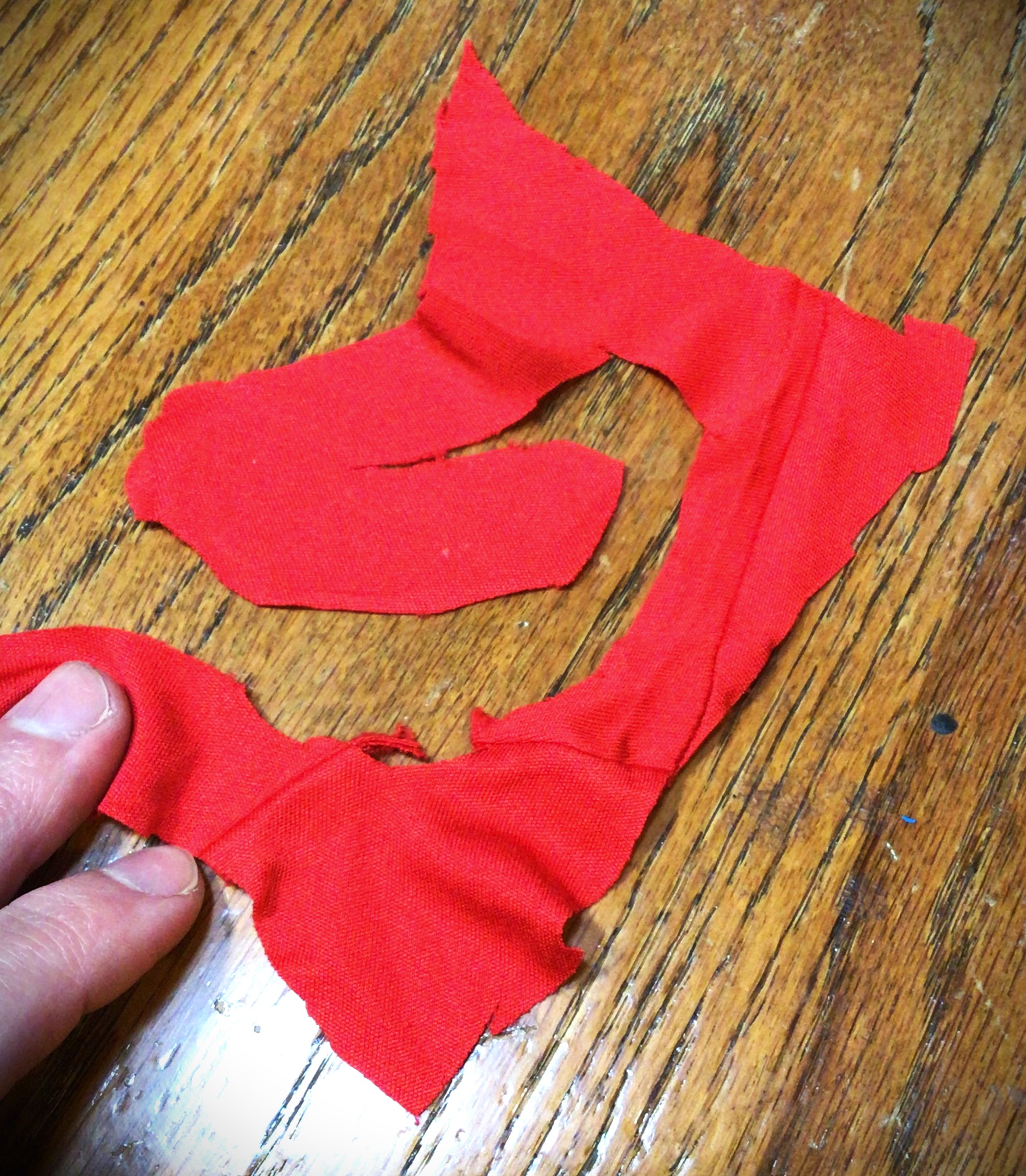
With your shirt cut down into one long strand of yarn, you can trim off any large triangular flaps that you see. Or you can wait to do any trimming until after you started working with the yarn.
I chose not to do any trimming until after I crocheted my yarn. Even though I had several flags on both balls of yarn, I only ended up cutting off three triangles. And those ones were about as long as my pinky when the yarn was unworked–just as a point of reference.
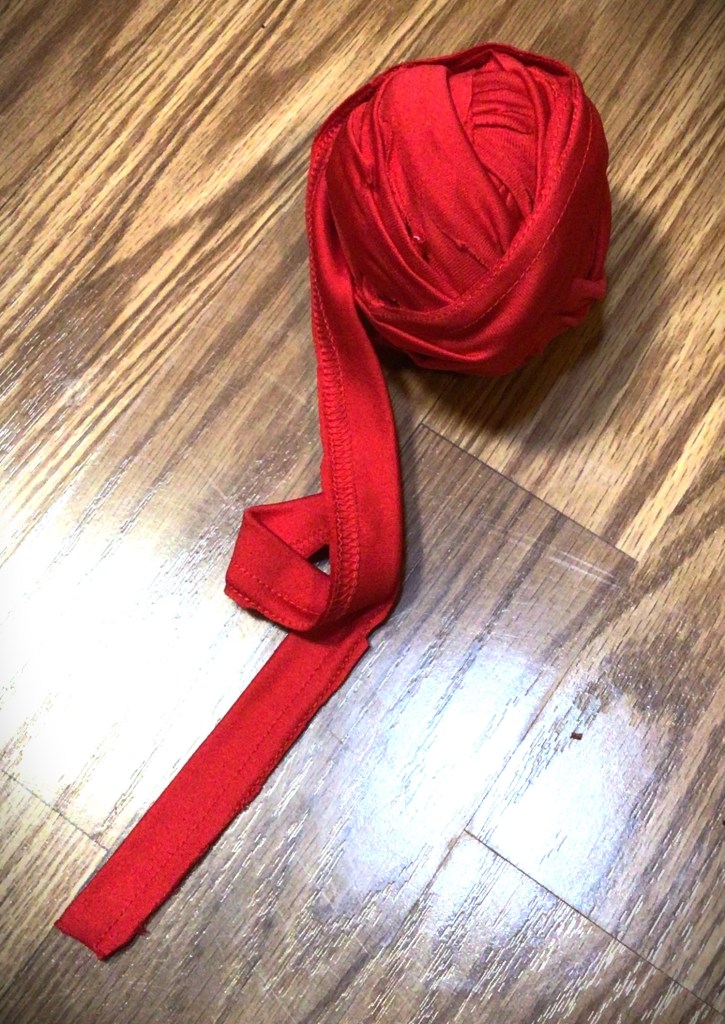
For storing your yarn, or prepping to go right into a project, go ahead and roll your yarn into a ball. Each yarn ball was smaller than the whole shirt folded. So even if you’re looking to save space, and not start your project yet, it is well worth prepping your shirts ahead of time into yarn.
Starting the T-Shirt Yarn
You can choose to start the t-shirt yarn the same way as you would with acrylic yarn. If you want to avoid a large knot, you can do this.
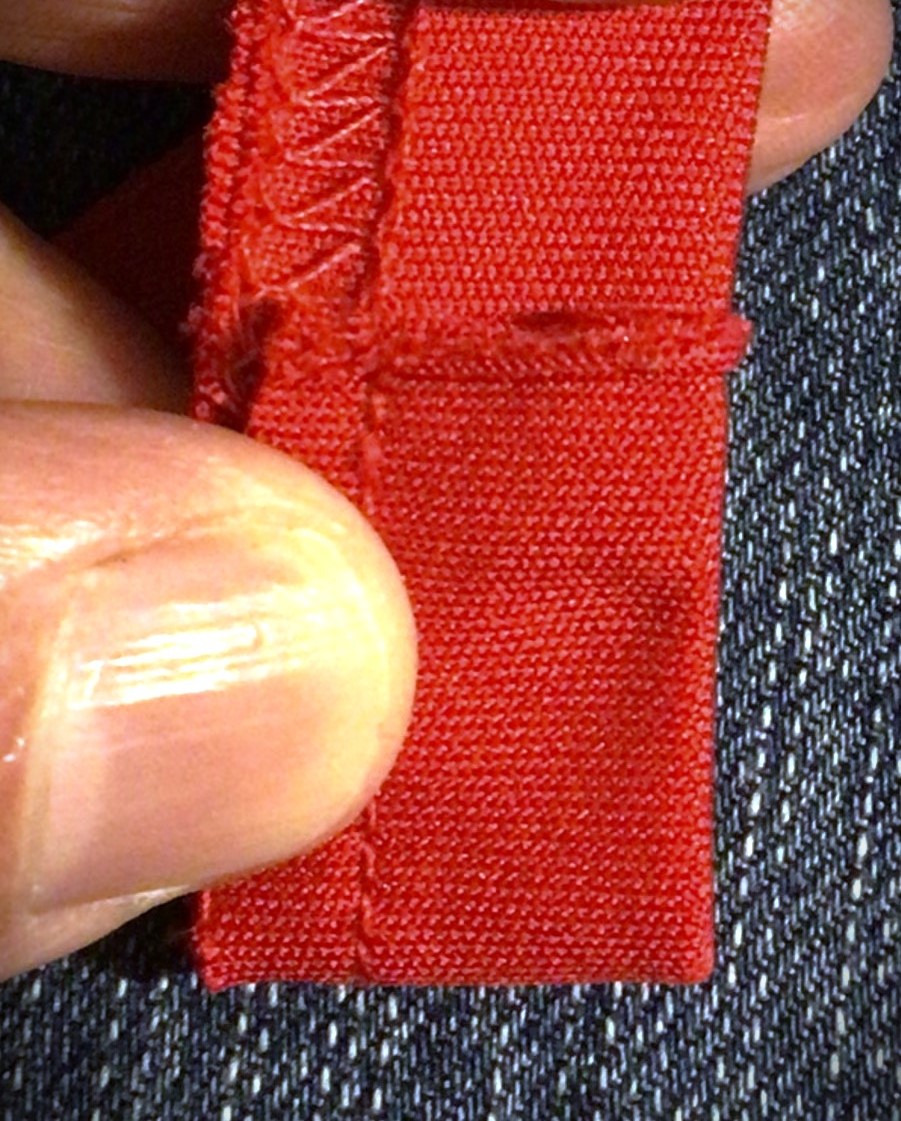
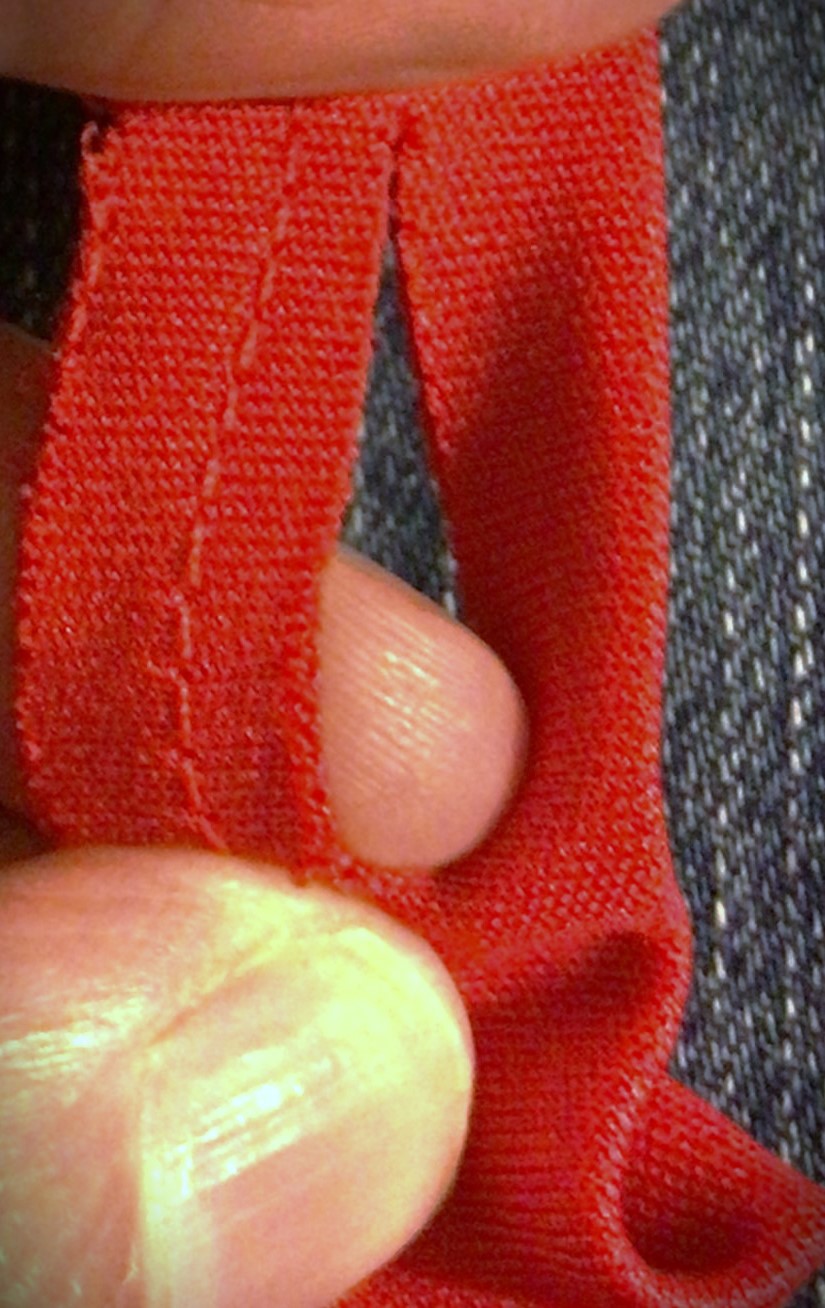
Double over the end of the yarn. Over the crease cut down the middle. When you open the yarn back up you will see that you have cut a hole in the yarn. From here you can choose to thread the yarn through the cut hole to make your first loop. Or you can treat this cut hole as your framework to start a circle or square block.

When you are finished with one ball and want to join your next one, you also have a couple options.
One option is that you cut a loop into the end of your next ball of yarn. The tail of the ball that is coming to the end, cut so you have two ends that you can tie into the loop you just cut into the next ball of yarn. (In the case of polyester, your knot is going to be small, so it will disappear as you work through the transition.)
Another option is that you cut a loop into the tail of the ball that is coming to an end. Thread the beginning end of the new ball through this loop. Make sure that you pull enough thread through so that your first couple of crochet/knit stitches are the doubled over yarn. (This minimizes the potential of a visual knot. However these stitches will be thicker than the ones on either end; from the end of the old ball and the addition of the new ball.)
Potential Projects
As I mentioned earlier, once you have your yarn made there are countless projects you can make. If you can crochet, knit, weave, or make cordage you can use this yarn for all those projects.
I don’t have nearly enough jerseys to make the one I want, a Christmas Tree Skirt. (I will just add to what I’ve started as jerseys become available. My kiddos are pretty fascinated by this and so I have no doubt that I’ll have their old jerseys before much longer.)
Before I leave you to start creating, I wanted to show you how this yarn works. You saw that the front of the jersey had about a third of the front covered by sponsorship decal. The back also was half covered by the jersey number and sponsorship as well.
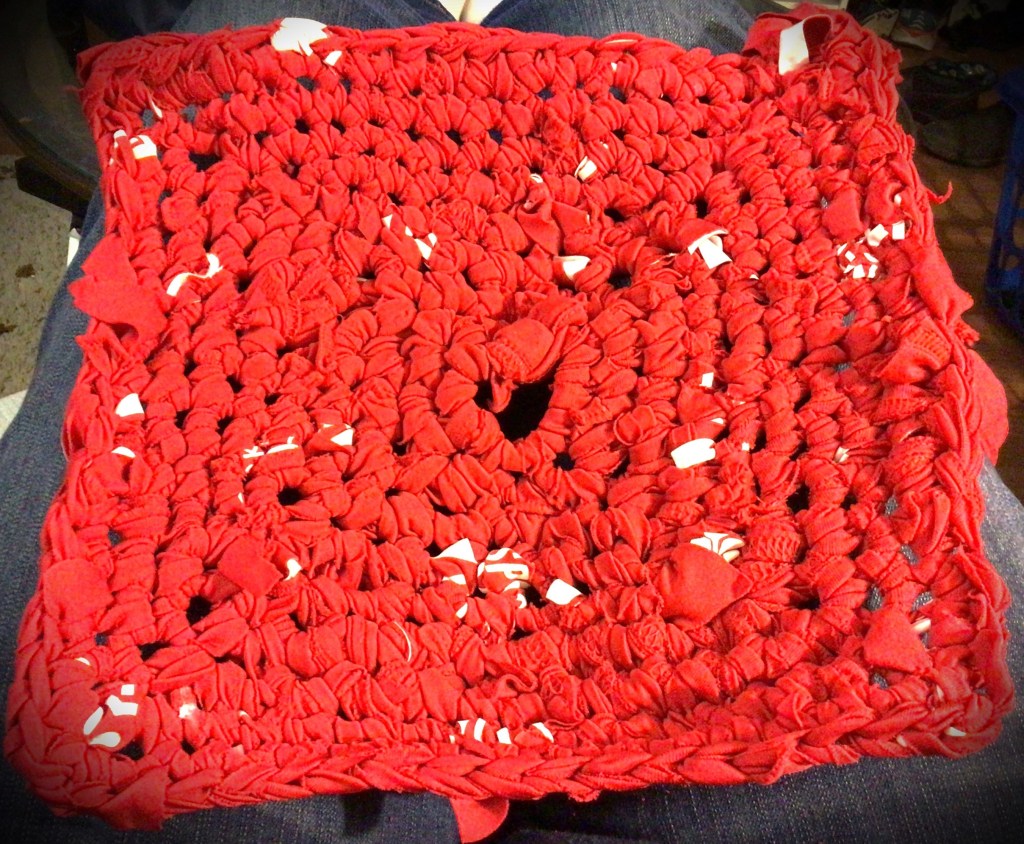
As you can see here, for as much white vinyl was on the jersey, in the end it’s just speckling. The thicker chunks of white are from the large jersey number from the back. You can even see the tips of the smaller pennant edges sticking out. Those can easily be trimmed back for a smoother appearance. Or they can be left to add texture and whimsy to your project.
Just so you’re not discouraged, the vinyl they use is difficult to work with. It did pucker as I crocheted. (You see how much it sticks out on the edges.) But as you continue to work your yarn it starts to lie more flat and incorporates itself into the piece.
Note: I didn’t use a standard crochet hook for this. I used a weeding hook (for when I cut my own vinyl) that has a handle that about as thick as my finger. Especially working with yarn that has stiff vinyl, it’s easier to manipulate when you use a thicker hook.
Hopefully this 10″ x 10″ square (made from one youth size S and one youth size M jersey) gives you an idea and even inspiration for what you might make with this kind of yarn. You could mix and match jersey colors into your project or make squares to color coordinate your project in a more analytical framework.
 How I Can Do That
Leave a comment