

I don’t know about where you live, but in my local community parents have been scrambling to find their family’s cold and flu medicines and finding the shelves are picked over at best and empty at worst. As a mom, I know the feeling of panic that can set in when you can’t source the things that you need to make your children feel better. As an adult you shrug your shoulders and muscle through the illness. But when it comes to your kids….
What do you do when you can’t find the over the counter medicine that is your go to for colds? Or when your child’s prescription is on back order and you’re told to just wait?
The one bit of information that you’re not told when you’re growing up is that every bit of medication, prescribed or over the counter, was originally birthed from herbal remedies that have been scientifically studied for thousands of years. The pharmaceutical companies cannot patent or charge a premium price on what you can find in nature, sometimes your own back yard. In fact, the pharmaceutical companies take these natural herbal compounds and modify the molecular structure so that they create something “new” and are then able to patent this medicine to keep their competitors from replicating their recipe and make it possible to charge a premium price.

Before I go further I want to state that I’m not putting down modern medicine or making any medical claims or promises. The intent of writing this post is that I want to help relieve parents from their fears, worries, anxieties, and feelings of helplessness as they wait for their children to get the medication that they need and is either out of stock or on back order. I also want to state that there is a time and a place for western medicine and seeing a doctor. Especially with young children, and any cold or illness that affects their breathing and ability to get enough oxygen into their system, medical attention is absolutely necessary. Clinics, Urgent Care, and Emergency Rooms have medical resources that you are not going to find at your local grocery store or pharmacy.
In the situation where you know that you are dealing with a common cold or virus that you’ve seen before your spice cupboard and/or garden have everything that you need to find some relief while you wait for the cold to run it’s course.
Herbs you may already have:
Healthline has an article here that breaks down herbs and what viruses they are particularly effective against. A good resource for more information of herbs can be found online here, from Annie’s Remedy. A heavy reading article in support of exploring natural remedies for viral infections can be found here, from National Library of Medicine.
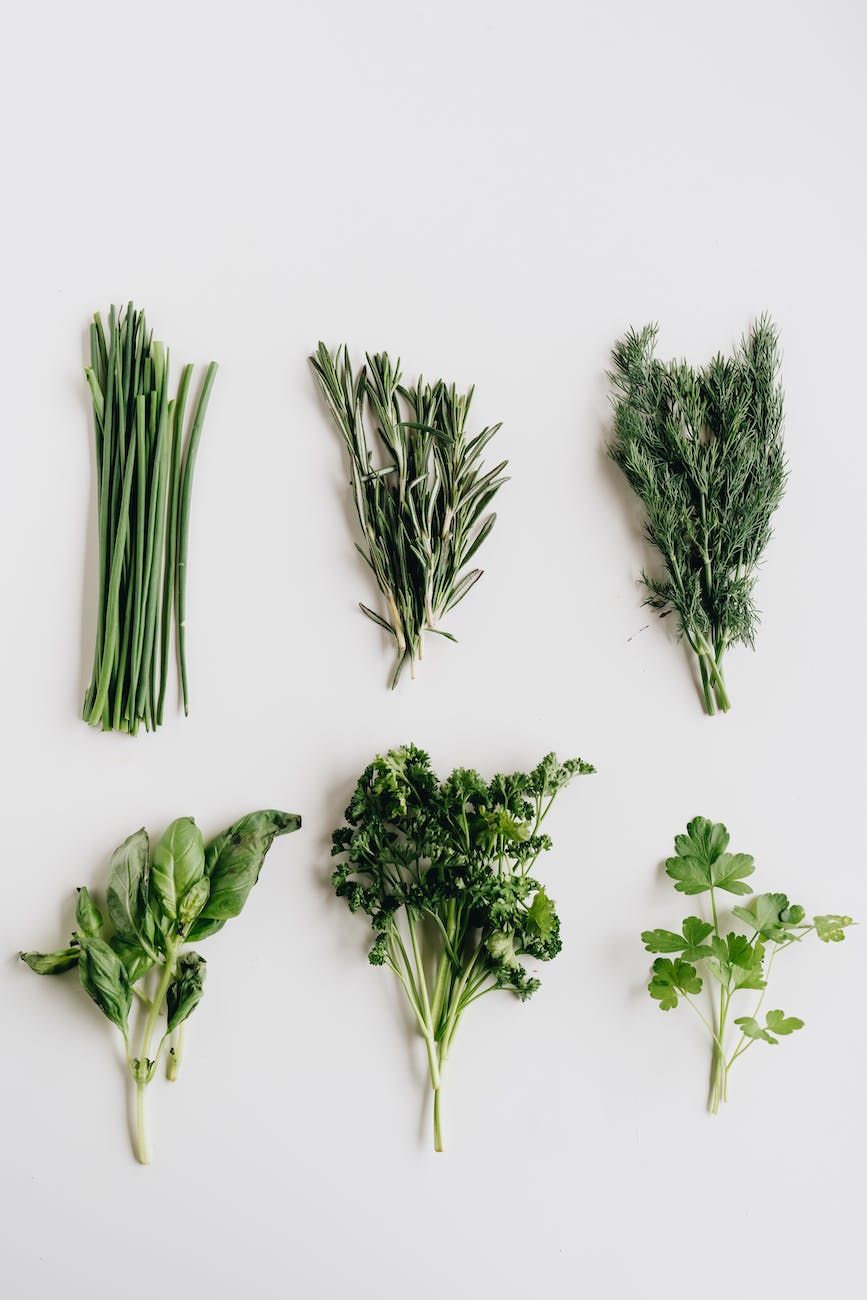
Oregano is known for calming the stomach. This makes it particularly useful against stomach flu, norovirus, and rotavirus. (Healthline)
Sage is known to aid your digestive track, and remedy colds and fevers. “Test-tube research indicates that this herb may fight human immunodeficiency virus type 1 (HIV-1), which can lead to AIDS.” (Healthline)
Basil is known for settling the stomach (Annie’s Remedy) but also works to strengthen your immune system, notably your helper T cells. (Healthline)
Fennel “loosens congestion and make coughs more productive. Fennel also calms the dry, hacking cough of bronchitis.” (Annie’s Remedy) It boosts your immune system and decreases inflammation. (Healthline)
Garlic has long been known to be antimicrobial, opens the lungs for easier breathing, is an antioxidant, prevents blood clots caused by platelets (a blood thinner), fights cholesterol, lowers blood sugars. Studies have showed that it combats influenza, viral pneumonia and rhinovirus (common cold). Current studies have shown that it “enhances immune system response by stimulating protective immune cells”. (Healthline)
Lemon Balm is shown to have effects against bird flu herpes virus, HIV-1, and enterovirus. (Healthline) I am currently finding it extremely difficult to find the reputable source that told me that Lemon Balm is the herb of choice to fight the whole corona virus family. In my continued re-search of this information, I have found that it is effective if your family cold medication is Tamiflu. So if you are running around town for Tamiflu, Lemon balm is the herb that you can use in its place. (The Botanical Institute) There are medical discussions on this subject as you will find in this medical article. Here is another science article talking about other medicinal uses for other diseases, such as Alzheimer’s. And here at Natural Society.
Peppermint calms nausea and soothes the bowels. “Peppermint is a first herb of choice for treatment of colds and flu because it acts to relieve multiple symptoms at once: congestion, headaches and muscle aches, nausea and fever.” (Annie’s Remedy) It is also well known as being antiviral and anti-inflammatory, it is active in fighting against RSV (respiratory syncytial virus). (Healthline)
Rosemary is known for its Immune System support. It also stimulates “the central nervous system and circulation, …block histamine, the chemical culprit of both asthma and allergies.” (Annie’s Remedy) It is also active against influenza, herpes viruses, and hepatitis A. (Healthline) Study Finds is showing that studies are finding that rosemary is useful in fighting C-19 and Alzheimer’s.
Ginger “has antiviral effects against avian influenza, RSV, and feline calicivirus (FCV), which is comparable to human norovirus… found to inhibit viral replication and prevent viruses from entering host cells.” (Healthline)
Bay Leaf is known to be anti-inflammatory, anti-cancer, digestive relief, pain relief, good for your respiratory system, and help your immune system. (Nutrition and You)
Herbs you may not already have in your kitchen, but you’ve heard of:

Echinacea“is most effective when taken at the first onset of cold, sinus, gum inflammation or other infection symptoms.” (Annie’s Remedy) It is “particularly effective at fighting viral infections like herpes and influenza”. (Healthline)
Elderberries/Sambucus is known for being preventative in fighting the flu and common cold. It is best to take during cold and flu season and then increase dosage when you become ill. It assists your immune system and is not a complete preventative measure. It is “found to substantially reduce upper respiratory symptoms caused by viral infections”. (Healthline)
Licorice is known for aiding sore throats, coughs, chest pains, and stomach aches. It “is effective against HIV, RSV, herpes viruses, and severe acute respiratory syndrome-related corona virus (SARS-CoV), which causes a serious type of pneumonia. (Healthline)
Astragalus is shown to work against herpes viruses, hepatitis C, and avian influenza H9. (Healthline)
Ginseng all varieties are found to help your respiration & digestive systems, helps with headaches, shortness of breath, and fight viruses. “Korean red ginseng extract has exhibited significant effects against RSV, herpes viruses, and hepatitis A.” (Healthline)
Dandelion has many health properties such as supporting the Liver, ridding the body of excess toxins, and help control blood sugar levels. (Annie’s Remedy). It also fights hepatitis B, HIV, and influenza, and dengue. (Healthline)
What do you do with this information???
The importance of using herbs is that you give your body the building blocks that it needs to fight whatever it is that your body is being attacked with. You eat food so that your body has the nutrients it needs for brain function, muscle building, hydration, having over all healthy cells in your body with everything working as it should properly work. Herbs are like a laser pointer that have a focus in helping in a targeted area.
I know it’s hard for many people who were raised with Western Medicine to switch over and trust in herbs to do what pharmaceutical medicine does. Herbs don’t work as quickly, which is one reason why people tend to shy away from this way of helping your body and grab that cold medication off the shelf that you have experience with it working, because you grew up with it.
The difference between your tried and true cold medication and herbs is that the cold medication was formulated to be quicker acting to take care of your symptoms while your white blood cells fight the infection and you heal. The herbs may be “slower” acting because their function is to feed your white blood cells to give them the building blocks/nutrients they need to be healthy and become super charged to do their job. It takes a little time for your cells to respond to good “food” and adjust and become super workers to kick that virus’ butt. But that’s what herbs do.
The easiest way of using this information
Go one of two routes!

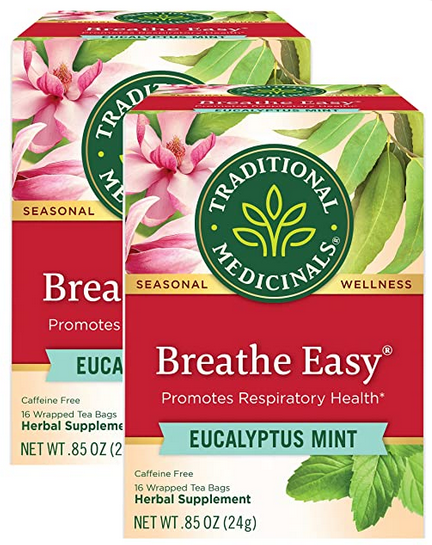
ONE— look for these ingredients in a tea. It’s as easy as boiling water. In fact, the last time I had a cold, I drank Breathe Easy Tea a couple of times a day and I didn’t have to take any cough syrup. It was a dry cough that was annoying and took forever to go away. But this made it so that I could breathe through the night without waking myself up coughing.
When I’m dealing with upset stomachs or nausea from me or my kids, I love steeping sliced ginger root in apple juice. It works better than Ginger Ale, which I grew up with drinking every time I got sick as a kid.

TWO–cook with them. I so hope that people catch my heart on this and start cooking more with herbs! It is one way that is definitely 100% in our power to help turn our health around when we begin to feel sick.
What prompted me to write on this subject this week is that for a second time a family member has tested positive for C-19. They both sought medical treatment and were released to go through the course of the virus at home. Talk about feeling helpless as theh one being sick and the family member who is left to watch them go through it.
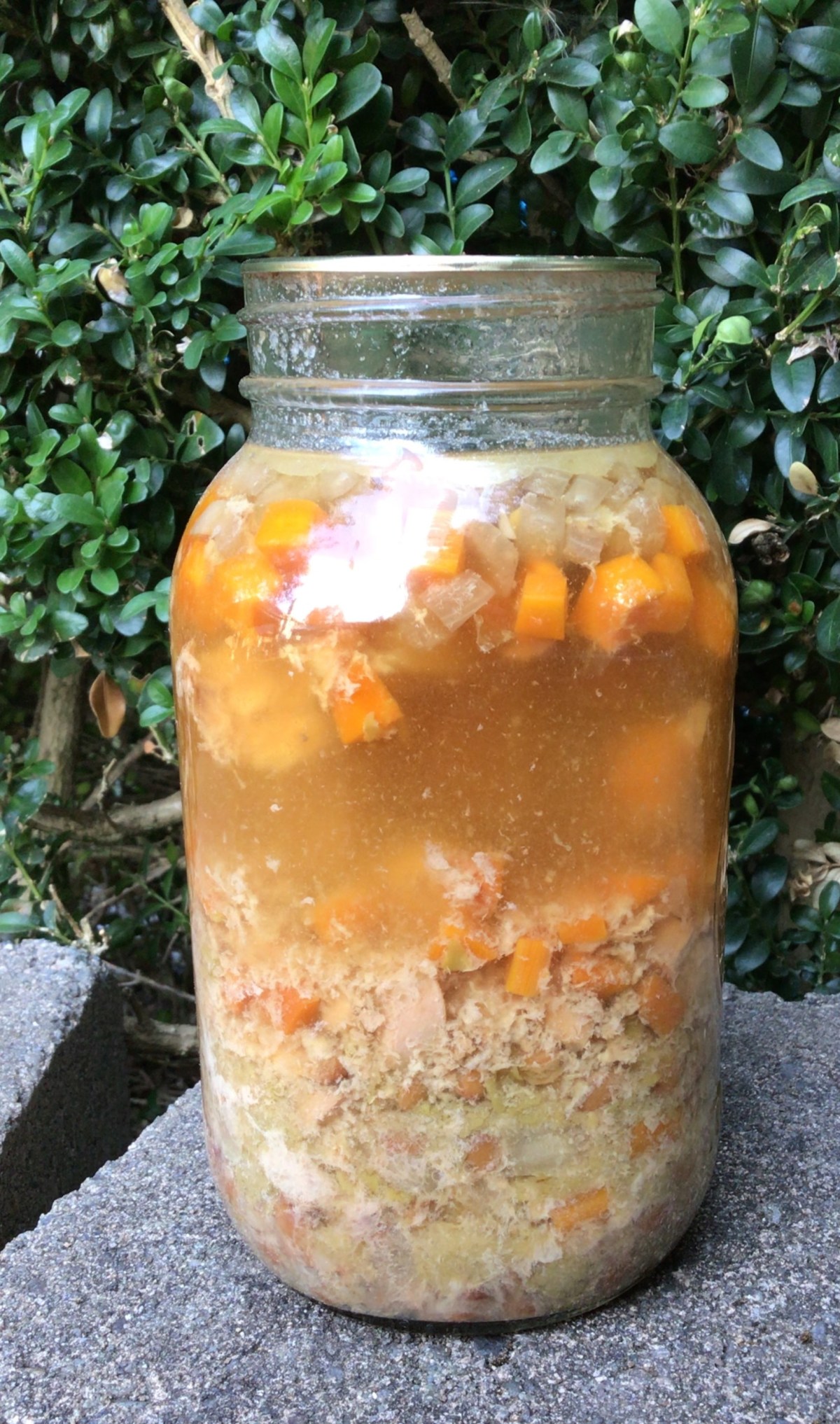
For both family members, I cooked them chicken bone broth using herbs from this above list. And both times, after the first portion of broth, they both let me know that they felt a difference. One family member was hit extremely hard with nausea. The broth drastically cut that back so that they could get nutrients and liquids into their body. The second family member’s biggest complaint (other than lack of smell and taste) was that they had a sore throat. Immediately they felt a difference in their throat, again allowing them the ability to get more nutrients and liquids into their body.
In both of these examples, the point of the herbs was not to cure them. The human body is an amazing thing when it’s allowed to do what it does best. But for our bodies to function properly, we need food/nutrients and liquids.
How I make my C-Soup
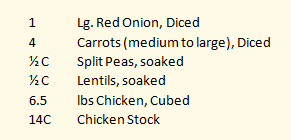
I’m still finding my precise measurements to give a proper recipe. But for the first family member I used fresh Lemon Balm. For the second family member I used dried Lemon Balm that I stored from this past summer.
First you prep for making your bone broth. Clean off your chicken bones and put them in your Instant Pot, Slow Cooker, or Stock Pot. Add water to the level of your cooker of choice (a full chicken’s bones, I usually add 32 oz of water)
Next, add your herbs. Here is what I use:
- Lemon Balm: antiviral for the whole covid family (which covers your bases for all colds and flu)
- Bay Leaves: antiviral
- Oregano: antiviral, stomach soother
- Basil: antiviral, Immune system support
- Sage: stomach soother
- Garlic: antiviral
- Rosemary: antiviral, fights C-19
- Ginger: stomach soother
- Shallot or Onion: some antiviral properties
- Black Pepper
Cook. In my Instant Pot, I run it for 2 hours. You can run the bone broth for as little as 1.5 hours. I run mine a little longer than everyone else because I want to make sure to extract all the goodness not just from the chicken bones, but also from the herbs. In a slow cooker, you will want to run it on high for about 24 hours. I haven’t made bone broth in a stock pot, so I can’t tell you the precise cook time. You will still want to run it low and slow like you would with a slow cooker. As you can see, you know why I prefer my Instant Pot. If I run out of my canned bone broth, I can have the soup on the road and delivered in a couple of hours. And it’s generally still warm so my family members don’t even have to warm up that first serving. It’s ready to go.
Strain out the herbs and season the stock with salt.
Adding the salt is important. If you can taste, the broth tastes better when it’s well seasoned with salt. And the first thing my taste testing children note is the lemon flavor after I seasoned the broth. Salt is also an electrolyte. So when someone is sick and not drinking, they need that salt to get their system going. In return, a well seasoned broth with naturally cause a thirst in their body where they will want more broth (meaning they’re getting more nutrients in their body) or water (which is needed to get rehydrated)
Typically, when broth making, people cool the broth to solidify the fat content. In this instance with feeding someone who isn’t really eating anything, keep the fat content in the broth. There are countless studies where there is a connection of fat with brain health. But more importantly, the fat in the broth is adding calories into a person who isn’t eating at this point in time. These calories are necessary for cellular function.
Forgive me for not having a precise recipe for you to follow yet. I felt an urgency to get this information out because I know of so many families who are feeling the pressure of not having grocery stores stocked like they use to be a few years ago. It’s important for people to know that you do have options still available to you, even when it feels like you’re playing a waiting game.
Take a look in your cupboard. See what spices you already have in your kitchen. Or in the tea you may already have in your pantry. You might be surprised at what nature’s medicine you already have at your fingertips to help you through the time that your body heals.
Other Valuable Resources
This post contains affiliate links that give us commissions on products purchased at no additional cost to you. These items listed here are from Amazon but may be purchased at local markets.
(This post contains affiliate links to products. We may receive a commission for purchases made through these links, but at no extra cost to you.)
[Sarah’s Disclaimer: FTC Disclaimer: This post contains affiliate links that give us commissions on products purchased. These items are what we used in the recipes. This includes both Amazon and Thrive Life. All thoughts and opinions are ours. Product was paid for by us, to review.]

The Forager’s Guide to Wild Foods has other herbs not mentioned here, shows where in the US they are located in the wild, their uses, and other valuable information.
If you go through the author’s site (not an affiliate link) you will also have the option of adding other books of hers at a discounted price.










 How I Can Do That
Leave a comment