Buy, Sell, or…. TRADE!

The more that you keep tabs on what’s going on around the world, you start to see just how fragile economies have been the last few years. Decades in some countries.

And while many dream about the “good life” in Western countries, there are still families who struggle and fight to scrape by. And the honest truth is the families who aren’t even making it here in the United States still have it better off than many other countries. It’s hard to recognize it in the middle of trials and suffering… but things can definitely get worse.

Right now I’m in preparation mode for the fall session of our family self sufficiency group. Each time we start this group I’m surprised by how the skills I take for managing my family’s tight budget is something that I take for granted. And that is the reason why my family makes times for this. Our society has failed our families.

It was only a couple generations ago, during World War II when governments told families to build Victory Gardens. They encouraged families to provide for themselves in order to free up resources to send to the troops. And now, almost 80 years later, governments have changed the music they march to. Now governments want people to depend on them for their food and housing. Step in time to the music and you can live a modest life. Step out of line you’re out in the cold because you don’t know how to care for yourself.

This is wrong!

Everyone looked to the United States because of the American Dream. But now our constitution is under fire and the right for life, liberty, and pursuit of happiness is quickly becoming a dream made of vapors because we’re being sold out to the highest bidder.

But no matter how the politics look (are currently being defined) in the United States (or in any other country for that matter), there is one absolute truth that can never be taken from you.

What you know is available to you to use for your entire life. No one can take that away from you.

And that is why I share what I know. My knowledge is always available to my family. But what lasting good is it if my neighbor doesn’t know what I know and the quality of their lives can be improved by that knowledge. Even in the middle of oppression, knowledge can make the difference between someone’s today and their tomorrow.

Advertisements

One skill I want to talk about today is bartering.

At some point in history every society has depended on bartering. And this very skill has been nearly forgotten in Western Society. With the push toward digital currency, bartering has been shoved into the back corner of libraries collecting dust.

The beauty behind bartering is that it builds relationships. Or it can break others if one party is opportunistic and trading unfairly. But even with those broken relationships, the person who ultimately feels the penalty is the one who is opportunistic. Those who have a heart for fair trade with their neighbor will always have neighbors who want to trade with them. And neighbors look out for each other. If someone is not fair, you can bet that others will hear about it.
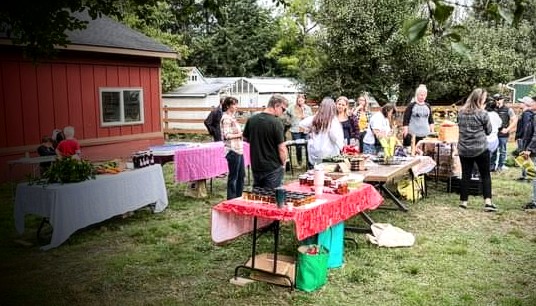
For those of you not familiar with bartering, it’s nothing more than a pure and simple trade of goods or services with another person for their goods or services. Everyone can participate because it’s not dependent on the money you have available on a credit card or in a bank account. There’s not a power of authority that can freeze your currency, because no currency is exchanged. You’re not dependent on the going rate of the currency for your region, or what the stock market is doing. Your trade is based solely on the value that you and the other person are placing on the goods and services being traded. No one tells you what the retail value is. The parties involved decide for themselves what a fair and equitable trade is.

Remember when you were a kid and you traded with your friend? Neither of you knew the market price. You just traded because you were willing to exchange what you had for what your friend was willing to give you. (And then that memory might also be attached to another memory of where a parent or other adult stepped in when an unfair trade happened. And that was because the value they placed on the items was out of balance.)

Does unfair bartering happen?

Yes. Human nature tries to get the better deal, at the cost of someone else.

The way you combat unfair bartering is by agreeing to trade rules up front (before negotiations start) and by valuing the person you are trading with. If you value the other person, you will automatically fight against human nature of taking advantage of them. You will look for a win-win exchange for both of you.

Is everyone going to trade with you?

No. And there will be any number of reasons why.

My first time bartering, I faced this “rejection” alone. And it smacked me in the face with my very first attempted trade. And it hurt.

The problem is that we associate being told “no” or “no trade” as something is wrong with us as a person or that what we brought to trade is of no or little value.

BUT THAT IS NOT THE TRUTH!

The story is that for this first bartering event, I went with a backpack filled with one type of goods: crochet and knit items. And I went straight for the person who was the popular trader of the day.

Advertisements

With just that little bit of information, there’s two very valuable things that I learned.

1) the most popular trader has their pick of what is brought to the event. They have the luxury to turn down trades and still have a great day.

2) I limited my value and contribution down to just one type of product. When I went I thought I just needed to bring my “best” to be successful. But that limited the amount of business I could have. Not everyone was in need of the items I brought. There were a number of people who had no interest. There were also others who already had the items that I brought.

For example, the popular trader loved the blanket I brought, but had a house full of blankets and so it was a no trade.

As I said earlier, that sting of “no” caused a negative emotional response deep inside me. I had to get out of my emotions and talk myself back into the event I came to make trades, and free up some closet space.

Be prepared for the No.

I went in expecting only yeses and trades. It took thinking on my feet to pull myself together, make myself vulnerable, and get in there and trade.

I have no shame in saying that I went to the table of the person who had no one looking for a barter. She didn’t have what I wanted to bring home BUT I came to trade and I was determined to make at least one trade before leaving. So I traded for her one product. And mostly I was moved because she really wanted what I brought. And I know that the trade between us could take away the sting of failure. We made a fair trade, even if I walked away with a product I didn’t want. The value of that trade was that I met an expectation I placed on myself.

I don’t recommend trading for something you don’t want.

But if you’re new to bartering be prepared to hear no. And have a game plan in place for how you want to bounce back from what feels like rejection. Try not to leave an event with no trades being made. You want to have a positive note to go home on. Not all bartering events are going to be difficult to make a deal. So find a way of turning a not great event into a memory where you will try again.

My favorite bartering event, to date, is the most recent one I attended. It had a feel that was different from my very first event. It could have been because there were established rules that were agreed upon before the event. Or it could have been the lay out. Everyone was encouraged to arrive ahead of time to set up and take a look at everyone’s offerings. But no trades or negotiations were supposed to start ahead of the start time. I actually loved this pre-event moment. There was a world of difference in talking with people, getting to know each other, learning each other’s names. The focus started off not on the goods, but on the people.

Advertisements

Mind you, I married a social butterfly. I have to work at being social and building relationships. But there was a massive difference in being able to meet and speak with people without the pressure of making a deal.

And this all goes back to what I mentioned earlier. There’s a difference when you trade with a neighbor vs. a stranger. Will I trade with a stranger? Absolutely. But there’s not that connection with that person. You’re not invested in them and it’s harder to get into that mode of thinking “how do I choose to trade with them so we both benefit equally”.

For example, one of the ladies that I talked quite a bit with we traded a lot with each other. And the funny thing is that we both brought bread goods. So of course what each of us brought bread wise we could make for ourselves. So even though that eliminated some of our offerings to each other, we saw what was unique to us that we valued in the other. But because I invested in getting to know this other woman, it was easy to see value in her ceramics in which she slightly undervalued herself and her skills. I had no problem in trading in what she perceived her favor, because I traded with her on the level that I valued her work.

Now bartering doesn’t work like this last example all the time. That was a special moment with a trading relationship that was built. And I want to draw attention to this because in an ideal world, where everything is perfect, this is how we would treat each other. When we have goodness inside of us, when we look for the success in others, this is an example of what this looks like. But this only comes with relationship.

My Advice for Successful Bartering

The first thing you can do for yourself is bring more than one item type to trade with. Have options for when you show up with the same items as someone else.

There’s a idiom, cast a wide net. If you want to catch a lot of fish, you cast a wide net. In the same manner, if you want lots of trades cast wide your options.

Here’s a picture of the variety that I brought with me to this last event.

I brought home the majority of what I took. But people wanted some of my last minute adds to my trade list. And the things that I thought I had a good chance of trading out were nothing more than talking points. And I was okay with that. I love giving out information and knowledge to help enrich other people’s lives. These items sparked conversations that might not have happened otherwise.

One thing that I value from the season in life that I spent in sales is that people buy when they feel seen, valued above just a sale.

There was an obvious difference between my backpack day and this table day.

Don’t get me wrong, I knew before hand that I had too much. But this was my first time with this group of traders. I had no idea, walking in, what they would be interested in. By the end of that event, I knew what I could leave behind in the future, what to bring more of next time, and ideas of what new items to offer next time. But I don’t regret this “over packing” moment, because it gave me the information that I needed to be more successful next time.
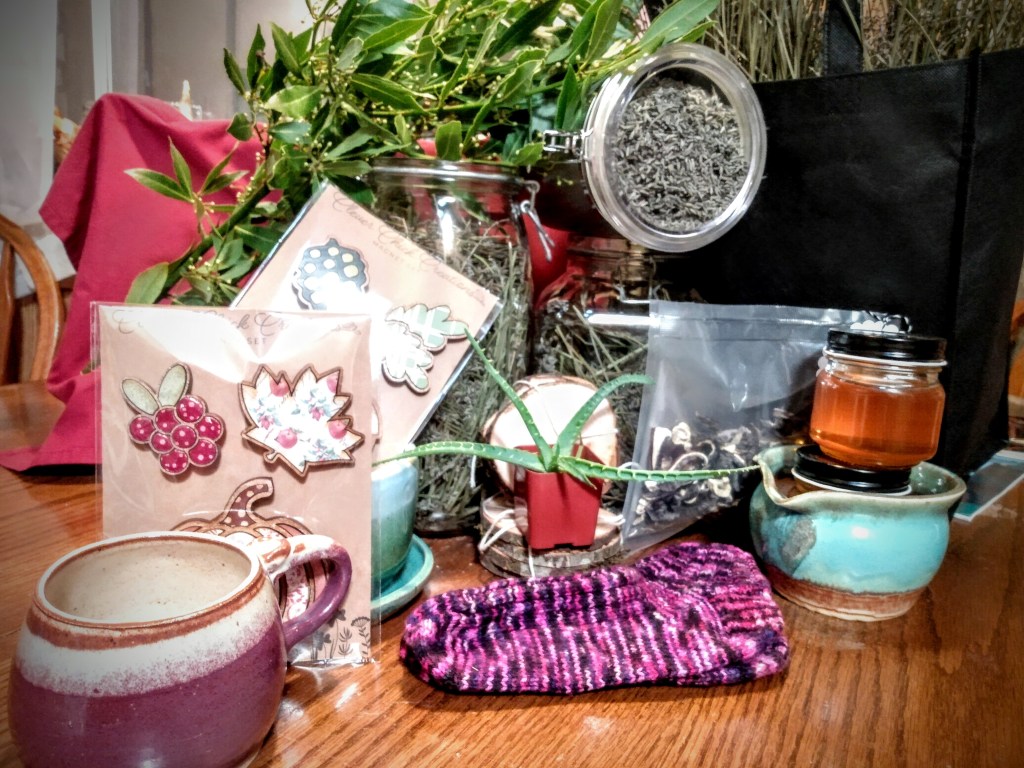
Another thought for success is Build Relationships when you show up. Everyone shows up unsure. Everyone brings doubts and second guessing with them. But when you can see someone and value them enough to get their name and just simply chit chat for no gain, you show yourself. Half the personality types out there are the types that focus on numbers and get tasks done. The other half of personalities out there is people and relationship driven. They will make the deal because they simply feel connected to you.

Be Honest. You don’t have to make deals with everyone. Just don’t string people along. Remember that half the personality traits of people are driven by relationships and how they’re perceived by others. By being honest and not stringing people along (that you might be interested in something they brought), you show yourself as being fair with people, which is different but related to driving a fair deal.

Okay, time for a funny story which completely fits in with being honest. So this last bartering event was the first one for my kids. I kid you not, every time I turned my back they would grab my “high ticket”/high interest items and kept trying to take them over to the lady who brought cookies so they could have one cookie. I love their enthusiasm and willingness to go cashless to get what they want. But boy did they have a thing or two to learn! Of course the cookie lady was happy to trade out of bartering balance. But you should have seen her face when my youngest (who was listening to what I was telling the older two) brought her the smallest item that I brought. She was devastated by offering and was visibly trying hard not to tell the yougest person at the event No. Fortunately, I was there to read the body language. I told my youngest that what he brought over was too small and to go bring over the next size up. The body language changed and everyone was happy.

I’ll tell you what, if you ever need to have a funny moment in the middle of a bartering event, watch the children! They will never fail to push the rules, cause a person to debate themselves, and just cause laughter… all for a single cookie!

Related to being honest, don’t be hasty with your No. Four of my trades came from tables that I initially dismissed. I was approached by these people because they saw something of mine that they were interested in. I could see their excitement and I knew that I had to be honest with them and not string them along. What turned my No into a Yes was taking a minute and focus solely on their table for a minute. I didn’t have an immediate need, BUT I saw how I could use their item and transform it into something new–whether to replenish ingredients, trying a new skill or idea, or their product makes one of my products go up in value and appeal. And quite honestly, I would have lost out on the value of those items and what they bring to me if I stuck with a hasty No.

Advertisements

Final Thoughts on Bartering

There are plenty of cultures today who still practice bartering. It’s different from haggling (which a lot of Western Civilization will say they hate with a passion). There is an art form to it. And it’s scary at first. There will be moments where there is an unfair trade, probably at your expense. But there is truly something about when you have a good event. There’s a satisfaction that you will never get making a cash or credit transaction in a brick and mortar store. There’s a different connection that you make with people that transports you back in time, to better days.

I don’t think that we will ever go back into a barter system. Not with how ingrained currency has become in society. However there’s also a sense of control in your circumstances in life that just doesn’t happen with currency. With Bartering, you’re in control of who you trade with and what you trade for. You have the option of continuing a relationship and building community. Especially in a day and age when it’s not common to have a relationship with the neighbor who lives next to you, it’s important to build community with someone. It feels like the governments are trying so hard to turn people against each other. And in the middle of the world turning upside down, there’s a level of comfort knowing that if you need one thing, you can go to that man there. Or if you need this thing, that lady is your connection. It’s not limited by what your financial resources look like. Nor is it dependent on what you find on your local shop’s shelves. It is entirely based off of the connections that you make and your control of what you have to offer in product, skills, or services.

All of a sudden there’s hope in the world around you again. You have options.

And it’s not something completely foreign in thought. Think of your relationships with your current friends. What trades have you made with them recently? You probably wouldn’t call it bartering, but that’s what you’ve been doing all along. Have you taken turns buying each other lunch or coffee? Maybe you gave them a coat you no longer wear and they gave you shoes that they just didn’t want to return. You help them when their car broke down and they took you to the airport… Part of human life is connecting with the people around us and we find ways of making each other’s lives a little easier. That is bartering.

Maybe it’s time to take the currency out of our daily exchanges and insert a little bartering here and there.
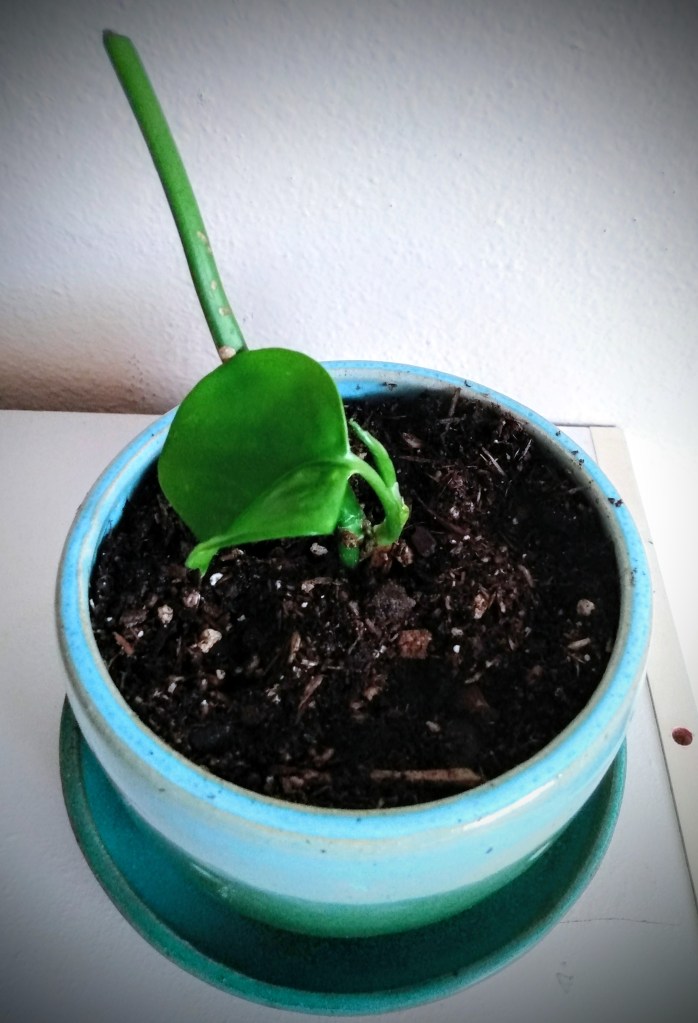
Nothing is more perfect than this, a gifted start planted in a bartered pot!

Leave a comment

Processing…
Success! You're on the list.

Holy Jam Batman!

This post contains affiliate links to products. We may receive a commission for purchases made through these links, but at no extra cost to you.

One of the first things you’ll hear when you start in the world of making your own jams and jellies is that you MUST stick strictly to the recipe or your jam won’t set.

And the first thing anyone will set out and do is try to take a single batch recipe and double it or triple it, like you’re making chocolate chip cookies. After all, if your family goes through PB&J like nobody’s business you really don’t want to make 6 pints of jam at a time. That would take forever!

Plus, if you have kids underfoot there is absolutely no chance you’ll get four pots of jam on your stove top. Because the odds are that you’ll have a four ring circus around your ankles and all your pots start a rolling boil at the same time. At least that’s how things would play out in my house IF I had to make jam one batch at a time.

Fortunately for us, my husband and house a lady who was selling off her jam inventory and gave us her large batch recipe. Unfortunately I can’t share that recipe with you because of a verbal agreement that we made with her. And that’s one thing about my husband and I, we keep our word.

BUT, it got us on the path to know that you don’t have to make single batch jams and jellies if what you are really looking for is to make one large batch and set your family up for a year’s worth of jam in one day!

Advertisements

I’m sure that there are other large batch recipes out there if you took the time to search, but there’s not going to be many. One, too many people have a small business making jam for bazaars and other venues. And if you’re in the business, you’re not going to put your recipe online because that’s just not a good business model. Ball has an extensive jams and jelly section, but all of them are single batch. I haven’t had time to scour the pages of extension offices to see if they have large batch recipes. But I did find one rather quickly with the company that I buy my pectin in bulk.

Yes! You can buy pectin in bulk and at a far greater savings than buying the box of 2 packets of gel pectin at your local grocery store.

For the last several years I have been buying Hoosier Hill Farm Powder Pectin. They have an amazing product and I’ve preferred this over the gel/liquid pectin that I grew up using. It’s less mess. And like I mentioned above, it’s at a far better price than buying the same quantity in the gel/liquid form.

If you don’t have the time to search out your own large batch of Jam and Jelly recipe, you can use this one from Hoosier Hill Farm. You can go directly to the site through the link, but for your convenience I have it here:


Cooked Jam Directions and Recipes

  1. Locate and mark off fruit recipe on chart below. Check 8 OZ jars for defects. Because containers are not filled to the rim, one more container than the specified cup yield may be needed.

If jams will not be placed in boiling water bath, wash, scald and drain jars, or use automatic dishwasher with very hot rinse water. Keep hot.
If jams will not be placed in boiling water bath, wash jars and sterilize in boiling water for 10 minutes. Keep hot.
Wash lids and place in a small container. Cover with cooling water shortly before placing on filler jars. Always use new lids.

  1. Prepare fruit as directed in recipe.
  2. Measure amount of prepared fruit specified in recipe ingredients listing, pack solidly in cup. If measure is slightly short, add water.
    Place measured fruit in 6 or 8 quart sauce pot. Add lemon juice if listed.
  3. Measure sugar and set aside. DO NOT REDUCE SUGAR.
  4. Stir fruit pectin into prepared fruit. (Sauce pot must be no more than 1/2 full to allow for full rolling boil.)
  5. Bring to a full boil over high heat stirring constantly. At once stir in sugar. Stir and bring to a full rolling boil. (a boil cannot be stirred down). Then boil hard one minute stirring constantly. Remove from heat.
  6. Skim off foam with large metal spoon. Immediately ladle into jars leaving 1/4 inch space on top. With a damp cloth, wipe jars and threads clean.
  7. Immediately cover jars with hot lids. Screw bands on firmly.
  8. Place in boiling water bath carefully setting jars on rack in canner or large sauce pot of boiling water. Water should cover jars by 1 to 2 inches. Cover canner, and return the water to a boil, then boil 5 minutes. (At high altitudes, increas boiling time by 1 minute for each 1000 feet above sea level). Remove jars from canner.
  9. Let jam stand to cool. Check seals. Jar lids should be slightly concave or remain so when pressed. Remove bands from jars. Store jam in a cool dry place. (small amounts of unsealed jam may be covered and stored in the refrigerator).

I added the pint yield for anyone who might not yet have the conversion memorized.

Tip: The above jam recipe is a little on the loose side for my taste. So by cooking it a couple minutes longer on the rolling boil will firm it right up. The next time I run this recipe I’ll rolling boil for 3 minutes instead of 1.

What I want to point out is that this recipe does set jam every time. AND if you take a look at all the measurements you will see that they are exactly doubled or tripled the original measurements.

Can I use grandma’s recipe in a large batch?

I have yet to find any real information that says you cannot.

The rumor is that you can’t double a recipe because it won’t set. But here’s the deal, jams and jellies set because the sugar to pectin ratio is kept!

If companies dealing in high volume jams and jellies sales can make recipes in high quantity, you can too. You just have to understand the science and process behind making jams and jellies.

Pectin has to have a high sugar concentration to set. Low or No Sugar Pectin doesn’t have to have that sugar content because it has dextrose (a simple sugar extracted from corn and other vegetables). Because a sugar was already added into the Low or No Sugar Pectin, less is required when you you make your jam or jelly.

So if you are meticulous in your math for creating a larger batch of grandma’s jam then there is no reason why you can’t have success in doubling, tripling, or quadrupling grandma’s recipe!

Tip: Switch from measuring out your ingredients from cups to a unit of measurement, lbs. or grams. By switching to weight measurement you eliminate the dead space of your berries and the precise measurement of your dry ingredients. The reason why the set can be different in using the same recipe over and over again is because the weight of the measurements is different even if the look of your cup measurement seems to be consistent.

If you’re nervous about increasing your batch amount, you can take a trick from candy making to test your jam. Keep a bowl or glass of ice cold water handy. When your cook time is done, drop some of the jam into the water. If it’s not going to set, but remain a syrup, the jam/jelly will dissipate in water. If it is going to set, then it will gel up in the water.

I’ve known too many canners who process their jam and then wait until they crack open a jar to find that their jam/jelly didn’t set. The simple water test, or even setting a small quantity of jam in a bowl and putting it a freezer to cool down, will give you a rather quick indication if your jam/jelly will set or not.

If the jam/jelly doesn’t set or is too loose, then there was something wrong with the ratio of sugar to pectin. (This is all the more reason to find a successful recipe and translate it into weight measurements. Then you can recreate the recipe and have perfection each and every time.) Unfortunately I can’t advise you in adding more sugar or adding more pectin to your recipe because I can’t tell you where your recipe went wrong.

Advertisements

So in this moment of uncertainty, what I would do is head this off in a scientific approach– set aside two samples. In one sample sprinkle in a little more sugar. In the other sprinkle in a little more pectin. What happens? Which one thickens the jam/jelly? Which one makes it looser or no change at all? Also remember that if you’re using powder pectin, it will take a little bit for the pectin to do its thing. It has to hydrate and react with your jam/jelly.

The same goes with if your jam/jelly is too thick. The reason for it being too thick is either because there’s too much pectin or the jam/jelly got reduced too much (you cooked off the water content). There are some fruits that have more natural pectin in it. That’s the reason why apples don’t need pectin to make an apple jelly. So if you’re working with a jam that has a mixture of apple in it, then this is one thing to keep in the back of your mind, the effect that pectin has on your recipe.

But as I mentioned above in the recipe Tip, sometimes the only change you need to make is how long you run your rolling boil for. The longer your rolling boil goes, the more your water content will burn off. Just be careful not to burn your jam on the bottom of your pan. That flavor will permeate through your entire batch.

Making a Memorable Gift

We’re living in a moment of time where family budgets are taking an extreme hit. And with the holidays quickly approaching us I want to share with you one quick idea on how to make a budget friendly gift that will leave a lasting memory. So whether you’re looking to give a hostess, thank you, teacher appreciation, Christmas, or white elephant gift you can take this skill of jam/jelly making and make a gift that will be appreciated!

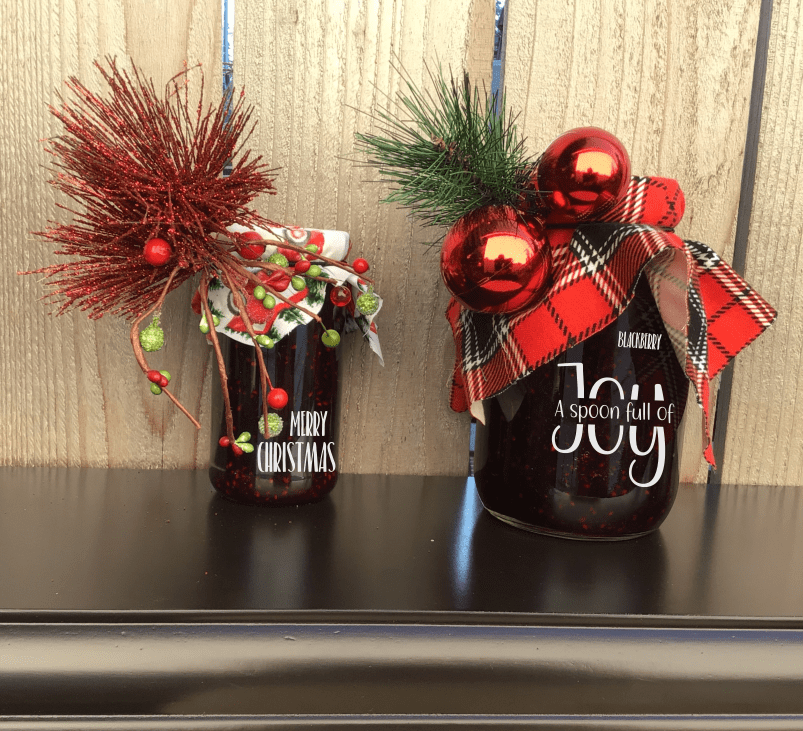
Once you’ve processed your jam and the jar has cooled, take a selection of material that fits the person or gifting moment. You can choose to cut the fabric in a square or a circle. Depending on if you’re using a wide mouth or standard jar lid will determine what size of square or circle you will make. Another determining factor will be if you want the overlying fabric to hang low or high.

Tip: Set your jar upside down on the back side of our fabric. With a marker or chalk, mark out 2″ from either side of the lid of your jar. Draw out your circle or square. (The Christmas Truck print was a 2″ square. The Red Plaid was a square cut 3″ off both sides of the lid.)

Once your fabric is cut place it on top of your lid and secure it with the jar ring, string, ribbon, or even elastic. Decorate as elaborate of simple as your taste leans.

And now you’re ready for the holidays with simple gifts that don’t suck the joy right out of your festivities!


These cute Jar Labels can be found here in a bundle.

Processing…
Success! You're on the list.

Leave a comment

Can I do that???

Photo by Olya Kobruseva on Pexels.com

Right now I’m in the middle of several projects at the same time and instead of throwing something together for you, I decided to spend a coffee moment with you and just share about me. And I welcome you to email me and continue any conversation that you would like to have.

By nature I like being a person who has all the answers. Sometimes it’s because there are so many people out there who don’t have the answers and nothing is more frustrating than hearing someone say they don’t know. I also love researching and learning new things. I like being a person who says I don’t know but here is what I found out…. And in the last few years I’ve embraced those failure moments where things, methods, ideas just don’t work out. I no longer have a fear of saying that I failed at something. The brilliance of failing is that the failure is not the end all be all. I’ve come to the knowledge that failure in one attempt or ten attempts just means that something didn’t work in the process. Life isn’t static. It isn’t pass/fail on one attempt. Everything is a process. And it’s a process that incorporates the effects and influences of things outside us.

In the crafting world, there are so many methods out there where you have to make this item doing x, y and z in that precise order. But in reality, sometimes the person who makes the steps are aware of outside influences that can change how things turn out, or it’s just not something on their radar.

For example, in a crafting group someone was commenting on how the scorch pen didn’t work for a recommended group craft and they fault was on the pen instead of the recommended scorch paste. I’ve used the pen months before and I had the exact failure that she mentioned. But the difference in approach of project failure came down to the framework of thinking. I can’t vouch for what this crafter thought inside of her head, how she reacted emotionally. I can only assess by the phrases used in an online forum. The phrasing indicated that this lady attributed the craft failure to using the pen instead of the paste and the additional contributing factor of not using the exact same heat source (for burning the chemicals) were the reason why she couldn’t obtain the desired effect. On a different response level, I shared with her how I used the same product, used what was supposed to be the “correct” heat source, and still got the same results. It wasn’t the heat source. And it wasn’t the chemical source for that matter either. When I obtained a failed result, I noticed something. The chemical from the pen bled because of the wood grains. The scorch pen didn’t bleed in all directions. It bled in the direction where the wood grain left a miniature channel for the liquid to migrate around instead of remaining in the partitioned area created by the stencil. This same failure could have still been had with the scorch paste if the grain ridges were deep enough for the paste to be pushed through the stencil or seep out and under.

The problem wasn’t the product.

The problem was the outside source.

Photo by Joey Kyber on Pexels.com

The solution, even though I haven’t yet gone back to prove this for an absolute fact, is sanding the wood to make sure there is nowhere for the chemical product to move outside the stencil.

Life is so much like this. We see a result in someone and we try to go through their steps of getting that desired thing in our own lives. But for one reason, or several, it doesn’t give us the result that we desire. We chalk this up to failure. It feeds into our current (or long lasting) insecurities and feeds our preconceived ideas of ourselves.

“I tried that once…” It didn’t work. They were wrong. They have (knowledge, education, resources, money, family, time, support, etc.) that I don’t have. They had the chance that I didn’t have. I’m just a failure.

How many of those statements have we used in our own lives to excuse why something didn’t work?

What other statements have you used?

For the life of me I cannot remember what caused that triggered in me the need to be perfect. But perfectionism is a disease that eats at you just as much as being a serial failure. Sure a part of me hated letting other people down. But what ate me up the most is when I let myself down. I see in my head how things should be, how they should play out, and I use to beat myself up each and every time I failed those self expectations. I made myself miserable with these failures. Not just the event/activity but how I failed myself, sometimes repeatedly.

The turning point, for me, in this viewpoint of failure happened in college. I was interested in becoming a doctor and took the list of pre-med classes. I was challenged and I excelled in all the lower level classes. I watched others wash out and I was proud of myself for meeting my expectations.

Until….

I hit the wall that I just couldn’t break through. It didn’t matter how light or hard I hit those bricks, that wall would not move. It didn’t matter which angle I came from, there was not a chink in that mortar to gain leverage. There was no going above the wall, under it, or around it.

Photo by Element5 Digital on Pexels.com

Organic Chemistry and Advanced Calculus kicked my butt and won.

I had to change my focus and get my degree in another area, one that felt like an easy out because it came natural to me.

BUT…

I took a chance in going in a direction. I learned the human body and how the world works around it. I learned more than what I should actually write here. And even though I “failed” I learned information that I still use today. I understand my body, how it should work, and know what questions to ask and research when it doesn’t work the way it’s supposed to work.

That education also translated into understanding how my garden works even though I never took a botany or agriculture class.

Yes, my initial moment in failure devastated me. To no end! It was the first time I ever truly failed out of something where I couldn’t work my way out. But my walking away learning moment from that complete and utter failure is that there is always something to learn, pull from, and still have tools that I can walk away with.

The world is so quick to define failure as a hard STOP, do not cross, you cannot move beyond this point. But nothing can be further from the truth!!!

Failure is just the simple fact that something did NOT work. It’s NOT a reflection of you. It DOESN’T even define you. Failure IS simply a method that did not work.

Let me rephrase that.

Failure is simply a METHOD that did not work.

You are not a failure. You are never a failure. In fact, the secret of life is that you cannot fail. Ever.

There are always countless options in front of you when you see that failure is not a description of who you are as a person. When you switch the focus from you being a failure to the method of life being a failure, you suddenly see that there is so much out there for you that you couldn’t see before.

In fact, I’ll go as far as to say that when people tell you, “You are a failure” or “You failed me” it has ABSOLUTELY NOTHING TO DO WITH YOU! Instead it’s them shifting their own failure onto you because they can’t face or deal with the failure in their own lives.

So the answer to the post’s question is YES! Yes, you can do that.

And this is the heart behind these blogs. I talk a lot of about crafts, decorating, and food. These are areas that I’m passionate about and having working knowledge with. I dabble in a lot of other areas. And because of that I can say that these principles also work in all areas in life.

If you want to know why I walk with confidence and talk with confidence because I know I’m not a failure.

You’re not a failure

I take every moment, task, event, problem and look at the outside variables. There’s always something else that is an acting influence on what is happening and in some instances, not happening.

My goal is to enable you to see that you’re not a failure. You literally can do anything you want to do. If you want to pursuit a goal you march yourself right up to it. If you hit a wall you can’t go under, over, or around that you redirect yourself. BUT you take with you everything that you learned along the way. When life gives you a dead end, it is not failure. It IS a defining moment where you see the parameters of what you are gifted for in life. You can go to the left or the right and keep that wall on your side. Or you can keep the wall to your back and keep moving forward. The purpose is that you keep moving forward.

And when you hit another wall, you found another boundary, showing you where your purpose lies.

Photo by Arnie Chou on Pexels.com

There are some people who feel like all they do is hit one wall after another. My question is this. Are you hitting the same wall over and over again? Or have you just hit all the walls around your boundary and not understood their meaning?

If you’re hitting wall after wall, the focus should be turned away from the walls themselves and focusing in on this specific area inside all these walls. This is your gifting in life!

In fact, if you’re the one who feels like you’re always hitting the walls, you are at an advantage to someone who never feels the pain of trying and ramming the walls. You actually see the definition of where you are weak, the things outside of your wheelhouse. You can turn away from all those and see more clearly what your strengths are. And you can see more clearly what your purpose in life is all about.

The world is good at making us focus on the walls or glass ceilings. Because if we focus on the walls or the limitations in life we’re not seeing who we were designed to be. We are easily controlled and manipulated. We are easy to put into depression and give up on life.

BUT when we see our strengths and our calling, we are a powerhouse!

Each and every person alive has a purpose, because there is not another person like you. There is not another person like me. You have a specific meaningful job and function on this planet that others need that only you can provide. I need you. I need you because you’re not me. I don’t care what the mirror on your wall shows, that image does not define you. You reside inside your body. And that is where your purpose resides. You can be the most different person from me and I will still need you, because you have something inside you, at your core that we all need.

If you want to continue this conversation with me, please email me here:

Go back

I'm excited to see what you wrote!

Thank you for taking the time to reach out to me and share. I appreciate you and look forward to talking with you.
Warning
Warning
Warning
Warning.

Or comment here:

Leave a comment

Processing…
Success! You're on the list.

Would You Like a Cuppa?

It’s funny how beverages of choice are so regional. For example in the United States, there has historically been a continental divide between coffee drinkers and tea drinkers. Tea has been pretty regional for the East Coast and Coffee the West.

The history of this divide started around the foundation of this country. We all know about the Boston Tea Party and how they threw tea over the sides of the ships, all over a 3 cent rise in taxes. (I find this historical fact both interesting and funny in the context on how there has been upwards of 14% inflation on so many products across the grocery shelves.)

Coffee started making its footprint in the United States with the colonization (and yes, even subjugation) of the Caribbean Islands and South America. But it found its biggest consumers with the people who moved west, not just the Mid-West but also the West Coast and upwards into Alaska.

In fact, before Starbucks became established and took over every major street corner, I grew up where you could tell whether your family was West Coasters or from back East. If your family had spent a few generations on the West Coast, you had a coffee pot in your kitchen. I grew up with many people whose grandparents drank tea, but their parents, coffee. Those were my New England transplant friends. And then in High School I made friends with a transfer student, who came from Virginia. She hated coffee and only drank tea.

What is funny is what the transition from tea drinking family to coffee drinking family looks like.

A set of grandparents came up from the Texas area. One was Texan, coffee drinker, and the other was from the Deep South. The only tea that was in this grandparents’ house was sun tea. And there was only ONE way to make it–so obviously a tea drinker. Every summer there was sun tea that was made, that beautiful dark golden brew. There is really nothing like it. Mind you, this isn’t the sweet tea that you will find in the Deep South, where verbal wars can be started on the proper summer time tea. Just good strong, dark, rich sun tea.

Now my parents were both coffee drinkers. And yet almost each summer growing up, my mom would brew at least one sun tea.

This dedicated coffee drinker, I’m a very picky tea drinker and it was only this summer, when the sun finally came out that I caught myself thinking “I need to make some sun tea”. You can imagine the “What the– where did that come from?” moment I had because I don’t make sun tea. And yet this summer was it.

So that prompted me to ask on my social media for recommendations and recipes from my tea loving friends who have the tea that even a coffee lover would love. Obviously the majority of my friends and acquaintances are coffee drinkers because I only had a few responses. But the responses that I received shocked me because I never knew about these teas and they never crossed my mind.

The following yellow product buttons are affiliate links. I earn a commission off of these products at no additional cost to you.

Mint Sun Tea

One recommendation sent to me was:

  • 1-2 Regular Tea Bags
  • 3-5 Bags of Mint Tea OR Fresh Mint Leaves

Add the above tea bags into a glass gallon jug of water (which you use to brew your sun tea). Brew for 2-3 hours, in the sun, or longer if you want your tea stronger or you’re sun is hiding behind clouds.

When finished brewing refrigerate.

This friend also said that she adds honey into the tea before refrigerating.

I was excited about this recipe because my absolute favorite tea is Stash’s Moroccan Mint Green Tea. If I’m craving tea, this is the one I hunt for because it has the world’s best flavor. I’ve tried to get into the Green Tea fad, but I find the vast majority of green tea either tastes like grass or soap. (I’ve recently learned that the majority of people who don’t like cilantro is because of it tasting like soap. There is actually a chemical compound in these green that to certain taste buds taste like soap. So this is real and there’s a reason!)

If you’re like me, and not a green tea person, seriously try this one. It’s not just me. I have a friend who use to be a Japanese tea distributor, says that she’s extremely picky, and assures me that this tea is one of the greatest to make a sun tea with!

This friend is currently cooked with brewing Chai with Hojicha, Green Tea with Self Healing and fresh mint from her garden.

Strawberry Tea

This one surprised me when a friend suggested this. I don’t know why I never thought of fruit sun teas. Fruit just makes sense because of summer. Strawberries are appealing because I’m growing them and I love strawberries. And the recipe passed on is super simple.

  • 6-8 Strawberry Tea Bags
  • Strawberry Puree

In your glass gallon jug of water (which you use to brew your sun tea) add the Strawberry Tea Bags. Brew for 2-3 hours, in the sun, or longer if you want your tea stronger or you’re sun is hiding behind clouds.

Once your tea is done brewing, remove your tea bags and chill your tea. If you can’t wait, pour your tea over a glass filled with ice. Mix in strawberry puree for a stronger strawberry flavor. If you like sweet tea, add sugar to your liking.

Sweet & Spicy

This one was recommended by two different friends, one from Tennessee and one from Texas.

This tea I found intriguing because the ingredient list reminds me of staple recipes from Asia. In fact, reading the ingredients made me start craving Thai!

I’ve been assured that these tea bags alone are all you need for some of the best sun tea you’ve ever had. And since I grew up on sun tea made from plain Lipton tea, I can see how this is going to be amazing!

Along this line of tea, I was also introduced to the idea of Cinnamon Tea. This blew my mind!

I’ve never heard of Cinnamon Tea before. And I learned that 2 cinnamon sticks in about 4 cups of boiling water will give you a nice tea.

This is definitely on my list to make once fall comes. I love cinnamon, but I’m on a kick with my mint right now. However, my Chocolate Mint might need the cinnamon to bring it to the next level. It’s still missing something for me, and this might be it!

Natural Sweetener Alternatives

There are various reasons why people choose an alternate to sugar for sweetening foods and beverages. I’m personally leery about many sweeteners because the last thing I want to do is add more chemicals into my diet. So when it was brought to my attention that Stevia is a plant based sweetener, this product had my attention.

I’m hooked on the idea now that I have located stevia plants to add to my garden. So I will soon be growing this and learning how to make sweetener.

My mom has cooked with stevia and says it does well with baking. She also used it with alternate flour sources.

I’ve used the packets of stevia and sprinkled in my large water cup and 4 leaves of mint. So with nothing to hide, I was able to taste the stevia. I didn’t notice any off flavors that I’ve noticed with other sugar alternatives. The flavor is slightly different than sugar, but not enough of a difference for me to say it’s “different”. The huge bonus I can say about it is that I like how stevia melts into the water. If you’ve added sugar in cold water you know how much of a gritty feeling there is until the sugar has been well stirred and sat for a while. That’s not the same experience I had with stevia. I only had to give a good stir and I was good to go. No textural difference.

When my mom gifted me stevia, I seriously wondered what I was going to do with it. Other than just keep it in my cupboard for when my mom visits. Now I know what I’m going to do with this natural sugar.

I recommend giving this sugar alternate a chance.

Here is the packets:

And the bag:

Looking for an alternative to tea?

I know that there are still some people who just do not lean towards tea drinking at all. Or maybe you’re looking for a tea that is kid friendly. There is one more option I have for you.

Infused Water

While waiting for some good leads for sun tea, I instantly ran across a post from on of my favorite bloggers. She just got me hooked on putting fresh mint leaves in my chilled water!

I have a 36 oz. water “cup” that I use to make sure I get my daily water in. The only thing I add to my water is 4-6 leaves from my mint plant of choice. Before you put the leaves in your cup, stack and roll them up, crush the leaves in your fingers, and then add them to your water. By crushing the leaves, you break open the cell walls of the leaves and release the oils within.

The best part about using fresh leaves from your garden (or produce stand if you haven’t yet planted fresh herbs at your home) is that you are not only drinking something tasty, you’re giving natural medicine that give your body the building blocks to bring you back into or keep you in health.

What I recently learned is that by putting mint leaves in your water, it can help combat ailments such as GERD (Gastro-esophageal Reflux Disease). I personally am not afflicted with GERD, but summer heat does a number on my body. Not only is my appetite affected, but I’m more prone to upset stomach. In fact, my stomach was upset when I first put mint in my water cup. By the time I finished drinking that cup, my stomach was back to normal. And since I’ve been using the mint daily, it hasn’t returned.

Anyone who works with herbs will tell you that the mint family does have properties that benefit your gastrointestinal system. I love learning about these things, because I try to keep off of as much over other the counter or prescribed medication as I can.

Here are some ideas of what mints you can use:

  • Mint
  • Chocolate Mint
  • Pineapple Mint
  • Orange Mint
  • Lemon Balm
  • Spearmint
  • Peppermint

And there are other types of mint that you can find at your local nursery for produce stand that sells starts. Better yet, maybe your neighbor has a mint they are growing. For example, I have Chocolate Mint and Spearmint. I had Orange Mint, but this crazy spring may have killed it. (I thought it died on me, but I recently saw a new sprig come up from the soil. I’m waiting for it to grow a bit bigger before seeing if it’s Orange or Chocolate.) One neighbor has Lemon Balm. Another neighbor has Pineapple Mint. And I only found out what my neighbors were growing by telling them about what I’m growing and what new projects I’m working on with my herbs.

Here are the flavors of the mints that I’ve tasted.

Chocolate mint just tastes like mint to me. The reason why it got its name is because when you crush the leaves, it stains your fingers brown like milk chocolate. I mentioned before that I’m very particular about my tea. I found my pickiness kicking in on putting this mint in my water. A tiny sprinkling of Stevia was just enough to pull this infused water around to allow me to drink this. Even though I found I could drink this, none of my kiddos liked this flavor. Instead, two of my boys leave my water alone if it has mint, because of this one. So mamas, if you want your water left alone, this one may do it for you!

Pineapple mint really does smell like pineapple. I can’t wait to get this in my water, because it smells like a Piña Colada. My neighbor just gave me a few sprigs this evening so I’m excited to try them tomorrow!

Lemon Balm, I swear it tastes like lemon! I usually don’t keep lemons in my house because they turn on me before I use them. However, I’ve used lemon balm in my chicken broth and it tastes just like I squeezed in some fresh lemon. You better believe that I have a new friend in my kitchen. I’m so using this herb instead of lemon or lemon zest.

Spearmint brings back so many fond childhood memories of incessantly chewing Wrigley’s spearmint gum. And yes, I’ve almost picked my spearmint plant bald for my water. And this is the infused water that my youngest will still steal my water. So this mint gets my recommendation if you’re looking for an herb infused water that is kid friendly.

I so hope you’ll join me in dressing up your water this summer!

What’s your favorite water infusion or Sun Tea?

I’m still looking for new ideas on sun teas in particular. But I want to hear what everyone is drinking right now to stay hydrated. Please comment below!

Processing…
Success! You're on the list.

Leave a comment