The Vanilla Life

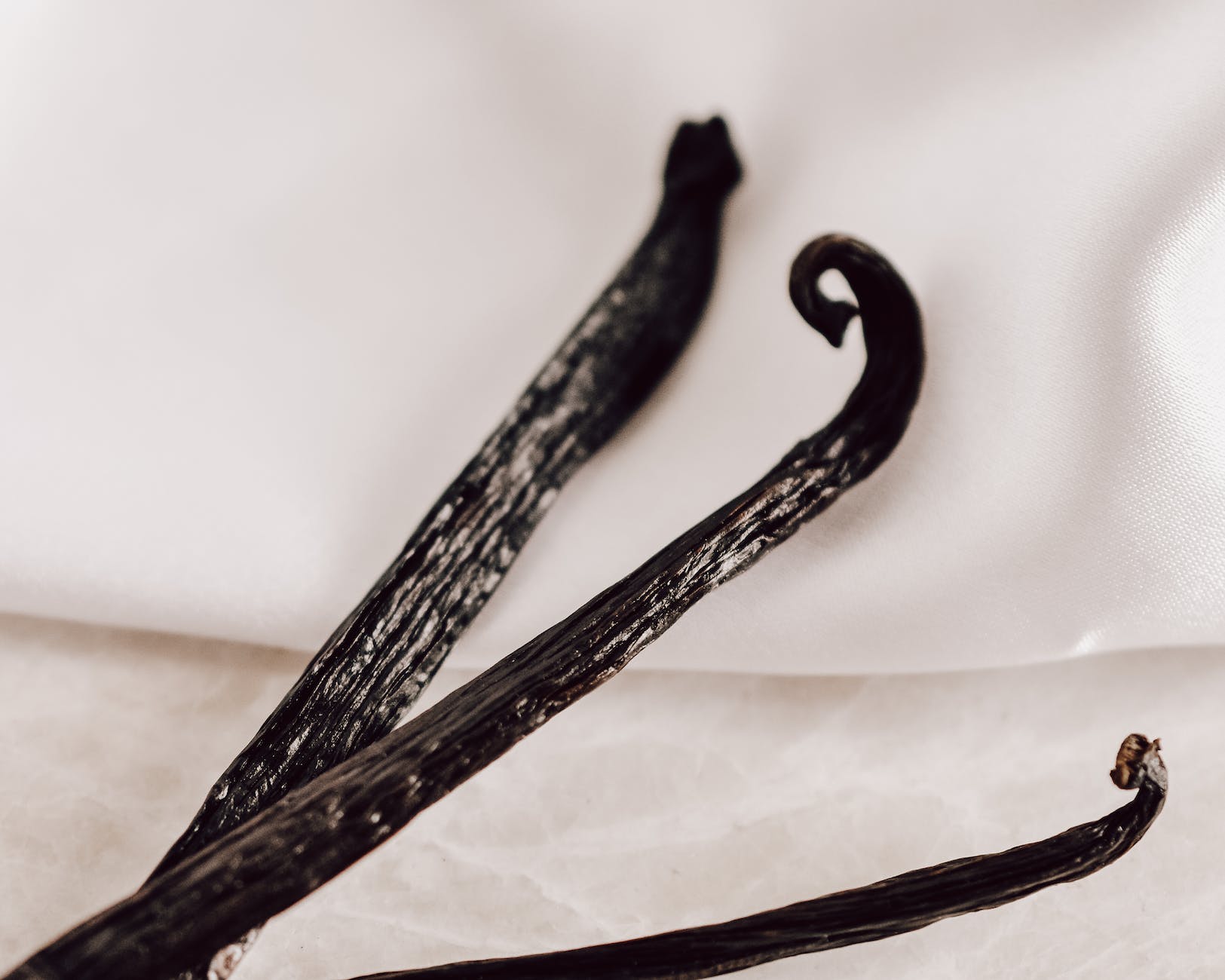
Photo by Qwirki & Co. on Pexels.com

There’s just something about having real vanilla extract in your pantry. It’s so tempting to reach for that imitation vanilla extract on the grocery shelf when you see that price tag on the real extract. But there is such a huge difference in flavor when you use the real stuff.

I’m not going to go into the problems and scary information that will want you stay away from the imitation extract. There’s not need to create fear or disgust. So I’m just going to focus on the good and benefits of the real vanilla and add value to making the purchase of the real vanilla beans to make your own extract and other products.

How to make a Vanilla Extract

All you need to make your own extract is vanilla beans, 70-proof alcohol (or higher), and a glass jar (with a sealing lid) to extract. The three most common alcohols used are bourbon, rum, and vodka. (My preference is vodka because it has the least amount of alcohol flavor.) A general rule of thumb is to use 4-6 vanilla beans for each 8 oz of alcohol.

Slice the vanilla beans down the length of the bean. This opens the bean up to create the most surface area for extraction. It also releases the bean, which heightens the flavor of the extraction.
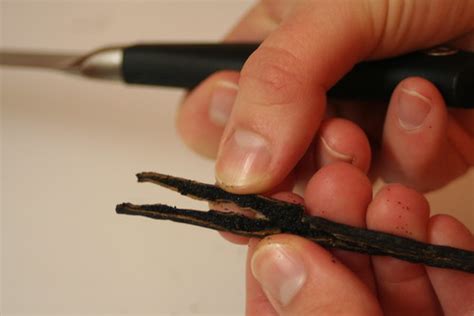
flicker.com

Put the cut beans into your jar and fill the jar up to the brim with your alcohol of choice. Tighten the lid and give the ingredients a good shake. Place in a cool dark place for a minimum of two months. (For a rich potent extract, let it sit for 6-12 months.) Shake the jar daily for the first two weeks.

The draw backs of making your own extract

What everyone tells you is that as you use your extract, you need to keep topping off your jar.

My big problem is that I use vanilla extract a lot and I quickly found that my extract quickly became diluted! I didn’t do anything wrong. It’s just that the non-vanilla alcohol quickly overtook the extract. And so my vodka quit tasting like a vanilla extract and began tasting more like vanilla infused vodka. That’s not so much of a problem if you’re after flavored liquor. But it’s a huge problem if you’re using the extract for baking.
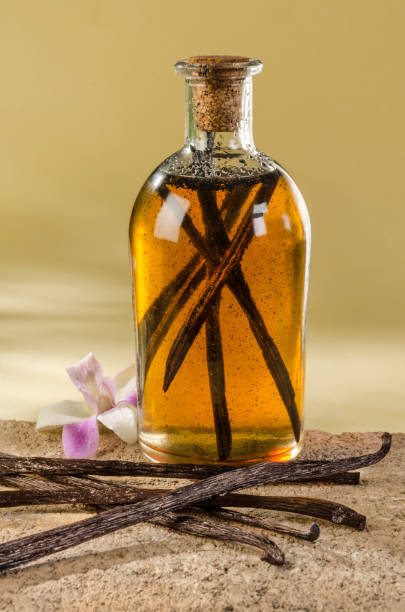
flicker.com

My solution is making a few jars of vanilla extract at the same time. Yes it is a little overkill at first glance, but bear with me. Once your jar starts giving you a less potent extract, it’s time to shelve it and let the vanilla beans go to work and extract more. By giving this first jar a little vacation, and grabbing a second jar, you get the benefit of having vanilla potency as well as keeping the extract cycle going.

Some people say that your beans will last for 5 years. My mom had gifted me a bean from Hawaii where it was marketed to last up to 25 years. I’m not going to put an expiration date on your beans. My Hawaiian bean and the second one that I added to it, are still in their jar maybe 18 years after I first received it. I just recently fished this jar back out from the back of my cupboard because I finally had beans and alcohol to start back up on my real extract. The older beans are only giving off a diluted vanilla extract now. So I added 2 new beans in to jump start my extraction and get real vanilla back in my life. And I have a larger bottle started, which I should get to the longer extracted window before I need to use it and give my smaller bottle a break and refortify itself.

Benefits of Vanilla

If you grew up like I did, the only thing you were exposed to was imitation vanilla extract. If you were fortunate enough to have a family member go to Mexico, they might have brought back a real vanilla extract. But all you knew was that it was a luxury and yes it tastes amazing.

What you May not know

Vanilla beans contain B Vitamins (niacin, thiamin, B6, Pantothenic acid), potassium, riboflavin, copper, magnesium, and iron. They also have these properties; antioxidant, anticancer, anti-inflammatory, and are neuroprotective.

Depending on if you want to just make your own real vanilla extract, or would like to use vanilla to help meet your other health needs, the above information is a great starting point to talking with a naturopath or herbalist to see how vanilla can find a new course for healing your body.

I started looking a little deeper into what other benefits I could gain from vanilla (aside from incomparable baking goodness) when I got into soap and lotion making. It’s probably well thought about how vanilla is great as a comforting aroma therapy to soothe anxiety and calming the stomach. After all vanilla bean ice cream is pretty much a comfort food.

What was new information to me is that there have been studies that show there is the potential of vanilla having the benefits of increasing hearth health by helping to reduce LDL cholesterol, it’s antibacterial properties help treat acne, the antioxidants have healing properties to boost your immune system, help heal split ends and strengthen hair, and slow down the aging process (age spots and wrinkles).

Advertisements

All of these benefits were what has been found in the studies that have researched the compound Vanillin. These studies have done work in vanilla extracts and the seeds. And if this interests you, these studies are well worth reading up on.

Even if you don’t want to pursue vanilla for health reasons, it is worth knowing that vanilla beans contain over 200 compounds. And their concentrations are dependent on the region from where the beans are harvested. Again, this is another area of diving into that is well worth the look. I wanted to mention this (as well as point you back up to the vitamins and minerals mentioned in the beginning) to point you toward the benefit of using real vanilla extract over imitation vanilla extract (which has absolutely none of these components).

Extract is not the only thing you can make from Vanilla

Vanilla beans can also infuse oil.

In the infusion that I made, I used 4 vanilla beans, a quart sized mason jar, and olive oil. (You can choose your own carrier oil, like jojoba oil, or any other that is better absorbed into your skin. Each oil has its own benefits that it offers the infusion.)

Follow the same steps as above, with the vanilla extract. The only difference in the method is that the vanilla beans are scraped from the bean pod. The pods are what I put into the oil. (The beans I put into a lotion–this will be its own post in the future.)

Instead of keeping my oil in a cool dark place, I left mine in a westward facing window and used solar heat to help the infusion for 2 months. Even using winter sun, the finished oil has a warm vanilla scent.

This oil can be used for so many different needs.

  • Use the oil on your skin for massage or relieve dry skin
  • Use to improve sleep whether you put a drops of oil in a warm bath or smell the oil before going to bed
  • Improve your skin health by adding a couple drops into your face wash or lotion
  • It is reported to soothe minor burns when you add 2-3 drops to effected area
  • Use in desserts (for whatever recipe calls for oil and you chose a cooking oil like avocado or olive)

I also use infused oil in products I made for sale.

Advertisements

If you are interested in using vanilla beans for cooking only, you can put a bean in with some sugar in your food processor and blend together. This will give you a fancy sugar that you can dust on top of desserts or use as a sugar rim on a drink of choice. The same can be done with salt (even though savory herbs are usually matched with salt).

The most important thing to keep in mind when using vanilla beans, whether in extract or infusions, make sure that your beans have an oily sheen to them. Many compounds are found in the oil of the bean and speak to the overall health and quality of the bean.

There is so much goodness found in vanilla beans. Hopefully, you have learned something new about vanilla. That it has so much more to offer than just being the flavor of a beloved ice cream or just a simple ingredient that you add to your cakes and cookies.

What have you used Vanilla for?


This post contains affiliate links to products. We may receive a commissions on products purchased through these links, but at no extra cost to you. These items listed here are from Amazon but may be purchased at local markets.
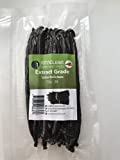
Are you looking for a new place to buy vanilla beans? I am very pleased with this vendor.

Processing…
Success! You're on the list.

2 responses to “The Vanilla Life”

  1. Damien Safdeye Avatar

    I really like what you have acquired here, certainly like what you’re stating and the way in which you say it. You make it entertaining and you still take care of to keep it wise. I can not wait to read far more from this site.

    Like

    1. Pacific Northwest Event Design Avatar

      Thank you for commenting! I appreciate what you’ve shared. My goal is to take a new skill and make it approachable for someone who might question if they can do it. Being entertaining is an amazing bonus. Thank you for reading, and I hope you enjoy future posts.

      Like

Leave a comment

Advertisements
Advertisements
Advertisements

Would You Like a Cuppa?

It’s funny how beverages of choice are so regional. For example in the United States, there has historically been a continental divide between coffee drinkers and tea drinkers. Tea has been pretty regional for the East Coast and Coffee the West.

The history of this divide started around the foundation of this country. We all know about the Boston Tea Party and how they threw tea over the sides of the ships, all over a 3 cent rise in taxes. (I find this historical fact both interesting and funny in the context on how there has been upwards of 14% inflation on so many products across the grocery shelves.)

Coffee started making its footprint in the United States with the colonization (and yes, even subjugation) of the Caribbean Islands and South America. But it found its biggest consumers with the people who moved west, not just the Mid-West but also the West Coast and upwards into Alaska.

In fact, before Starbucks became established and took over every major street corner, I grew up where you could tell whether your family was West Coasters or from back East. If your family had spent a few generations on the West Coast, you had a coffee pot in your kitchen. I grew up with many people whose grandparents drank tea, but their parents, coffee. Those were my New England transplant friends. And then in High School I made friends with a transfer student, who came from Virginia. She hated coffee and only drank tea.

What is funny is what the transition from tea drinking family to coffee drinking family looks like.

A set of grandparents came up from the Texas area. One was Texan, coffee drinker, and the other was from the Deep South. The only tea that was in this grandparents’ house was sun tea. And there was only ONE way to make it–so obviously a tea drinker. Every summer there was sun tea that was made, that beautiful dark golden brew. There is really nothing like it. Mind you, this isn’t the sweet tea that you will find in the Deep South, where verbal wars can be started on the proper summer time tea. Just good strong, dark, rich sun tea.

Now my parents were both coffee drinkers. And yet almost each summer growing up, my mom would brew at least one sun tea.

This dedicated coffee drinker, I’m a very picky tea drinker and it was only this summer, when the sun finally came out that I caught myself thinking “I need to make some sun tea”. You can imagine the “What the– where did that come from?” moment I had because I don’t make sun tea. And yet this summer was it.

So that prompted me to ask on my social media for recommendations and recipes from my tea loving friends who have the tea that even a coffee lover would love. Obviously the majority of my friends and acquaintances are coffee drinkers because I only had a few responses. But the responses that I received shocked me because I never knew about these teas and they never crossed my mind.

The following yellow product buttons are affiliate links. I earn a commission off of these products at no additional cost to you.

Mint Sun Tea

One recommendation sent to me was:

  • 1-2 Regular Tea Bags
  • 3-5 Bags of Mint Tea OR Fresh Mint Leaves

Add the above tea bags into a glass gallon jug of water (which you use to brew your sun tea). Brew for 2-3 hours, in the sun, or longer if you want your tea stronger or you’re sun is hiding behind clouds.

When finished brewing refrigerate.

This friend also said that she adds honey into the tea before refrigerating.

I was excited about this recipe because my absolute favorite tea is Stash’s Moroccan Mint Green Tea. If I’m craving tea, this is the one I hunt for because it has the world’s best flavor. I’ve tried to get into the Green Tea fad, but I find the vast majority of green tea either tastes like grass or soap. (I’ve recently learned that the majority of people who don’t like cilantro is because of it tasting like soap. There is actually a chemical compound in these green that to certain taste buds taste like soap. So this is real and there’s a reason!)

If you’re like me, and not a green tea person, seriously try this one. It’s not just me. I have a friend who use to be a Japanese tea distributor, says that she’s extremely picky, and assures me that this tea is one of the greatest to make a sun tea with!

This friend is currently cooked with brewing Chai with Hojicha, Green Tea with Self Healing and fresh mint from her garden.

Strawberry Tea

This one surprised me when a friend suggested this. I don’t know why I never thought of fruit sun teas. Fruit just makes sense because of summer. Strawberries are appealing because I’m growing them and I love strawberries. And the recipe passed on is super simple.

  • 6-8 Strawberry Tea Bags
  • Strawberry Puree

In your glass gallon jug of water (which you use to brew your sun tea) add the Strawberry Tea Bags. Brew for 2-3 hours, in the sun, or longer if you want your tea stronger or you’re sun is hiding behind clouds.

Once your tea is done brewing, remove your tea bags and chill your tea. If you can’t wait, pour your tea over a glass filled with ice. Mix in strawberry puree for a stronger strawberry flavor. If you like sweet tea, add sugar to your liking.

Sweet & Spicy

This one was recommended by two different friends, one from Tennessee and one from Texas.

This tea I found intriguing because the ingredient list reminds me of staple recipes from Asia. In fact, reading the ingredients made me start craving Thai!

I’ve been assured that these tea bags alone are all you need for some of the best sun tea you’ve ever had. And since I grew up on sun tea made from plain Lipton tea, I can see how this is going to be amazing!

Along this line of tea, I was also introduced to the idea of Cinnamon Tea. This blew my mind!

I’ve never heard of Cinnamon Tea before. And I learned that 2 cinnamon sticks in about 4 cups of boiling water will give you a nice tea.

This is definitely on my list to make once fall comes. I love cinnamon, but I’m on a kick with my mint right now. However, my Chocolate Mint might need the cinnamon to bring it to the next level. It’s still missing something for me, and this might be it!

Natural Sweetener Alternatives

There are various reasons why people choose an alternate to sugar for sweetening foods and beverages. I’m personally leery about many sweeteners because the last thing I want to do is add more chemicals into my diet. So when it was brought to my attention that Stevia is a plant based sweetener, this product had my attention.

I’m hooked on the idea now that I have located stevia plants to add to my garden. So I will soon be growing this and learning how to make sweetener.

My mom has cooked with stevia and says it does well with baking. She also used it with alternate flour sources.

I’ve used the packets of stevia and sprinkled in my large water cup and 4 leaves of mint. So with nothing to hide, I was able to taste the stevia. I didn’t notice any off flavors that I’ve noticed with other sugar alternatives. The flavor is slightly different than sugar, but not enough of a difference for me to say it’s “different”. The huge bonus I can say about it is that I like how stevia melts into the water. If you’ve added sugar in cold water you know how much of a gritty feeling there is until the sugar has been well stirred and sat for a while. That’s not the same experience I had with stevia. I only had to give a good stir and I was good to go. No textural difference.

When my mom gifted me stevia, I seriously wondered what I was going to do with it. Other than just keep it in my cupboard for when my mom visits. Now I know what I’m going to do with this natural sugar.

I recommend giving this sugar alternate a chance.

Here is the packets:

And the bag:

Looking for an alternative to tea?

I know that there are still some people who just do not lean towards tea drinking at all. Or maybe you’re looking for a tea that is kid friendly. There is one more option I have for you.

Infused Water

While waiting for some good leads for sun tea, I instantly ran across a post from on of my favorite bloggers. She just got me hooked on putting fresh mint leaves in my chilled water!

I have a 36 oz. water “cup” that I use to make sure I get my daily water in. The only thing I add to my water is 4-6 leaves from my mint plant of choice. Before you put the leaves in your cup, stack and roll them up, crush the leaves in your fingers, and then add them to your water. By crushing the leaves, you break open the cell walls of the leaves and release the oils within.

The best part about using fresh leaves from your garden (or produce stand if you haven’t yet planted fresh herbs at your home) is that you are not only drinking something tasty, you’re giving natural medicine that give your body the building blocks to bring you back into or keep you in health.

What I recently learned is that by putting mint leaves in your water, it can help combat ailments such as GERD (Gastro-esophageal Reflux Disease). I personally am not afflicted with GERD, but summer heat does a number on my body. Not only is my appetite affected, but I’m more prone to upset stomach. In fact, my stomach was upset when I first put mint in my water cup. By the time I finished drinking that cup, my stomach was back to normal. And since I’ve been using the mint daily, it hasn’t returned.

Anyone who works with herbs will tell you that the mint family does have properties that benefit your gastrointestinal system. I love learning about these things, because I try to keep off of as much over other the counter or prescribed medication as I can.

Here are some ideas of what mints you can use:

  • Mint
  • Chocolate Mint
  • Pineapple Mint
  • Orange Mint
  • Lemon Balm
  • Spearmint
  • Peppermint

And there are other types of mint that you can find at your local nursery for produce stand that sells starts. Better yet, maybe your neighbor has a mint they are growing. For example, I have Chocolate Mint and Spearmint. I had Orange Mint, but this crazy spring may have killed it. (I thought it died on me, but I recently saw a new sprig come up from the soil. I’m waiting for it to grow a bit bigger before seeing if it’s Orange or Chocolate.) One neighbor has Lemon Balm. Another neighbor has Pineapple Mint. And I only found out what my neighbors were growing by telling them about what I’m growing and what new projects I’m working on with my herbs.

Here are the flavors of the mints that I’ve tasted.

Chocolate mint just tastes like mint to me. The reason why it got its name is because when you crush the leaves, it stains your fingers brown like milk chocolate. I mentioned before that I’m very particular about my tea. I found my pickiness kicking in on putting this mint in my water. A tiny sprinkling of Stevia was just enough to pull this infused water around to allow me to drink this. Even though I found I could drink this, none of my kiddos liked this flavor. Instead, two of my boys leave my water alone if it has mint, because of this one. So mamas, if you want your water left alone, this one may do it for you!

Pineapple mint really does smell like pineapple. I can’t wait to get this in my water, because it smells like a Piña Colada. My neighbor just gave me a few sprigs this evening so I’m excited to try them tomorrow!

Lemon Balm, I swear it tastes like lemon! I usually don’t keep lemons in my house because they turn on me before I use them. However, I’ve used lemon balm in my chicken broth and it tastes just like I squeezed in some fresh lemon. You better believe that I have a new friend in my kitchen. I’m so using this herb instead of lemon or lemon zest.

Spearmint brings back so many fond childhood memories of incessantly chewing Wrigley’s spearmint gum. And yes, I’ve almost picked my spearmint plant bald for my water. And this is the infused water that my youngest will still steal my water. So this mint gets my recommendation if you’re looking for an herb infused water that is kid friendly.

I so hope you’ll join me in dressing up your water this summer!

What’s your favorite water infusion or Sun Tea?

I’m still looking for new ideas on sun teas in particular. But I want to hear what everyone is drinking right now to stay hydrated. Please comment below!

Processing…
Success! You're on the list.

Leave a comment