Being a Garden Sleuth

For the last couple of years it seems like there has been one trial or another when it comes to gardening. And there comes up more and more questions in online communities that sometimes feel repetitive. The one bit of advice I seem to give more times than not is…

Your plants are living and they communicate with you.

Here in the Pacific Northwest we faced another cold spring, even though it wasn’t as cold as last year. As a general rule, we transplant and direct sow seeds around Mother’s Day, mid May.

It wasn’t so long ago that when we planted at this time that our gardens would start of a little slow for a couple weeks and then we’d see some rapid growth.

Last year, local community members thought that their inexperience killed off their crops and it was entirely their fault.

Advertisements

This year community members are talking about what could be the cause for why they’re preventing their plants from growing this year.

In my surrounding area, a good number of everyone’s plants are stuck in the stage of being starts. And more times than not, I keep reading way too many people advise others to just fertilize. And then I see people offer their home remedy fertilizers without understanding what they’re putting in their gardens.

Just because you “fertilize” doesn’t mean that you’re giving the food that you’re plants are craving.

flickr.com

For example, one post I saw this week was asking for help with a cucumber that was still start sized. The picture was not close enough to see if the cucumber was trying to set blossoms or not. Without this kind of information, people were telling to heavily fertilize but with no discrimination.

Banana peel fertilizer is only good, if your plants/vegetables have set blossoms. Plants putting out blossoms love having higher potassium fertilizer. So the home banana fertilizer is good if you’re feeding a plant putting out blossoms.

Coffee grounds are great for plants that love acidic soil. But if you don’t know how acidic (the pH value) your soil is or the pH range that your plant loves, you can burn the roots of your plant.

In the example of this cucumber inquiry, it was a bad idea to recommend coffee grounds, if the cucumber has started putting out blossoms, because composted coffee grounds add nitrogen and cucumber in blossom wants lower nitrogen levels.

Now, coffee grounds could be great advice as long as it is followed with the additional advice to remove the blossoms. Removing the blossoms, with the coffee grounds giving a nitrogen boost, will help the cucumber grow it’s vines and roots. And in this cold season with plants being stunted, it’s not a bad idea to remove early blossoms in order to give the plants more time to grow structurally and be stronger for later in the season when they have to carry the weight of their fruit.

My potatoes didn’t seem to be adversely affected by the hail. They’ve been growing healthy and hearty. (My first stop when looking at my garden to sleuth out what was going wrong in my garden this week.)

Another popular recommendation I read was everyone telling this person to put egg shells down around the cucumber. Now egg shell is the DIY fix for calcium deficiency.

The problem with just crumpling up egg shells and sprinkling it around any plant is that the calcium is fixed inside the shell. If your plant needs calcium now, it’s never going to get into the plant in shell form because the roots of the plant are it’s “mouth”. Putting egg shells on the ground around the plant is like putting a chocolate cake in front of you, but there’s a window between you and the cake. It’s there. You’re there. But you’re not going to eat it because a window is in the way. You either have to get the calcium into a liquid form or compost the egg shells down to release the calcium.

The only benefit of putting egg shells around a plant is to keep pests away like slugs. But the truth is egg shells have not kept slugs out of my garden. And I recognize that my problem is that I don’t have enough egg shells down to create a thick or wide enough barrier to discourage the slugs away.

Instead, I find that the best use of my egg shells is just putting them into my compost along with all my other compostable food waste. By using my egg shells this way, all I have to do is reach for my compost and I know that I have calcium readily absorbable for my cucumber, tomatoes, or whoever needs it at a given moment. And by having the calcium already in my compost, it prevents my plants from being deprived or depleted to begin with because they’re getting it in a steady supply.

My next step was checking out my lettuce and other greens raised bed. There were some split leaves from the hail, but otherwise still doing quite well.

However, before we got our compost running well, there was one other way that I prepared my egg shells to make calcium more available for my plants. I kept clean and dried egg shells. When I needed to make a calcium fix, I crushed the shells into as small of pieces as I could, put them in a pan, and added water. I boiled the egg shells for about an hour (just to maximize the amount of calcium released into the water). Then inset it off to the side and let the water cool down. Once the water came to room temperature, it was ready to pour in my garden. I poured the water and egg shells into my garden. The water had enough calcium in it to meet my plants immediate calcium needs. The shells in the bottom of the pan had some residual calcium left that could further break down in the soil as it finished decomposing.

To sum all this information up, online community groups are great for picking other people’s brains. But more times than not, they may not fully understand why they use a DIY fertilizer, why it works for them, or why it doesn’t work for them. If you’re that person who asked and got a kitchen list full of suggestions and don’t know which one to try first, take a moment and look at what nutrients are being provided by each commenter and see how it fits or doesn’t fit with the natural life cycle of where your plant is at in this exact moment. In addition to that, look at your plant and look at other clues to see if there is anything else that could potentially be going on with your plant.

Advertisements

Are garden pests present?

On the subject of stunted plants, I currently have a summer squash that is stunted. I know for a fact that it’s due to a squash vine borer because of the split vine. No amount of fertilizing is going to get that summer squash to grow.

It’s easy to see when a start is not growing.

Finding the answer takes a little detective work.
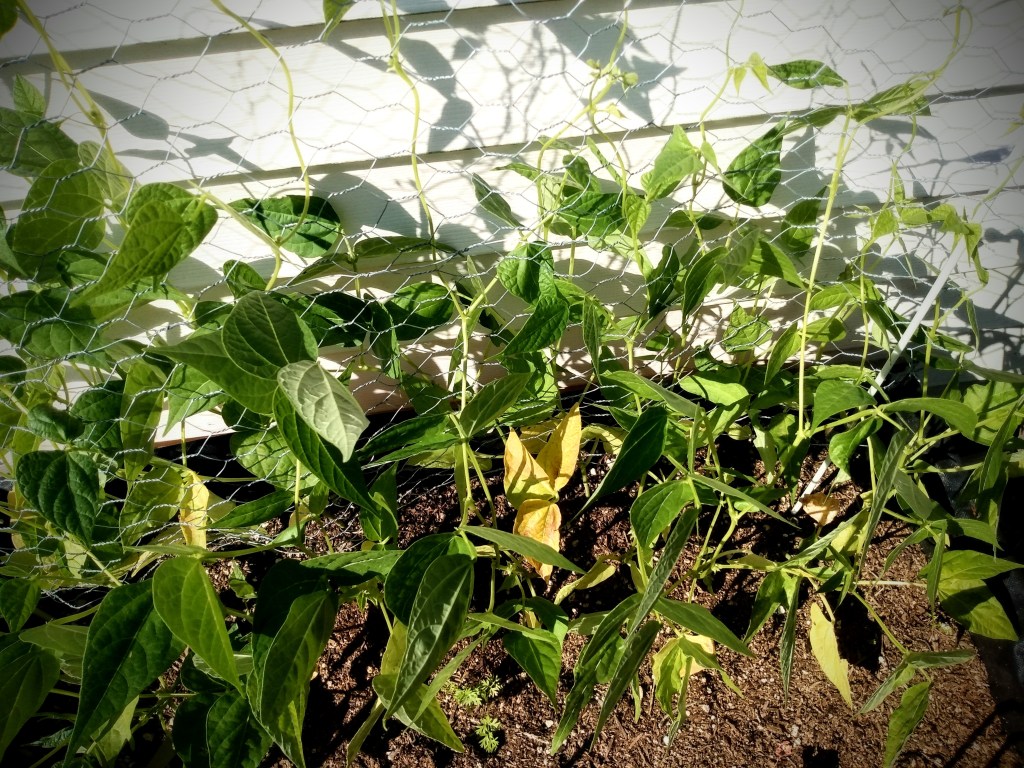
The beans had a few leaves that didn’t make it. But they’re still primed to grow with some warm days on the way.

What have been your environmental conditions?

Each plant that grows from a seed relies on its DNA to tell it when move on to the next stage of its life cycle.

We can start our seeds inside a greenhouse or our home to get a jump start on the growing season. But no matter how early you start a seed, the start will stop its physical growth until a little DNA switch gets flipped by the weather. Whether it’s the amount of sunlight, day time temperatures, or night time temperatures… there are environmental indicators that plants look for before they say, “Now is the perfect time to grow.”

As I mentioned above, this spring has been uncharacteristically cold.

For my tomatoes has been fun to watch this year. I planted some from a seed company. And I planted others from seeds that were harvested from tomato plants that were local and went through last year’s cold spring (which was much worse than this year). The tomatoes that have the seed memory of a cold spring have grown much better than the plants that grew with a seed memory of another region.

Can fertilizing compensate for this growth discrepancy?

Yes. However, if your seeds don’t have the DNA memory of what it’s like to grow in a cold spring, they’re going to struggle a little until they figure out what’s going on with the weather.

My pepper plants have some damage from the hail. However I have a theory that these starts faired better because last week they got planted with some rich compost on their roots. They had the nutrients to fortify them against the elemental attack.

This is the prime reason why it’s important to either save seeds from the plants that you grow or purchase starts from people in your community who grow from their own seeds. From their seed memory, they are ready and geared to thrive and flourish with micro-regional weather. (I share the same grow zone as some southern states, however our springs and micro-regional weather patterns are going to be quite different.)

But it’s also not just seasonal weather that affects the health of your plants.

This past week we had a hail storm. It’s been several years since we’ve had hail in my community. And these weren’t cute tiny hail stones. These were enough to hurt if we stood out in the storm.

After the storm I went out to check on my garden. And it looked like they were all going to be resilient and bounce back just fine. Especially seeing how we were expecting a couple of nice warm days.

The problem is that once the sun did come back out, I noticed that something was wrong with the plants. I first noticed it with my tomatoes. And I thought it was a tomato issue. But I looked elsewhere and saw other plants were affected also.

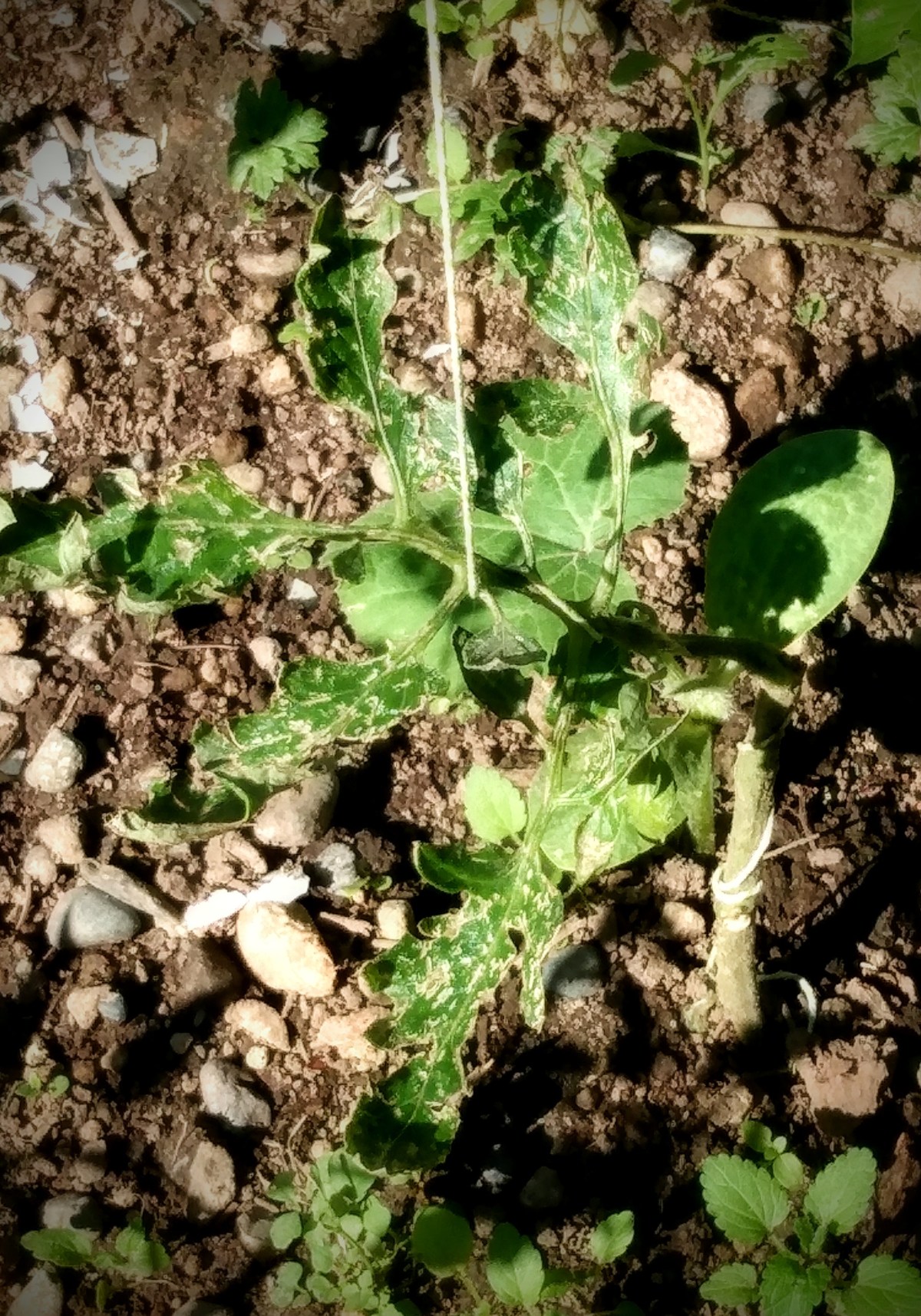
My tomatoes were hardest hit. But they don’t like the cold to start start with. This little stunted start was the hardest hit. The larger plants have the same beige pick marked damage that just looks like it was assaulted from the hail. But at the same time meets some of the descriptive marks of mosaic virus.

This was an important clue to take note of.

My husband sent some pictures over to a friend who has more experience under her belt than we do. With the little information that my husband provided, her opinion was a mosaic virus.

Before her recommendation I was leaning toward an iron deficiency or damage from the hail storm, leaning toward the hail damage because we went from perfectly healthy and happy plants to having visual distress in a couple days.

Whether damage, iron deficiency, or a virus; all three have different care
steps.

This is where you need to be a detective and look for clues.

Here is my amaranth, which pretty much look identical in leaf damage as my tomatoes do. From all I read, so far it doesn’t look like amaranth isn’t effected by the mosaic virus. Which means these guys were just beat up by the hail. So this is one example of why I’m leaning toward my tomatoes just being damaged by hail.

We were concerned for mosaic virus, but after reading up on it we noticed that other plants, not listed on list of plants commonly infected with this virus, were showing the same distress.

The biggest clue for us is that my second garden, miles away, also all had healthy plants and two days after the hail storm showed the same markings.

We cannot completely discredit a viral infection in our garden without testing it. But we can continue to watch the plants and operate as if we are dealing with this virus (trimming effected leaves off in increments so not to handicap the plants’ photosynthesis, not composting the trimmings and expired plants, cleaning garden tools thoroughly, keeping other plants from growing in their direction, and next year planting the tomatoes (and other effected plants) in a totally different section of the garden).

While I’m fairly certain that I’m dealing with hail damage, prudence says that I also act with caution against the mosaic virus. There is nothing to say that I’m not seeing two issues at once.

My Echinacea took the most beating here. And this damage to the stalk looks exactly like the damage on my tomato leaves. As this is stem damage (the leaves were fine) and they match the leaf damage on the tomatoes, this becomes my lead points of evaluation for my garden in this moment.

I know that not everyone is going through what my garden is going through in this season. These are just examples of how to analyze your garden and the conditions that you are facing this year or in a growing season to come. Sometimes answering your garden woes are as simple as looking up a description phrase in Google and looking at the images to confirm or eliminate potential problems. Sometimes you need to crowd source and pick other gardener and farmer’s brains. Just remember that when you crowd source, people respond with their experience and thinking of what’s going on in their garden at the moment. They don’t know all the additional details, like you just had a hail storm or your neighbor sprayed their property with a chemical that negatively impacts your garden because it carries on the wind. People don’t know if you had contaminated water and your water service provider mails out a letter stating such information two weeks after the fact. Unless you look for pests, you may not be aware that the problem you’re facing is coming from a vine borer, aphids, locusts (or other insect) that has come to your property and hasn’t been there in past years. Or maybe you just bought a new house and the previous owner had diseased crops that they let compost in the ground and that information wasn’t passed on to you in the bill of sale. Or maybe you picked up a load of manure for your garden, but it wasn’t disclosed to you that the animals are hay that was sprayed with Grazon.

I just want to make a special note to give a heads up on this issue of Grazon (a Dupont product) and how it’s silently affecting crops, ground and water health. Here is the video from a farmer who lost whole sections of garden plots. We first watched this video and became aware of this issue. You can source the right materials, but sometimes you have to go further back on the food chain to see where the problem lies. I thought organic manure was the end all bench mark. Now it looks like we have to look further. Here is a very detailed article from 2017 to further jump start your research. This one will open your eyes on the product Grazon. Not just this product, but actually all herbicides. Even if you choose not to use herbicides on your property, you might be buying product from someone who does use it on their property.

There are so many things that can affect the health of your garden and plants. Just be aware that the solution may not be as simple as “just fertilize it”. Sometimes you may need to be your garden’s own detective and look for clues to set you on the right path to bring health and recovery to your garden.

What hidden little gems have you learned from your garden?


Can I do that???

Photo by Olya Kobruseva on Pexels.com

Right now I’m in the middle of several projects at the same time and instead of throwing something together for you, I decided to spend a coffee moment with you and just share about me. And I welcome you to email me and continue any conversation that you would like to have.

By nature I like being a person who has all the answers. Sometimes it’s because there are so many people out there who don’t have the answers and nothing is more frustrating than hearing someone say they don’t know. I also love researching and learning new things. I like being a person who says I don’t know but here is what I found out…. And in the last few years I’ve embraced those failure moments where things, methods, ideas just don’t work out. I no longer have a fear of saying that I failed at something. The brilliance of failing is that the failure is not the end all be all. I’ve come to the knowledge that failure in one attempt or ten attempts just means that something didn’t work in the process. Life isn’t static. It isn’t pass/fail on one attempt. Everything is a process. And it’s a process that incorporates the effects and influences of things outside us.

In the crafting world, there are so many methods out there where you have to make this item doing x, y and z in that precise order. But in reality, sometimes the person who makes the steps are aware of outside influences that can change how things turn out, or it’s just not something on their radar.

For example, in a crafting group someone was commenting on how the scorch pen didn’t work for a recommended group craft and they fault was on the pen instead of the recommended scorch paste. I’ve used the pen months before and I had the exact failure that she mentioned. But the difference in approach of project failure came down to the framework of thinking. I can’t vouch for what this crafter thought inside of her head, how she reacted emotionally. I can only assess by the phrases used in an online forum. The phrasing indicated that this lady attributed the craft failure to using the pen instead of the paste and the additional contributing factor of not using the exact same heat source (for burning the chemicals) were the reason why she couldn’t obtain the desired effect. On a different response level, I shared with her how I used the same product, used what was supposed to be the “correct” heat source, and still got the same results. It wasn’t the heat source. And it wasn’t the chemical source for that matter either. When I obtained a failed result, I noticed something. The chemical from the pen bled because of the wood grains. The scorch pen didn’t bleed in all directions. It bled in the direction where the wood grain left a miniature channel for the liquid to migrate around instead of remaining in the partitioned area created by the stencil. This same failure could have still been had with the scorch paste if the grain ridges were deep enough for the paste to be pushed through the stencil or seep out and under.

The problem wasn’t the product.

The problem was the outside source.

Photo by Joey Kyber on Pexels.com

The solution, even though I haven’t yet gone back to prove this for an absolute fact, is sanding the wood to make sure there is nowhere for the chemical product to move outside the stencil.

Life is so much like this. We see a result in someone and we try to go through their steps of getting that desired thing in our own lives. But for one reason, or several, it doesn’t give us the result that we desire. We chalk this up to failure. It feeds into our current (or long lasting) insecurities and feeds our preconceived ideas of ourselves.

“I tried that once…” It didn’t work. They were wrong. They have (knowledge, education, resources, money, family, time, support, etc.) that I don’t have. They had the chance that I didn’t have. I’m just a failure.

How many of those statements have we used in our own lives to excuse why something didn’t work?

What other statements have you used?

For the life of me I cannot remember what caused that triggered in me the need to be perfect. But perfectionism is a disease that eats at you just as much as being a serial failure. Sure a part of me hated letting other people down. But what ate me up the most is when I let myself down. I see in my head how things should be, how they should play out, and I use to beat myself up each and every time I failed those self expectations. I made myself miserable with these failures. Not just the event/activity but how I failed myself, sometimes repeatedly.

The turning point, for me, in this viewpoint of failure happened in college. I was interested in becoming a doctor and took the list of pre-med classes. I was challenged and I excelled in all the lower level classes. I watched others wash out and I was proud of myself for meeting my expectations.

Until….

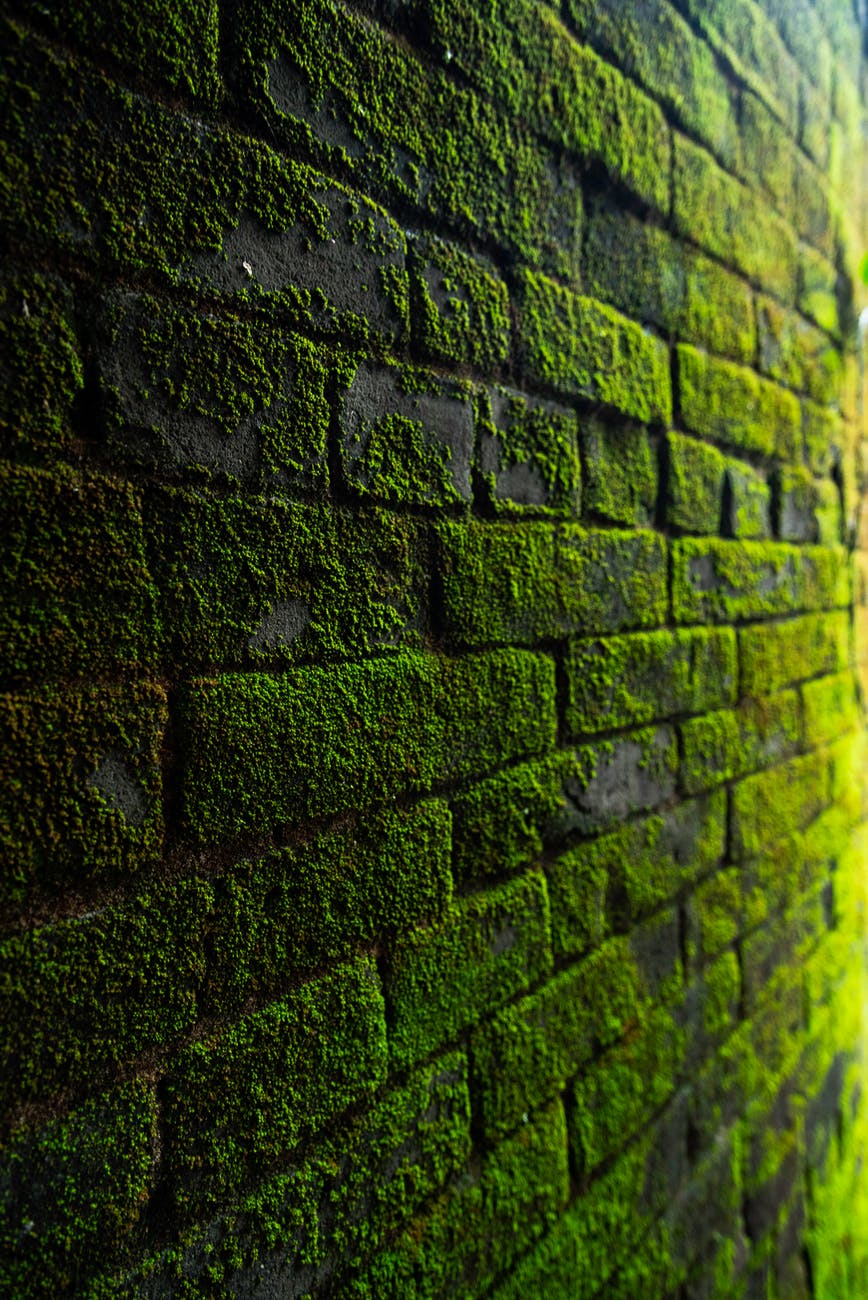
I hit the wall that I just couldn’t break through. It didn’t matter how light or hard I hit those bricks, that wall would not move. It didn’t matter which angle I came from, there was not a chink in that mortar to gain leverage. There was no going above the wall, under it, or around it.

Photo by Element5 Digital on Pexels.com

Organic Chemistry and Advanced Calculus kicked my butt and won.

I had to change my focus and get my degree in another area, one that felt like an easy out because it came natural to me.

BUT…

I took a chance in going in a direction. I learned the human body and how the world works around it. I learned more than what I should actually write here. And even though I “failed” I learned information that I still use today. I understand my body, how it should work, and know what questions to ask and research when it doesn’t work the way it’s supposed to work.

That education also translated into understanding how my garden works even though I never took a botany or agriculture class.

Yes, my initial moment in failure devastated me. To no end! It was the first time I ever truly failed out of something where I couldn’t work my way out. But my walking away learning moment from that complete and utter failure is that there is always something to learn, pull from, and still have tools that I can walk away with.

The world is so quick to define failure as a hard STOP, do not cross, you cannot move beyond this point. But nothing can be further from the truth!!!

Failure is just the simple fact that something did NOT work. It’s NOT a reflection of you. It DOESN’T even define you. Failure IS simply a method that did not work.

Let me rephrase that.

Failure is simply a METHOD that did not work.

You are not a failure. You are never a failure. In fact, the secret of life is that you cannot fail. Ever.

There are always countless options in front of you when you see that failure is not a description of who you are as a person. When you switch the focus from you being a failure to the method of life being a failure, you suddenly see that there is so much out there for you that you couldn’t see before.

In fact, I’ll go as far as to say that when people tell you, “You are a failure” or “You failed me” it has ABSOLUTELY NOTHING TO DO WITH YOU! Instead it’s them shifting their own failure onto you because they can’t face or deal with the failure in their own lives.

So the answer to the post’s question is YES! Yes, you can do that.

And this is the heart behind these blogs. I talk a lot of about crafts, decorating, and food. These are areas that I’m passionate about and having working knowledge with. I dabble in a lot of other areas. And because of that I can say that these principles also work in all areas in life.

If you want to know why I walk with confidence and talk with confidence because I know I’m not a failure.

You’re not a failure

I take every moment, task, event, problem and look at the outside variables. There’s always something else that is an acting influence on what is happening and in some instances, not happening.

My goal is to enable you to see that you’re not a failure. You literally can do anything you want to do. If you want to pursuit a goal you march yourself right up to it. If you hit a wall you can’t go under, over, or around that you redirect yourself. BUT you take with you everything that you learned along the way. When life gives you a dead end, it is not failure. It IS a defining moment where you see the parameters of what you are gifted for in life. You can go to the left or the right and keep that wall on your side. Or you can keep the wall to your back and keep moving forward. The purpose is that you keep moving forward.

And when you hit another wall, you found another boundary, showing you where your purpose lies.

Photo by Arnie Chou on Pexels.com

There are some people who feel like all they do is hit one wall after another. My question is this. Are you hitting the same wall over and over again? Or have you just hit all the walls around your boundary and not understood their meaning?

If you’re hitting wall after wall, the focus should be turned away from the walls themselves and focusing in on this specific area inside all these walls. This is your gifting in life!

In fact, if you’re the one who feels like you’re always hitting the walls, you are at an advantage to someone who never feels the pain of trying and ramming the walls. You actually see the definition of where you are weak, the things outside of your wheelhouse. You can turn away from all those and see more clearly what your strengths are. And you can see more clearly what your purpose in life is all about.

The world is good at making us focus on the walls or glass ceilings. Because if we focus on the walls or the limitations in life we’re not seeing who we were designed to be. We are easily controlled and manipulated. We are easy to put into depression and give up on life.

BUT when we see our strengths and our calling, we are a powerhouse!

Each and every person alive has a purpose, because there is not another person like you. There is not another person like me. You have a specific meaningful job and function on this planet that others need that only you can provide. I need you. I need you because you’re not me. I don’t care what the mirror on your wall shows, that image does not define you. You reside inside your body. And that is where your purpose resides. You can be the most different person from me and I will still need you, because you have something inside you, at your core that we all need.

If you want to continue this conversation with me, please email me here:

Go back

I'm excited to see what you wrote!

Thank you for taking the time to reach out to me and share. I appreciate you and look forward to talking with you.
Warning
Warning
Warning
Warning.

Or comment here:

Leave a comment

Processing…
Success! You're on the list.

Would You Like a Cuppa?

It’s funny how beverages of choice are so regional. For example in the United States, there has historically been a continental divide between coffee drinkers and tea drinkers. Tea has been pretty regional for the East Coast and Coffee the West.

The history of this divide started around the foundation of this country. We all know about the Boston Tea Party and how they threw tea over the sides of the ships, all over a 3 cent rise in taxes. (I find this historical fact both interesting and funny in the context on how there has been upwards of 14% inflation on so many products across the grocery shelves.)

Coffee started making its footprint in the United States with the colonization (and yes, even subjugation) of the Caribbean Islands and South America. But it found its biggest consumers with the people who moved west, not just the Mid-West but also the West Coast and upwards into Alaska.

In fact, before Starbucks became established and took over every major street corner, I grew up where you could tell whether your family was West Coasters or from back East. If your family had spent a few generations on the West Coast, you had a coffee pot in your kitchen. I grew up with many people whose grandparents drank tea, but their parents, coffee. Those were my New England transplant friends. And then in High School I made friends with a transfer student, who came from Virginia. She hated coffee and only drank tea.

What is funny is what the transition from tea drinking family to coffee drinking family looks like.

A set of grandparents came up from the Texas area. One was Texan, coffee drinker, and the other was from the Deep South. The only tea that was in this grandparents’ house was sun tea. And there was only ONE way to make it–so obviously a tea drinker. Every summer there was sun tea that was made, that beautiful dark golden brew. There is really nothing like it. Mind you, this isn’t the sweet tea that you will find in the Deep South, where verbal wars can be started on the proper summer time tea. Just good strong, dark, rich sun tea.

Now my parents were both coffee drinkers. And yet almost each summer growing up, my mom would brew at least one sun tea.

This dedicated coffee drinker, I’m a very picky tea drinker and it was only this summer, when the sun finally came out that I caught myself thinking “I need to make some sun tea”. You can imagine the “What the– where did that come from?” moment I had because I don’t make sun tea. And yet this summer was it.

So that prompted me to ask on my social media for recommendations and recipes from my tea loving friends who have the tea that even a coffee lover would love. Obviously the majority of my friends and acquaintances are coffee drinkers because I only had a few responses. But the responses that I received shocked me because I never knew about these teas and they never crossed my mind.

The following yellow product buttons are affiliate links. I earn a commission off of these products at no additional cost to you.

Mint Sun Tea

One recommendation sent to me was:

  • 1-2 Regular Tea Bags
  • 3-5 Bags of Mint Tea OR Fresh Mint Leaves

Add the above tea bags into a glass gallon jug of water (which you use to brew your sun tea). Brew for 2-3 hours, in the sun, or longer if you want your tea stronger or you’re sun is hiding behind clouds.

When finished brewing refrigerate.

This friend also said that she adds honey into the tea before refrigerating.

I was excited about this recipe because my absolute favorite tea is Stash’s Moroccan Mint Green Tea. If I’m craving tea, this is the one I hunt for because it has the world’s best flavor. I’ve tried to get into the Green Tea fad, but I find the vast majority of green tea either tastes like grass or soap. (I’ve recently learned that the majority of people who don’t like cilantro is because of it tasting like soap. There is actually a chemical compound in these green that to certain taste buds taste like soap. So this is real and there’s a reason!)

If you’re like me, and not a green tea person, seriously try this one. It’s not just me. I have a friend who use to be a Japanese tea distributor, says that she’s extremely picky, and assures me that this tea is one of the greatest to make a sun tea with!

This friend is currently cooked with brewing Chai with Hojicha, Green Tea with Self Healing and fresh mint from her garden.

Strawberry Tea

This one surprised me when a friend suggested this. I don’t know why I never thought of fruit sun teas. Fruit just makes sense because of summer. Strawberries are appealing because I’m growing them and I love strawberries. And the recipe passed on is super simple.

  • 6-8 Strawberry Tea Bags
  • Strawberry Puree

In your glass gallon jug of water (which you use to brew your sun tea) add the Strawberry Tea Bags. Brew for 2-3 hours, in the sun, or longer if you want your tea stronger or you’re sun is hiding behind clouds.

Once your tea is done brewing, remove your tea bags and chill your tea. If you can’t wait, pour your tea over a glass filled with ice. Mix in strawberry puree for a stronger strawberry flavor. If you like sweet tea, add sugar to your liking.

Sweet & Spicy

This one was recommended by two different friends, one from Tennessee and one from Texas.

This tea I found intriguing because the ingredient list reminds me of staple recipes from Asia. In fact, reading the ingredients made me start craving Thai!

I’ve been assured that these tea bags alone are all you need for some of the best sun tea you’ve ever had. And since I grew up on sun tea made from plain Lipton tea, I can see how this is going to be amazing!

Along this line of tea, I was also introduced to the idea of Cinnamon Tea. This blew my mind!

I’ve never heard of Cinnamon Tea before. And I learned that 2 cinnamon sticks in about 4 cups of boiling water will give you a nice tea.

This is definitely on my list to make once fall comes. I love cinnamon, but I’m on a kick with my mint right now. However, my Chocolate Mint might need the cinnamon to bring it to the next level. It’s still missing something for me, and this might be it!

Natural Sweetener Alternatives

There are various reasons why people choose an alternate to sugar for sweetening foods and beverages. I’m personally leery about many sweeteners because the last thing I want to do is add more chemicals into my diet. So when it was brought to my attention that Stevia is a plant based sweetener, this product had my attention.

I’m hooked on the idea now that I have located stevia plants to add to my garden. So I will soon be growing this and learning how to make sweetener.

My mom has cooked with stevia and says it does well with baking. She also used it with alternate flour sources.

I’ve used the packets of stevia and sprinkled in my large water cup and 4 leaves of mint. So with nothing to hide, I was able to taste the stevia. I didn’t notice any off flavors that I’ve noticed with other sugar alternatives. The flavor is slightly different than sugar, but not enough of a difference for me to say it’s “different”. The huge bonus I can say about it is that I like how stevia melts into the water. If you’ve added sugar in cold water you know how much of a gritty feeling there is until the sugar has been well stirred and sat for a while. That’s not the same experience I had with stevia. I only had to give a good stir and I was good to go. No textural difference.

When my mom gifted me stevia, I seriously wondered what I was going to do with it. Other than just keep it in my cupboard for when my mom visits. Now I know what I’m going to do with this natural sugar.

I recommend giving this sugar alternate a chance.

Here is the packets:

And the bag:

Looking for an alternative to tea?

I know that there are still some people who just do not lean towards tea drinking at all. Or maybe you’re looking for a tea that is kid friendly. There is one more option I have for you.

Infused Water

While waiting for some good leads for sun tea, I instantly ran across a post from on of my favorite bloggers. She just got me hooked on putting fresh mint leaves in my chilled water!

I have a 36 oz. water “cup” that I use to make sure I get my daily water in. The only thing I add to my water is 4-6 leaves from my mint plant of choice. Before you put the leaves in your cup, stack and roll them up, crush the leaves in your fingers, and then add them to your water. By crushing the leaves, you break open the cell walls of the leaves and release the oils within.

The best part about using fresh leaves from your garden (or produce stand if you haven’t yet planted fresh herbs at your home) is that you are not only drinking something tasty, you’re giving natural medicine that give your body the building blocks to bring you back into or keep you in health.

What I recently learned is that by putting mint leaves in your water, it can help combat ailments such as GERD (Gastro-esophageal Reflux Disease). I personally am not afflicted with GERD, but summer heat does a number on my body. Not only is my appetite affected, but I’m more prone to upset stomach. In fact, my stomach was upset when I first put mint in my water cup. By the time I finished drinking that cup, my stomach was back to normal. And since I’ve been using the mint daily, it hasn’t returned.

Anyone who works with herbs will tell you that the mint family does have properties that benefit your gastrointestinal system. I love learning about these things, because I try to keep off of as much over other the counter or prescribed medication as I can.

Here are some ideas of what mints you can use:

  • Mint
  • Chocolate Mint
  • Pineapple Mint
  • Orange Mint
  • Lemon Balm
  • Spearmint
  • Peppermint

And there are other types of mint that you can find at your local nursery for produce stand that sells starts. Better yet, maybe your neighbor has a mint they are growing. For example, I have Chocolate Mint and Spearmint. I had Orange Mint, but this crazy spring may have killed it. (I thought it died on me, but I recently saw a new sprig come up from the soil. I’m waiting for it to grow a bit bigger before seeing if it’s Orange or Chocolate.) One neighbor has Lemon Balm. Another neighbor has Pineapple Mint. And I only found out what my neighbors were growing by telling them about what I’m growing and what new projects I’m working on with my herbs.

Here are the flavors of the mints that I’ve tasted.

Chocolate mint just tastes like mint to me. The reason why it got its name is because when you crush the leaves, it stains your fingers brown like milk chocolate. I mentioned before that I’m very particular about my tea. I found my pickiness kicking in on putting this mint in my water. A tiny sprinkling of Stevia was just enough to pull this infused water around to allow me to drink this. Even though I found I could drink this, none of my kiddos liked this flavor. Instead, two of my boys leave my water alone if it has mint, because of this one. So mamas, if you want your water left alone, this one may do it for you!

Pineapple mint really does smell like pineapple. I can’t wait to get this in my water, because it smells like a Piña Colada. My neighbor just gave me a few sprigs this evening so I’m excited to try them tomorrow!

Lemon Balm, I swear it tastes like lemon! I usually don’t keep lemons in my house because they turn on me before I use them. However, I’ve used lemon balm in my chicken broth and it tastes just like I squeezed in some fresh lemon. You better believe that I have a new friend in my kitchen. I’m so using this herb instead of lemon or lemon zest.

Spearmint brings back so many fond childhood memories of incessantly chewing Wrigley’s spearmint gum. And yes, I’ve almost picked my spearmint plant bald for my water. And this is the infused water that my youngest will still steal my water. So this mint gets my recommendation if you’re looking for an herb infused water that is kid friendly.

I so hope you’ll join me in dressing up your water this summer!

What’s your favorite water infusion or Sun Tea?

I’m still looking for new ideas on sun teas in particular. But I want to hear what everyone is drinking right now to stay hydrated. Please comment below!

Processing…
Success! You're on the list.

Leave a comment